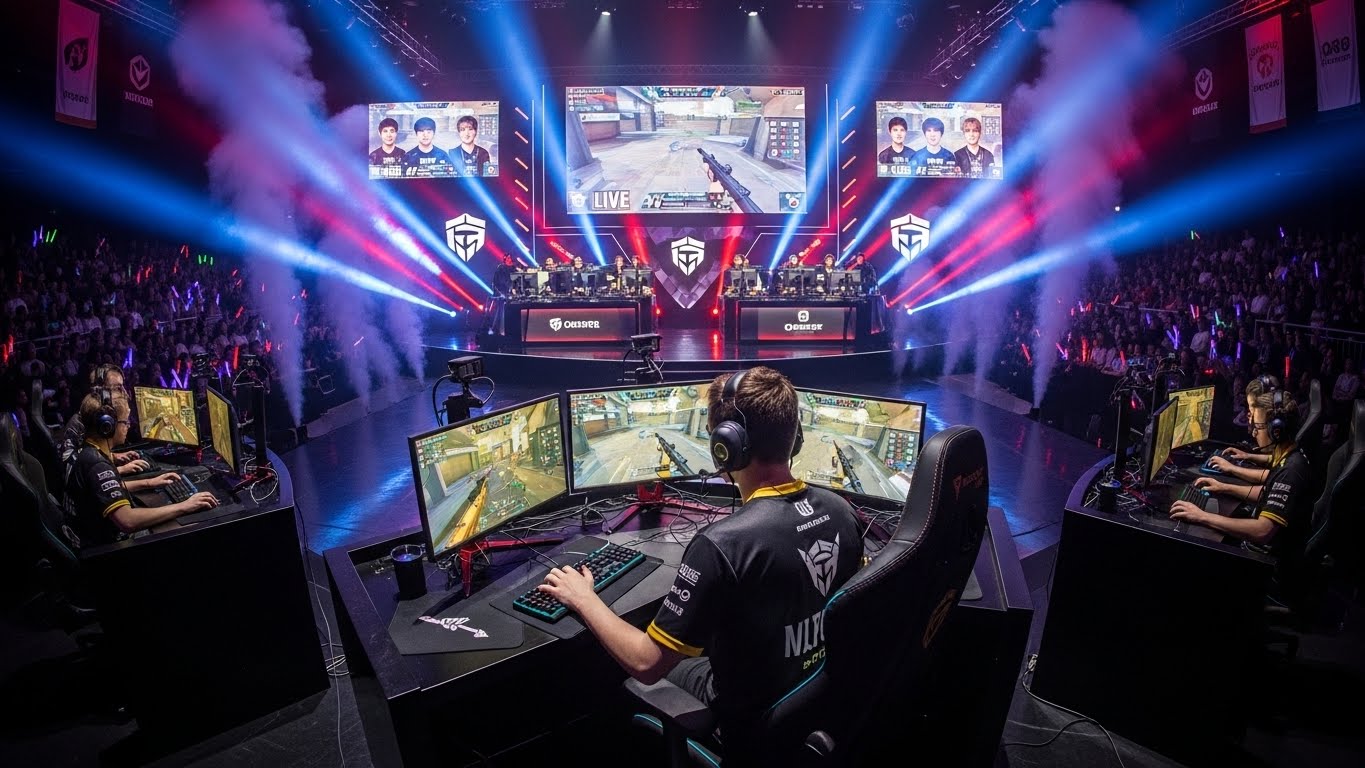

Wearable Tech for Pro Gamers: Enhancing Performance, Health, and Immersion
In the fast-evolving world of esports, professional gamers are increasingly turning to wearable technology to gain a competitive edge, monitor their health, and enhance their gaming experience. From tracking biometric data to providing immersive feedback, wearable devices are becoming indispensable tools for elite players. This blog post delves into the various wearable technologies shaping the future of professional gaming.
Table of Contents
- Introduction
- The Rise of Wearable Tech in Esports
- Key Wearable Devices for Pro Gamers
- VR and AR Headsets
- Biometric Monitoring Devices
- Smart Clothing and Performance Apparel
- Haptic Feedback Devices
- VR and AR Headsets
- Benefits of Wearable Tech in Professional Gaming
- Enhanced Performance Monitoring
- Injury Prevention and Health Monitoring
- Improved Immersion and User Experience
- Enhanced Performance Monitoring
- Challenges and Considerations
- Data Privacy and Security
- Device Comfort and Usability
- Cost and Accessibility
- Data Privacy and Security
- The Future of Wearable Tech in Esports
- Conclusion
Introduction
Esports has transformed from a niche hobby into a global phenomenon, with professional gamers competing at the highest levels for substantial prizes and recognition. As the competition intensifies, players are seeking innovative ways to enhance their performance and well-being. Wearable technology offers a promising solution, providing real-time data and feedback that can inform training, recovery, and gameplay strategies.
The Rise of Wearable Tech in Esports
The integration of wearable technology into esports is a natural progression, mirroring trends in traditional sports where performance analytics and health monitoring have become standard practices. In esports, where mental acuity and physical endurance are paramount, wearables offer insights that were previously inaccessible. Devices now track a range of metrics, from heart rate variability to muscle strain, enabling players and coaches to make data-driven decisions.
Key Wearable Devices for Pro Gamers
VR and AR Headsets
Virtual Reality (VR) and Augmented Reality (AR) headsets are at the forefront of immersive gaming experiences. Devices like the Meta Quest 3S and Apple Vision Pro provide players with a 360-degree view of the game environment, enhancing spatial awareness and reaction times. These headsets also offer features like hand tracking and eye movement detection, which can be leveraged for more intuitive control and interaction.
Biometric Monitoring Devices
Wearables such as heart rate monitors, EEG headsets, and muscle oxygen sensors allow gamers to monitor their physiological responses during gameplay. By analyzing metrics like heart rate variability and stress levels, players can identify optimal performance zones and adjust their strategies accordingly. This data also aids in recovery planning and injury prevention.
Smart Clothing and Performance Apparel
Companies like Whoop have developed smart clothing that integrates seamlessly with wearable sensors. These garments track various metrics, including muscle strain and posture, providing continuous feedback without the need for external devices. This approach enhances comfort and ensures that data collection does not interfere with gameplay.
Haptic Feedback Devices
Haptic technology adds a tactile dimension to gaming by providing physical feedback in response to in-game actions. Devices like the SoundSlayer™ Wireless Wearable Gaming Speaker System deliver vibrations and audio cues that enhance situational awareness and immersion. This sensory input can be crucial for making split-second decisions during intense gaming sessions.
Benefits of Wearable Tech in Professional Gaming
Enhanced Performance Monitoring
Wearable devices collect a wealth of data that can be analyzed to assess a player’s performance. Metrics such as reaction time, accuracy, and decision-making speed can be tracked over time, allowing players and coaches to identify strengths and areas for improvement. This continuous feedback loop supports targeted training and skill development.
Injury Prevention and Health Monitoring
Extended gaming sessions can lead to physical strain and injuries, including repetitive strain injuries (RSIs) and posture-related issues. Wearables that monitor posture and muscle activity provide real-time alerts when improper movements are detected, enabling players to adjust their behavior and prevent potential injuries.
Improved Immersion and User Experience
The integration of haptic feedback and immersive headsets enhances the gaming experience by making it more engaging and realistic. Players can feel the impact of in-game events, such as explosions or collisions, which adds a layer of depth to the gameplay. This heightened immersion can improve focus and performance during competitions.
Challenges and Considerations
Data Privacy and Security
The collection of biometric and performance data raises concerns about privacy and data security. Players must ensure that their data is stored securely and that they have control over how it is used. Transparency from device manufacturers regarding data handling practices is essential to build trust within the gaming community.
Device Comfort and Usability
For wearables to be effective, they must be comfortable and easy to use during long gaming sessions. Devices that are bulky or cumbersome can detract from the gaming experience and may not be adopted by professional players. Ergonomic design and user-friendly interfaces are crucial factors in the success of wearable technology in esports.
Cost and Accessibility
High-quality wearable devices can be expensive, potentially limiting access for amateur players and teams with limited budgets. While the benefits of wearables are evident, the cost may be a barrier to entry for some individuals and organizations. Efforts to reduce costs and increase accessibility will be important for the widespread adoption of wearable technology in esports.
The Future of Wearable Tech in Esports
As technology continues to advance, the capabilities of wearable devices in esports are expected to expand. Future developments may include more sophisticated sensors that provide deeper insights into cognitive states, such as focus and mental fatigue. Additionally, the integration of artificial intelligence could enable predictive analytics, allowing for proactive adjustments to training and gameplay strategies.
Collaboration between hardware manufacturers, game developers, and esports organizations will be key to creating standardized systems that ensure compatibility and maximize the benefits of wearable technology. Such collaboration could lead to the development of comprehensive platforms that offer a holistic view of a player’s performance and well-being.
Conclusion
Wearable technology is revolutionizing the esports industry by providing professional gamers with tools to enhance their performance, monitor their health, and immerse themselves more fully in the gaming experience. While challenges related to privacy, comfort, and cost remain, the potential benefits of wearables are undeniable. As the technology continues to evolve, it is poised to become an integral part of the esports landscape, empowering players to reach new heights in their competitive endeavors.