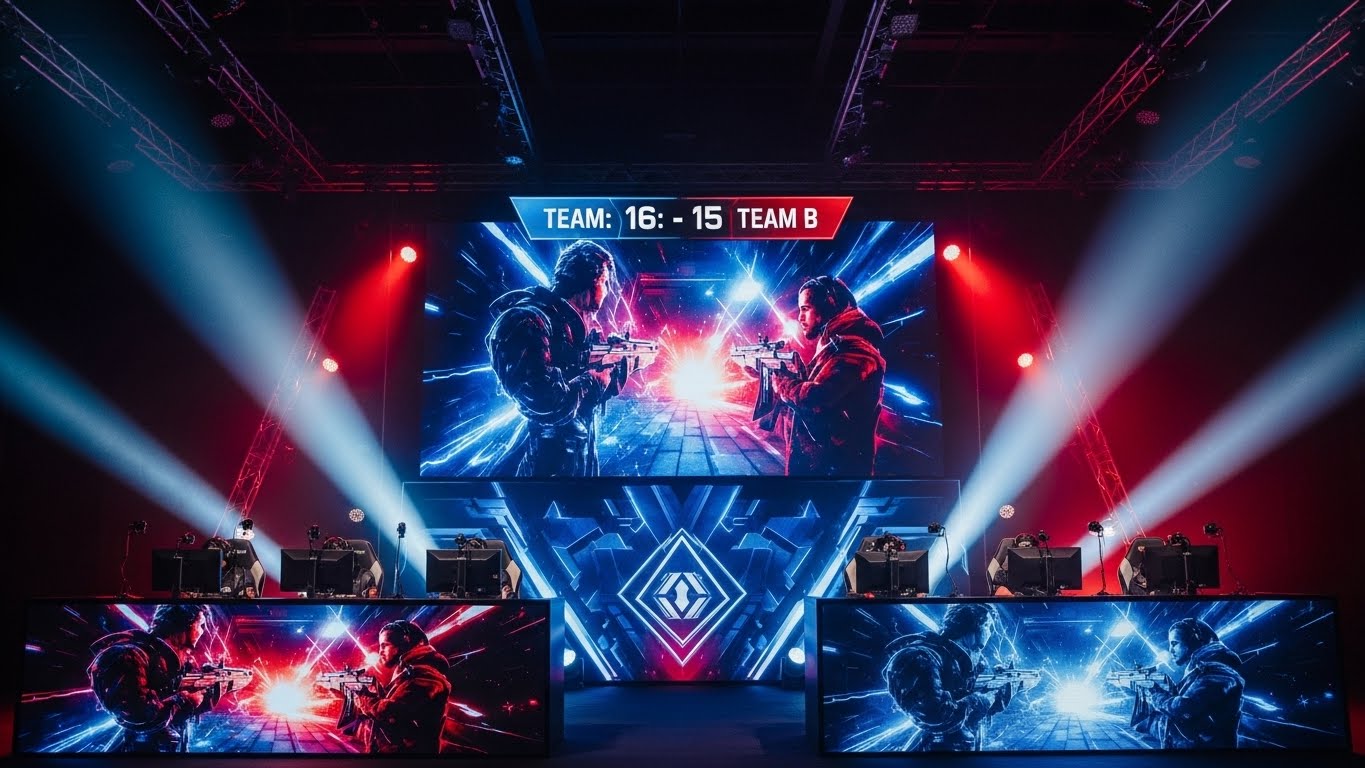

In the ever-evolving world of competitive gaming, a new frontier is emerging that promises to redefine how we experience esports. Virtual Reality (VR) esports is rapidly gaining traction, blending the immersive qualities of VR technology with the strategic depth of traditional esports. But is VR esports truly the next big thing, or is it a passing trend? Let’s delve into this burgeoning arena to understand its potential, challenges, and future prospects.
The Rise of VR Esports
What Is VR Esports?
VR esports combines traditional esports elements—such as team-based competition, skill development, and spectator engagement—with the immersive experience of virtual reality. Players wear VR headsets and use motion controllers to interact with the game environment, offering a more physically engaging experience compared to conventional gaming.
Market Growth and Investment
The global VR esports league market was valued at approximately USD 1.28 billion in 2024 and is projected to reach USD 5.62 billion by 2033, growing at a compound annual growth rate (CAGR) of 18.2% This growth is fueled by advancements in VR hardware, increased consumer interest, and investments from major tech companies.
Key Drivers of VR Esports
1. Immersive Gameplay Experience
Unlike traditional esports, VR esports offers a fully immersive experience. Players are physically involved in the game, using their bodies to control movements and actions. This level of immersion enhances player engagement and offers a more dynamic viewing experience for spectators.
2. Advancements in VR Technology
Recent developments in VR hardware have significantly improved the gaming experience. Devices like the Meta Quest 3 and HTC Vive Pro offer higher resolutions, wider fields of view, and reduced latency, making VR gaming more accessible and enjoyable
3. Expanding Game Library
The availability of VR-compatible games is expanding. Titles like “Onward,” “Pavlov VR,” and “VAIL VR” are gaining popularity in the competitive gaming scene. These games offer varied experiences, from tactical shooters to fast-paced action, catering to a wide range of player preferences
Challenges Facing VR Esports
1. High Entry Costs
The cost of high-quality VR headsets and compatible PCs can be prohibitive for many potential players. While prices are decreasing, the initial investment remains a barrier to entry for a significant portion of the gaming community.
2. Motion Sickness and Physical Strain
Some players experience motion sickness due to the immersive nature of VR. Additionally, extended gaming sessions can lead to physical fatigue, limiting playtime and potentially deterring players from engaging in competitive matches.
3. Limited Game Selection
Although the VR game library is expanding, it still lags behind traditional gaming platforms in terms of variety and depth. The development of new VR titles requires significant investment and innovation, which can be a slow process.
The Future of VR Esports
Integration with Augmented Reality (AR)
The convergence of VR and AR technologies could lead to hybrid gaming experiences that blend the physical and digital worlds. This integration could enhance gameplay by incorporating real-world elements into the virtual environment, offering a more interactive and engaging experience
Growth in Spectator Engagement
VR has the potential to revolutionize how audiences engage with esports events. Platforms like Virtex Stadium allow fans to watch live tournaments in virtual arenas, providing a more interactive and immersive viewing experience compared to traditional streaming
Expansion into New Markets
As VR technology becomes more affordable and accessible, its adoption is expected to increase in emerging markets. This expansion could lead to a more diverse player base and a broader global esports community.
Conclusion
VR esports stands at the intersection of technology and entertainment, offering a glimpse into the future of competitive gaming. While challenges such as high costs and limited game selection exist, the rapid advancements in VR technology and the growing interest in immersive experiences suggest that VR esports has the potential to become a significant force in the gaming industry. As the technology continues to evolve and become more accessible, VR esports could very well be the next big thing in the world of competitive gaming.