Introduction: The Emergence of Esports
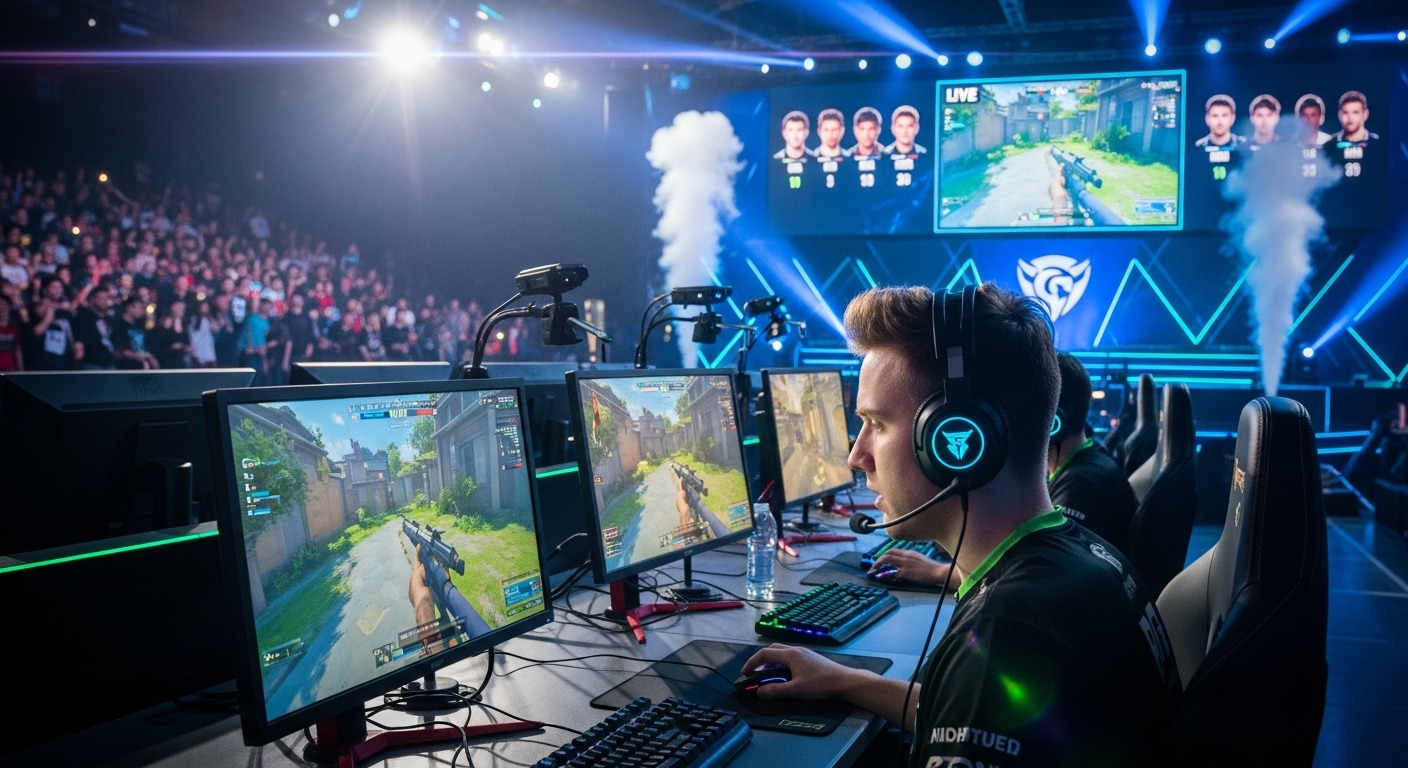
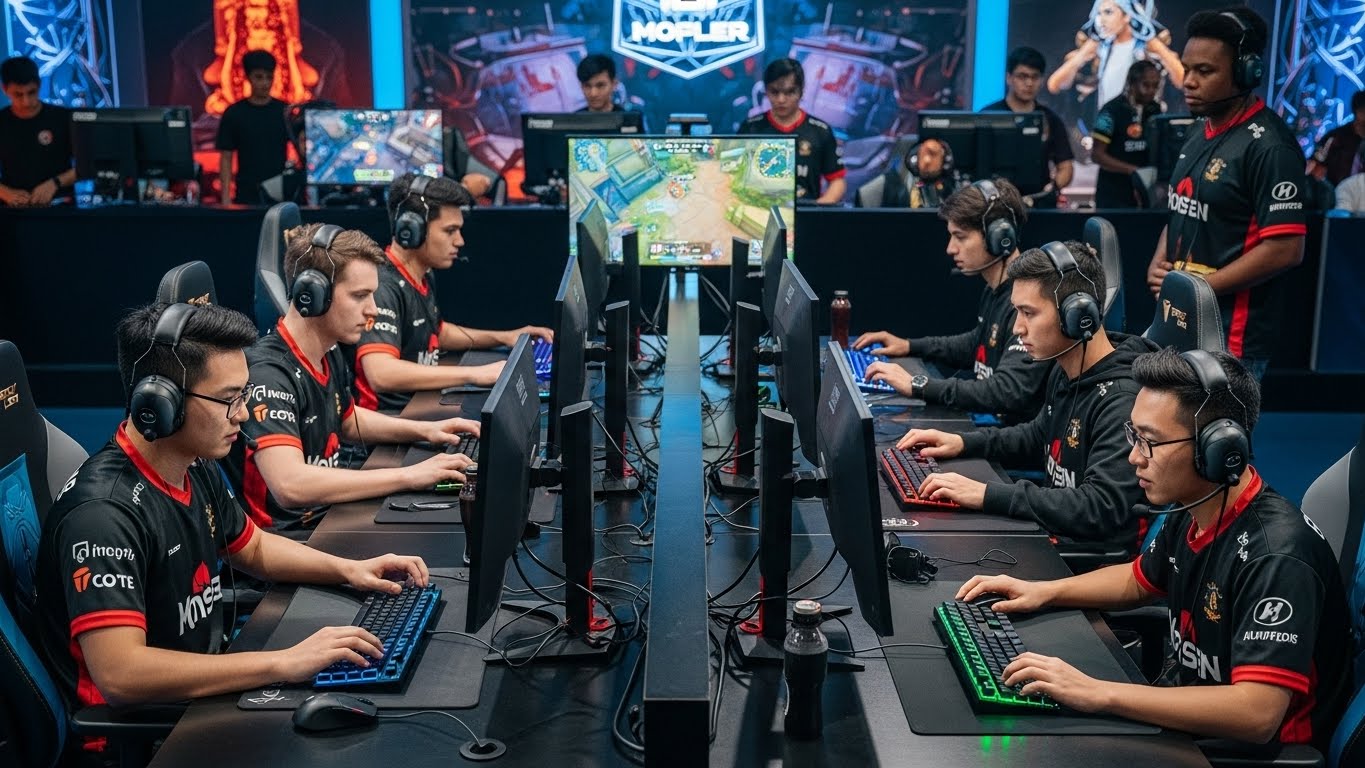
In recent years, esports has skyrocketed from being a niche hobby into a global cultural phenomenon. What was once considered a pastime for gamers has blossomed into a legitimate industry, with professional leagues, massive sponsorships, and an ever-growing fanbase. Esports encompasses competitive gaming where players, both individually and as teams, compete in tournaments across a wide range of video games. From intense multiplayer online battle arenas (MOBAs) like League of Legends to battle royales like Fortnite, esports spans multiple genres and attracts millions of players and viewers alike.
The rise of esports is not just a reflection of the popularity of video games; it is a testament to how digital sports are reshaping how we understand competition, entertainment, and community. In this blog post, we’ll delve into the evolution, significance, and future of esports while exploring its cultural, social, and economic impact.
The Origins and Evolution of Esports
The story of esports dates back to the early days of video gaming. While the concept of competitive gaming can be traced to the 1970s with arcade game competitions like the Space Invaders Championship of 1980, esports truly began to gain momentum in the late 1990s and early 2000s. As the internet became more accessible, players could connect with others across the globe, and online gaming competitions began to emerge.
The competitive scene took off with games like StarCraft, Counter-Strike, and Quake, which not only attracted players but also led to the creation of tournaments, sponsorships, and dedicated teams. South Korea played a pivotal role in esports’ development, creating a robust professional scene in the early 2000s, particularly through games like StarCraft: Brood War. It was the introduction of League of Legends in 2009, however, that marked a turning point, popularizing esports globally and attracting corporate sponsorships, mass viewership, and professional leagues.
Esports continued to evolve with the growth of games like Dota 2, Overwatch, and Valorant. These games introduced new styles of play, broader appeal, and increasingly sophisticated esports ecosystems. Today, tournaments like The International and the League of Legends World Championship draw millions of viewers worldwide, rivaling traditional sports in terms of audience engagement and prize pools.
Esports as a Global Phenomenon
What makes esports truly unique is its global nature. Unlike traditional sports that are often tied to specific regions or countries, esports has a truly international reach. Players from all corners of the globe can compete against one another, transcending language, culture, and geographic barriers. This interconnectedness has created a vibrant and diverse fanbase, where people from different backgrounds come together to celebrate their shared love for gaming.
Countries like South Korea, China, the United States, and parts of Europe have become epicenters for esports, with professional leagues, dedicated training facilities, and national championships. In South Korea, esports is a major part of the cultural fabric, with professional gamers achieving celebrity status and even competing in televised broadcasts. In other parts of the world, esports is quickly gaining traction as a legitimate sport, with universities offering scholarships to top-tier players, and governments investing in infrastructure to support esports development.
The global nature of esports is also reflected in its diverse genres. Whether it’s the real-time strategy (RTS) games like StarCraft, the fast-paced first-person shooters (FPS) like Counter-Strike, or the massive multiplayer online battle arenas (MOBAs) like League of Legends, esports offers something for every kind of player and fan. This diversity of games has broadened the scope of esports, making it accessible to a wide range of audiences.
The Economic Impact of Esports
Esports is now a billion-dollar industry. As the popularity of competitive gaming has skyrocketed, so has its economic impact. From sponsorships and media rights to merchandise sales and ticket revenue, esports generates significant revenue streams. In fact, it is estimated that the esports industry will generate over $1 billion in revenue in the coming years, and this number is expected to continue growing as the industry matures.
The largest esports tournaments have prize pools that rival those of traditional sports. For example, The International, the premier Dota 2 tournament, has featured prize pools exceeding $40 million, with the winning team taking home a share of that massive sum. Major sponsors like Coca-Cola, Intel, and Mercedes-Benz have entered the esports market, signing multi-million-dollar deals to sponsor events, teams, and players. Esports organizations, like Cloud9, Team Liquid, and FaZe Clan, have become brands in their own right, securing sponsorship deals with big names and expanding their global reach.
Esports also creates jobs across various sectors. From game developers and event organizers to broadcasters and marketing professionals, the ecosystem around esports provides a wide range of career opportunities. Streaming platforms like Twitch and YouTube have also created new avenues for players to earn money through content creation, live streaming, and brand partnerships.
Esports as a Career Path
One of the most striking aspects of esports is that it has evolved into a viable career path. Professional players, coaches, analysts, and commentators are all part of the esports ecosystem. The life of a professional esports player is intense, often involving rigorous training schedules, travel for tournaments, and participation in league matches. While the career span of a pro player can be relatively short (due to the intense pressure and physical demands of gaming), those who succeed can earn substantial incomes.
Aside from the players themselves, many other roles exist within the esports industry. Coaches help guide teams, strategizing for upcoming competitions and ensuring players perform at their best. Analysts provide insights into games, breaking down tactics and strategies for viewers. Commentators bring the action to life with their passionate and informative commentary, while event organizers coordinate the logistics behind large-scale tournaments. Esports organizations have begun to mirror traditional sports teams, with full support staff and infrastructure to help their athletes succeed.
For many young gamers, esports represents a dream career, one that allows them to combine their passion for gaming with the possibility of financial success and global recognition. This has led to a shift in how society views video gaming, turning it from a hobby to a legitimate profession.
Esports and the Impact on Society
Esports has had a profound impact on how we view gaming, sports, and entertainment. For many, it has provided a sense of community, an opportunity to connect with like-minded individuals, and a platform to showcase talent. Esports has become a social experience, with fans gathering online to watch matches, discuss strategies, and support their favorite teams and players.
The accessibility of esports is also one of its defining features. Unlike traditional sports, where physical limitations may prevent some individuals from participating at a professional level, esports levels the playing field. Players of all physical abilities can participate in esports competitions, with success determined primarily by skill, strategy, and teamwork.
Moreover, esports has played a role in shifting attitudes toward video games in general. Gaming, once seen as a solitary activity or something only for “nerds,” is now celebrated as a form of entertainment, art, and culture. Esports has helped legitimize gaming as a sport, and as such, it has garnered wider acceptance from mainstream society.
Challenges Facing Esports
Despite its rapid growth, esports faces several challenges. One of the primary concerns is the mental and physical health of players. Esports requires long hours of practice, which can lead to burnout, stress, and even physical injuries like carpal tunnel syndrome or eye strain. Many professional players also experience the pressures of fame and performance anxiety, which can take a toll on their well-being.
Another issue facing esports is the lack of regulation and consistency across different games and leagues. Unlike traditional sports, which have established governing bodies and standardized rules, esports is still in its infancy in terms of regulation. This leads to challenges regarding cheating, match-fixing, and inconsistent player conduct. As esports continues to grow, establishing clear guidelines and regulations will be crucial for its long-term success and credibility.
The Future of Esports
The future of esports looks bright, with technology continuing to push the boundaries of what’s possible in competitive gaming. Virtual reality (VR) and augmented reality (AR) are expected to play a significant role in transforming the way esports is played and consumed. These technologies will provide more immersive and interactive experiences for both players and fans, taking esports to new heights.
Esports will likely continue to expand in both scale and popularity. As more games enter the competitive arena, more players, teams, and fans will join the global esports ecosystem. It is also likely that esports will become more integrated with traditional sports, as we have already seen with hybrid events and the inclusion of esports in events like the Asian Games.
As the industry matures, esports will become an even more integral part of our entertainment landscape, with new opportunities for players, fans, and businesses alike.
Conclusion: Esports and Its Legacy
Esports is no longer just a passing trend. It has become a major part of global entertainment, attracting millions of fans, creating job opportunities, and changing how we view competition. From its humble beginnings in arcades to its current position as a multi-billion-dollar industry, esports has come a long way. As it continues to grow and evolve, it will redefine the boundaries of what it means to be an athlete, a fan, and a participant in the digital age.
Esports has proven that gaming is not just about entertainment—it’s about building communities, developing skills, and creating a new form of competition that resonates with people around the world. As we look to the future, it’s clear that esports will continue to shape our cultural, social, and economic landscapes for years to come