Introduction
In the past few decades, gaming has transformed from a casual pastime into a global phenomenon known as Esports. The term Esports, short for electronic sports, refers to organized, competitive video gaming where individuals or teams face off in popular titles such as League of Legends, Dota 2, Counter-Strike, Fortnite, and many others. What was once viewed as a simple hobby has evolved into a billion-dollar industry with professional players, massive tournaments, sponsorship deals, and millions of dedicated fans worldwide. Esports has blurred the line between traditional sports and digital entertainment, creating a new era of competitive culture and global community.
The Evolution of Esports
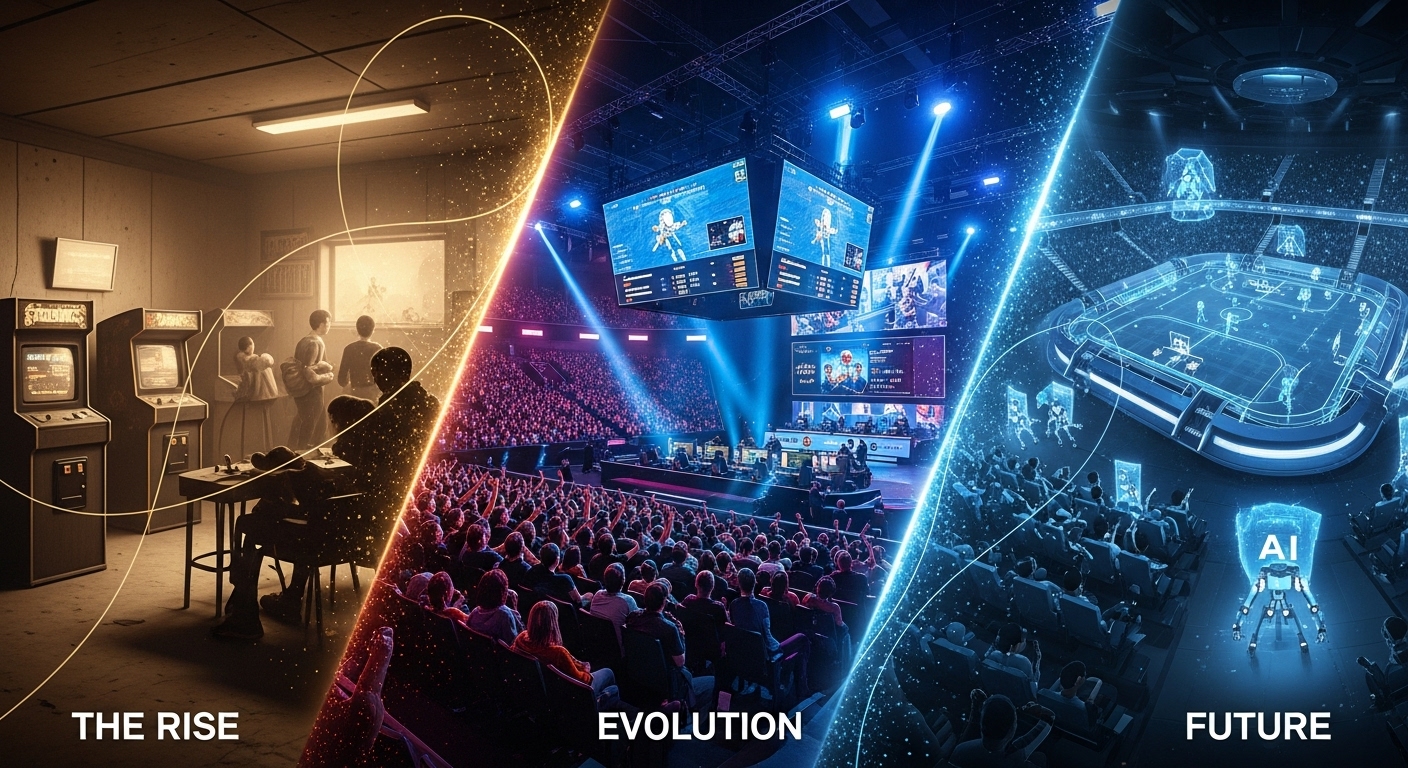
The roots of Esports can be traced back to the 1970s and 1980s, when video games first began to appear in arcades and home consoles. Early competitions were small and often organized locally, with players competing for high scores in games like Space Invaders and Pac-Man. The idea of competitive gaming grew gradually as technology advanced, and by the 1990s, local area network (LAN) parties became a popular way for gamers to connect and compete.
The late 1990s and early 2000s marked a major turning point for Esports. The internet made it possible for players to compete globally, and titles like StarCraft and Counter-Strike helped establish the foundations of professional gaming leagues. As streaming platforms and social media emerged, audiences could finally watch their favorite players live, turning competitive gaming into a spectator sport. By the 2010s, Esports had become a legitimate global industry, complete with professional teams, sponsorships, coaches, analysts, and massive tournaments that rival traditional sporting events in scale and excitement.
The Growth of the Esports Industry
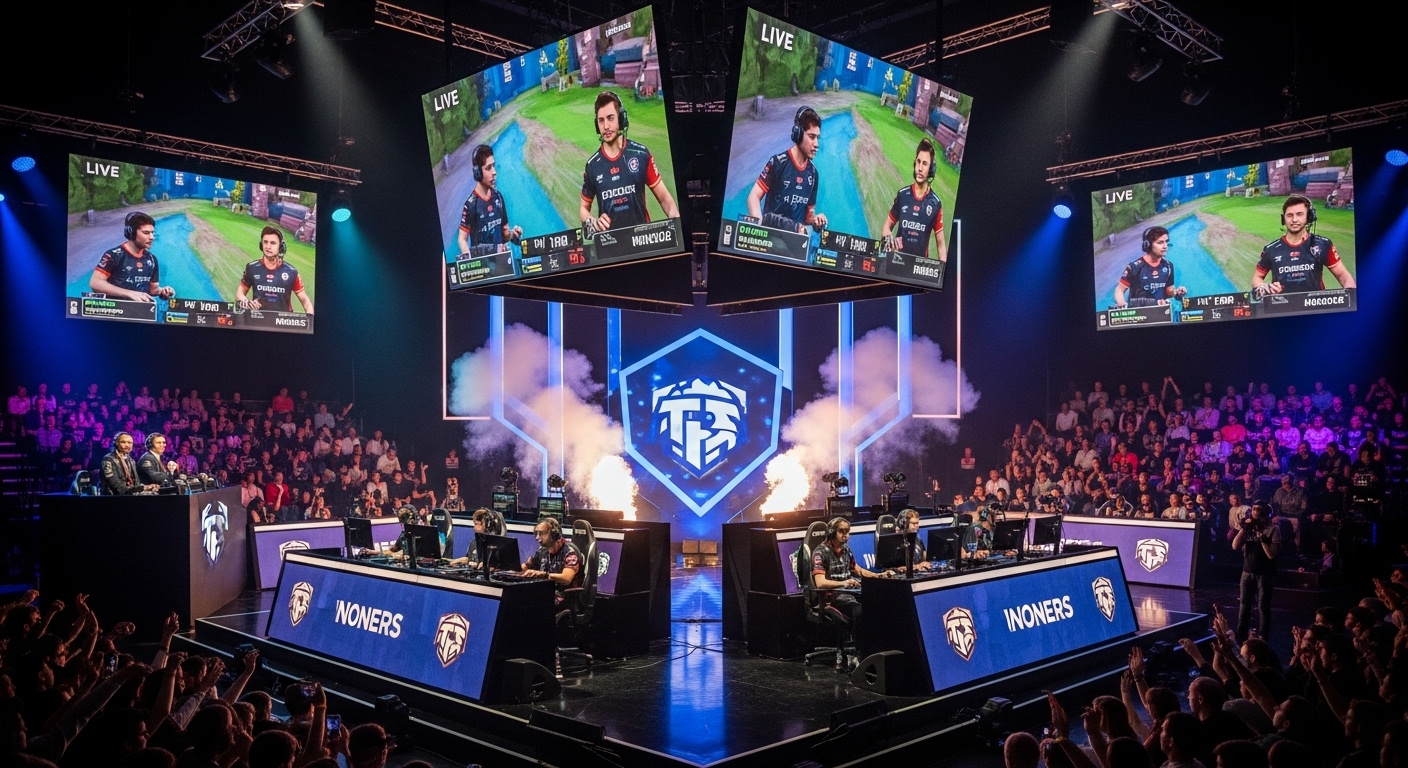
Esports is now one of the fastest-growing entertainment industries in the world. Millions of fans tune in daily to watch live tournaments, matches, and content from their favorite players. Events such as The International for Dota 2, the League of Legends World Championship, and the Fortnite World Cup attract millions of viewers and offer prize pools worth tens of millions of dollars. These massive tournaments are often held in sold-out stadiums, where thousands of spectators cheer for their favorite teams in an atmosphere filled with energy and anticipation.
The financial growth of Esports has been remarkable. Sponsorships, advertising, media rights, and merchandise sales have become key sources of revenue. Major brands from outside the gaming world, such as automobile companies, beverage brands, and tech giants, have invested heavily in Esports to reach younger, tech-savvy audiences. Additionally, universities and educational institutions have begun offering scholarships and courses focused on Esports management, game design, and broadcasting, further solidifying its position in mainstream culture.
Esports as a Career Path
The professional opportunities within Esports extend far beyond playing games. While professional players remain the most visible figures, the industry has opened doors for coaches, analysts, commentators, broadcasters, event organizers, marketers, and game developers. Becoming an Esports professional requires dedication, discipline, and practice similar to that of traditional athletes. Players often train for long hours each day to refine their skills, develop strategies, and maintain peak performance.
Esports organizations operate much like traditional sports teams. They have management structures, sponsorship deals, and brand partnerships. Players are signed under contracts, receive salaries, and often participate in boot camps and scrimmages. The competitive nature of Esports also demands mental and physical well-being. Many teams now employ fitness coaches, psychologists, and nutritionists to ensure players maintain a healthy lifestyle while managing the pressures of competition.
The Role of Streaming and Online Platforms
One of the biggest reasons behind the success of Esports is the rise of live-streaming platforms. Services like Twitch, YouTube Gaming, and various regional platforms have become the virtual stadiums of Esports. Fans from around the world can tune in to watch professional matches, follow their favorite players, and engage in real-time interactions through live chats.
Streaming has also provided individual players and content creators with an additional source of income and fame. Many professional players balance competitive play with streaming, creating a direct connection with their audience. The sense of community built through these platforms has made Esports more accessible than ever before. Unlike traditional sports, where fans may only see their favorite athletes on game day, Esports fans can watch and interact with their idols daily.
The Social Impact of Esports
Esports has created a unique global community that transcends borders, languages, and cultures. Gamers from different parts of the world unite under shared interests and values, forming friendships and collaborations that might not have been possible otherwise. This sense of belonging has made gaming more inclusive and has opened the door for diverse voices and talents.
Moreover, Esports has provided opportunities for people who might not fit into traditional sports environments. Players with physical disabilities, social anxieties, or other challenges can still compete and excel in Esports, proving that competition and teamwork are not limited by physical boundaries. The digital nature of Esports has also played a role in bridging cultural gaps and promoting understanding between different regions and communities.
Challenges in the Esports Industry
Despite its rapid growth, Esports faces several challenges. One major issue is player burnout. The intense schedule, long hours of practice, and constant travel can take a toll on mental and physical health. Many players retire at a young age due to the demanding lifestyle.
Another challenge is maintaining fair competition. Issues such as cheating, match-fixing, and the use of performance-enhancing tools have raised concerns about integrity within the industry. Game developers and tournament organizers are constantly working to implement anti-cheat systems and regulations to ensure fair play.
Monetization and financial stability are also concerns, especially for smaller teams and players who struggle to secure sponsorships or consistent income. While top-tier players earn substantial salaries, many others in lower tiers find it difficult to sustain a career in Esports.
Finally, the question of recognition remains. While Esports is rapidly gaining legitimacy, some still debate whether it should be considered a real sport. Critics argue that it lacks the physical demands of traditional sports, while supporters emphasize the strategic, mental, and skill-based aspects that make it comparable to chess or motorsports.
Esports and Education
The integration of Esports into education is a fascinating development. Many universities and high schools now offer Esports programs, scholarships, and competitive teams. These programs not only promote gaming as a competitive outlet but also teach valuable skills such as teamwork, communication, leadership, and strategic thinking.
Students involved in Esports learn how to manage pressure, analyze data, and collaborate effectively—skills that are transferable to many professional fields. In addition, Esports clubs and programs help students find communities that share their interests, creating a sense of belonging and motivation.
The Global Reach of Esports
Esports is not confined to a single country or region—it is truly a global phenomenon. Asia, particularly South Korea and China, has long been at the forefront of competitive gaming. South Korea is often regarded as the birthplace of modern Esports, thanks to its early adoption of professional leagues and dedicated gaming infrastructure. China boasts massive tournaments and some of the largest Esports fanbases in the world.
North America and Europe have also become major hubs, with established leagues, franchises, and international competitions. Meanwhile, regions like the Middle East, South America, and Africa are emerging as new markets with growing interest and investment in competitive gaming. The global nature of Esports ensures that talent can come from anywhere, making it one of the most inclusive and dynamic entertainment industries.
The Role of Technology in Esports Advancement
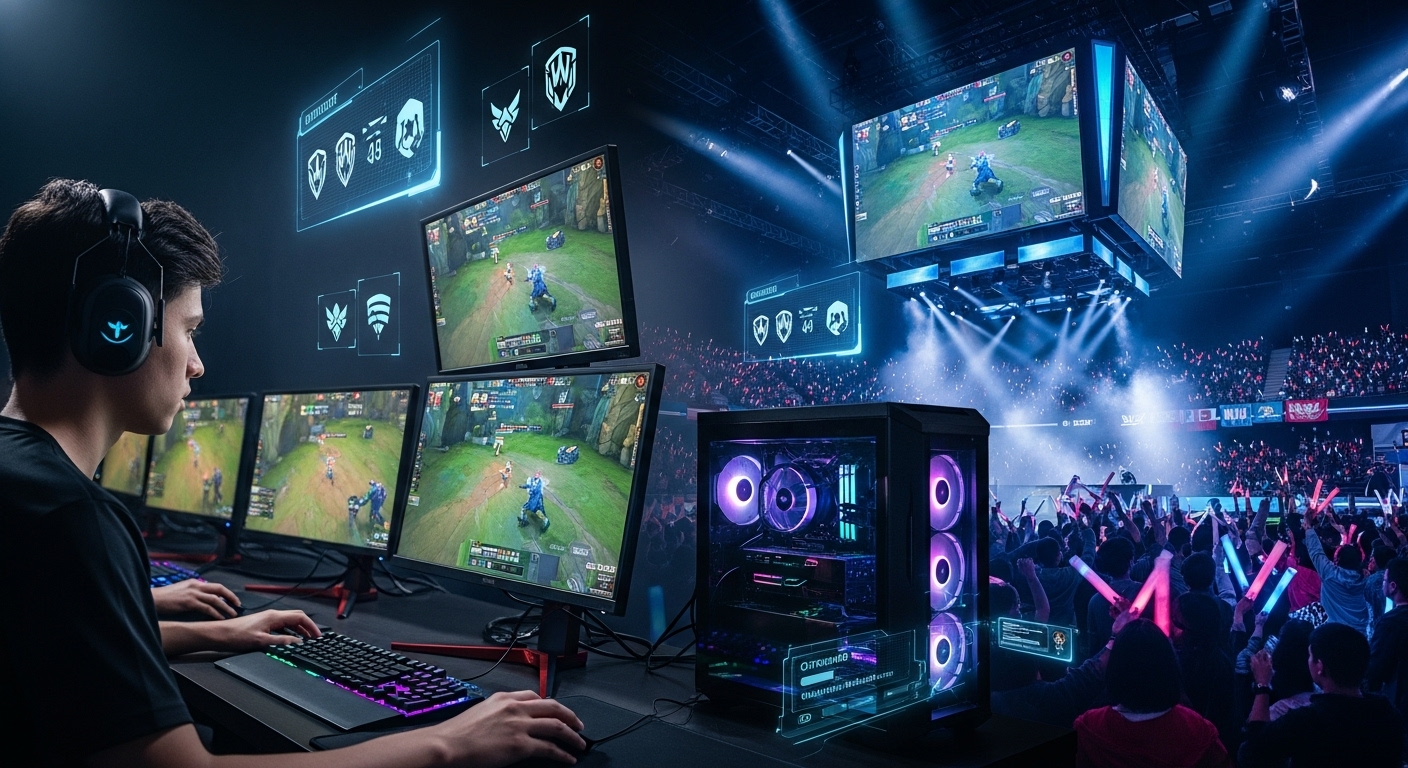
Technological progress has been central to the rise of Esports. High-speed internet, powerful gaming hardware, and advanced software have allowed players to compete in real-time across continents. The development of virtual reality (VR), augmented reality (AR), and artificial intelligence (AI) is further expanding the possibilities for competitive gaming experiences.
Innovations in broadcasting technology have also revolutionized how fans engage with Esports. Multi-angle viewing, instant replays, virtual overlays, and interactive analytics make watching tournaments as thrilling as participating in them. These innovations help viewers understand gameplay strategies, player performance, and real-time statistics, creating a more immersive experience.
The Cultural Influence of Esports
Esports has become a significant part of modern culture, influencing fashion, music, and entertainment. Many professional gamers have achieved celebrity status, appearing in advertisements, music videos, and mainstream media. Esports-themed merchandise, from jerseys to collectibles, has become a symbol of identity for fans.
Furthermore, Esports has contributed to the normalization of gaming in society. Where once gaming was considered a niche hobby, it is now recognized as a legitimate form of entertainment and even a potential career path. The rise of gaming cafes, Esports bars, and fan conventions has made gaming a shared social experience.
Women and Diversity in Esports
One of the most promising developments in recent years has been the increasing participation of women and underrepresented groups in Esports. Female gamers are making their mark both as players and as influential figures in broadcasting, coaching, and management. While gender disparities still exist, organizations and communities are actively working toward inclusivity and equality.
Initiatives that encourage women in gaming, promote safe environments, and highlight female talent are essential for the future of Esports. Diversity enriches the competitive landscape by introducing new perspectives and talents, making the community more dynamic and representative of global gaming culture.
The Future of Esports
The future of Esports looks incredibly bright. As technology continues to evolve and global interest grows, Esports is expected to become even more integrated into mainstream entertainment. Virtual reality Esports, mobile gaming tournaments, and cross-platform competitions are likely to dominate the next decade.
The potential inclusion of Esports in future Olympic events has also sparked debate and excitement. If this happens, it would mark a monumental step in the recognition of Esports as a legitimate athletic discipline. Additionally, as streaming technology becomes more sophisticated, fans will be able to experience Esports in ways that are more interactive and personalized.
Moreover, the younger generation’s passion for gaming ensures that Esports will continue to thrive. As more young people pursue careers in gaming, broadcasting, and game development, the industry will continue to expand its reach and influence. The collaboration between game developers, sponsors, educators, and governments will play a vital role in shaping the next phase of Esports growth.
Conclusion
Esports is more than just playing video games—it is a dynamic, global industry that combines skill, strategy, technology, and entertainment. It represents the evolution of competition in the digital age, where millions of fans come together to celebrate the passion, creativity, and teamwork that define modern gaming.
From humble beginnings in arcade halls to massive international tournaments watched by millions, Esports has proven that it is here to stay. It has redefined what it means to be an athlete, a fan, and a community member in the 21st century. As the world continues to embrace digital transformation, Esports stands at the forefront of this revolution, uniting players and fans across the globe in one of the most exciting movements of modern times.