Esports, once regarded as a niche hobby, has evolved into one of the fastest-growing entertainment industries in the world. Competitive gaming now fills stadiums, attracts millions of viewers, and generates revenue comparable to traditional sports. What was once a casual pastime has transformed into a powerful, professional arena filled with skilled players, dedicated fans, and global recognition. In this blog, we explore the journey of esports, its cultural impact, the rise of professional players, and the future of this rapidly expanding field.
Understanding Esports as Modern Competition
Esports refers to organized, competitive video gaming. Players and teams face off in various games that test strategy, skill, teamwork, and mental agility. Much like traditional sports, esports includes leagues, tournaments, coaches, analysts, and a supportive fan base. What sets esports apart is its digital nature, enabling global participation without the limitations of physical location.
While competitive gaming existed long before the term esports became popular, the last decade has seen extraordinary growth. Advancements in technology, high-speed internet, and streaming platforms have allowed millions of fans to watch competitions live, creating a vibrant global community.
The Evolution of Esports from Casual Play to Global Recognition
Esports began with friendly competitions among arcade players and local gaming groups. As home computers and gaming consoles became more popular, online gaming opened opportunities for wider competition. Early tournaments were small and often organized by enthusiasts rather than formal organizations.
As interest grew, developers began creating games with competitive play in mind. Esports took shape as tournaments became more structured, prize pools increased, and professional organizations formed. Today, esports boasts major tournaments with massive audiences and significant rewards, showcasing just how far the industry has come.
The Games That Shaped Competitive Gaming
Certain titles have played major roles in growing the esports industry. Games designed with competitive elements and strategic depth helped attract both skilled players and enthusiastic spectators. These games often require quick thinking, teamwork, and mastery of complex mechanics.
Different genres contribute to the esports ecosystem, including strategy games, shooters, battle arenas, sports simulations, and fighting games. Each genre appeals to different audiences, creating a diverse and inclusive environment. These games foster dedicated communities where players develop their talents and compete at increasingly higher levels.
The Professional World of Esports Athletes
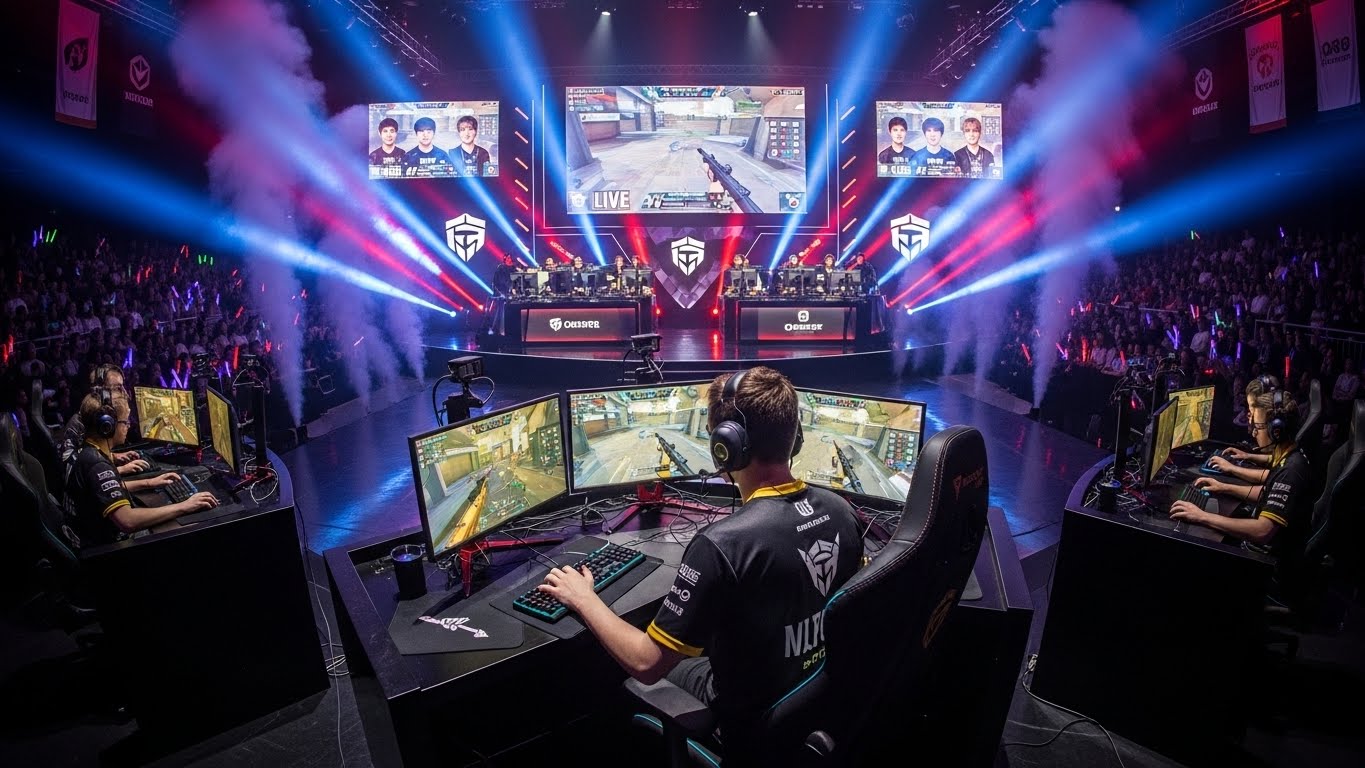
Professional esports athletes are far more than casual gamers. They train rigorously, often spending hours each day practicing, analyzing gameplay, and studying opponents. Teams employ coaches, strategists, and analysts to improve performance, much like traditional sports organizations. The commitment required to succeed is immense and involves mental strength, discipline, and skill.
Many professional players begin competing at a young age, developing reflexes and game knowledge over time. Esports careers can be demanding, with intense competition and limited career spans. Nonetheless, the passion for the game drives players to continue striving for excellence, earning recognition and respect from fans around the world.
The Role of Technology in Driving Esports Growth
Technology has been one of the most influential factors in the rise of esports. Improvements in internet connectivity, faster processors, and high-quality graphics have enhanced both playing and viewing experiences. The digital nature of esports allows it to reach audiences worldwide, removing geographical barriers that limit traditional sports.
Online streaming platforms have also played a significant role. Fans can watch matches live, follow their favorite teams and players, and engage with content anytime. This accessibility has helped esports gain mainstream attention and attract fans who might not have previously considered gaming a form of entertainment.
The Global Community of Esports Fans
One of the most remarkable aspects of esports is the strength of its global fan community. Fans do more than watch matches; they engage in discussions, follow their favorite players, and participate in events. Esports has created an international network of people who share a love for competitive gaming, regardless of language or culture.
Large tournaments often generate intense excitement, with fans cheering passionately for their teams. Community engagement through forums, events, and social platforms strengthens the bond between fans and the esports scene. This sense of belonging is one of the driving forces behind the ongoing growth of competitive gaming.
Esports Organizations and Their Influence
Esports organizations play a crucial role in shaping the competitive landscape. These organizations recruit players, provide training facilities, manage sponsorships, and create structured environments that help athletes perform at their best. Many organizations have become recognizable brands, contributing significantly to the professionalism of esports.
These organizations also work behind the scenes to manage logistics, promote tournaments, and establish standards for fair competition. The collaboration between developers, tournament organizers, and team organizations creates a stable ecosystem that allows esports to flourish.
The Expansion of Esports Events and Tournaments
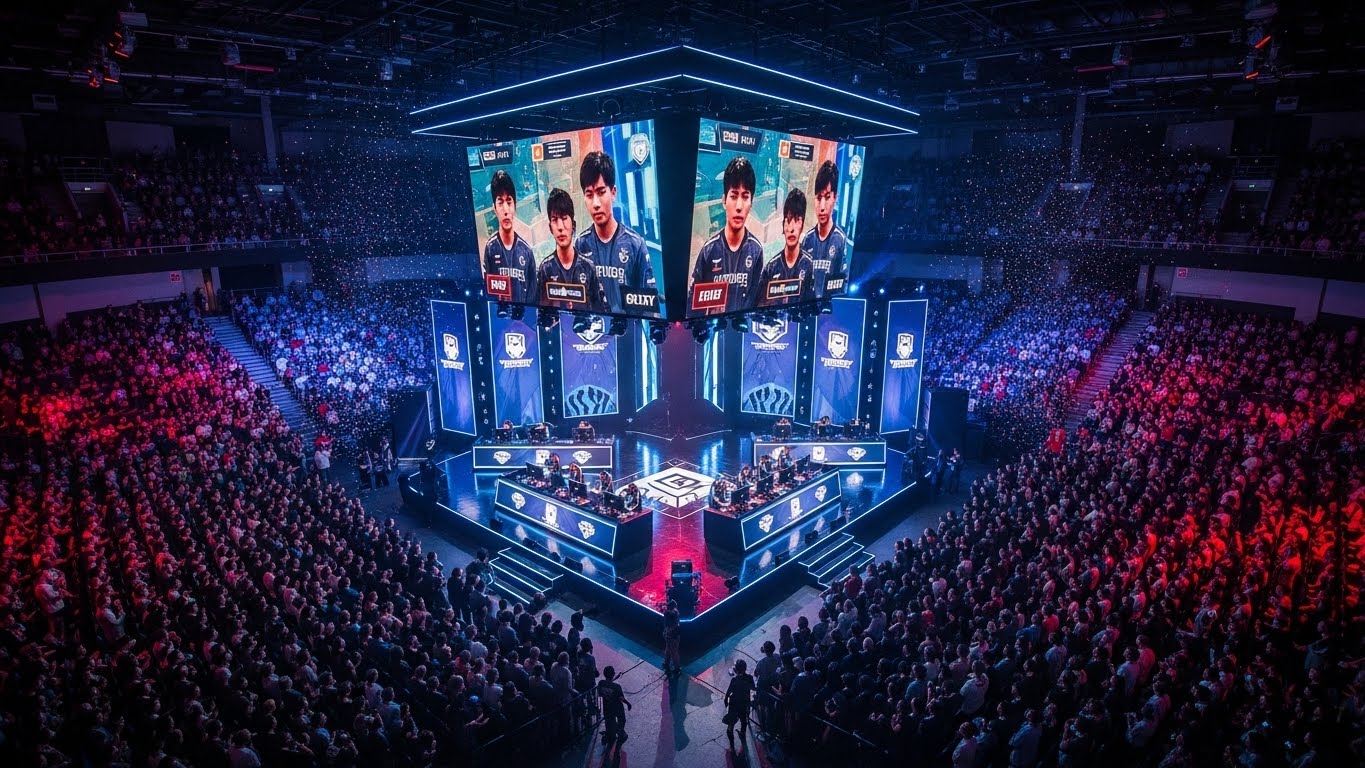
Esports tournaments have grown significantly in scale and prestige. Major events attract huge audiences and often feature elaborate stages, professional commentary, and high production value. These events showcase the excitement and tension of competitive gaming, drawing both dedicated fans and newcomers.
Tournaments vary widely in format. Some feature open qualifiers, allowing anyone to compete, while others invite top players and teams based on performance. The diversity of tournament structures provides opportunities for players at different skill levels to participate and showcase their abilities.
The Economic Impact of Esports
Esports has become a multi-billion-dollar industry with significant economic influence. Revenue comes from sponsorships, advertising, merchandise, media rights, tickets, and player earnings. Companies across various sectors have recognized esports as a valuable market, leading to increased investment and partnerships.
This financial growth has created new career paths, not only for players but also for coaches, commentators, analysts, content creators, event organizers, and marketing professionals. The industry’s expansion continues to generate employment opportunities and contribute to local economies through events and infrastructure development.
Esports in Education and Career Development
Educational institutions are increasingly embracing esports, recognizing its ability to develop skills such as teamwork, strategic thinking, and communication. Many schools and universities now offer esports programs, scholarships, and organized competitions. These programs provide pathways for young players to pursue competitive gaming while balancing academics.
Esports also teaches valuable life skills, including discipline, leadership, and time management. These skills are transferable to various professions, making esports not only an entertainment medium but also a tool for personal development.
The Cultural Influence of Esports
Esports has had a profound cultural impact, shaping trends in fashion, music, entertainment, and lifestyle. Players become cultural icons, influencing millions through their personalities, gameplay, and public appearances. Competitive gaming has inspired films, series, documentaries, and content that explores the lives of players and the world of gaming.
Esports has also helped challenge outdated stereotypes about gaming. It highlights the dedication, intelligence, and talent required to compete at high levels, showing that gaming can be a serious and respected endeavor. This cultural shift has encouraged broader acceptance of esports as a legitimate form of sport and entertainment.
Mental and Physical Challenges in Esports
Though esports may not require the same physical strain as traditional sports, players face demanding mental and physical challenges. Intense focus, fast reflexes, and continuous practice can lead to burnout, stress, and fatigue. Many players incorporate physical training, mental coaching, and balanced routines to stay in peak condition.
The industry has become more aware of the importance of player health, leading to better support systems, wellness programs, and awareness initiatives. Maintaining a healthy lifestyle is essential for long-term success in esports, just as it is in any professional sport.
The Future of Esports in a Digital World
The future of esports is filled with potential. Emerging technologies such as virtual reality, augmented reality, and advanced artificial intelligence could reshape competitive gaming. Improved interactivity, immersive experiences, and enhanced realism will attract even more players and viewers.
Esports is expected to continue expanding globally, reaching new audiences and integrating more deeply into mainstream culture. As developers innovate and fans remain engaged, the industry will evolve in exciting and unpredictable ways. The line between traditional sports and esports may increasingly blur, creating new opportunities for hybrid competitions and interactive experiences.
Why Esports Matters Today
Esports is more than a form of entertainment. It represents creativity, competition, and global connection. It brings together people of all ages and backgrounds, proving that digital spaces can foster community and teamwork. Esports encourages strategic thinking, celebrates skill, and showcases the power of determination and passion.
In a world where technology plays a central role, esports stands as a testament to the limitless possibilities of digital entertainment. It bridges gaps between cultures, offers opportunities for personal growth, and continues to push the boundaries of what competitive gaming can achieve.
Conclusion
Esports has risen from modest beginnings to become a global force that influences entertainment, culture, and technology. It has created new careers, connected millions of fans, and redefined what it means to compete professionally. Through innovation, passion, and community, esports has earned its place as a dynamic and respected part of modern life.
As the industry continues to evolve, esports will remain a powerful example of how digital experiences can inspire, entertain, and unite people across the world. Its journey is far from over, and the future promises even greater achievements and groundbreaking moments for players, fans, and the entire competitive gaming community.