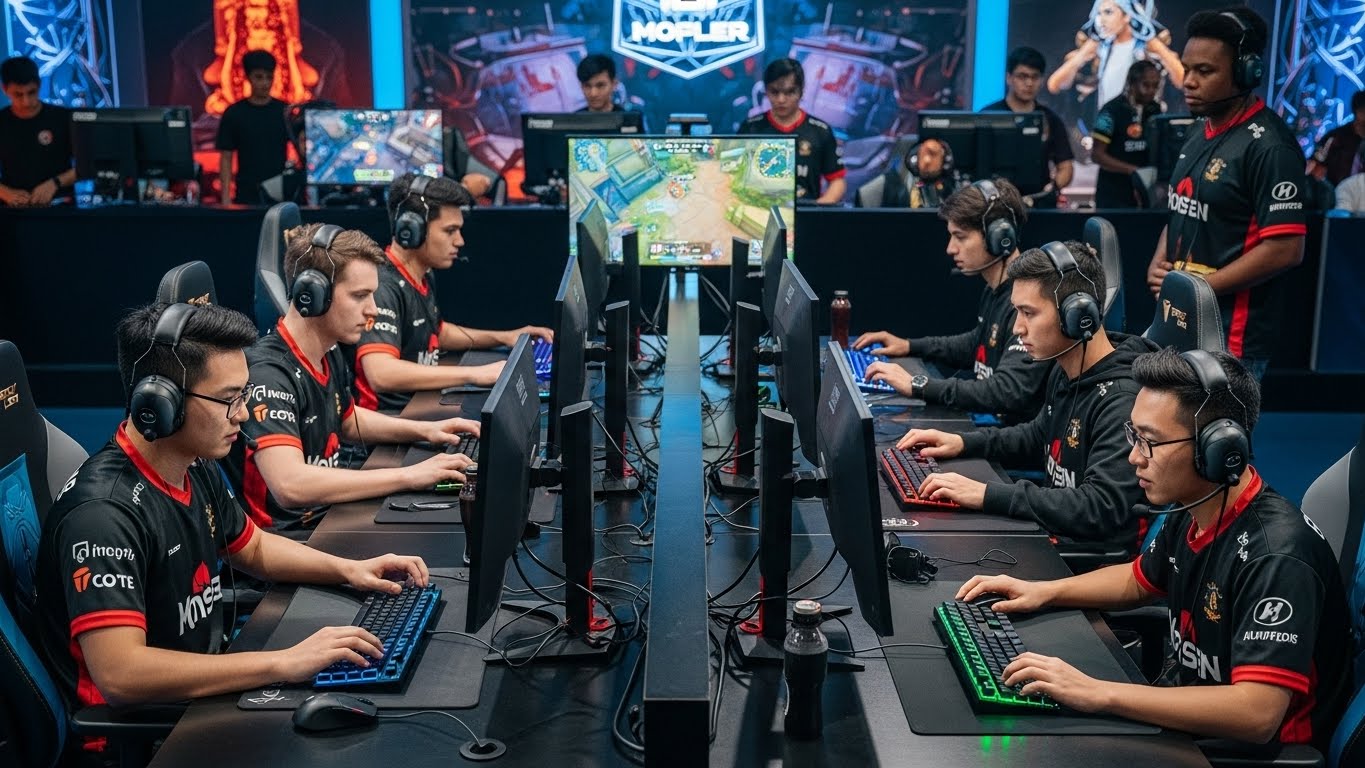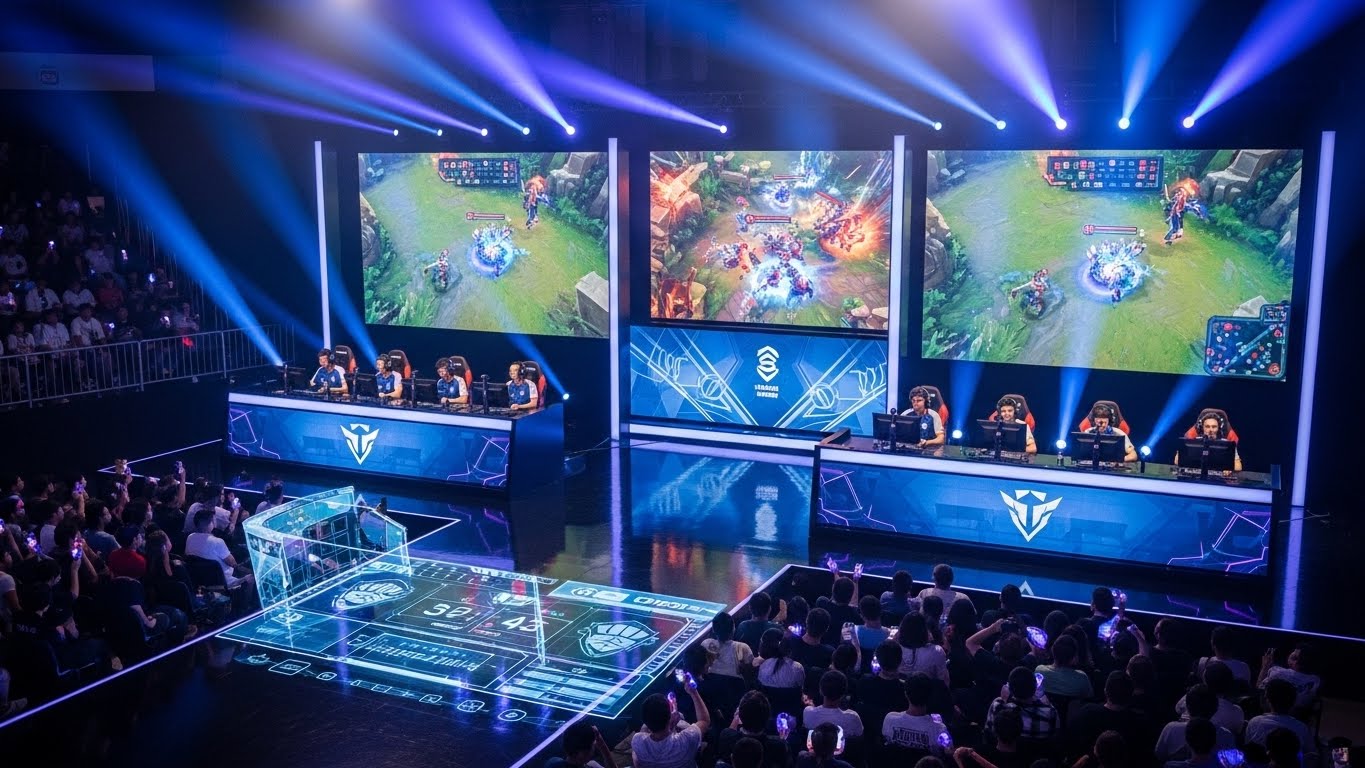
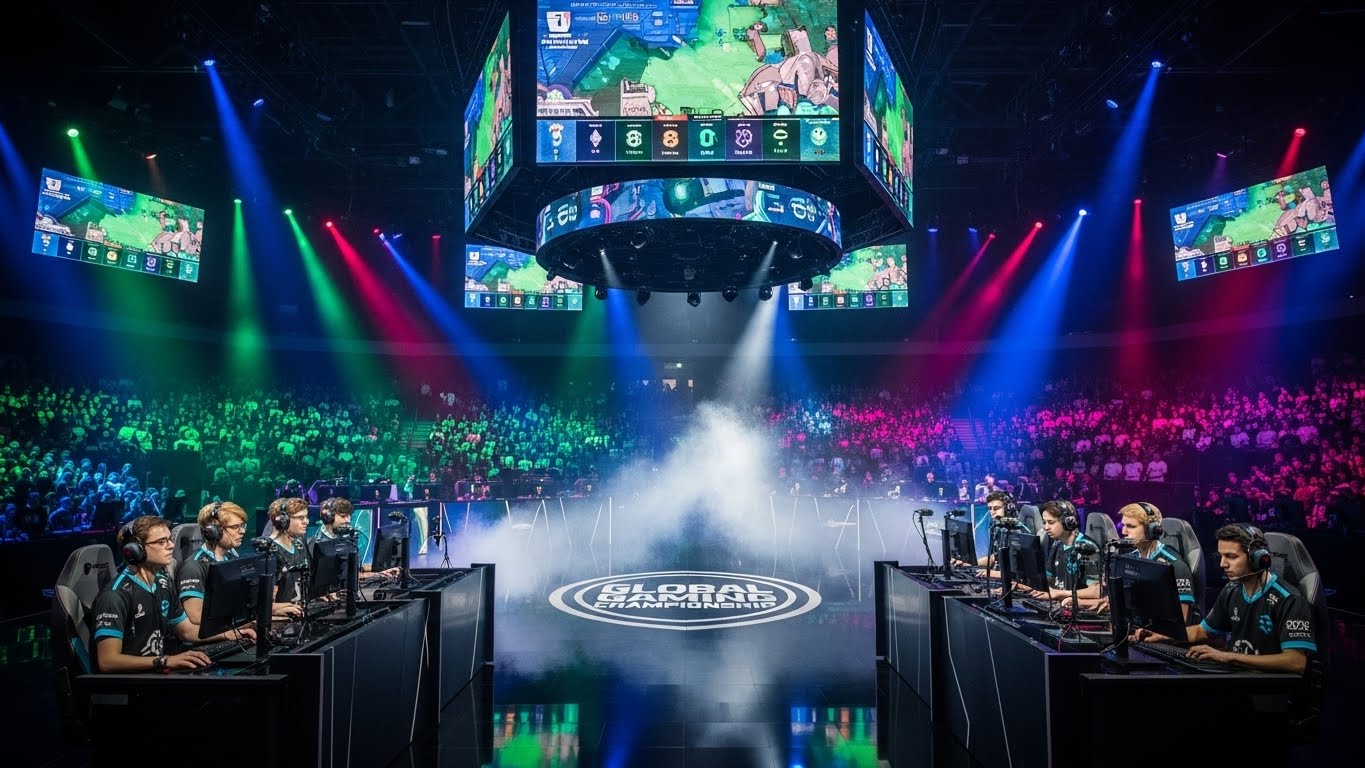
Esports, short for electronic sports, is no longer a niche hobby reserved for a small group of gaming enthusiasts. Over the past decade, esports has evolved into a massive global industry, attracting millions of players, viewers, and investors from all corners of the world. What was once considered a pastime for gamers has now become a mainstream entertainment powerhouse. This blog post will explore the history, growth, and impact of esports, along with a look at its future in the ever-changing digital landscape.
What is Esports?
At its core, esports is competitive video gaming. Just like traditional sports, esports involves professional players competing in tournaments, leagues, and championships. However, the medium for these competitions is digital, with players battling in popular multiplayer video games such as League of Legends, Dota 2, Counter-Strike: Global Offensive, Overwatch, and many others.
Esports can take various forms, ranging from solo player tournaments to team-based matches, and can include real-time strategy games, first-person shooters, battle royales, and sports simulations. Esports competitions are often broadcast live on platforms like Twitch, YouTube, or through dedicated TV channels, attracting millions of viewers from around the world. The scale and complexity of these events can rival those of traditional sports like football or basketball, with some tournaments even offering multi-million-dollar prize pools.
A Brief History of Esports
Esports has its roots in the early days of video gaming. While competitive gaming tournaments existed in the 1980s and 1990s, it wasn’t until the early 2000s that esports began to take shape as a professional industry. The development of high-speed internet and online multiplayer games was crucial in this transition. Games like StarCraft and Warcraft III allowed players from around the world to compete against each other in real time.
One of the first major milestones in esports was the establishment of the World Cyber Games (WCG) in 2000. The WCG was one of the first international gaming competitions, drawing players from multiple countries. During the same period, Blizzard Entertainment’s StarCraft became a cultural phenomenon in South Korea, where esports would gain its first foothold as a mainstream form of entertainment.
In the mid-2000s, platforms like Twitch (launched in 2011) allowed gamers to stream their gameplay to a global audience, leading to the rise of the “e-celebrities” who became popular for their gaming skills and personalities. This period marked the beginning of a new era in esports where viewers could watch live streams of tournaments, creating a more interactive and global community.
Esports Growth and the Boom of Streaming
Over the past decade, the esports industry has witnessed unprecedented growth. In 2019, the global esports market was valued at over $1 billion, and projections for 2025 suggest it could surpass $2 billion. The rise of platforms like Twitch and YouTube Gaming played a pivotal role in this growth, making it easier for players to gain a following and for fans to connect with their favorite streamers and teams.
Esports competitions now regularly fill stadiums, with millions of viewers tuning in online to watch the action unfold. The League of Legends World Championship, for example, draws in millions of viewers every year, with some tournaments breaking viewership records comparable to traditional sporting events. In addition, prize money in esports tournaments has skyrocketed, with major competitions offering multi-million-dollar purses.
The integration of esports into mainstream media is also a key factor in its growth. Broadcasting platforms like ESPN and traditional sports networks now feature esports events, showcasing the potential of esports to reach a wider audience. Corporate sponsorships from global brands such as Coca-Cola, Intel, and Red Bull have brought further legitimacy and visibility to the scene.
The Role of Professional Esports Teams
One of the key elements that sets esports apart from casual gaming is the emergence of professional esports organizations and teams. Just like in traditional sports, these teams sign players, offer training, and compete in various tournaments throughout the year. Some of the most successful esports teams, such as Team Liquid, Cloud9, Fnatic, and T1, have become household names in the gaming world.
These teams often have coaching staff, analysts, and other support personnel, similar to the structure of traditional sports teams. Players are required to practice rigorously, develop strategies, and work together as a unit to succeed in their respective games. The competitive nature of esports has led to the development of a professional ecosystem that includes not only the players but also the coaches, managers, streamers, and content creators.
Esports and the Global Community
One of the most exciting aspects of esports is its ability to unite people from all over the world. Esports competitions have an inherently global nature, with players from different countries and cultures competing against each other in online tournaments or LAN (local area network) events. This creates a truly international community of gamers and fans, breaking down cultural and geographical barriers.
The diverse nature of the esports community is also reflected in the growing number of female gamers and players from underrepresented groups entering the competitive scene. The industry has made strides in promoting diversity and inclusivity, though challenges remain, particularly when it comes to representation and equal opportunities.
Moreover, esports has become an important platform for social interaction. Through streaming, fans can watch live events, chat with their favorite streamers, and even interact with players in real-time. Esports communities often have dedicated fan bases that engage on social media platforms, create fan art, and cheer on their favorite teams. This sense of community has made esports more than just a form of entertainment; it has become a cultural movement in its own right.
Esports as a Career
One of the most significant developments in esports over the past few years is the emergence of esports as a legitimate career path. Professional esports players can earn substantial salaries through tournament winnings, sponsorships, and streaming revenue. Top-tier players in games like Dota 2 and Counter-Strike can make millions of dollars annually.
Esports has also created new job opportunities beyond just playing. As the industry has grown, so too have roles in areas such as event management, broadcasting, marketing, and content creation. Organizations are hiring talent scouts, analysts, and coaches to build successful teams. Many universities now offer scholarships for esports athletes, and specialized programs are emerging to help players transition from competitive gaming into careers in media, technology, and business.
In addition to professional players, many people have built careers as streamers or content creators. Platforms like Twitch allow gamers to stream their gameplay to a global audience, and successful streamers can make money through donations, subscriptions, and ad revenue. This shift in career opportunities has helped redefine what it means to be a “professional” in the gaming world.
The Future of Esports
As we look to the future, the growth of esports shows no signs of slowing down. The increasing popularity of mobile gaming, advancements in virtual reality (VR) and augmented reality (AR), and the potential for new gaming platforms to emerge will all shape the future of esports.
Mobile esports, in particular, has exploded in regions like Southeast Asia and India, where smartphones are the primary means of accessing the internet. Games like PUBG Mobile, Free Fire, and Mobile Legends have amassed millions of players and spectators, and mobile esports tournaments are now a regular feature on the global scene.
In the long term, esports could also become more integrated with traditional sports. We’ve already seen some hybrid events, where esports tournaments are held alongside physical sports competitions. In addition, the growing acceptance of esports in educational institutions and professional sports leagues suggests that esports will continue to find a place in mainstream society.
Conclusion
Esports has come a long way from its humble beginnings. What started as a subculture within the gaming community has transformed into a global industry with millions of fans, professional players, and major corporate sponsors. Today, esports is not just a form of entertainment but a cultural phenomenon that brings together people from diverse backgrounds and creates new opportunities for aspiring gamers and professionals.
As technology continues to advance and new gaming experiences emerge, esports will continue to evolve. Whether you’re a casual viewer, a die-hard fan, or a professional player, there’s no denying that esports has cemented its place as one of the most exciting and dynamic industries in the world of entertainment. The future of esports is bright, and we can expect to see even greater innovations and milestones in the years to come.