Introduction: The Evolution of Competitive Gaming
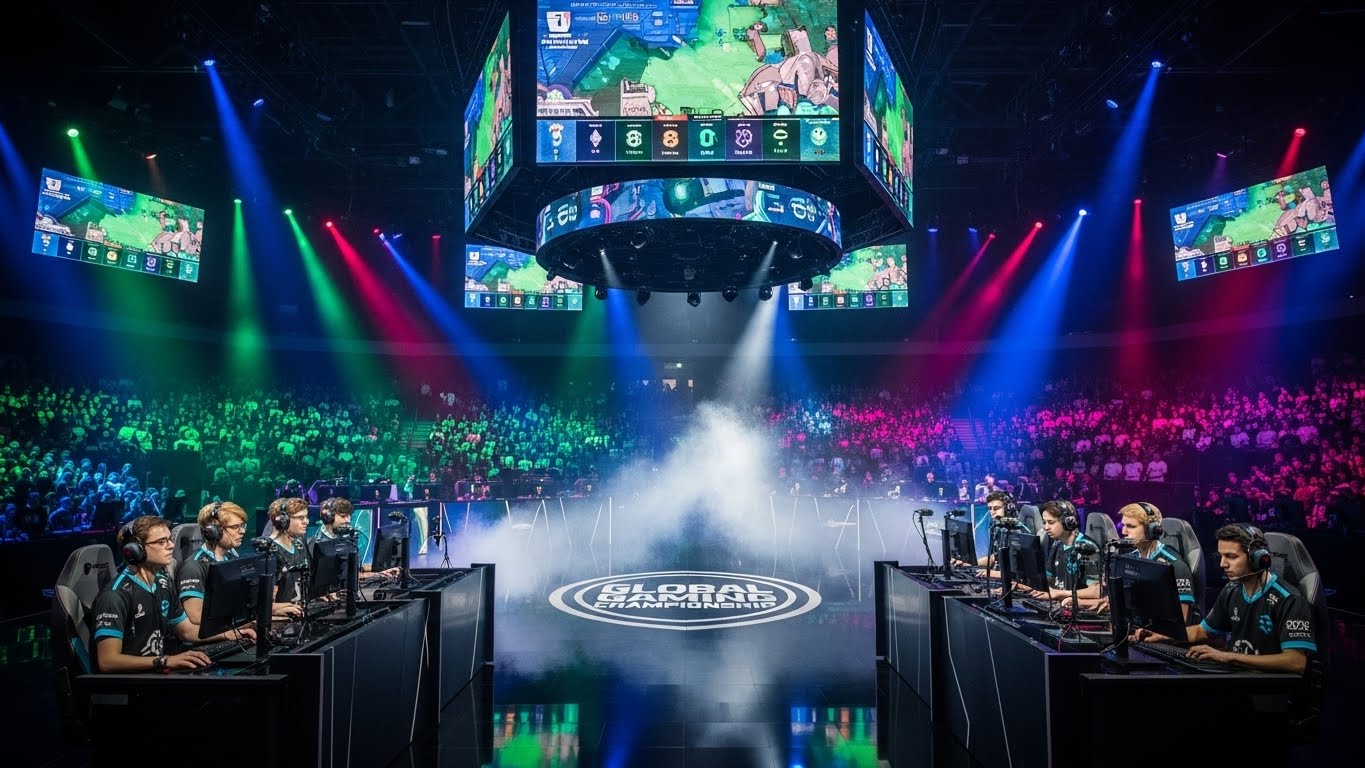
Over the past two decades, the world has witnessed an extraordinary transformation in how people view video games. What was once dismissed as a mere pastime for teenagers has evolved into a billion-dollar global industry known as Esports — short for electronic sports. Esports refers to organized, competitive gaming, often played in front of massive audiences both online and in arenas that rival traditional sports stadiums in scale and excitement.
The journey of Esports from small local competitions to international tournaments with professional players, sponsors, and celebrity status is nothing short of remarkable. It is a story of technology, community, and cultural evolution. Today, Esports not only entertains millions but also redefines the boundaries between sports, media, and entertainment.
The Early Days: Seeds of a Revolution
The origins of Esports can be traced back to the 1970s and 1980s when video gaming itself was in its infancy. The first known video game competition took place in 1972 at Stanford University, where students competed in the game Spacewar! for a prize of a year’s subscription to a magazine. While it may seem insignificant today, this small event marked the beginning of something much larger.
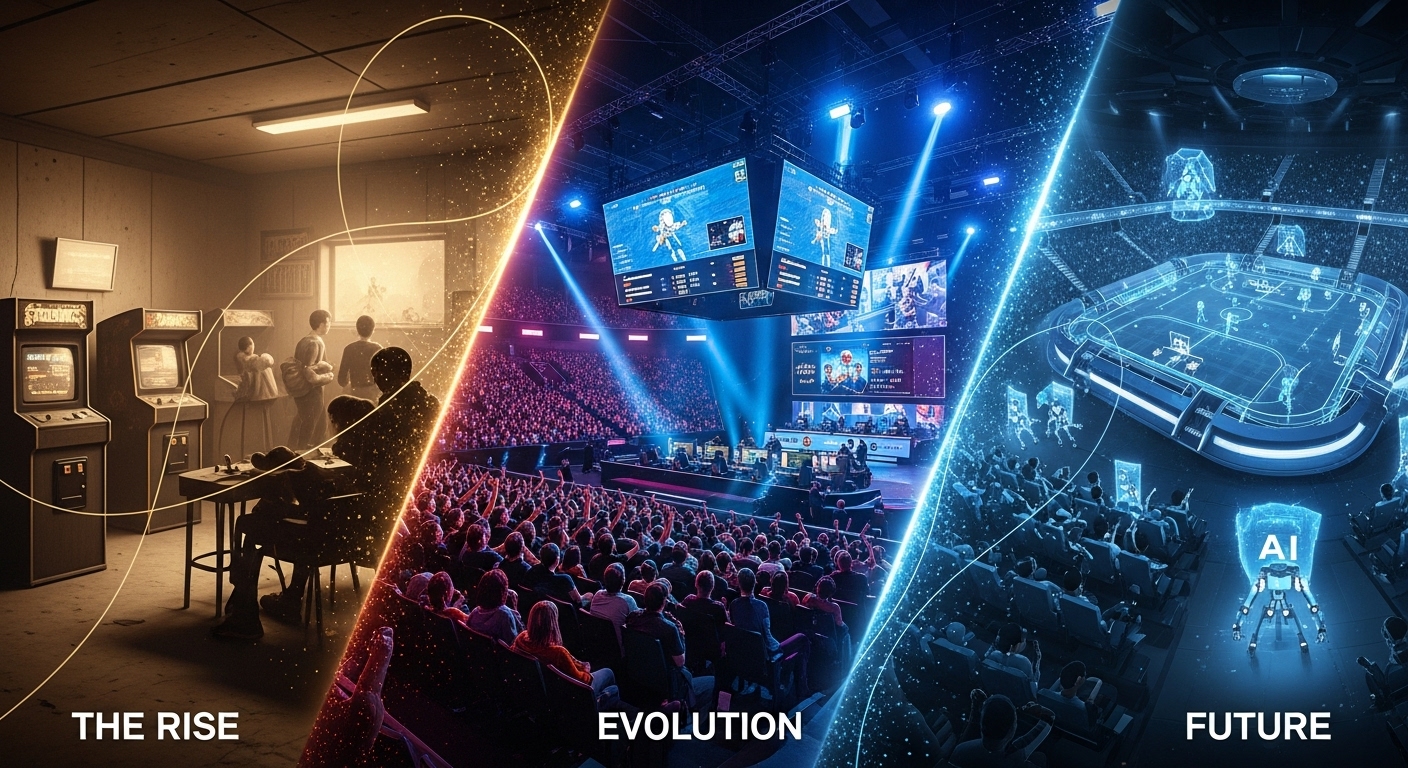
By the 1980s, arcades had become a cultural phenomenon. Games like Pac-Man, Donkey Kong, and Space Invaders drew crowds of eager players trying to beat high scores. The competitive spirit was there, even if the term “Esports” didn’t exist yet. In 1980, Atari hosted the Space Invaders Championship, which attracted more than 10,000 participants across the United States. It was the first large-scale gaming tournament and proved that organized gaming had mass appeal.
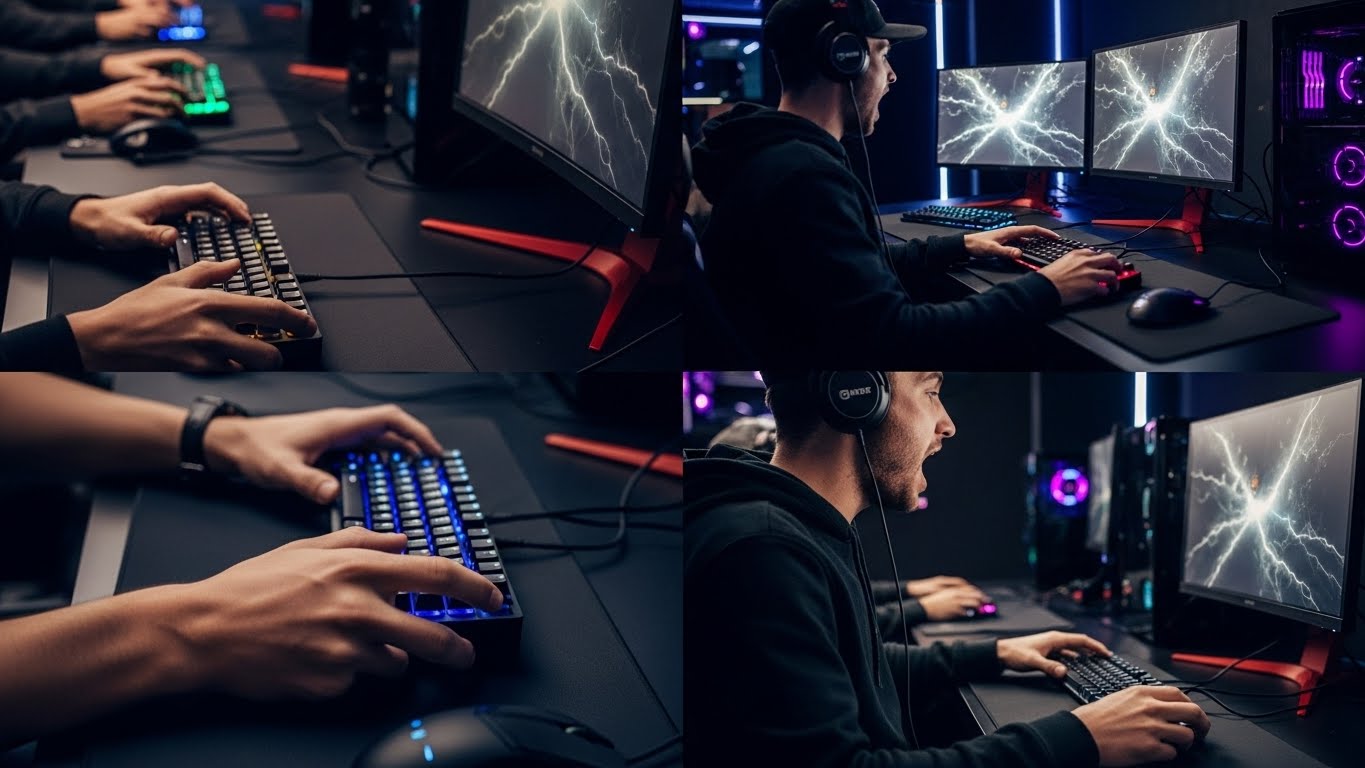
As personal computers and home consoles became more accessible in the 1990s, multiplayer gaming took a new form. Local area network (LAN) parties allowed players to connect their computers and compete face-to-face. Games like Doom, Quake, and StarCraft turned ordinary players into fierce competitors. For many, these gatherings were the heart of early Esports — a mix of camaraderie, rivalry, and passion.
The Internet Era: Building the Foundation
The late 1990s and early 2000s were pivotal years for the growth of Esports. The spread of high-speed internet made online gaming possible on a global scale. Players no longer had to be in the same room or even the same country to compete. This connectivity created opportunities for organized leagues and international competitions.
Titles like Counter-Strike, Warcraft III, and StarCraft: Brood War became staples of competitive gaming. South Korea, in particular, emerged as the first true Esports powerhouse. The government and private sector invested heavily in gaming infrastructure, and StarCraft became a national sensation. Professional players were treated like celebrities, complete with sponsorship deals, fan clubs, and televised matches. This model of organized, professional gaming laid the foundation for the global Esports ecosystem that would soon follow.
The 2000s: Professionalization and Global Expansion
The 2000s marked the true professionalization of Esports. Dedicated organizations, teams, and leagues began forming, and prize pools grew exponentially. Major tournaments like the World Cyber Games (WCG), Electronic Sports World Cup (ESWC), and Major League Gaming (MLG) became annual fixtures that attracted players from around the globe.
During this time, the gaming industry itself was booming. Developers recognized the potential of competitive play to promote their games and build loyal communities. Games such as Halo 2, Call of Duty 4, Warcraft III, and Counter-Strike: Source dominated the competitive scene. The introduction of streaming platforms and early online broadcasting systems began to connect fans directly to live events, though still in a relatively primitive form compared to today.
Another key milestone of this era was the creation of the Esports athlete — individuals who trained, strategized, and competed for a living. Teams had coaches, analysts, and sponsors, much like traditional sports. Training houses became common, especially in South Korea and China, where teams lived together to practice daily. The culture of professionalism and discipline began to take hold.
The Streaming Revolution: The Role of Technology
No single technological development transformed Esports more profoundly than the rise of live streaming. Platforms like Twitch, YouTube Gaming, and Facebook Gaming made it possible for millions of fans to watch live matches and interact with players in real time. This shift turned Esports into a form of mass entertainment.
Streaming broke down barriers between players and audiences. It allowed amateur gamers to build personal brands, connect with fans, and even transition into professional play. The accessibility of streaming also gave rise to influencers and commentators who could analyze games and build loyal followings.
Suddenly, watching Esports became as normal as watching football or basketball. Events like The International (for Dota 2), League of Legends World Championship, and CS:GO Majors began to fill stadiums and draw millions of online viewers. The 2018 League of Legends World Championship, for example, attracted more than 100 million viewers — numbers comparable to the Super Bowl.
The Economic Impact: A Billion-Dollar Industry
The financial growth of Esports has been staggering. In less than two decades, Esports evolved from small community tournaments to a global industry worth billions of dollars. Revenue streams include sponsorships, media rights, advertising, merchandise, and ticket sales. Major brands like Coca-Cola, Intel, Red Bull, and Nike have all invested heavily in Esports marketing.
Prize pools have reached unprecedented levels. Dota 2’s The International regularly features prize funds exceeding 30 million dollars, largely crowdfunded by the game’s community. Top players earn salaries, bonuses, and endorsement deals that rival traditional athletes.
Furthermore, universities and colleges around the world now offer Esports scholarships and degree programs. Academic institutions recognize the potential of Esports as a legitimate career path, encompassing not only players but also event managers, broadcasters, analysts, and marketers.
Esports Titles: Games That Define the Era
Esports isn’t defined by a single game but by a collection of titles that dominate different genres. Each has contributed uniquely to the culture and growth of competitive gaming.
1. Multiplayer Online Battle Arenas (MOBAs)
Games like League of Legends (LoL) and Dota 2 are at the heart of Esports. These games require deep strategic thinking, teamwork, and precise execution. Teams of five compete to destroy the opposing team’s base, combining individual skill with collective coordination. Their tournaments are among the most-watched events in Esports history.
2. First-Person Shooters (FPS)
Counter-Strike: Global Offensive (CS:GO), Overwatch, and Call of Duty dominate the FPS scene. These games test reflexes, tactical thinking, and teamwork. They’ve built dedicated fan bases and established long-running professional leagues.
3. Battle Royale Games
The late 2010s saw the explosion of games like Fortnite, PUBG, and Apex Legends. Their massive player counts and unpredictable matches captivated both casual gamers and Esports enthusiasts. Fortnite, in particular, blurred the lines between gaming and pop culture with celebrity appearances and in-game events.
4. Fighting Games
Franchises such as Street Fighter, Super Smash Bros., and Tekken have thriving Esports communities. The EVO Championship Series remains one of the most prestigious fighting game tournaments, celebrating decades of competitive gaming heritage.
5. Sports Simulation and Racing Games
Titles like FIFA, NBA 2K, and Rocket League offer competitive experiences that mirror traditional sports. These games have helped bridge the gap between Esports and mainstream athletic competitions, drawing in fans who might not otherwise follow gaming.
The Culture of Esports: Community and Identity
Beyond competition, Esports has fostered a vibrant global culture. It brings together players, fans, artists, and creators who share a passion for gaming. Online communities discuss strategies, share fan art, and organize grassroots tournaments. The culture thrives on inclusivity and creativity.
The rise of gaming conventions and fan events, such as BlizzCon and DreamHack, has given fans opportunities to connect in person. These gatherings are not just about competition but also about celebrating shared enthusiasm. Esports has also become an essential part of youth culture, influencing fashion, music, and social trends.
For many, Esports represents empowerment. It gives individuals the chance to showcase talent and creativity regardless of background, nationality, or physical ability. The digital nature of gaming makes it one of the most accessible competitive fields in the world.
Challenges Facing Esports
Despite its rapid growth, Esports faces several significant challenges that could shape its future trajectory.
1. Player Burnout
Professional gamers often face grueling schedules, practicing for 10 to 12 hours daily. The pressure to perform, combined with limited career longevity, can lead to burnout and mental health issues. Organizations are now beginning to prioritize player well-being by incorporating wellness programs and balanced training routines.
2. Financial Sustainability
While top-tier teams and tournaments thrive, smaller organizations struggle to maintain financial stability. The industry relies heavily on sponsorships and media rights, which can fluctuate with market trends. Developing long-term sustainability models remains a key goal.
3. Governance and Regulation
Esports lacks a centralized governing body, leading to inconsistencies in rules, player contracts, and disciplinary actions. Efforts to establish unified standards are ongoing, but the global and digital nature of Esports makes regulation complex.
4. Diversity and Inclusion
Although gaming is for everyone, Esports still faces challenges regarding gender diversity and inclusion. Female and non-binary gamers often experience harassment and underrepresentation. However, initiatives and tournaments dedicated to promoting inclusivity are gaining traction worldwide.
5. Cheating and Integrity
As in any competitive field, maintaining integrity is vital. Issues such as cheating, match-fixing, and performance-enhancing software have occasionally marred Esports. Developers and organizers are investing in advanced anti-cheat systems and stricter oversight to ensure fair play.
The Role of Media and Entertainment
Esports is no longer confined to niche online audiences. Mainstream media networks now broadcast tournaments, and major streaming services offer exclusive Esports content. Documentaries and films exploring player lifestyles and tournament drama have brought new fans into the fold.
Collaborations between Esports and entertainment industries have blurred the boundaries even further. Celebrities, musicians, and athletes invest in Esports teams or participate in gaming events. Music performances during tournaments, like the virtual concerts seen in Fortnite, exemplify how gaming is reshaping entertainment itself.
Esports commentary and storytelling have also matured. Analysts and casters provide real-time insights, much like traditional sports commentators, adding depth and excitement to matches. The media presentation of Esports is now professional, polished, and globally accessible.
The Globalization of Esports
Esports knows no borders. Major tournaments feature players from every continent, and fans from every corner of the globe tune in to watch. Asia remains the epicenter of Esports dominance, particularly South Korea and China, but North America and Europe have developed strong competitive infrastructures.
Countries like Brazil, Vietnam, and India are emerging as new Esports hubs due to improving internet access and a growing youth population. Governments in several nations recognize Esports as an official sport, providing funding, regulation, and career pathways.
Language barriers are breaking down as translation technologies and multilingual broadcasts make tournaments accessible worldwide. This global unity underlines one of Esports’ most profound achievements — connecting humanity through shared digital competition.
Education and Career Opportunities in Esports
Esports has opened up countless career opportunities beyond professional play. The industry now encompasses a vast ecosystem of roles, including:
- Event Management: Organizing large-scale tournaments and live productions.
- Broadcasting and Commentary: Delivering live analysis and entertainment.
- Coaching and Analytics: Training teams and developing competitive strategies.
- Marketing and Sponsorship: Managing brand partnerships and promotions.
- Game Design and Development: Building the next generation of Esports titles.
- Health and Performance Science: Supporting players with physical and mental wellness programs.
Academic institutions around the world have recognized these opportunities. Universities offer degrees in Esports management, game design, and even psychology tailored to competitive gaming. Scholarships for talented players encourage education alongside competition, blending academic and athletic excellence.
The Future of Esports: What Lies Ahead
As Esports continues to mature, the future looks incredibly promising. Emerging technologies such as virtual reality (VR), augmented reality (AR), and artificial intelligence (AI) are set to revolutionize the gaming experience. These innovations could lead to new competitive formats that blend physical and digital worlds.
The integration of Esports into the Olympic movement has also become a serious topic of discussion. While debates continue about whether Esports should be considered a traditional sport, the inclusion of Esports-related events in international competitions shows growing recognition.
Moreover, the next generation of gamers is growing up in a world where Esports is mainstream. With mobile gaming expanding access and 5G networks enabling seamless connectivity, the global Esports audience is expected to surpass half a billion people within a few years.
Esports is not a fleeting trend — it is a cultural and economic force that continues to redefine entertainment and human connection in the digital age.
Conclusion: A New Era of Competition
From humble beginnings in university labs and arcades to sold-out arenas and global audiences, the journey of Esports is a testament to the power of technology, passion, and community. It represents more than just gaming; it symbolizes a new way of thinking about sports, competition, and digital culture.
Esports is not merely a pastime — it is a profession, a spectacle, and a bridge between generations. It unites people across continents, languages, and lifestyles under one universal principle: the thrill of competition and the joy of play.
As we look to the future, Esports will continue to evolve, inspiring millions and proving that the virtual world can be just as thrilling, challenging, and meaningful as the physical one. The rise of Esports is not just a story about games; it is a story about humanity’s endless drive to connect, compete, and create.