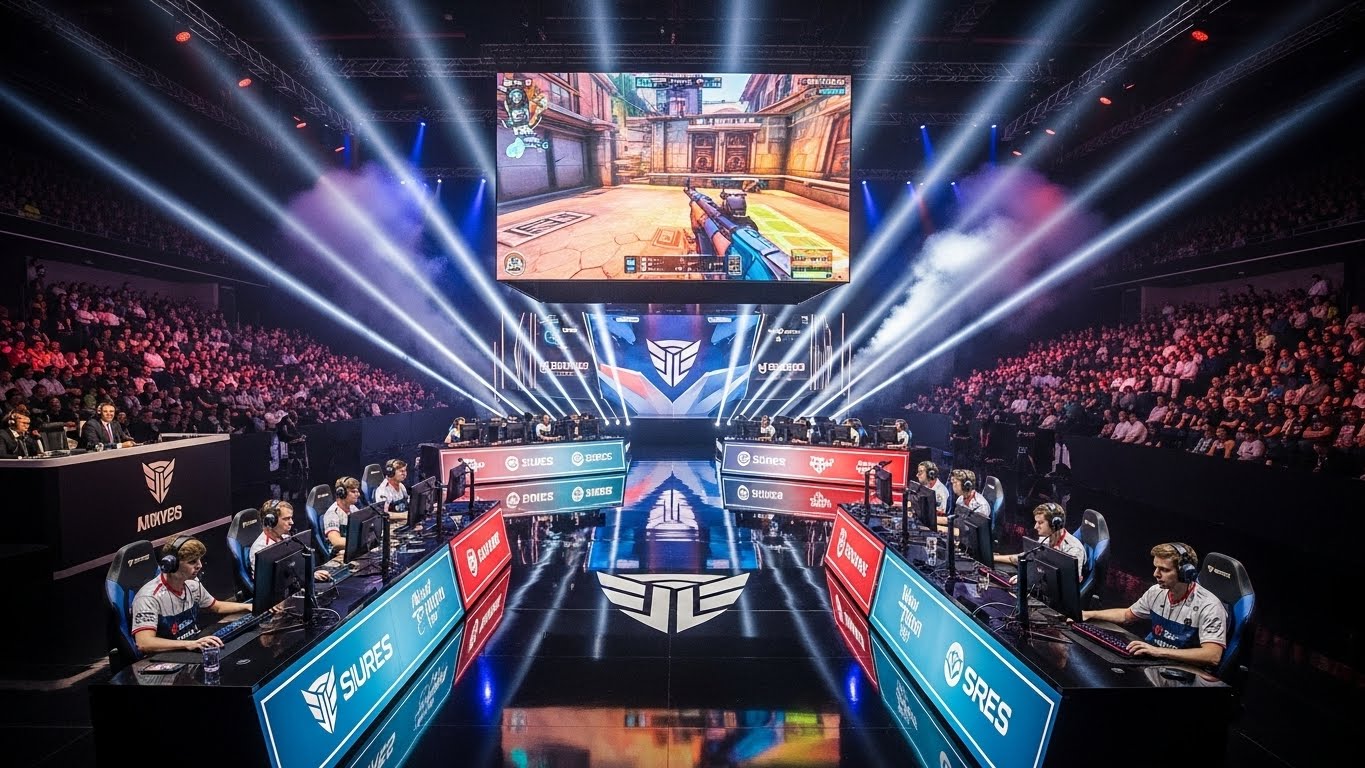
Esports, once a niche interest for a select few, has skyrocketed into a global phenomenon over the past decade. What began as a hobby for gamers has evolved into a multi-billion-dollar industry with millions of fans, players, and sponsors. Today, esports is not just about playing video games; it is a full-fledged industry that includes professional athletes, coaches, analysts, broadcasters, and even sports psychologists. This blog explores the evolution of esports, its current state, and the future potential of this rapidly growing industry.
The Origins of Esports: From Arcades to Global Competitions
Esports’ roots can be traced back to the early days of gaming in the 1970s and 1980s. During this time, video games like Pong, Space Invaders, and Pac-Man became immensely popular, leading to the formation of arcade competitions. However, it wasn’t until the late 1990s that the term “esports” started to gain traction.
The launch of games like StarCraft and Quake in the late 90s laid the foundation for organized competitive gaming. The advent of the internet allowed players to compete against each other remotely, making it possible to host larger tournaments. The World Cyber Games (WCG) and Electronic Sports World Cup (ESWC) were among the first international esports events that gained widespread attention, drawing competitors from across the globe.
By the early 2000s, gaming had moved beyond casual play and evolved into a highly competitive sport. Games like Warcraft III and Counter-Strike created a foundation for esports titles that remain relevant to this day. With platforms like Battle.net and Steam, players could find opponents easily and develop skills in a competitive environment.
Esports in the Modern Era: Major Titles and Global Growth
In the past decade, esports has grown into a global industry, with tournaments attracting millions of viewers worldwide. Major esports titles like League of Legends, Dota 2, Counter-Strike: Global Offensive, and Fortnite have become household names, thanks to their engaging gameplay and massive online communities. The competitive nature of these games has led to the development of professional leagues, with players competing for large cash prizes and sponsorship deals.
The development of dedicated esports leagues has transformed esports into a serious career path for many. The League of Legends Championship Series (LCS), the Overwatch League, and the Call of Duty League are just a few examples of major esports leagues that have professionalized the competitive gaming scene. Players in these leagues are often treated like traditional athletes, with coaches, team managers, and analysts to help them improve their skills and strategy.
Esports has also become more accessible to fans than ever before. Streaming platforms like Twitch and YouTube Gaming allow viewers to watch live tournaments from the comfort of their homes. This accessibility has contributed to the rapid rise of esports viewership, with some tournaments now rivaling traditional sports in terms of viewership numbers.
The Ecosystem of Esports: Players, Teams, and Organizations
The world of esports is vast, consisting of many different players, teams, and organizations working together to create an ecosystem that drives the industry forward. At the heart of this ecosystem are the professional players, who dedicate their time to mastering the mechanics of their chosen games. These players often train for hours every day, honing their skills and working on their mental game. Esports players are just like traditional athletes in many ways—they need to be physically and mentally prepared for the intense pressure of high-level competition.
Teams are another crucial component of the esports ecosystem. Major esports organizations like Team Liquid, Cloud9, FaZe Clan, and T1 have earned global recognition, signing top players from around the world to compete in tournaments. These teams provide players with everything they need to succeed, including coaches, analysts, performance coaches, and even psychologists to help players handle stress and maintain peak performance.
Behind these teams are esports organizations that function like traditional sports teams or franchises. These organizations secure sponsorships, manage media rights, and organize team logistics. Some of the biggest sponsors in esports include major brands such as Intel, Red Bull, Razer, and Nike. These partnerships are crucial for the growth of the industry, as they provide the financial backing necessary for teams and tournaments to thrive.
Esports and its Intersection with Traditional Sports
Esports and traditional sports have often been compared, especially as esports has gained more mainstream recognition. While there are clear differences between the two—esports is a digital sport, and traditional sports are typically played in physical arenas—the two industries are increasingly intertwined. One of the clearest signs of this convergence is the rise of esports in mainstream media. Major sports networks like ESPN and Fox Sports now air esports tournaments, further validating the legitimacy of esports as a form of competitive entertainment.
Additionally, many traditional sports teams and athletes have started investing in esports. For example, NFL players like JuJu Smith-Schuster and NBA players like Rick Fox have become investors in esports teams and organizations. These cross-industry partnerships are helping to bridge the gap between esports and traditional sports, showing that competitive gaming is here to stay.
Esports also shares similarities with traditional sports in terms of audience engagement. Just like soccer fans might gather at a bar to watch a match, esports fans often congregate online to watch tournaments and cheer for their favorite teams. Esports tournaments have become massive events that attract thousands of fans to arenas, and millions more watch online.
The Future of Esports: Opportunities and Challenges
Looking ahead, the future of esports seems incredibly bright, but there are also significant challenges to overcome. The growth of esports is not just limited to the number of players or teams; it is also about expanding into new markets and creating more opportunities for players, broadcasters, and fans.
1. Expansion to Emerging Markets
One of the biggest opportunities for esports is its potential to expand into emerging markets. Countries in Asia, Africa, and South America have seen rapid growth in internet access and gaming infrastructure, providing new audiences for esports events. The popularity of esports in countries like China, South Korea, and Brazil demonstrates how global the industry has become. As esports continues to grow in these regions, new players and teams will emerge, further diversifying the competitive gaming landscape.
2. Increased Investment and Sponsorships
As the esports industry matures, we can expect to see increased investment from major corporations and traditional sports entities. Sponsorships are already a significant source of revenue for esports organizations, and as more brands see the value in reaching the gaming audience, the financial backing will continue to grow. This influx of investment will allow for bigger tournaments, higher prize pools, and the development of new games and technologies that improve the esports experience.
3. The Role of Technology in Esports
Technology will continue to play a major role in shaping the future of esports. Virtual reality (VR), augmented reality (AR), and advanced AI could revolutionize how games are played and viewed. VR gaming, in particular, has the potential to change the way esports tournaments are conducted, allowing for more immersive experiences for both players and viewers.
4. Mental Health and Well-being
As the pressure on esports players increases, mental health and well-being will become a central focus. Players are often under immense stress to perform at a high level, which can take a toll on their mental health. Esports organizations are increasingly recognizing the importance of supporting players’ mental health, and we can expect to see more resources dedicated to mental health and wellness programs.
Conclusion: Esports is Here to Stay
Esports has come a long way from its humble beginnings in the 1990s. Today, it is a multi-billion-dollar industry that touches nearly every aspect of popular culture, from professional gaming leagues to sponsorships and streaming platforms. Esports has proven that it is more than just a trend—it is a legitimate and growing sector of the entertainment world that is here to stay.
As esports continues to expand, so too will the opportunities for players, fans, and businesses. The future is incredibly exciting, with new technologies and markets opening up, while the challenges of ensuring player well-being and maintaining the integrity of competition remain crucial. But one thing is certain: esports is no longer a niche hobby; it is a global cultural force that continues to reshape the way we think about sports and entertainment.