
Introduction: The Digital Revolution of Sports
In recent years, a new form of competition has captured the attention of millions of fans worldwide, challenging traditional notions of what it means to be an athlete and what constitutes a sport. Esports, or electronic sports, has emerged as a multi-billion-dollar industry that transcends borders, bringing together players, teams, and audiences from all corners of the globe. Whether it’s the intense strategy of League of Legends, the fast-paced action of Counter-Strike: Global Offensive, or the thrilling battle royale of Fortnite, esports has become a mainstream phenomenon.
Esports combines the thrill of traditional sports with the innovation of digital technology, creating an entirely new form of entertainment that blends athleticism, strategy, and cutting-edge technology. This blog will explore the rise of esports, its impact on entertainment, and the future of competitive gaming.
The Origins of Esports: From Arcade Games to Global Phenomenon
Esports didn’t materialize overnight. Its roots can be traced back to the early days of gaming when players began to compete against each other in a variety of games, though it wasn’t yet a formalized industry. The seeds of competitive gaming were planted in the 1980s, but it wasn’t until the 1990s that it began to take shape.
1. The Early Days of Competitive Gaming:
The history of esports began in the arcades of the late 1970s and early 1980s. Games like Space Invaders and Pong were played in arcades and sparked the first form of competitive play. Players would compete for high scores, and local tournaments would occasionally take place in various regions. However, it wasn’t until the late 1990s, with the advent of the internet, that gaming started to take on a more organized, competitive structure.
In 1997, the Red Annihilation tournament for Quake marked one of the first major online gaming tournaments, drawing attention from both players and the public. This tournament was pivotal because it was one of the first to offer substantial prizes and a format that was closely aligned with modern esports events.
2. The Emergence of Professional Esports:
By the early 2000s, the growth of online gaming platforms like Battle.net and the widespread availability of high-speed internet allowed for multiplayer games to reach new heights. Titles like StarCraft, Warcraft III, and Counter-Strike fostered competitive communities that laid the foundation for the esports industry.
In 2000, the World Cyber Games (WCG) was established, considered by many as the “Olympics of esports.” This international tournament brought gamers from all over the world to compete for global recognition. Around the same time, other events such as DreamHack in Sweden began to draw large crowds, setting the stage for the esports boom that would come in the next decade.
The Growth of Esports: From Niche to Mainstream
In the 2010s, esports saw a meteoric rise, solidifying its place as a mainstream form of entertainment. Several factors contributed to the rapid expansion of the industry, including advancements in technology, the rise of streaming platforms, and increased corporate investment.
1. The Role of Streaming Platforms:
One of the most significant developments in the rise of esports was the advent of live-streaming platforms. Services like Twitch, which launched in 2011, allowed fans to watch live gameplay and tournaments in real-time. With millions of active users tuning in to watch professional players and streamers, Twitch became the epicenter of competitive gaming. Other platforms like YouTube Gaming and Facebook Gaming also became major players in the esports ecosystem.
These platforms not only allowed fans to watch games live but also gave aspiring players the opportunity to build their own audiences. For the first time, gaming was not just about playing—it was about creating a community of fans who shared in the excitement of the competition. This helped esports gain visibility and legitimacy as a competitive sport.
2. Corporate Sponsorships and Investments:
As esports continued to grow, it began to attract the attention of major corporations looking to tap into the rapidly expanding market. Companies like Intel, Coca-Cola, Red Bull, and Logitech began sponsoring esports tournaments and teams, providing financial backing that allowed the industry to grow even further. These partnerships helped professionalize esports, providing players with salaries, equipment, and even health insurance—further legitimizing competitive gaming as a viable career path.
3. The Rise of Major Esports Titles:
As esports grew, so did the variety of games that catered to competitive play. Several titles became staples in the esports world, with large player bases and even larger audiences.
- League of Legends (LoL), a Multiplayer Online Battle Arena (MOBA) game, became one of the most successful esports titles, with its World Championship attracting millions of viewers annually. Its strategic depth, team-based gameplay, and accessibility made it a perfect fit for competitive play.
- Counter-Strike: Global Offensive (CS:GO), a tactical first-person shooter, became the pinnacle of competitive FPS games. Its fast-paced, team-based gameplay made it a favorite for esports leagues and fans alike.
- Dota 2, another MOBA, captivated audiences with its massive prize pools, culminating in The International tournament, where millions of dollars in prize money were at stake.
- Fortnite and PUBG (PlayerUnknown’s Battlegrounds) introduced battle royale-style games to the competitive gaming scene, further diversifying the esports landscape.
These games, among others, formed the backbone of the esports industry, attracting sponsorships, broadcasters, and global fans.
The Structure of Esports: Leagues, Tournaments, and Teams
Esports is not just about casual gaming—it’s an organized, professional ecosystem that mirrors the structure of traditional sports leagues. Understanding the structure of esports is key to appreciating the complexity and scale of the industry.
1. Esports Leagues and Organizations:
Professional esports leagues are now well-established, with organizations dedicated to managing tournaments and overseeing team operations. For example, The League of Legends Championship Series (LCS) is a franchise-based league where top-tier teams compete in regular seasons leading to playoffs. Similar leagues exist for games like Overwatch (Overwatch League) and Call of Duty (Call of Duty League).
These leagues provide stability for players, creating a more predictable career path and encouraging teams to build long-term rosters. Many of the top esports organizations, such as Cloud9, Team Liquid, and Fnatic, have become household names in the gaming world.
2. Major Tournaments and Competitions:
Esports tournaments are held globally, with major events offering significant prize pools. Some of the most prestigious tournaments include:
- The International for Dota 2, which boasts one of the largest prize pools in esports history.
- The League of Legends World Championship, which gathers the best teams from around the world.
- The CS:GO Major Championships, which has been a fixture in the competitive FPS scene for years.
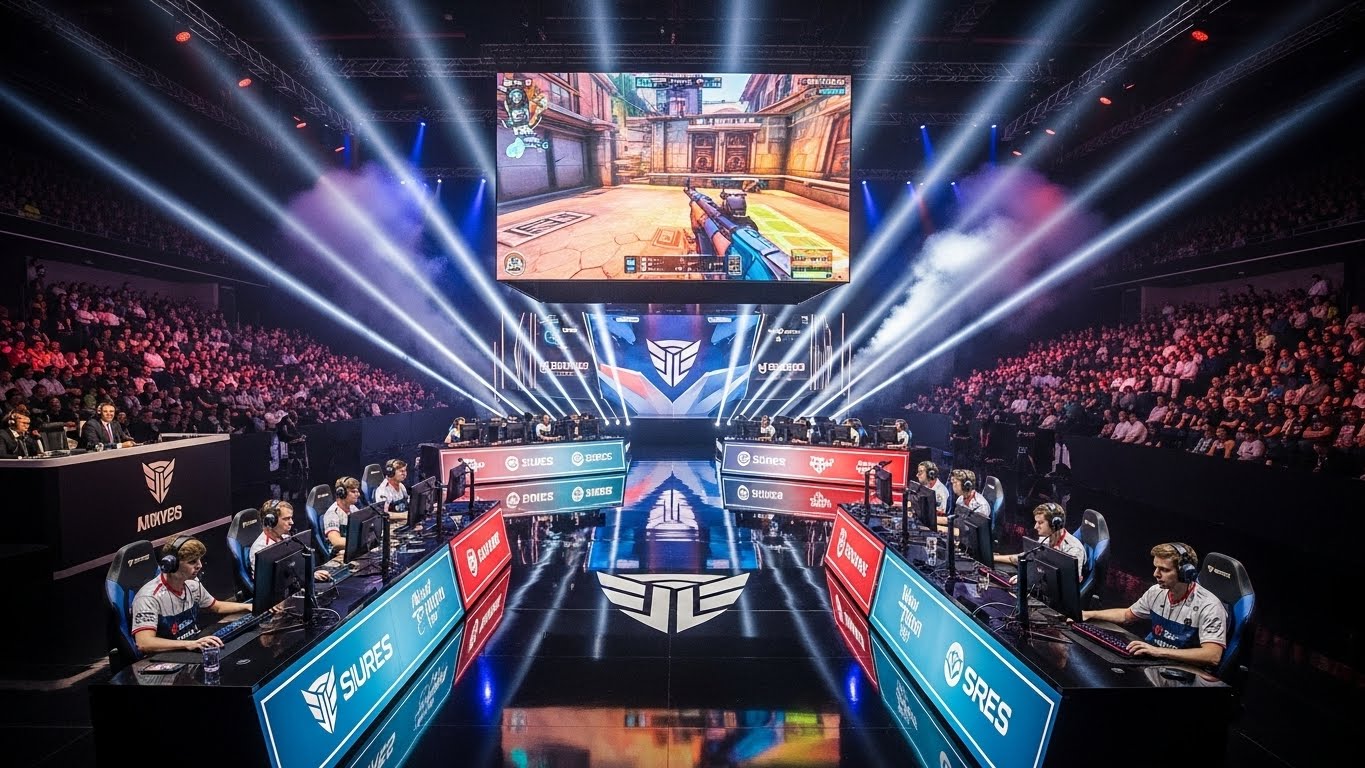
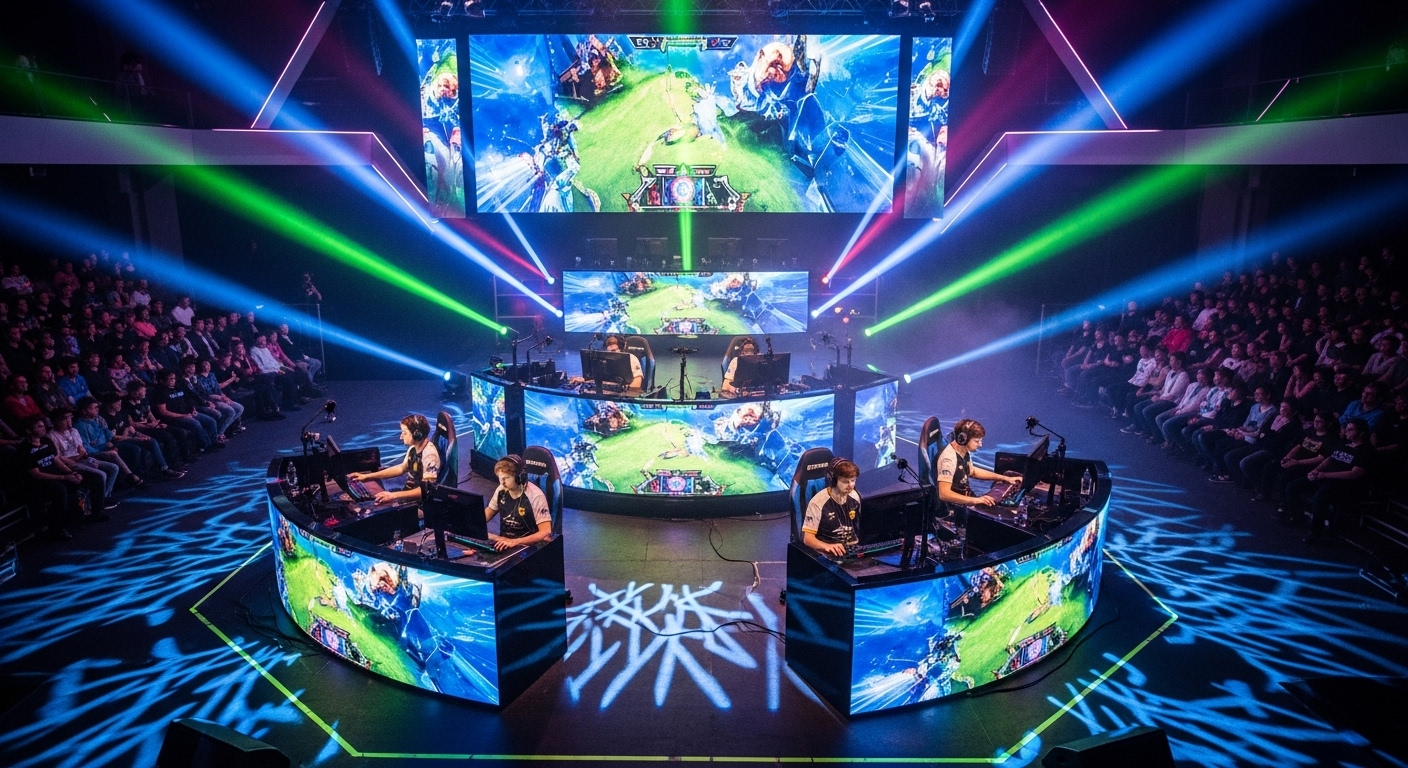
These tournaments attract millions of viewers and feature highly skilled players competing for both glory and prize money. The atmosphere is electric, with fans cheering from arenas and online viewers tuning in from across the globe.
3. Teams, Players, and Coaches:
Esports is driven by its players—individuals who possess incredible skill, strategic thinking, and a competitive spirit. Players are typically recruited into teams, where they are coached, trained, and supported by staff members to achieve peak performance.
Esports athletes may not receive the same level of mainstream media coverage as traditional athletes, but they are highly revered in the gaming community. Players can earn substantial salaries from tournament winnings, sponsorships, and streaming deals. Some of the highest-paid players have accumulated millions of dollars in earnings, especially in games like Dota 2.
Esports as a Career Path: Opportunities and Challenges
For many, esports represents more than just a hobby—it’s a legitimate career. With the growth of the industry, professional players, coaches, analysts, casters, and even social media influencers can make a living in the esports ecosystem.
1. The Role of Streamers and Content Creators:
Streaming platforms like Twitch have given rise to a new wave of content creators who make their living by streaming gameplay, offering commentary, and interacting with fans. Streamers like Ninja, Shroud, and Pokimane have amassed millions of followers and earn income through ads, sponsorships, and donations.
These content creators play a significant role in promoting games and tournaments, helping to grow the esports scene even further. Their ability to engage audiences directly creates a unique relationship between players, streamers, and fans.
2. Challenges in the Esports Industry:
Despite its rapid growth, the esports industry faces several challenges. One of the main issues is player burnout. Competitive gaming requires intense focus and dedication, and many players struggle with mental and physical exhaustion. The industry also faces challenges related to gender inequality, with fewer female players and professionals involved in esports compared to their male counterparts.
Furthermore, the relatively young nature of esports means that many players may face uncertainties regarding career longevity. Most players peak in their mid-20s and must transition to other roles, such as coaching, streaming, or content creation, once their playing career comes to an end.