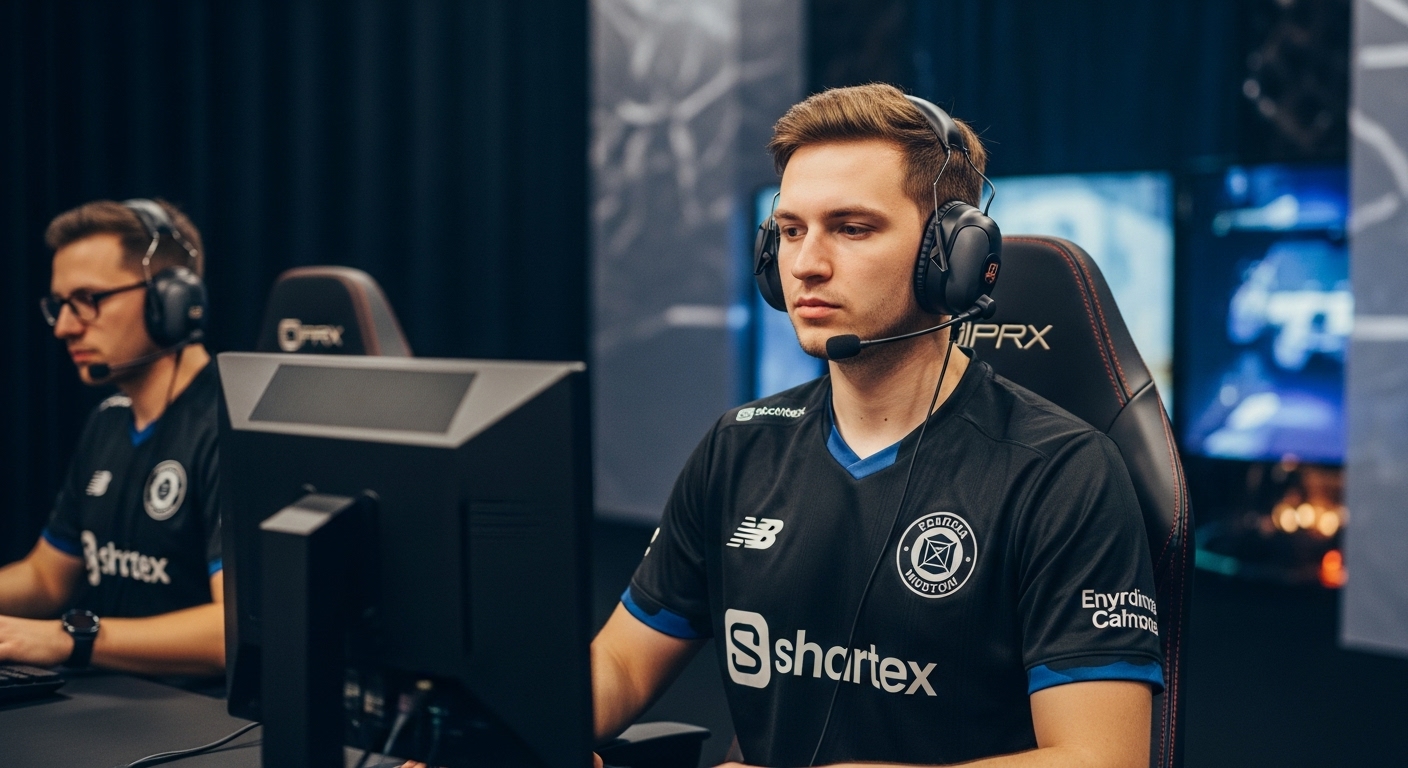

Esports, once a niche activity confined to local LAN parties and small tournaments, has evolved into a multi-billion-dollar industry that attracts millions of fans and players worldwide. From humble beginnings to global tournaments, esports has gained recognition as one of the most exciting and fast-growing sectors of the entertainment industry. But what exactly is esports, and how did it become such a dominant force in the world of gaming? In this blog post, we will explore the origins, growth, and future of esports, examining its various facets from competitive gaming to industry dynamics.
What is Esports?
Esports, short for electronic sports, refers to competitive gaming at a professional level. While anyone can play video games, esports is about players competing against each other in organized tournaments or leagues for prizes, sponsorships, and fame. The competitions can be online or offline, often involving teams of players or individual players competing in games like League of Legends, Dota 2, Counter-Strike: Global Offensive, Fortnite, and many others.
The term “esports” is often used interchangeably with competitive gaming, but esports takes things to a different level by incorporating professional players, coaches, analysts, broadcasters, sponsors, and millions of viewers. Tournaments and leagues often feature huge prize pools, sometimes reaching into the millions of dollars, which has helped to solidify esports as a legitimate professional field.
Esports spans several genres, including real-time strategy (RTS) games, first-person shooters (FPS), multiplayer online battle arena (MOBA) games, battle royale games, and sports simulation games. Each genre has its own unique set of rules, strategies, and gameplay mechanics, offering a wide variety of options for both players and fans.
The Evolution of Esports
The Early Days of Competitive Gaming
The concept of competitive gaming dates back to the early 1970s, but the term “esports” itself didn’t emerge until the late 1990s and early 2000s, with the proliferation of online multiplayer games. However, competitive gaming was alive even before the internet era. In the late 1980s and early 1990s, the gaming community organized tournaments for popular arcade games like Street Fighter and Pac-Man, though these competitions were smaller in scope compared to today’s esports events.
In the mid-1990s, online multiplayer gaming began to take off with the advent of games like Quake and Warcraft II, allowing players to connect via dial-up internet to compete against others. This was the beginning of a new era of competitive gaming. With the release of StarCraft in 1998, South Korea became the epicenter of competitive gaming, where the game quickly gained a massive following. StarCraft’s success led to the creation of competitive leagues and the first esports broadcasting initiatives, primarily in South Korea, which had already established a strong gaming culture.
In 2000, the World Cyber Games (WCG) was founded, and it quickly became one of the most important international tournaments in competitive gaming. This event brought together players from around the world to compete for the title of world champion in various games. Similarly, the Electronic Sports World Cup (ESWC), which was founded in 2003, helped establish esports as a legitimate and organized industry.
The Mainstreaming of Esports
The real turning point for esports came in the early 2010s, particularly with the launch of League of Legends in 2009 by Riot Games. League of Legends quickly became one of the most popular games in the world, offering a free-to-play model and an engaging, team-based multiplayer experience. By 2011, the first League of Legends World Championship was held, and it set the stage for the rise of esports as a mainstream entertainment option.
In 2013, League of Legends became the first esports title to surpass 32 million concurrent viewers during its World Championship, showcasing the massive potential of competitive gaming as a global phenomenon. At the same time, other games like Dota 2 and Counter-Strike: Global Offensive were also gaining traction in the esports world. These games, combined with the growth of streaming platforms like Twitch, helped solidify esports as an industry with a massive, engaged global audience.
One of the most significant milestones came in 2014, when the prize pool for The International, Dota 2‘s premier esports tournament, surpassed $10 million. This was an eye-opening moment for the entire esports community, as it demonstrated the financial potential of competitive gaming. Corporate sponsors, advertisers, and investors started to take esports more seriously, leading to an influx of capital and attention from both the gaming and mainstream industries.
The Esports Ecosystem
Players and Teams
At the heart of esports are the players and teams that compete in tournaments and leagues. Professional esports players are highly skilled individuals who dedicate much of their time to training, improving their gameplay, and mastering game mechanics. Esports players often practice for several hours a day, participating in scrims (practice matches), analyzing gameplay footage, and receiving coaching to refine their strategies and team coordination.
Esports teams are usually made up of five to six players, each with their specific role or responsibility within the game. For example, in League of Legends, teams often consist of a top laner, jungler, mid laner, bot laner, and support player. These players work together to execute strategies, manage in-game objectives, and defeat the opposing team.
Esports teams, much like traditional sports teams, are supported by coaches, managers, analysts, and other staff members. Coaches help players develop strategies, while analysts break down gameplay to identify strengths and weaknesses. Managers handle the day-to-day operations, including logistics, sponsorships, and player well-being.
Esports organizations such as Team Liquid, Cloud9, T1, and G2 Esports have become household names in the competitive gaming scene. These organizations often sign players to long-term contracts, provide financial support, and create content to grow their brands. Some organizations have expanded into other gaming titles, creating rosters for Counter-Strike: Global Offensive, Fortnite, Valorant, and more.
Tournaments and Leagues
The backbone of esports is the tournament system, where players and teams compete for substantial prize pools and recognition. The structure of esports tournaments has evolved over time, with both online and offline events taking place regularly. Some tournaments are open, allowing anyone to compete, while others are invitation-only or based on regional qualifiers.
Major international esports tournaments include:
- The International (Dota 2): Arguably the most prestigious esports tournament, The International has become synonymous with massive prize pools and intense competition. The 2021 edition boasted a prize pool of over $40 million.
- League of Legends World Championship: The LoL Worlds is the pinnacle of competitive League of Legends play, attracting millions of viewers worldwide and offering a prize pool in the millions.
- ESL Pro League (CS:GO): Counter-Strike: Global Offensive has one of the most established tournament circuits, with ESL Pro League being the premier competitive league.
- Overwatch League: The Overwatch League represents Blizzard’s effort to professionalize esports, featuring city-based teams and a league structure similar to traditional sports leagues.
Leagues like the Call of Duty League (CDL), Rainbow Six Siege Pro League, and Valorant Champions Tour are also gaining traction, making esports more organized and accessible for both players and viewers.
Streaming and Viewership
One of the key drivers behind the growth of esports is the rise of streaming platforms, particularly Twitch. Twitch has become the go-to platform for esports fans to watch live streams of tournaments, scrims, and personal gameplay sessions. The platform has helped players build fanbases, allowing them to interact with their audience in real-time. In fact, many professional players have started their careers as streamers, gaining recognition from fans long before joining professional teams.
Aside from Twitch, YouTube Gaming and Facebook Gaming have also emerged as significant players in the streaming landscape. These platforms have attracted sponsorships, advertisements, and exclusive deals with esports organizations, providing another revenue stream for players, teams, and tournament organizers.
Esports viewership has exploded in recent years, with major events regularly drawing millions of concurrent viewers. The 2019 League of Legends World Championship, for example, attracted over 100 million viewers, while The International 2018 reached a peak concurrent viewership of 17.3 million. These numbers rival traditional sports, making esports one of the most-watched entertainment options in the world.
Sponsors and Partnerships
Esports has attracted a wide range of sponsors, from tech companies like Intel and AMD to consumer brands like Coca-Cola and Nike. Sponsorships are essential for esports organizations and players, as they provide funding for tournaments, prize pools, and player salaries. In return, brands gain exposure to the growing esports audience, which is predominantly made up of young, tech-savvy individuals.
In addition to brand partnerships, esports organizations have also signed media deals with major broadcasters. For example, the League of Legends World Championship has been broadcast on platforms like ESPN and ABC, bringing competitive gaming to a wider audience beyond the gaming community.
The Role of Coaches and Analysts
As esports has matured, the role of coaching has become increasingly important. Esports coaches help guide players through strategy development, match analysis, and mental preparation. Coaches work closely with players, providing insights into opponent strategies and helping improve individual performance.
Analysts also play a crucial role in the esports ecosystem, providing commentary and analysis during live matches. These professionals break down complex gameplay elements and offer strategic insights to viewers, making the content more engaging and understandable.
The Future of Esports
Expanding Into New Markets
While esports is already huge in regions like North America, Europe, and Asia, there is still significant room for growth in emerging markets such as Latin America, Southeast Asia, and Africa. With increasing internet penetration, affordable gaming devices, and growing gaming communities, these regions are expected to see a surge in esports popularity.
The Potential of Mobile Gaming
Mobile gaming is one of the fastest-growing segments of the gaming industry, and mobile esports is poised to follow suit. Games like PUBG Mobile, Free Fire, and Clash Royale have already established dedicated esports ecosystems, with large-scale tournaments and professional players. Mobile gaming’s growth could have a transformative impact on the future of esports, making competitive gaming accessible to a wider global audience.
The Integration of Virtual Reality (VR) and Augmented Reality (AR)
The potential integration of VR and AR into esports could revolutionize the competitive gaming experience. With VR, players could compete in fully immersive environments, making the esports experience even more engaging for both players and viewers. Although VR esports is still in its infancy, the possibilities for innovation are exciting, with new gaming experiences likely to emerge in the next few years.
Recognition as a Mainstream Sport
Esports is already gaining recognition from traditional sports organizations and media outlets, and it’s only a matter of time before it receives the same level of respect as traditional sports. Governments are starting to offer scholarships for esports players, and some universities are even offering esports degrees. With more investments, media coverage, and infrastructure development, esports could eventually become a recognized Olympic sport or gain entry into other prestigious global competitions.
Conclusion: The Future Looks Bright for Esports
Esports has undergone a remarkable transformation from a niche hobby to a global entertainment powerhouse. With millions of viewers, millions in sponsorship dollars, and ever-expanding player bases, the esports industry shows no signs of slowing down. From its early days in local tournaments to its current status as a professional industry, esports has captured the imaginations of gamers and non-gamers alike.
As the industry continues to evolve, esports will undoubtedly shape the future of gaming and entertainment. Whether it’s the rise of mobile gaming, the integration of VR, or the expansion into new markets, esports will continue to captivate millions of fans around the world. If you haven’t yet explored the world of esports, now might be the perfect time to dive in—there’s a thrilling world waiting for you.