Introduction
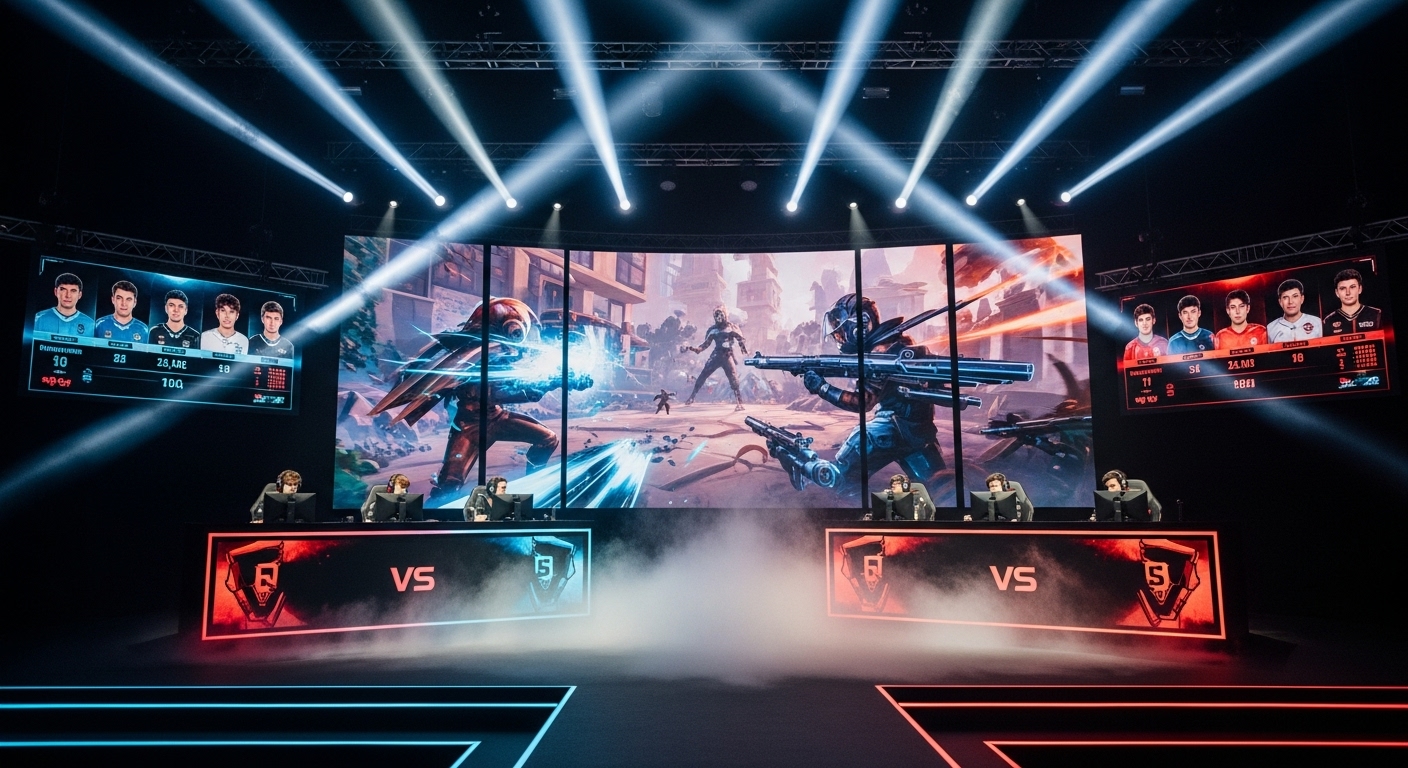
Twenty years ago, competitive gaming was something only a few people knew about. A handful of players, connected by bulky computers and slow internet, would spend late nights battling in small tournaments for little more than bragging rights. Today, Esports is a global phenomenon. Stadiums sell out for digital matches, players earn million-dollar paychecks, and millions of fans tune in live to watch virtual showdowns unfold.
This transformation from hobby to industry didn’t happen overnight. It’s a story of technology, culture, and community converging to create a new kind of entertainment. Let’s explore how Esports grew into the massive force it is today, what drives its momentum, and where it might go next.
The Early Days: When Gaming Met Competition
The origins of Esports go back to the 1970s, long before high-speed internet or Twitch streams. The first known video-game competition was held in 1972 at Stanford University, where students competed in the game Spacewar! for a subscription to Rolling Stone magazine. That might seem trivial today, but it marked the start of organized gaming.
By the 1980s, arcade games like Pac-Man and Donkey Kong turned gaming into a shared public experience. Competitive leaderboards encouraged players to fight for the top score. When Nintendo launched its World Championships in 1990, the idea of professional gaming started to take shape. These competitions brought players together from across the country, setting a precedent for the large-scale tournaments we know today.
Still, the infrastructure was limited. There was no global online connectivity, no sponsorship ecosystem, and no recognition of gaming as a sport. Players competed mostly for fun. But everything was about to change with the internet.
The Internet Revolution and Online Multiplayer
The 1990s ushered in a new era for gaming. As internet connections became more common, games could finally connect players from around the world. Titles like Quake, StarCraft, and Counter-Strike revolutionized the way people played. Instead of competing against the computer or local friends, players could now challenge anyone, anywhere.
This was the real birth of modern Esports. Online leagues and clans started forming. Players began practicing not just for fun but for recognition. South Korea became a pioneer, investing heavily in broadband infrastructure that enabled competitive gaming to flourish. By the early 2000s, televised gaming matches in Korea drew millions of viewers—decades before Twitch existed.
StarCraft became a national obsession. Players like Lim “BoxeR” Yo-Hwan achieved celebrity status, with fans lining up for autographs and companies rushing to sponsor teams. This level of organization inspired other regions to follow suit, and Esports started taking on a professional form.
The 2000s: Building the Foundations of an Industry
By the early 2000s, Esports began to resemble the structured, global ecosystem we know today. Games like Counter-Strike 1.6, Warcraft III, Halo 2, and Call of Duty became the backbone of competitive gaming. Organizations such as Major League Gaming (MLG) in North America and World Cyber Games (WCG) internationally began hosting large-scale tournaments with real cash prizes.
What set this decade apart was the growth of professional teams and sponsorships. Gaming wasn’t just about the players anymore; it became a business. Teams sought branding deals, players received salaries, and fans started following organizations rather than just individuals. For the first time, a young gamer could dream of going professional as a realistic career path.
At the same time, the arrival of streaming technology began reshaping how Esports was consumed. Early platforms like Justin.tv, which would later evolve into Twitch, made it easy for anyone to broadcast gameplay live. Suddenly, Esports wasn’t confined to event halls or television networks—it could live online, accessible to anyone.
The Explosion of the 2010s: Esports Becomes Mainstream
The 2010s marked a turning point. Esports went from a niche subculture to a mainstream spectacle. A perfect storm of technology, investment, and fan engagement pushed it into the global spotlight.
The Role of Streaming Platforms
Twitch, launched in 2011, was arguably the most transformative development in Esports history. For the first time, fans could watch their favorite players and teams live from anywhere. Viewership exploded, communities formed around streamers, and tournaments reached audiences in the millions.
Traditional broadcasters began to take notice. ESPN and BBC started airing Esports events. Universities created Esports programs and scholarships. Even the International Olympic Committee began debating the inclusion of Esports in future Olympic Games.
The Rise of Game Titles and Leagues
Every major Esport today owes its success to a game that captured both competitive depth and mass appeal. League of Legends, released in 2009, became the centerpiece of this era. Riot Games built a structured professional league system, with franchised teams, regular seasons, and grand finals that filled entire stadiums.
Other titles like Dota 2, Counter-Strike: Global Offensive, and Overwatch also cemented themselves as Esports giants. The International, Dota 2’s annual championship, offered record-breaking prize pools funded by players themselves through in-game purchases. This community-driven model demonstrated the deep engagement Esports audiences bring.
The Business of Esports: From Passion to Profit
What once was a hobbyist community is now a billion-dollar industry. According to industry estimates, global Esports revenue surpassed $1 billion before 2020 and continues to grow. But how exactly does the business of Esports work?
Revenue Streams
Unlike traditional sports, Esports revenue doesn’t come mainly from ticket sales. Instead, it relies on several key sources:
- Sponsorships and Advertising: Brands see Esports as a gateway to reach younger, digitally native audiences. Companies like Red Bull, Intel, and Nike have heavily invested in team sponsorships and event branding.
- Media Rights: As broadcast platforms compete for exclusive rights, Esports tournaments generate income similar to major sports leagues.
- Merchandise and In-Game Purchases: Fans support teams through branded merchandise and special digital content like team skins or emotes.
- Tournament Prize Pools: While these attract attention, they’re often just the tip of the financial iceberg. Most Esports teams rely on a combination of sponsorship and media deals to stay afloat.
The Professional Ecosystem
A modern Esports team functions much like a traditional sports organization. It has players, coaches, analysts, managers, and marketing staff. Many teams also run academies to develop new talent, ensuring a steady pipeline of skilled players.
Events are organized by game publishers or independent leagues, often lasting months with structured seasons. The best teams then qualify for world championships. This structure gives fans a familiar rhythm, similar to sports like football or basketball.
The Players: New-Age Athletes
One of the most fascinating aspects of Esports is the evolution of the player. Once dismissed as “just gamers,” professional Esports athletes now train like traditional sports professionals.
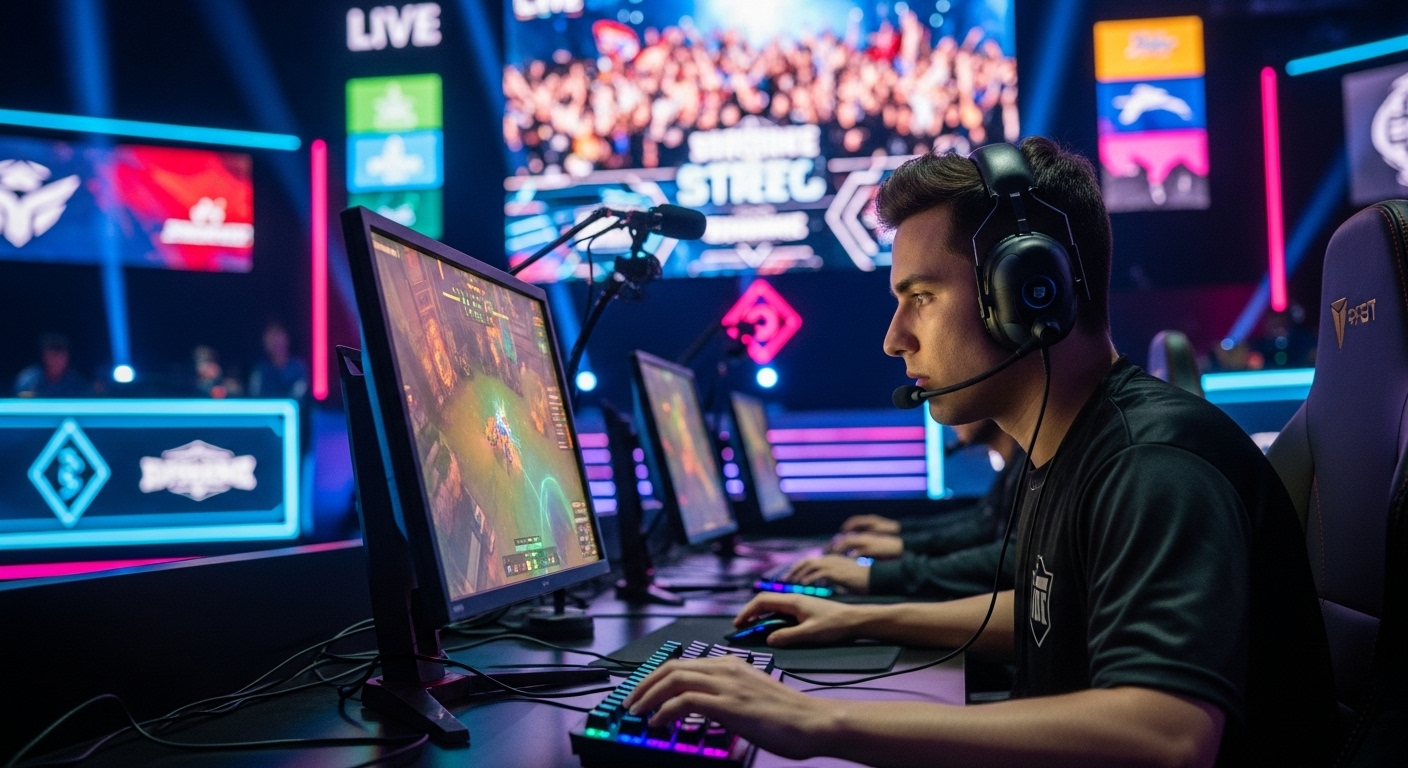
Top players practice up to ten hours a day, studying strategies, reviewing match footage, and maintaining peak performance under pressure. Physical fitness, mental health, and reaction time training have become integral parts of preparation. Teams hire nutritionists, sports psychologists, and physiotherapists to help players sustain long careers in an intensely competitive field.
Celebrity Status and Global Recognition
Star players have become household names in gaming circles. Figures like Faker from League of Legends or s1mple from CS:GO are as respected in their domain as Ronaldo or LeBron are in theirs. They attract massive followings, secure endorsement deals, and even appear in mainstream media.
What’s striking is how accessible these players are compared to traditional athletes. Through social media and streaming, fans interact directly with them, blurring the line between celebrity and community member.
The Fans: The Heartbeat of Esports
If players are the stars, fans are the lifeblood. Esports thrives on an active, passionate fanbase that engages daily through streams, chats, and social media. The community culture is what makes Esports unique—fans don’t just watch; they participate.
Online chatrooms during tournaments buzz with memes, reactions, and analysis. Communities on Reddit and Discord discuss plays, strategies, and predictions. This constant two-way interaction gives Esports an edge over traditional sports, where fan engagement is mostly passive.
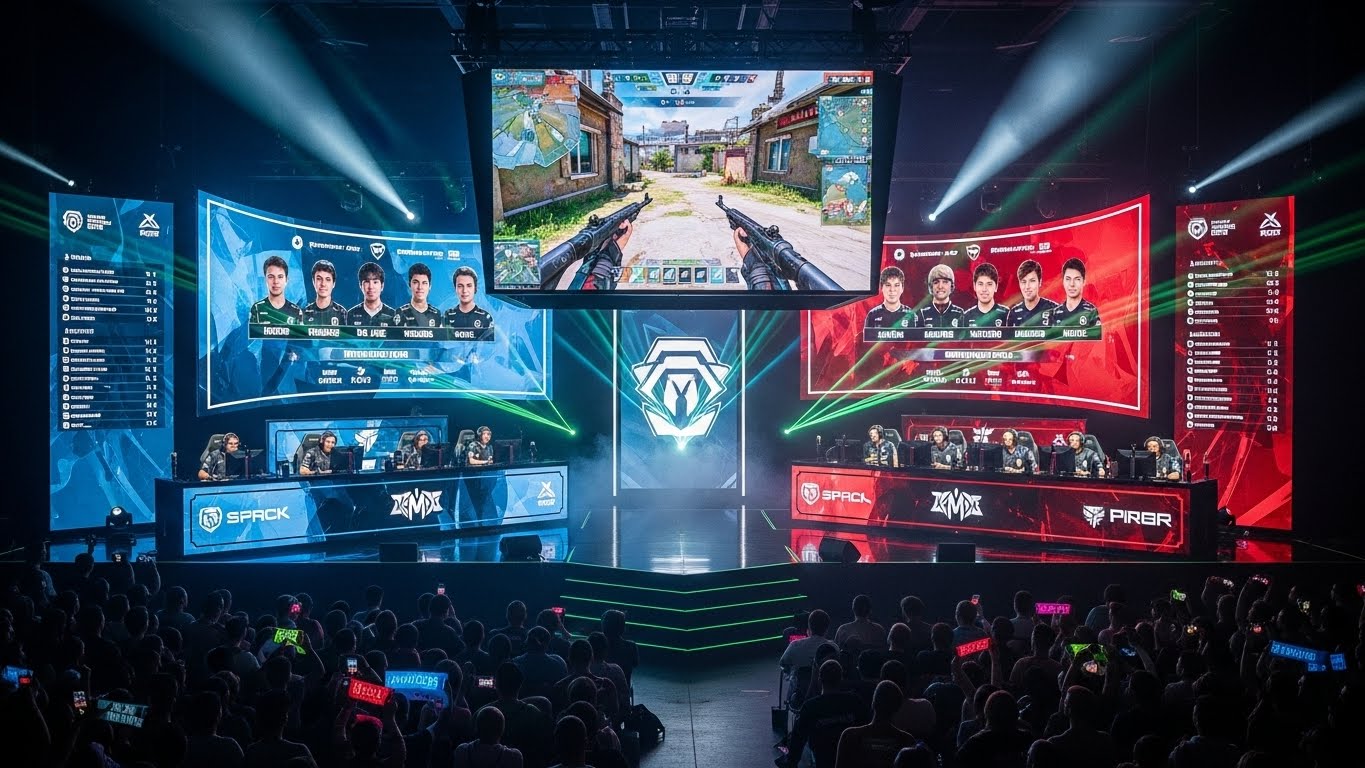
Large tournaments like the League of Legends World Championship or The International are more than competitions—they’re cultural events. Fans fly across continents to attend, waving banners, wearing jerseys, and celebrating every play as if they were in the game themselves.
Esports and Technology: The Perfect Partnership
The growth of Esports is inseparable from technological progress. Faster internet, powerful hardware, and advanced streaming capabilities have made global participation possible.
Streaming and Accessibility
Streaming made it possible for anyone, anywhere, to watch live Esports events. A fan in Brazil can tune in to a tournament in Sweden without missing a beat. High-definition broadcasts, live commentary, and interactive chat make Esports an immersive experience.
Virtual Reality and the Future of Interaction
While still in development, virtual reality (VR) and augmented reality (AR) have the potential to redefine Esports. Imagine stepping virtually into the game world or viewing matches as if you were inside the arena. These technologies could make the experience even more personal and engaging.
Data and Analytics
Behind every Esports team lies a mountain of data. Analysts track player performance, strategies, and even eye movement. Games like Overwatch and Valorant provide detailed metrics that teams use to refine tactics. This analytical approach mirrors the use of data science in traditional sports.
Esports in Education: From Hobby to Curriculum
Esports has found its way into education systems around the world. Universities now offer Esports scholarships, degree programs in game design and management, and dedicated Esports arenas on campus.
High schools use Esports clubs to teach teamwork, communication, and problem-solving. Beyond playing, students learn about broadcasting, event organization, and marketing—skills that transfer well into other industries.
This integration of Esports into education also helps counter old stereotypes about gaming being a waste of time. It shows that with discipline and focus, gaming can open real academic and professional doors.
The Global Landscape: Regional Powerhouses
While Esports is global, certain regions have become its power centers.
Asia
Asia, particularly South Korea and China, remains the beating heart of competitive gaming. South Korea’s infrastructure and early adoption made it the birthplace of professional Esports. China, with its massive player base and government support, now hosts some of the biggest tournaments and organizations in the world.
North America
In North America, Esports has blended into mainstream culture. Franchised leagues like the Overwatch League and Call of Duty League follow the model of American sports, complete with city-based teams, home arenas, and structured seasons.
Europe
Europe stands out for its diversity. Countries like Sweden, Denmark, and Germany have produced top talent in games like Counter-Strike and Dota 2. European teams are known for their innovation and tactical depth.
The Emerging Markets
Regions like Latin America, the Middle East, and Africa are now joining the Esports wave. Growing internet access and mobile gaming are fueling new audiences and local tournaments. The next decade could see major growth from these emerging regions.
Esports and Traditional Sports: A Convergence
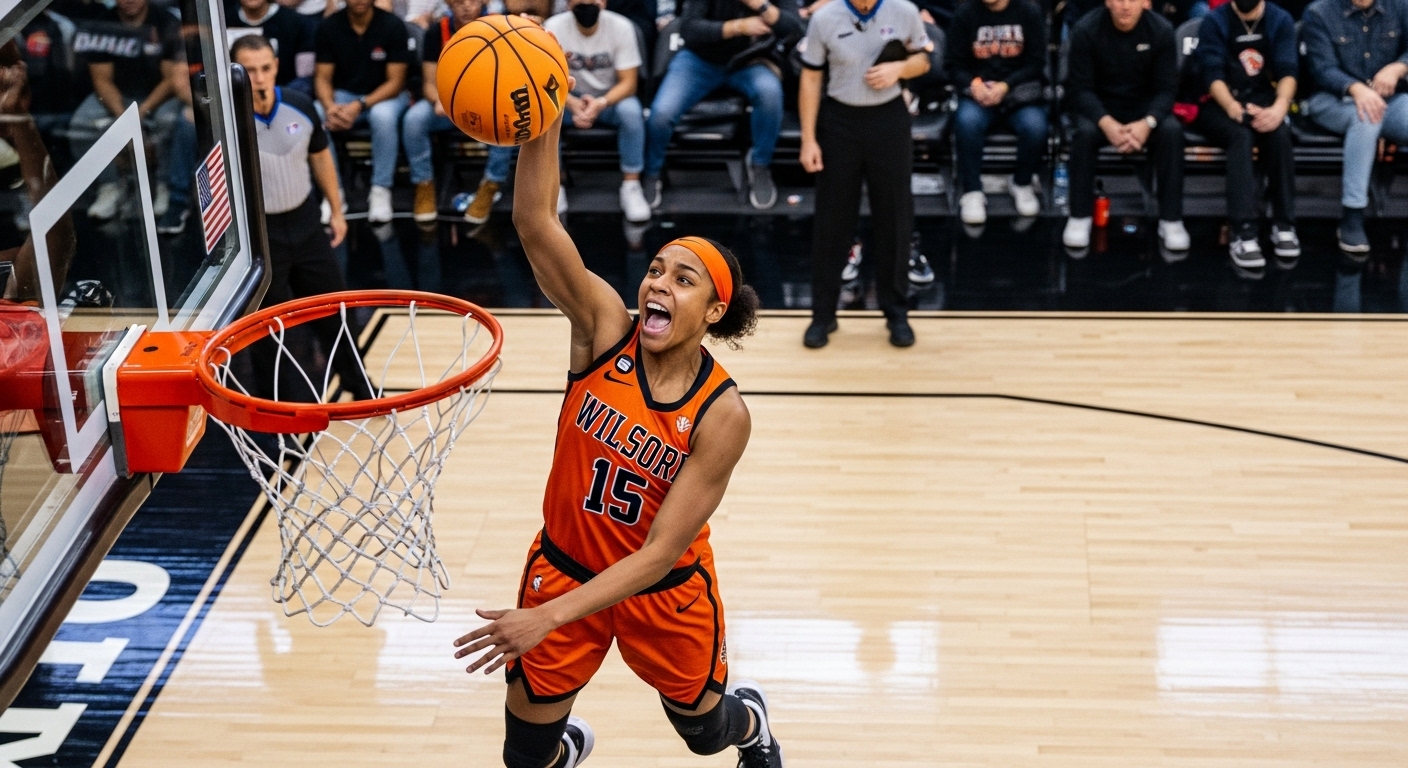
Initially, traditional sports viewed Esports as a novelty. But that attitude has shifted dramatically. Major sports franchises have invested in Esports teams. NBA teams own NBA 2K League franchises; football clubs like Paris Saint-Germain and Manchester City have their own Esports divisions.
This crossover benefits both sides. Sports organizations reach younger audiences who consume entertainment digitally, while Esports gains legitimacy and resources. Some broadcasters even merge Esports commentary with traditional sports analysis, highlighting the shared elements of strategy, teamwork, and mental endurance.
The Challenges Ahead
For all its success, Esports faces its share of challenges.
Sustainability and Player Burnout
The lifestyle of professional players can be intense. Long practice hours, constant travel, and pressure to perform can lead to burnout. Ensuring better schedules, mental-health resources, and career longevity is a growing concern.
Financial Stability
While top players and teams earn big, smaller organizations often struggle to stay profitable. Many rely heavily on sponsorships, which can be unstable. Building sustainable revenue models remains one of the industry’s biggest hurdles.
Governance and Regulation
Unlike traditional sports, Esports lacks a central governing body. Rules vary from game to game, and player contracts can differ widely. As the industry grows, calls for standardized regulations and player protections are increasing.
Cheating and Integrity
Issues like cheating, match-fixing, and performance-enhancing software have occasionally tainted Esports’ reputation. Maintaining fair competition is critical to keeping fans’ trust and ensuring long-term credibility.
The Future of Esports: What Lies Ahead
Looking forward, Esports is only expected to grow. Technological advancements, corporate investment, and global connectivity are expanding its reach. But the most exciting part might be how it continues to evolve culturally.
As virtual reality and augmented reality mature, the boundary between player and spectator could blur further. Fans might participate directly in live digital arenas. The metaverse concept could allow audiences to experience tournaments as interactive worlds rather than passive broadcasts.
Mobile Esports, too, is gaining traction. Games like PUBG Mobile and Mobile Legends have created entire ecosystems in regions where PCs and consoles are less accessible. This democratization could make Esports truly global, reaching billions of potential players.
Conclusion: More Than Just Games
Esports is no longer just about playing video games. It’s about competition, community, creativity, and culture. It’s about how technology can connect people across borders and how digital experiences can feel just as real as physical ones.
From small LAN parties to global championships watched by millions, Esports has become a defining movement of modern entertainment. It bridges generations, unites cultures, and proves that passion—when combined with technology—can create something extraordinary.
The rise of Esports is not a trend; it’s a transformation. And like all great sports, it thrives not just because of who wins or loses, but because of the stories, dreams, and dedication that fuel it.