Esports has transformed from a niche hobby to a global cultural and economic phenomenon. What was once a gathering of passionate gamers in small local tournaments has now become a billion-dollar industry filled with sponsors, professional athletes, massive audiences, and worldwide recognition. The growth of esports over the last few decades is a story of technology, community, and the human desire to compete and connect.
In this post, we’ll explore how esports developed, the major milestones that shaped it, the culture around it, and where the industry is heading in the coming years.
Early Beginnings: The Roots of Competitive Gaming
Long before streaming platforms and million-dollar prizes, competitive gaming began in the most humble of settings — local arcades, college campuses, and living rooms. The roots of esports stretch back to the 1970s when video games were still in their infancy.
The first known video game competition took place in 1972 at Stanford University. Students competed in a game called Spacewar!, and the winner received a year’s subscription to Rolling Stone magazine. That may seem small now, but it was a pivotal moment — the first sign that video games could be more than solitary entertainment.
The 1980s brought arcade tournaments into the mainstream. Games like Space Invaders and Pac-Man became cultural icons, and high scores were badges of honor. In 1980, Atari held the Space Invaders Championship, attracting over 10,000 participants across the United States. For the first time, video gaming wasn’t just a pastime; it was a competition.
The 1990s: The Internet Era and the Birth of Esports
The 1990s changed everything for competitive gaming. The spread of the internet and home consoles allowed players to connect beyond their local communities. Games like Doom, Quake, and StarCraft introduced online multiplayer modes, opening the door for a new kind of competition.
One of the most influential events of the decade was the creation of the Cyberathlete Professional League (CPL) in 1997. It was the first major organization to treat video gaming as a professional sport. Players began traveling across countries to compete, and sponsors started noticing the potential of this new form of entertainment.
At the same time, South Korea was laying the foundation for what would become a global esports powerhouse. After the 1997 financial crisis, the South Korean government invested heavily in broadband internet infrastructure. This led to an explosion in internet cafes, or “PC bangs,” where players gathered to compete in games like StarCraft. By the late 1990s, televised esports matches were already a reality in South Korea, years before the rest of the world caught up.
The 2000s: The Formation of an Industry
As technology advanced, gaming shifted from local events to global tournaments. The 2000s saw the rise of major international competitions like the World Cyber Games (WCG) and the Electronic Sports World Cup (ESWC). These events featured multiple games and drew in competitors from all over the world.
Games like Counter-Strike, Warcraft III, and Halo became staples of early esports. They had strong competitive mechanics, active communities, and developers who supported the tournament scene.
The introduction of broadband internet and better computers allowed online tournaments to flourish. Sites like Major League Gaming (MLG) in North America became the center of competitive gaming culture. Players could now compete for real money, earn sponsorships, and even build careers out of their gaming skills.
Streaming technology also began to shape the landscape. Before Twitch or YouTube Gaming existed, platforms like Justin.tv and Xfire allowed players to share gameplay with audiences online. It was a glimpse into the future — a world where watching games could be just as exciting as playing them.
The 2010s: The Golden Age of Esports
The 2010s marked the true explosion of esports into mainstream culture. A combination of high-quality games, easy access to streaming platforms, and global interest made competitive gaming a legitimate form of entertainment.
The Role of Streaming
Twitch, launched in 2011, became a central hub for esports content. Players and teams could broadcast their games to millions of viewers worldwide. Audiences could interact directly with players, creating a sense of connection that traditional sports rarely matched.
Streaming also opened opportunities for casual gamers and content creators. The lines between professional players and entertainers began to blur, as personality became just as important as performance.
The Rise of MOBAs and FPS Giants
Two genres dominated the esports scene in this decade: MOBAs (Multiplayer Online Battle Arenas) and FPS (First-Person Shooters).
Games like League of Legends and Dota 2 redefined what esports could be. League of Legends, developed by Riot Games, became one of the most watched esports titles in the world, with world championships filling entire stadiums. Dota 2, meanwhile, set records for prize money — The International 2019 had a prize pool of over $34 million, crowdfunded by fans through in-game purchases.
On the FPS side, titles like Counter-Strike: Global Offensive (CS:GO), Overwatch, and Call of Duty kept shooter fans engaged. Each game developed its own culture, heroes, and rivalries.
The Professionalization of Teams
The 2010s also saw the formation of structured esports organizations. Teams like Fnatic, Cloud9, T1, and Team Liquid built global brands, complete with coaching staff, analysts, managers, and sponsors.
Players were no longer just gamers; they were professional athletes with contracts, salaries, and media appearances. Esports organizations began to resemble traditional sports franchises, complete with fan bases and regional loyalties.
The Esports Ecosystem: More Than Just Players
While players are the face of esports, the ecosystem behind the scenes is vast and complex. It includes tournament organizers, coaches, sponsors, broadcasters, and even data analysts.
Tournament organizers such as ESL and DreamHack became essential to the industry, hosting massive events both online and in-person. Meanwhile, game developers like Riot Games, Blizzard, and Valve took on more direct control over their competitive scenes, realizing that a healthy esports ecosystem could extend the life of their games.
Sponsorships and advertising also fueled growth. Brands from outside the gaming industry — including energy drinks, tech companies, and car manufacturers — began to see the potential in reaching young, tech-savvy audiences through esports.
Media coverage improved, with major networks broadcasting esports events, and universities began offering scholarships for competitive gaming.
The Fans: Building a Global Community
At the heart of esports is its community. Unlike traditional sports that often require geographic loyalty, esports fandom is borderless. Fans can follow their favorite teams and players from anywhere in the world.
Social media has played a huge role in this. Players interact directly with fans, sharing training routines, streaming casual games, and even discussing their personal lives. This transparency and accessibility helped esports become one of the most community-driven forms of entertainment.
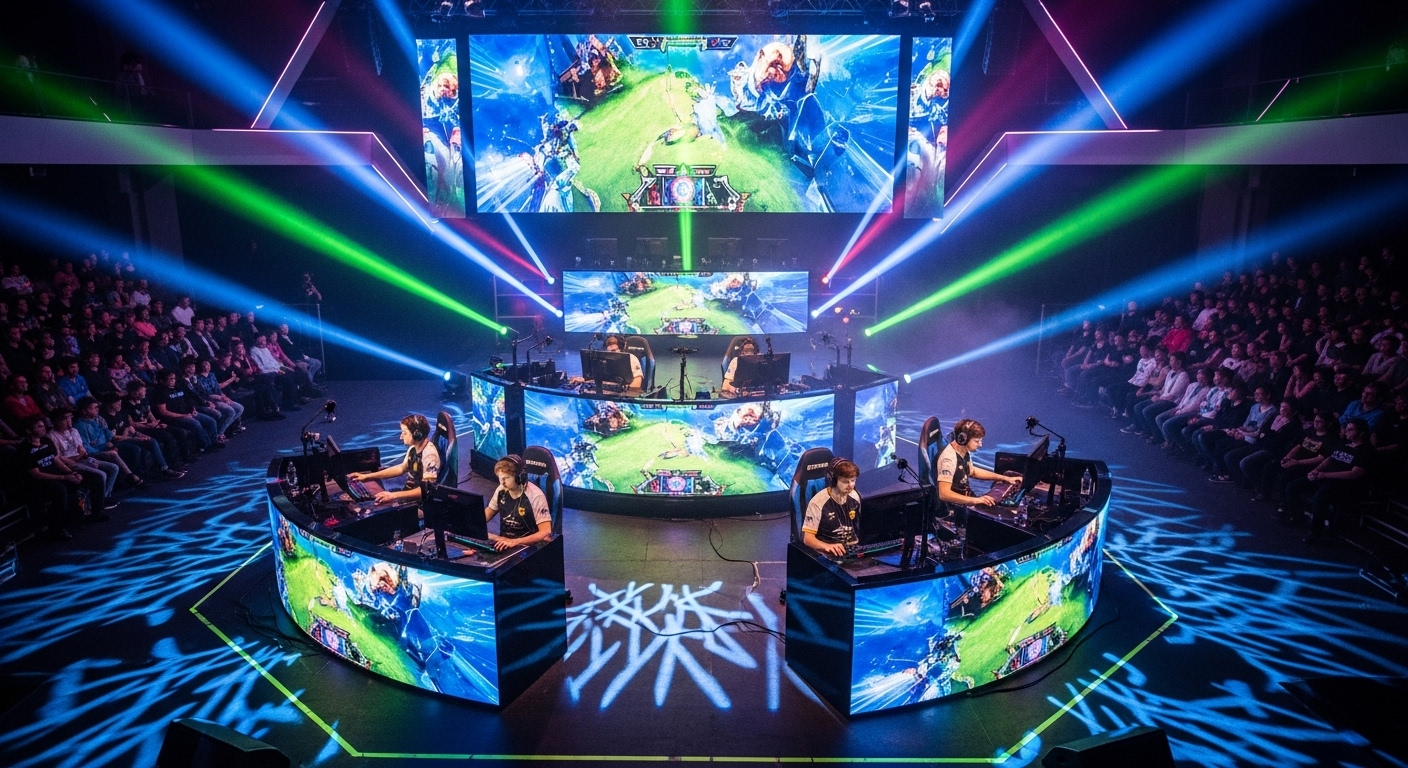
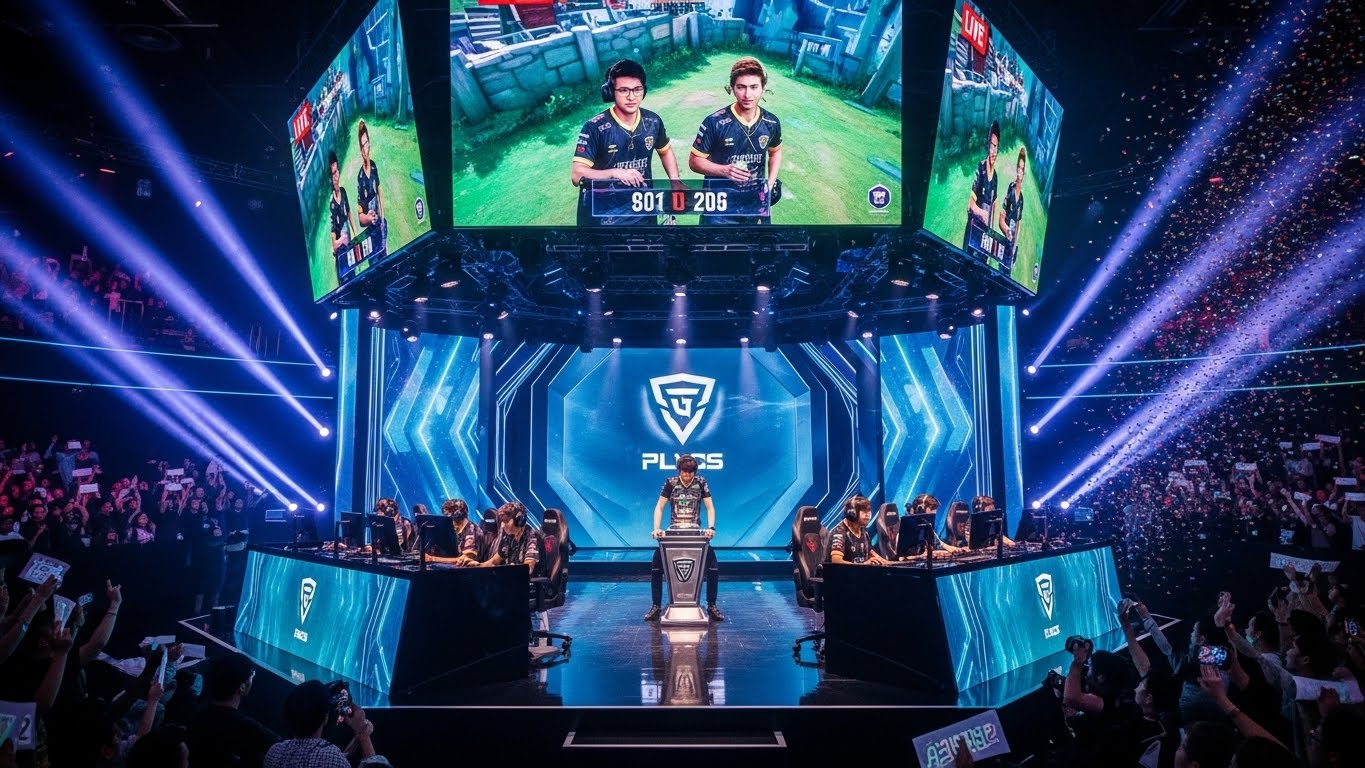
Esports events themselves have become spectacles. Whether it’s a League of Legends World Championship or a Fortnite World Cup, the production quality rivals that of the biggest traditional sports. Fans wear team jerseys, wave banners, and chant for their favorite players.
Esports and Education: A New Career Path
As esports gained legitimacy, it opened new opportunities beyond just playing. Schools and universities started creating esports programs, offering scholarships to talented players and developing courses in game design, marketing, and event management.
High schools across North America, Europe, and Asia now run esports clubs that teach teamwork, communication, and strategy. For many students, esports is not just about competition but also about building a future in a growing industry.
Careers in esports extend far beyond gaming. There are roles in broadcasting, production, journalism, coaching, and analytics. It’s a thriving ecosystem that provides opportunities for tech-minded and creative individuals alike.
The Business of Esports
The financial growth of esports is staggering. The global esports industry has generated billions in revenue from sponsorships, media rights, merchandise, and ticket sales. Major investors, including sports franchises and celebrities, have joined the space, adding credibility and financial backing.
Prize pools for major tournaments often exceed millions of dollars. Players at the top level earn salaries, bonuses, and sponsorship deals comparable to athletes in traditional sports.
Esports also drives hardware and software sales. Gaming PCs, peripherals, and streaming equipment have become household items. Developers use esports as a long-term marketing strategy, knowing that a competitive scene can sustain a game’s popularity for years.
Esports in the Mainstream
The perception of esports has shifted dramatically. What was once dismissed as “just playing video games” is now recognized as a legitimate sport requiring skill, discipline, and teamwork.
Esports events regularly fill stadiums such as Madison Square Garden and Staples Center. The Olympic movement has even started discussions about including esports in future games, acknowledging its growing cultural impact.
Television networks and streaming services have dedicated coverage to esports, and documentaries now explore the lives of professional players.
The Challenges Facing Esports
Despite its success, esports faces several challenges that could shape its future.
Player Health and Longevity
Professional players often face intense schedules, training for long hours each day. The physical strain from repetitive movements and the mental pressure from constant competition can lead to burnout.
Organizations are beginning to invest more in player welfare, offering mental health support, fitness programs, and career planning resources. But maintaining balance remains one of the biggest challenges for the industry.
Regulation and Fair Play
With so much money involved, maintaining integrity is crucial. Issues such as cheating, match-fixing, and doping have occasionally tainted the industry. Esports regulators and developers are working to establish standardized rules, anti-cheat systems, and governing bodies to protect the credibility of competition.
Sustainability and Diversity
The esports audience is young, and trends shift quickly. Games rise and fall in popularity, and maintaining consistent growth across multiple titles is difficult.
Additionally, esports still struggles with diversity and inclusion. Female players and underrepresented groups often face barriers to entry and harassment. Some organizations are now promoting inclusive tournaments and communities, but there’s still a long way to go.
The Future of Esports
The next decade will likely define the long-term stability of esports. Several trends are already shaping where the industry is heading.
Mobile Esports
With smartphones becoming more powerful, mobile games like PUBG Mobile, Mobile Legends, and Free Fire have brought competitive gaming to a massive global audience. Mobile esports is especially popular in regions like Southeast Asia, India, and Latin America, where mobile gaming is more accessible than PC setups.
Virtual Reality and the Metaverse
As VR technology improves, immersive esports experiences may become mainstream. The idea of competing in virtual arenas, moving physically within the game environment, and interacting with fans in digital spaces opens exciting possibilities for the future.
Traditional Sports Integration
Many traditional sports teams now own or sponsor esports organizations. This crossover will likely continue, blending the business models of sports franchises with the digital-native approach of esports.
Broadcast networks and streaming services will continue competing for rights to major tournaments, just as they do with football or basketball.
Why Esports Matters
At its core, esports is about connection. It brings people together across borders, languages, and backgrounds through a shared love of competition and creativity.
It has redefined what it means to be an athlete, what it means to be a fan, and how technology can shape human interaction.
For younger generations, esports represents not just entertainment but opportunity — a way to build careers, communities, and friendships. It shows that passion, discipline, and teamwork can exist in any arena, digital or physical.
Final Thoughts
Esports has come a long way from its modest beginnings. What started as casual matches in dorm rooms has evolved into one of the most dynamic and fast-growing industries in the world. It blends technology, culture, and competition in ways no other medium can.
The future of esports looks promising. As technology evolves and global interest grows, the boundaries between the virtual and real worlds will continue to blur. Whether you’re a player, fan, or newcomer, there has never been a better time to be part of the esports story.