
Introduction
Esports, or electronic sports, has grown from a niche hobby into a global phenomenon that rivals traditional sports in viewership, revenue, and cultural influence. Over the past two decades, competitive gaming has transformed into a multi-billion-dollar industry, with professional players, global tournaments, sponsorship deals, and international audiences.
What sets esports apart is the fusion of technology, strategy, and human skill. Unlike traditional sports, esports thrives in a digital environment, yet it demands mental acuity, teamwork, and precise execution. Games such as League of Legends, Dota 2, Counter-Strike: Global Offensive, and Fortnite have become cultural icons, drawing millions of fans and inspiring aspiring players worldwide.
This blog delves into the evolution of esports, the structure of the industry, the culture surrounding competitive gaming, challenges faced by the community, and the future of this rapidly growing phenomenon.
The Origins of Esports
Esports has roots that trace back to the earliest days of video gaming. In the 1970s, arcade competitions emerged as the first organized form of electronic gaming. Players competed for high scores in games like Pong, Space Invaders, and Pac-Man. These gatherings fostered a sense of community and laid the foundation for competitive gaming culture.
In the 1980s and 1990s, personal computers and networked gaming expanded the possibilities for competition. Games like Quake and StarCraft introduced competitive multiplayer experiences, where players could challenge opponents online and locally. South Korea became an early hub for professional gaming, particularly with StarCraft, where players competed in televised tournaments, achieving celebrity status and inspiring a generation of competitive gamers.
The evolution of the internet and online gaming platforms facilitated international competition. By the early 2000s, esports began moving beyond small communities to organized leagues, paving the way for the professional industry we recognize today.
The Esports Ecosystem
Modern esports is supported by a complex ecosystem consisting of players, teams, leagues, tournaments, streaming platforms, and sponsors. Each element plays a critical role in maintaining the industry’s momentum and sustainability.
Players
Professional players are at the heart of esports. Their success requires countless hours of practice, strategic thinking, teamwork, and adaptability. Unlike traditional athletes, esports competitors rely heavily on mental acuity, reaction speed, and precision hand-eye coordination. Many professional gamers begin their careers at a young age, dedicating themselves to daily training regimens that include practice matches, skill drills, and strategic analysis.
Teams
Teams provide structure, coaching, and support for individual players. Organizations like Cloud9, Fnatic, and Team Liquid are recognized worldwide for nurturing talent and competing at the highest level. Teams handle sponsorship negotiations, branding, and media interactions while developing strategies and coordinating practice schedules for their players. The professionalization of teams has been a significant driver of esports’ legitimacy.
Leagues and Tournaments
Structured competition is essential to esports. Leagues such as the League of Legends Championship Series (LCS) and Overwatch League operate with seasonal schedules, standings, and playoffs, much like traditional sports leagues.
Tournaments, on the other hand, provide intense, high-stakes competition. Events like The International for Dota 2, the Fortnite World Cup, and ESL One for CS:GO attract thousands of live spectators and millions of online viewers. These events often feature multi-million-dollar prize pools, demonstrating the economic impact and prestige of competitive gaming.
Streaming Platforms
The rise of platforms like Twitch, YouTube Gaming, and Trovo has revolutionized esports by connecting players directly with audiences. Fans can watch live competitions, interact with players through chat, and support their favorite streamers through subscriptions or donations. Streaming also enables content creation beyond competitions, allowing players to build personal brands and engage with global communities.
Sponsors and Brands
Sponsorships are a critical revenue source for esports. Brands from technology, fashion, beverage, and gaming industries invest heavily in players, teams, and events. Sponsorships provide financial stability for organizations, fund prize pools, and help build mainstream visibility for esports. The involvement of high-profile brands validates esports as a legitimate, professional industry.
Popular Esports Titles
Competitive gaming is diverse, encompassing multiple genres, each with its own community, skill set, and competitive structure.
- League of Legends (LoL): A multiplayer online battle arena game emphasizing strategy, teamwork, and quick decision-making. The annual World Championship draws millions of viewers globally.
- Dota 2: Known for The International, Dota 2 has some of the largest prize pools in esports history. The game combines complex strategy and precision gameplay.
- Counter-Strike: Global Offensive (CS:GO): A first-person shooter that demands precision aiming, communication, and tactical execution. Major tournaments like ESL One and BLAST Premier attract massive audiences.
- Fortnite: A battle royale game that blends shooting mechanics, building skills, and strategic planning. The Fortnite World Cup demonstrated the mainstream appeal of esports.
- Overwatch: A team-based shooter that combines strategy, character abilities, and real-time coordination, supporting seasonal professional leagues.
- Call of Duty: A fast-paced shooter with competitive leagues and tournaments that attract both casual and professional players.
Each game presents a unique competitive environment, contributing to the breadth and appeal of esports worldwide.
Prize Pools and Competition Intensity
Prize pools play a pivotal role in shaping competitive esports. Large rewards attract top-tier talent, inspire dedication, and elevate the stakes of tournaments. The International, for example, has featured prize pools exceeding forty million dollars, demonstrating the economic potential of esports.
Prize pools also serve as indicators of prestige. High-stakes competitions draw media coverage, sponsorship deals, and fan interest. Players are motivated not only by financial rewards but also by recognition and career opportunities associated with success at major tournaments.
Esports as a Spectator Experience
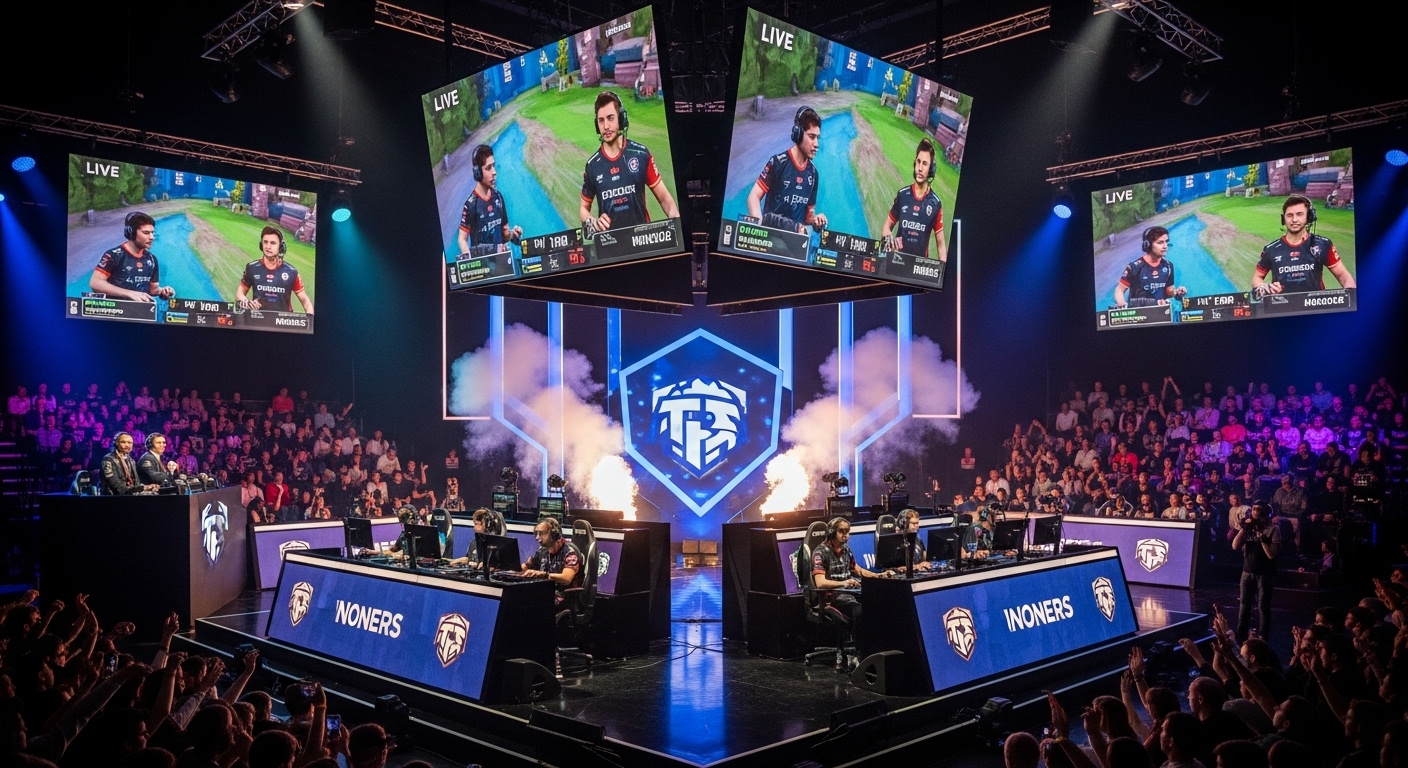
Esports is uniquely suited for spectatorship. Fans watch skilled players navigate complex strategies and intense competition. Professional commentary, dynamic camera angles, and real-time analytics enhance the viewing experience, making esports as engaging as any traditional sporting event.
Major tournaments fill arenas in cities like Los Angeles, Seoul, and Shanghai. Millions of online viewers participate through live streaming platforms, chatting with other fans, and engaging with content creators. The interactive nature of esports viewing fosters a sense of community and immersion that is unparalleled in traditional sports.
The rise of esports media, including documentaries, analysis shows, and highlight reels, has made the competitive scene more accessible to casual fans, further expanding the audience and mainstream appeal.
Cultural Significance of Esports
Esports has reshaped perceptions of gaming, transforming it into a legitimate career path and cultural phenomenon. Professional players are celebrated as athletes, with fan bases rivaling those of traditional sports stars. Competitive gaming has created global communities, connecting players from diverse backgrounds through shared experiences.
The industry has also influenced education and employment. Many schools and universities now offer esports programs, scholarships, and academic courses in game design, strategy, and event management. These initiatives reflect recognition of esports as a professional and educational pursuit, further solidifying its legitimacy.
Esports has also become a platform for creativity and cultural expression. Players and fans contribute to memes, fan art, content creation, and live commentary, building rich, interactive communities around games.
Challenges in Esports
Despite its success, esports faces several challenges that could impact growth and sustainability.
- Mental Health and Burnout: Intense training, travel schedules, and high expectations can lead to stress and mental health challenges. Support systems are increasingly necessary for player well-being.
- Cheating and Integrity: Online gaming is vulnerable to cheating and hacking, which threatens the credibility of competitions. Anti-cheat technologies and regulations are essential.
- Diversity and Inclusion: The industry has historically struggled with gender representation and inclusivity. Initiatives to promote safe, welcoming environments are ongoing.
- Monetization for Smaller Teams: While top-tier organizations thrive financially, smaller teams may struggle to sustain themselves, highlighting the need for a more balanced ecosystem.
Addressing these challenges is crucial to ensure the continued growth, credibility, and global reach of esports.
The Future of Esports
The future of esports promises technological innovation and broader cultural integration. Virtual reality and augmented reality could create immersive competitive experiences, while artificial intelligence can enhance training, strategy, and personalized content. Mobile gaming is expanding opportunities, particularly in regions where console or PC gaming is less accessible.
Esports may increasingly intersect with traditional sports, live entertainment, and digital media. Hybrid events combining gaming, live performance, and audience interaction are likely to become more common. Educational and governmental support for esports as a career and academic field will further institutionalize the industry.
With continued innovation, esports is poised to become a fully mainstream global phenomenon, shaping entertainment, technology, and culture for generations to come.
Conclusion
Esports has grown from a niche hobby to a global entertainment powerhouse in just a few decades. It has created careers, inspired communities, and generated cultural significance that rivals traditional sports. Players, teams, tournaments, streaming platforms, and sponsors collectively drive the industry’s growth, creating an ecosystem that supports both competition and entertainment.
Challenges remain, including mental health concerns, diversity, and financial sustainability, but the momentum behind esports is undeniable. As technology advances and audiences expand, competitive gaming is likely to continue shaping entertainment and culture worldwide.
Esports represents a new era of competition, strategy, and community. It highlights human skill, creativity, and passion in a digital environment, offering experiences that are immersive, interactive, and inspiring. The evolution of esports is a testament to the enduring power of play and the limitless potential of digital entertainment.