Introduction
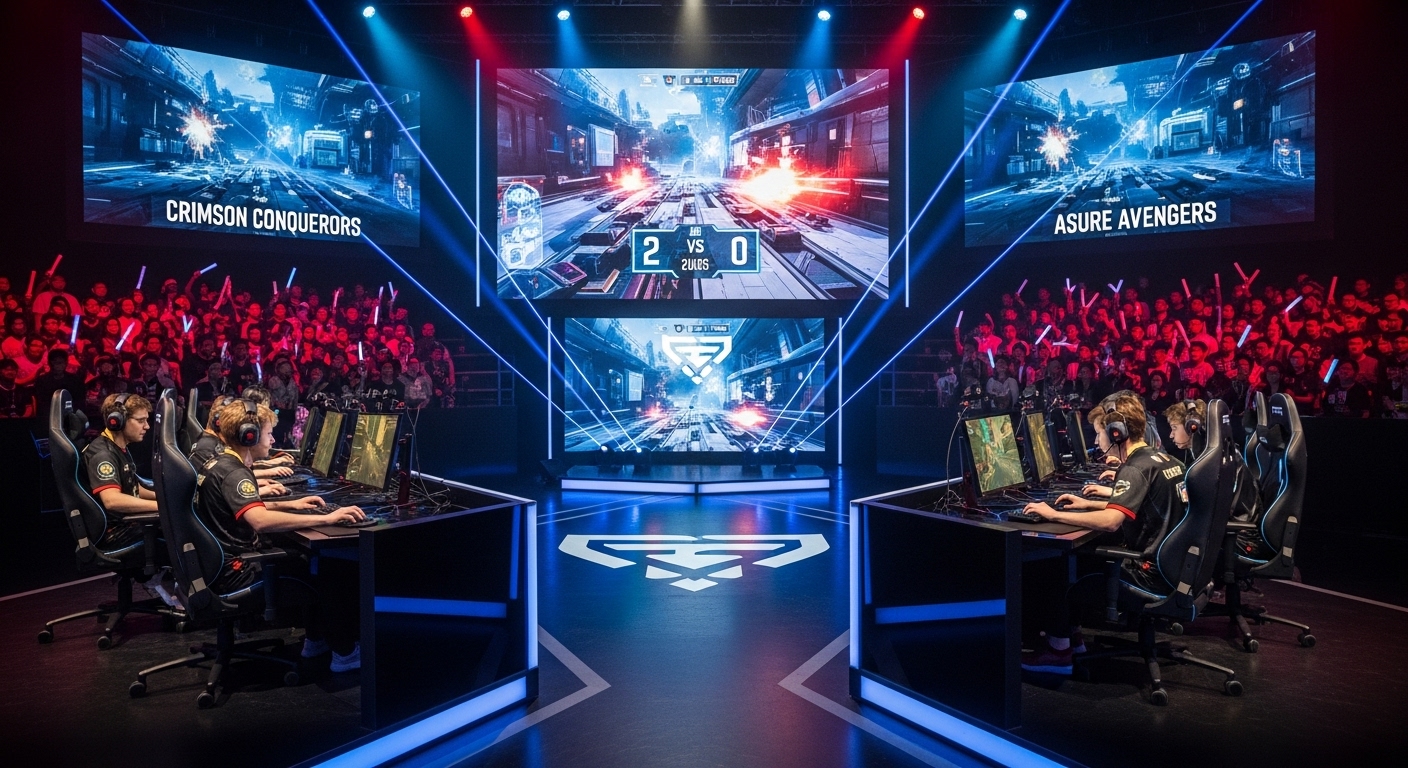
In the past few decades, the world of entertainment has witnessed a monumental transformation. One of the most fascinating developments in this digital revolution is the emergence of Esports, or electronic sports. What began as friendly competitions among gamers has evolved into a billion-dollar global industry that rivals traditional sports in popularity, professionalism, and influence. Esports has become more than just gaming—it is a cultural movement, a profession, a spectator sport, and an international phenomenon that continues to grow at an extraordinary pace.
This blog delves deep into the rise, development, and impact of Esports, exploring how it reshaped gaming culture, created new careers, and redefined the meaning of competition in the digital age.
The Origins of Esports
The concept of Esports can be traced back to the early days of video gaming in the 1970s and 1980s. The first known competitive gaming event took place in 1972 at Stanford University, where students competed in the game Spacewar!. The prize was a year’s subscription to Rolling Stone magazine—a modest beginning for what would later become a multi-million-dollar industry.
In the 1980s, as arcade games gained popularity, titles like Pac-Man, Donkey Kong, and Space Invaders became staples of competitive gaming. The Space Invaders Championship held in 1980 attracted more than 10,000 participants across the United States, marking the first large-scale video game competition. This era laid the foundation for the idea that gaming could be more than casual entertainment—it could be a legitimate form of competition.
The Rise of Online Gaming and Community Building
The 1990s marked a turning point for Esports, fueled by rapid technological advancements and the birth of the internet. Games like Doom, Quake, and StarCraft introduced multiplayer modes that allowed players to compete across local and global networks. The rise of LAN parties—where players connected computers in the same location to battle against each other—became a cultural phenomenon among gamers.
At the same time, the internet connected people from different parts of the world, allowing for the creation of gaming communities and online tournaments. The late 1990s saw the formation of the first professional gaming leagues, such as the Cyberathlete Professional League (CPL) and QuakeCon, which attracted sponsorships, media attention, and growing prize pools.
By the end of the decade, Esports had developed its own infrastructure—teams, leagues, tournaments, and fans. It was no longer a hobby but a structured and competitive ecosystem.
The 2000s: The Birth of Modern Esports
The early 2000s can be considered the era when Esports truly began to take shape as a professional industry. Broadband internet became widespread, making online multiplayer gaming more accessible than ever. Games like Counter-Strike, Warcraft III, and Halo became the cornerstones of competitive gaming.
In South Korea, Esports transformed into a national phenomenon. With the rise of StarCraft, the country established professional leagues, televised matches, and gaming celebrities who enjoyed the same fame as traditional athletes. The Korean government even recognized Esports as an official sport, leading to the creation of professional gaming associations.
This period also saw the formation of early global tournaments such as the World Cyber Games (WCG) and the Electronic Sports World Cup (ESWC). These events brought together players from around the world, fostering international competition and recognition for Esports as a legitimate sporting event.
The Streaming Revolution and Global Expansion
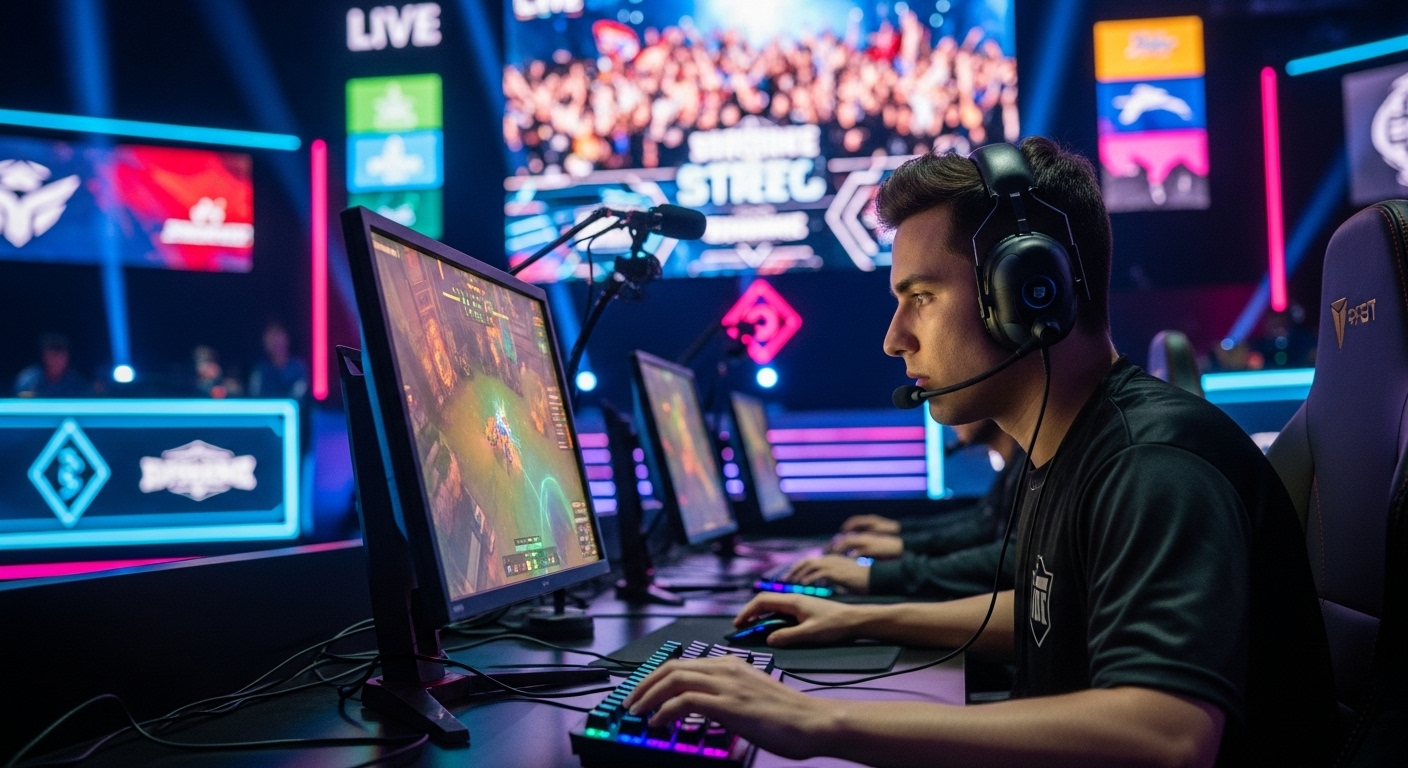
The 2010s were the decade that catapulted Esports into mainstream culture. A major factor behind this rise was the explosion of live-streaming platforms such as Twitch, YouTube Gaming, and Facebook Gaming. For the first time, fans could watch their favorite players compete live from anywhere in the world. This accessibility transformed Esports into a spectator sport, allowing millions of viewers to engage in real time.
Games like League of Legends, Dota 2, and Counter-Strike: Global Offensive (CS:GO) became household names. These titles offered strategic depth, teamwork, and entertainment value comparable to traditional sports. The League of Legends World Championship and The International (Dota 2) attracted millions of viewers and featured prize pools worth tens of millions of dollars, solidifying Esports as a global industry.
The emergence of professional organizations such as Team Liquid, Fnatic, and Cloud9 introduced new levels of professionalism, training, and branding to the scene. Players began receiving salaries, sponsorships, and training facilities similar to those of athletes in conventional sports.
The Role of Technology and Innovation
Technology has always been at the heart of Esports. The rapid evolution of gaming hardware, software, and online infrastructure has allowed competitive gaming to flourish. High-performance computers, advanced graphics, and low-latency connections have made online play smoother and more reliable.
Moreover, artificial intelligence, virtual reality (VR), and augmented reality (AR) are beginning to shape the future of Esports. AI-driven coaching tools help players analyze gameplay patterns and optimize strategies, while VR Esports is introducing new ways to engage both players and audiences.
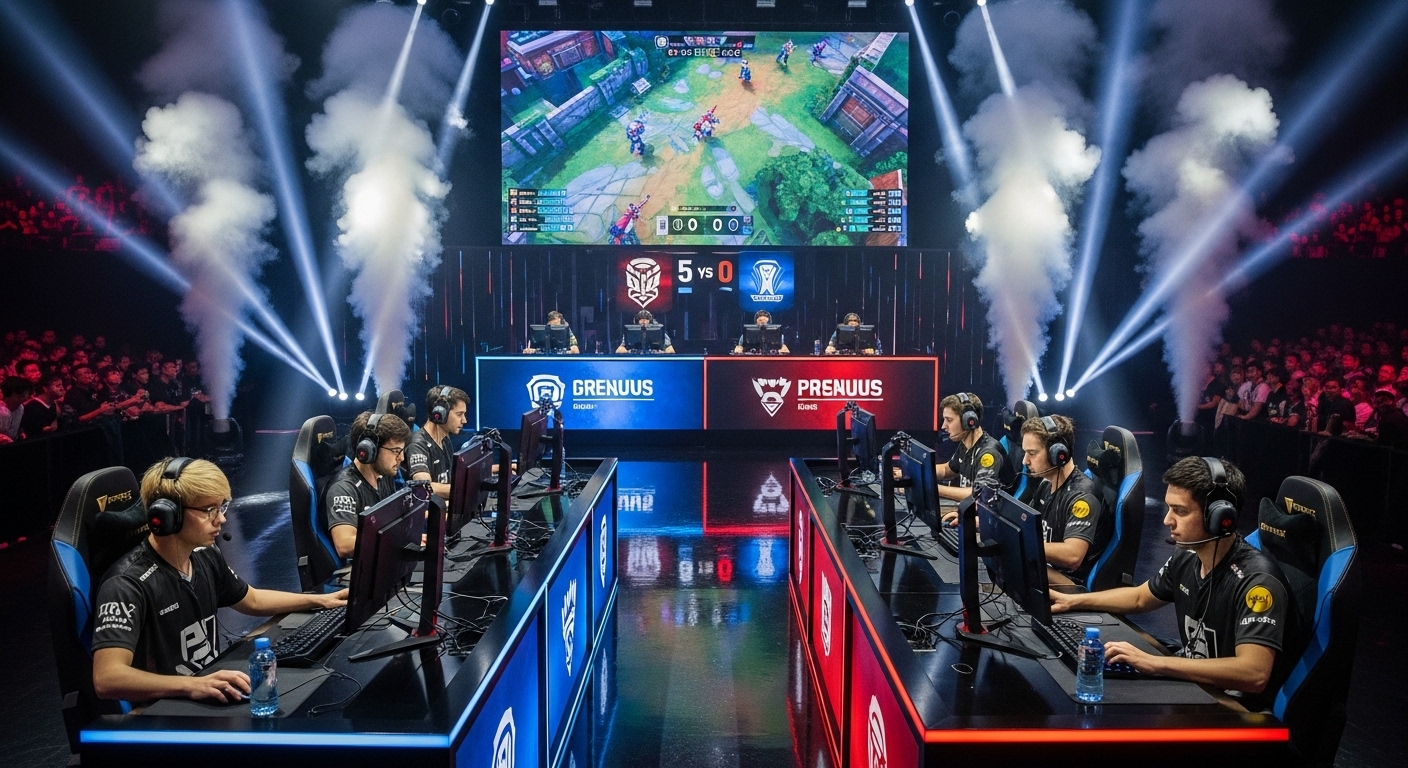
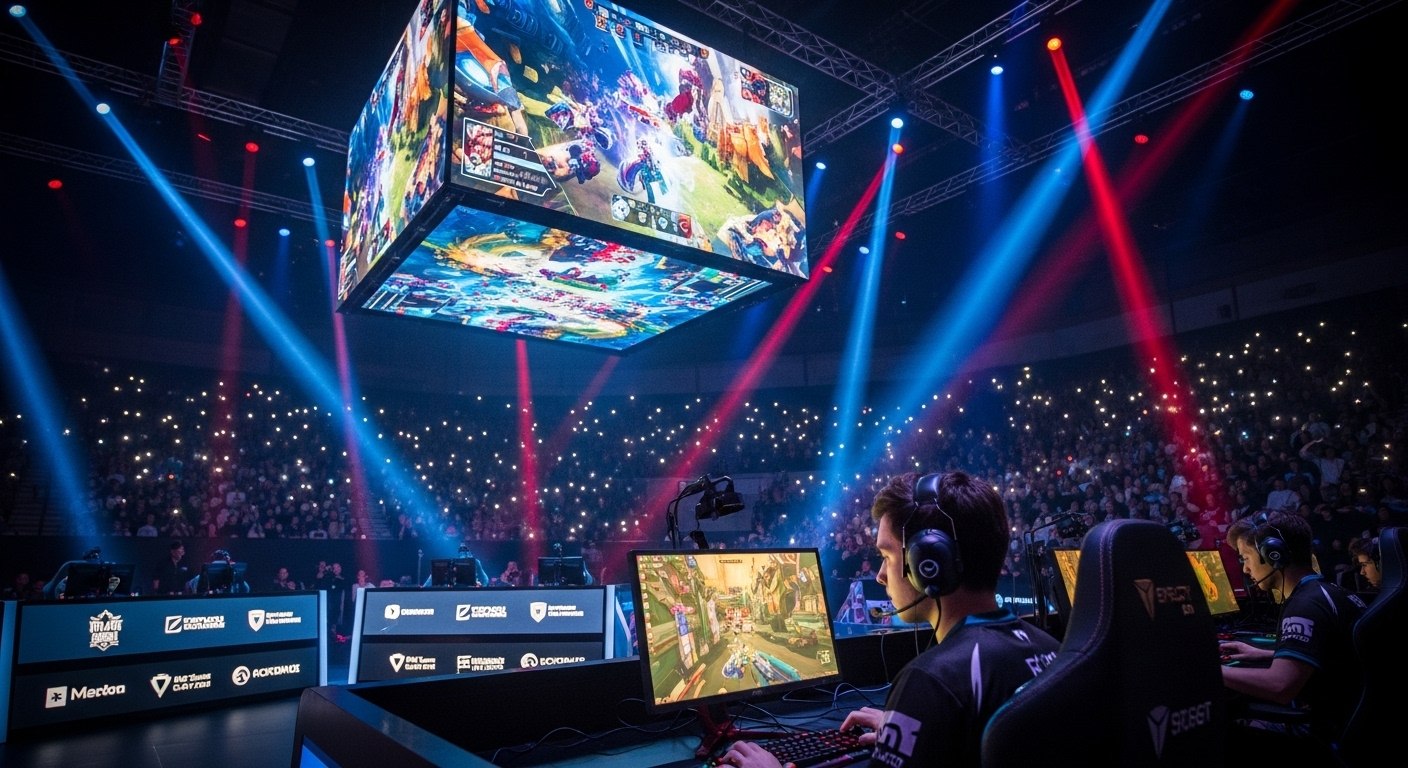
Spectator technology has also evolved. Broadcasts now include professional commentary, instant replays, augmented overlays, and crowd interactions—creating an experience comparable to major sporting events like football or basketball.
The Business and Economics of Esports
Esports is no longer just about playing games; it is a massive industry involving sponsorships, advertising, merchandise, and media rights. Brands across all sectors—from tech giants to energy drinks—have invested heavily in Esports to reach younger, tech-savvy audiences.
Major corporations now sponsor teams and tournaments, while dedicated Esports arenas have been built in cities around the world. The economic ecosystem of Esports includes game developers, tournament organizers, streaming platforms, advertisers, and content creators, all contributing to its exponential growth.
Prize money in Esports tournaments has also reached staggering levels. The International 2021 featured a prize pool exceeding 40 million dollars, demonstrating the financial power of the industry. Furthermore, Esports organizations generate revenue through merchandising, digital content, and partnerships, creating sustainable business models.
The Culture and Community of Esports
At its core, Esports is a community-driven culture. It thrives on passion, creativity, and connection. Fans not only watch games but also participate by joining online discussions, creating content, and following their favorite teams and players on social media.
The rise of gaming influencers and streamers has further blurred the lines between professional Esports and entertainment. Personalities like Ninja, Shroud, and Faker have become cultural icons, attracting millions of fans worldwide. These figures represent the fusion of skill, charisma, and digital presence that defines the modern Esports era.
The sense of belonging and shared enthusiasm among fans is a defining characteristic of Esports culture. Online forums, fan art, memes, and in-person conventions contribute to a vibrant community that continues to grow each year.
Esports as a Career Path
In the early days of gaming, the idea of making a living through video games seemed unrealistic. Today, Esports offers numerous career opportunities, from professional players and coaches to analysts, broadcasters, event organizers, and content creators.
Players now sign contracts, earn salaries, and receive benefits similar to athletes in traditional sports. Many organizations offer structured training programs, mental health support, and fitness regimens to ensure players perform at their best.
Beyond the players, the industry provides opportunities for writers, designers, marketers, and managers who contribute to team branding and operations. Universities around the world have even begun offering Esports scholarships, recognizing it as a legitimate academic and professional pursuit.
Esports and Education
An interesting development in recent years is the integration of Esports into educational systems. Schools and universities have started forming Esports teams, viewing gaming as a way to teach teamwork, strategic thinking, and digital literacy.
Collegiate Esports leagues have emerged across North America, Europe, and Asia, offering students a platform to compete while pursuing their education. Educational institutions are also developing courses related to Esports management, marketing, and game design, preparing the next generation of industry professionals.
Challenges in the Esports Industry
Despite its rapid success, Esports faces several challenges that need attention. One of the biggest issues is player burnout, as intense schedules and long practice hours can lead to mental and physical exhaustion. There is also an ongoing discussion about fair wages, player contracts, and career longevity.
Another challenge is the lack of standardized regulations across regions. Unlike traditional sports, Esports operates in a decentralized manner, with different publishers controlling their respective games and tournaments. This fragmentation can create inconsistencies in rules and governance.
Additionally, issues like online toxicity, cheating, and match-fixing continue to threaten the integrity of the industry. However, many organizations and developers are actively implementing measures to ensure fair play and player welfare.
The Global Reach of Esports
Esports has transcended cultural and geographical boundaries. Asia remains the dominant hub, particularly countries like South Korea, China, and Japan, but North America and Europe have also built strong Esports infrastructures. Regions such as the Middle East, Africa, and South America are now emerging as new frontiers for competitive gaming.
Global tournaments bring together players from different cultures, promoting cross-border collaboration and unity. In many ways, Esports has become a universal language—one that connects people regardless of race, gender, or nationality.
The Future of Esports
The future of Esports looks brighter than ever. With technological innovations such as 5G, cloud gaming, and virtual reality on the horizon, competitive gaming will continue to evolve. The integration of blockchain and digital collectibles may also reshape the economy of Esports, allowing fans to own digital assets connected to their favorite teams and players.
Esports could even become part of the Olympic Games in the near future, as discussions about its inclusion continue. The International Olympic Committee has already hosted Esports exhibition events, recognizing its global appeal and professional structure.
In the years ahead, we can expect Esports to expand further into education, media, and entertainment industries. The boundaries between digital and physical sports will continue to blur, creating new hybrid experiences that redefine what it means to be an athlete or a spectator.
Conclusion
Esports is more than just a passing trend—it is a reflection of the modern world’s digital transformation. What started as small competitions among passionate gamers has evolved into a global industry that rivals traditional sports in scale, excitement, and cultural significance.
From humble beginnings in college labs to sold-out stadiums filled with cheering fans, Esports represents the power of technology, creativity, and community. It has opened new doors for careers, innovation, and connection across the globe.
As the industry continues to grow, it will inspire future generations to dream, compete, and connect through the universal language of gaming. Esports is not the future—it is the present, and it continues to shape the way we experience competition, entertainment, and human achievement.