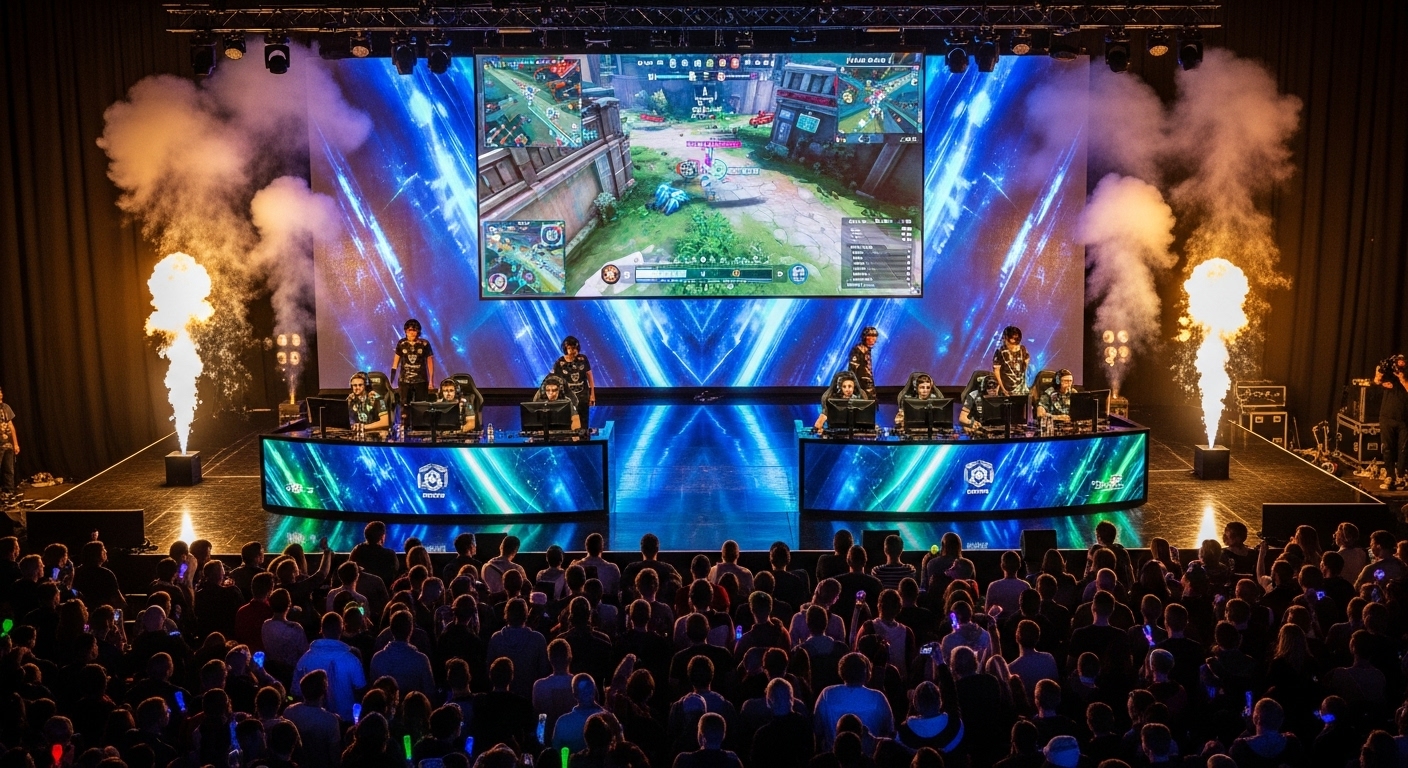
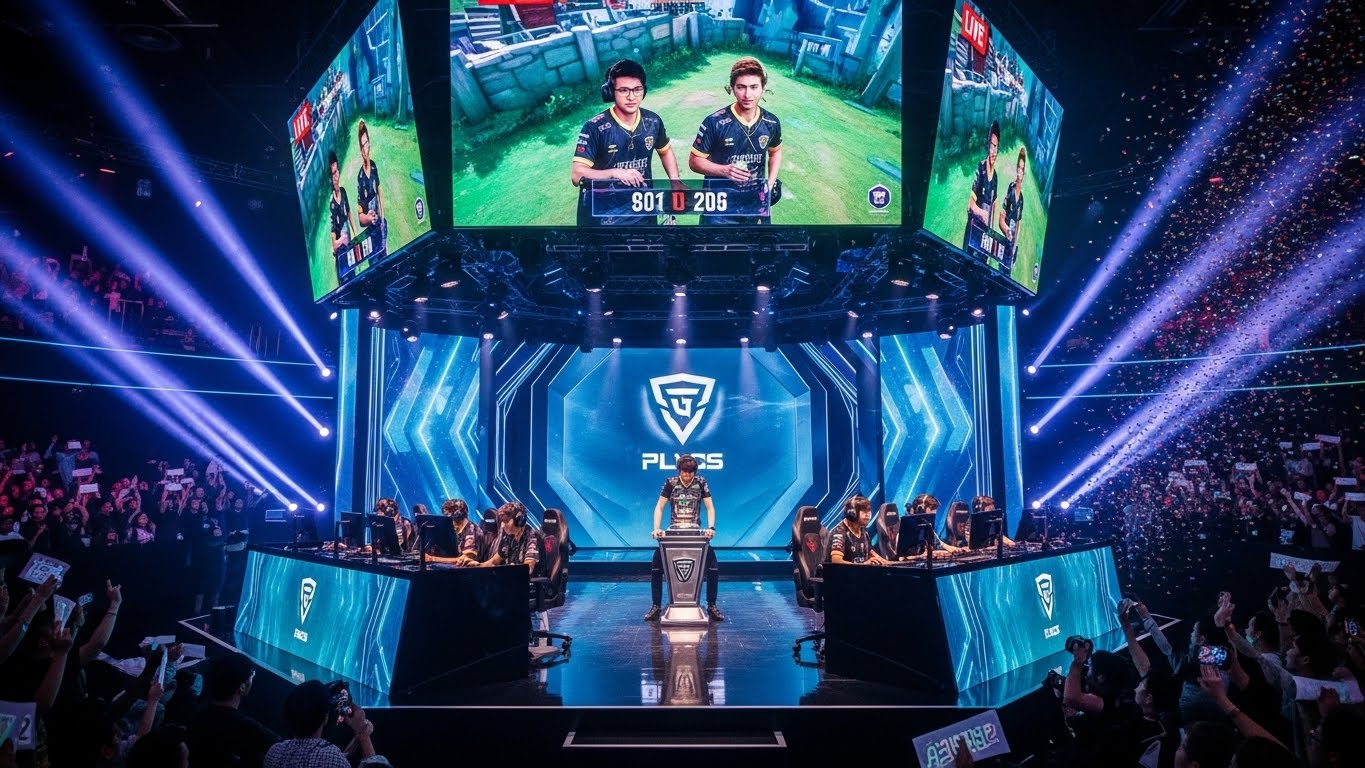
Esports, once a niche hobby, has evolved into a global phenomenon. It now rivals traditional sports in viewership, revenue, and cultural influence. With massive tournaments, sponsorships from major brands, and a fan base that spans continents, esports has become a cornerstone of the digital age. This blog post delves into the rise of esports, the mechanics of competitive gaming, the business model, and its impact on the gaming industry and global entertainment culture.
The Evolution of Esports
Esports, short for electronic sports, refers to organized multiplayer video game competitions, particularly between professional players, individually or as teams. Although video gaming has existed since the 1970s, the competitive aspect of gaming didn’t emerge until the late 1990s, with the rise of games like StarCraft, Quake, and Warcraft. Early tournaments were relatively small and localized, with players often competing in LAN (Local Area Network) parties.
However, the 2000s marked a significant shift. The proliferation of high-speed internet connections, better gaming hardware, and more sophisticated games created an ecosystem for esports to flourish. One of the pivotal moments came in 2000 when Major League Gaming (MLG) was founded, providing a platform for competitive gaming to gain credibility and visibility. Major publishers, such as Blizzard and Riot Games, also helped steer the esports revolution by designing games tailored for competitive play, such as StarCraft II and League of Legends.
Today, esports spans multiple genres: MOBAs (Multiplayer Online Battle Arenas), FPS (First-Person Shooters), RTS (Real-Time Strategy), and Battle Royale games. Titles like Dota 2, Counter-Strike: Global Offensive, Fortnite, and Overwatch draw millions of players and viewers from all over the world.
The Mechanics of Esports Competitions
Esports competitions are highly structured and operate similarly to traditional sports. Players or teams compete in a series of tournaments, each with its own format and prize pool. These events range from online qualifiers to large, international tournaments hosted in massive arenas. The most prestigious events offer millions in prize money, and top-tier players can secure lucrative sponsorships, salary contracts, and streaming deals.
The skill required in esports is immense. Professional gamers are not just good at playing their games—they are exceptional at understanding game mechanics, executing strategies, and reading the actions of their opponents in real-time. Much like traditional sports, training is essential. Professional players practice for hours each day, refining their mechanics, working with coaches, and analyzing past games to improve their performance.
One of the key differentiators of esports from traditional sports is the virtual nature of the competition. Unlike physical sports, where the environment and the athletes’ physical conditioning play a significant role, esports players rely almost entirely on mental sharpness, teamwork, and strategic thinking. This has led to the rise of “esports psychology” as a field, with experts working to optimize player focus, stress management, and overall mental health during competition.
The Global Impact of Esports
Esports is a global phenomenon. With the rise of digital platforms such as Twitch, YouTube Gaming, and Facebook Gaming, esports has bridged cultural gaps and united fans from all corners of the globe. Esports tournaments are live-streamed to millions of viewers, creating a digital stadium experience that rivals major physical sports events in terms of viewership.
The International, League of Legends World Championship, and Fortnite World Cup are just a few examples of esports events that have attracted millions of viewers, both online and offline. The League of Legends World Championship, for instance, has seen peak viewership numbers in the range of 100 million unique viewers, comparable to the Super Bowl. The event’s success is a testament to the fact that esports is no longer just a hobby or niche interest—it is a fully-fledged entertainment industry.
Esports also has a significant impact on other sectors, including media, technology, and tourism. As tournaments continue to grow in scale, major media outlets are dedicating more coverage to esports. Traditional sports broadcasters like ESPN, Turner Sports, and even the BBC have started airing esports tournaments, showcasing the widespread appeal of competitive gaming.
Moreover, esports has introduced new economic opportunities. The rise of esports teams, streaming careers, and even content creation around gaming (through blogs, videos, and social media) has created a booming job market. Professional players, coaches, analysts, broadcasters, event organizers, and content creators all have roles within the esports ecosystem.
The Business of Esports: Revenue and Sponsorships
The business of esports is multi-faceted, with multiple revenue streams flowing into the industry. One of the primary sources of revenue is sponsorships. Major brands such as Coca-Cola, Nike, and Intel have entered the esports arena, recognizing its power to reach younger, tech-savvy audiences. These sponsorships are often tied to individual players, teams, and even specific tournaments.
Another key revenue stream is media rights. Just as sports leagues negotiate broadcasting rights for their events, esports leagues and tournament organizers do the same. Platforms like Twitch and YouTube pay for exclusive streaming rights, while others, like ESL and DreamHack, generate income through event broadcasting on television and the internet.
Merchandising is also a growing sector in the esports industry. As esports teams gain more recognition, they have created merchandise lines similar to traditional sports teams, offering apparel, accessories, and other branded products. Fans who follow specific teams often buy merchandise as a way of expressing their support, which adds another layer of revenue for esports organizations.
Prize money is another significant factor driving the esports industry. Top-tier players and teams compete for millions of dollars in prize money each year. For example, The International—the annual Dota 2 tournament—boasts a prize pool of over $40 million. These massive sums have attracted the best players from around the world, fueling the competitive nature of esports and providing financial incentives for those at the top of the industry.
The Role of Streaming Platforms in Esports
Streaming has become an essential part of the esports ecosystem. Platforms like Twitch, YouTube Gaming, and Facebook Gaming have revolutionized the way esports is consumed. These platforms allow fans to watch live streams of their favorite players and teams, participate in live chats, and engage with content creators in real-time.
Twitch, the most popular streaming platform for gamers, has been instrumental in the rise of esports. It offers both professional tournament streams and personal broadcasts from casual gamers. The interactive nature of Twitch has created a sense of community around esports, with fans often donating, subscribing, and interacting with streamers. Many esports stars have gained significant followings through their streams, adding to their marketability and broadening their appeal.
For aspiring players, streaming is not only a way to gain recognition but also a legitimate career path. Many esports professionals also stream, either as a side hustle or as part of their overall brand. This convergence of competitive play and streaming has helped to build a sustainable career ecosystem for gamers, enabling them to monetize their skills and reach global audiences.
The Future of Esports: Challenges and Opportunities
As esports continues to grow, it faces several challenges and opportunities. One of the biggest challenges is the question of sustainability. As the industry grows, it will need to find ways to maintain its momentum. This includes ensuring that players are supported and that the ecosystem remains financially viable for all involved, from grassroots organizations to the top-tier franchises.
Another challenge is the evolving relationship between esports and traditional sports. While esports has established its own identity, there are concerns about its legitimacy as a “real” sport. Although competitive gaming has been recognized by some countries and sports organizations, it has yet to achieve universal recognition as a fully-fledged sport.
Nevertheless, the future of esports looks incredibly bright. With the continued growth of mobile gaming, virtual reality, and augmented reality, esports will likely evolve and diversify in ways we can’t yet predict. As more universities and schools adopt esports programs, the next generation of professional players will emerge from more structured and formal training environments. The rise of new technologies, coupled with the growing popularity of esports, means that the next few decades could witness a deeper integration of esports into global culture.
Conclusion: The Dominance of Esports in the Digital Age
Esports has grown from a subculture into a global industry, one that is redefining how we think about competitive gaming and entertainment. As its fanbase and revenue continue to soar, esports is poised to be a dominant force in the global entertainment landscape. Whether through major tournaments, sponsorship deals, or streaming platforms, esports is not just a trend—it’s here to stay.
The rise of esports also reflects a larger shift in the way people consume entertainment. Audiences no longer just watch traditional sports or television—they participate in digital communities, follow influencers, and engage in real-time experiences that break down the barriers between viewers and competitors. In many ways, esports represents the future of how we interact with entertainment, blending technology, competition, and community in ways that are unique to the digital age.