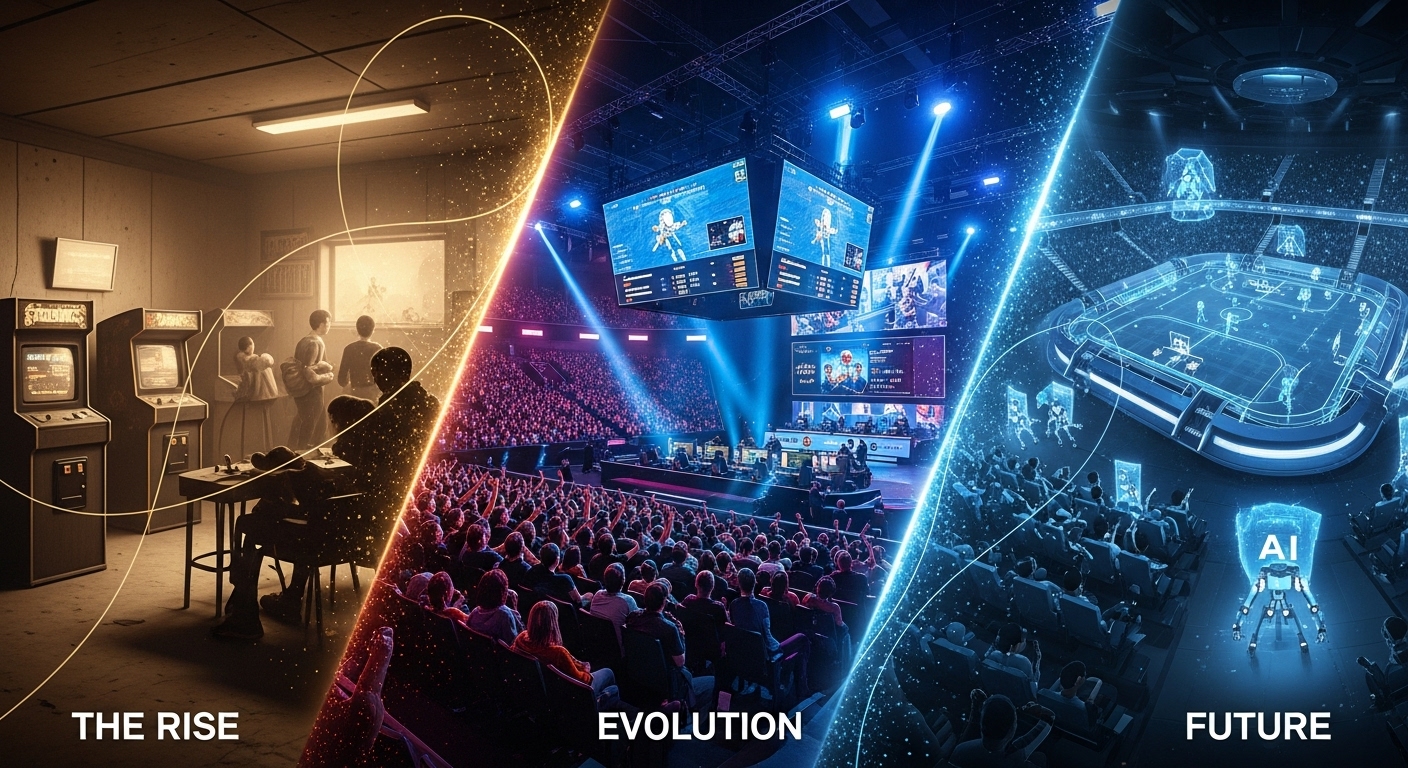
Esports, once a niche interest for passionate gamers, has rapidly evolved into a multi-billion-dollar industry that commands massive global audiences. Today, competitive gaming is not just about playing video games—it’s a dynamic ecosystem where skilled players, dedicated teams, major sponsors, and millions of fans converge to create an exciting and ever-expanding world of entertainment. Esports is no longer confined to small tournaments held in community centers; it has grown into a massive global spectacle that rivals traditional sports in both viewership and revenue. This blog post explores the rise, development, and future of esports, shedding light on how it has transformed from a hobby to a mainstream cultural phenomenon.
The Birth of Esports: A Subculture Emerges
The origins of esports can be traced back to the early days of video gaming. While competitive gaming existed in some form as early as the 1970s, it wasn’t until the late 1990s and early 2000s that esports as we know it began to take shape. The first major esports tournaments were small, local competitions organized by fans and hobbyists. Gamers would gather in person to compete in multiplayer games like Quake, StarCraft, and Counter-Strike. These early LAN (Local Area Network) parties and tournaments were the breeding grounds for a community of passionate and competitive gamers.
By the early 2000s, esports started to gain more recognition as a serious competition. Organized events such as World Cyber Games (WCG) and the Electronic Sports World Cup (ESWC) began to draw more players and fans, offering larger prizes and more formalized structures. These early events helped solidify esports as more than just a casual pastime. They laid the foundation for the establishment of professional gaming organizations and created a platform for players to gain recognition on the global stage.
The Evolution of Esports: Professionalism and Global Appeal
As gaming technology and internet infrastructure improved, esports began to flourish. Broadband internet allowed for faster and more reliable connections, enabling gamers from all around the world to compete in real-time. The development of iconic competitive games like League of Legends, Dota 2, Overwatch, and Counter-Strike: Global Offensive helped fuel the rapid expansion of the esports ecosystem. These games were designed with competitive play in mind, featuring complex mechanics and strategic depth that made them ideal for professional tournaments.
One of the most significant milestones in the growth of esports came with the establishment of dedicated esports leagues. League of Legends created the League of Legends Championship Series (LCS) in North America, and Dota 2 launched the world-renowned The International tournament, offering multi-million-dollar prize pools that attracted top-tier players from around the world. These events not only provided substantial financial rewards but also established a competitive structure that allowed players to build careers around their gaming skills.
In parallel with these developments, platforms like Twitch emerged, offering a space for gamers to live-stream their gameplay and engage with audiences in real-time. Twitch revolutionized the way people consumed esports content, allowing viewers to watch tournaments and follow their favorite players from the comfort of their homes. The popularity of live-streaming also created new opportunities for players to monetize their skills, with many professional gamers becoming full-time content creators.
The Business of Esports: Revenue Streams and Corporate Sponsorships
As esports grew in popularity, it attracted the attention of major corporations and sponsors eager to tap into this burgeoning market. The business side of esports quickly became as complex and sophisticated as the games themselves. Esports now generates revenue through multiple channels, including sponsorships, advertising, media rights, merchandise sales, and ticket sales for live events.
Sponsorship and Advertising
Sponsorships are a major revenue stream for esports organizations and tournaments. Leading global brands, including Intel, Coca-Cola, Nike, and Red Bull, have invested heavily in the esports scene by sponsoring teams, players, and tournaments. These sponsorships provide significant financial backing, allowing esports organizations to cover operational costs, offer player salaries, and enhance their event productions. In return, companies gain exposure to a highly engaged, tech-savvy, and youthful audience—demographics that are often difficult to reach through traditional advertising channels.
The esports industry also benefits from advertising revenue through its live broadcasts. During major tournaments, sponsors can place ads in-stream, while individual streamers on platforms like Twitch and YouTube Gaming can monetize their channels through ads, paid subscriptions, and viewer donations. The growing popularity of esports has made it an attractive option for companies looking to advertise products, services, and digital platforms in innovative ways.
Media Rights and Broadcasting
Media rights represent another significant revenue stream for the esports industry. Major tournaments and leagues often negotiate broadcast deals with streaming platforms, television networks, and online channels to ensure widespread coverage. For example, in 2019, The International 9 (Dota 2’s premier event) had its grand finals broadcast on ESPN, further legitimizing esports as a mainstream form of entertainment.
Platforms like Twitch, YouTube Gaming, and Facebook Gaming are critical in the esports broadcasting ecosystem. These platforms allow fans to watch live events, follow their favorite players, and participate in live chat, making the viewing experience more interactive and engaging. These platforms have become integral to the growth of esports, enabling the industry to attract massive audiences and generate substantial revenue from media rights.
Merchandise and Ticket Sales
Another important source of income for esports organizations comes from the sale of branded merchandise. Just like traditional sports teams, esports teams have established their own fanbases that eagerly purchase jerseys, hats, and other merchandise to show their support. This creates a direct connection between the players, teams, and their fans, further promoting the esports culture.
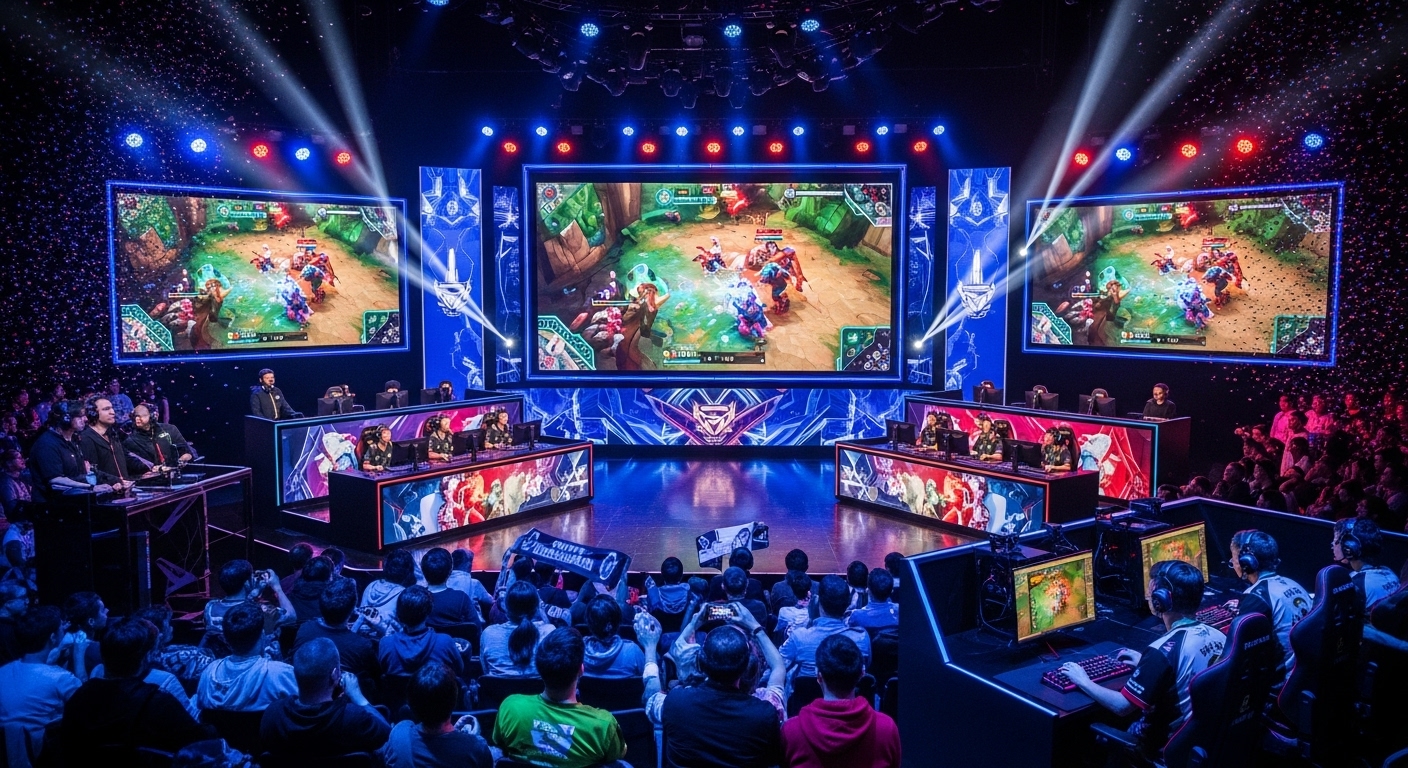
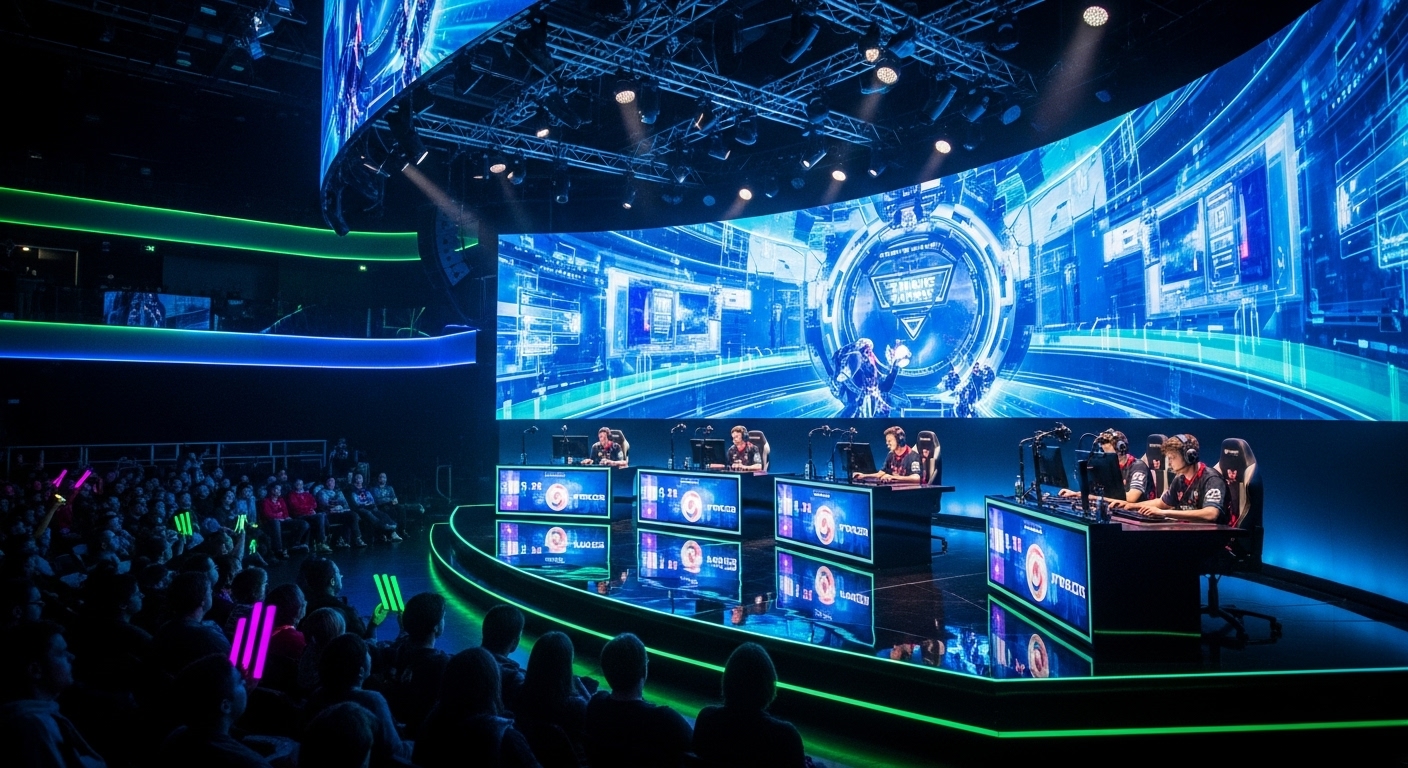
In addition to merchandise, ticket sales for live events are a major contributor to the financial success of esports. Major tournaments such as the League of Legends World Championship and Overwatch League Grand Finals regularly sell out large arenas, with thousands of fans attending to watch their favorite teams compete in person. These events generate substantial revenue, and the excitement of live esports matches adds an extra layer of immersion for fans who want to experience the action firsthand.
Esports as Entertainment: A New Form of Spectacle
One of the most fascinating aspects of esports is its appeal as a form of entertainment. Unlike traditional sports, where fans watch athletes perform physical feats, esports fans watch players compete in highly strategic and skill-based games. The intellectual complexity and the level of coordination required to succeed at the highest levels of competition make esports matches incredibly exciting to watch.
Esports tournaments have developed a unique atmosphere, combining the energy of live events with the accessibility of online streaming. The spectacle of watching teams and players battle it out in front of thousands of live spectators, coupled with the excitement of online broadcasts, creates an immersive experience for fans that is unlike any other. Esports broadcasts often feature play-by-play commentary, analysis, and live reactions, helping viewers understand the strategy behind the gameplay and heightening the emotional stakes of each match.
Additionally, the esports community is built on a shared love for gaming, and the connections between players and fans are strengthened through social media and online platforms. Fans can interact with players, participate in discussions, and show support for their favorite teams in a way that is highly personal and direct. This level of engagement has made esports not just a spectator sport, but a community-driven entertainment experience.
The Rise of Esports Athletes: A New Type of Celebrity
Esports has also given rise to a new generation of professional athletes who are treated as celebrities in their own right. Players like Faker (Lee Sang-hyeok), s1mple (Oleksandr Kostyliev), and Ninja (Tyler Blevins) have become household names, attracting millions of fans and amassing huge followings on social media. These players are celebrated for their exceptional skill, dedication, and achievements in the world of competitive gaming.
Professional esports players face intense pressure, as they are expected to maintain peak performance for long hours of practice and competition. Just like athletes in traditional sports, they need to be in top mental and physical condition, constantly refining their strategies and skills to stay ahead of their opponents. Many players train for several hours each day, practicing game mechanics, teamwork, and communication with their teams.
In addition to their in-game achievements, esports athletes are now gaining mainstream recognition. They are featured in media outlets, appear on talk shows, and collaborate with brands on high-profile endorsement deals. This growing visibility has helped legitimize esports as a serious profession and has transformed esports players into stars with large fanbases.
The Future of Esports: Innovation, Global Expansion, and Integration with Traditional Sports
The future of esports is promising, with continued growth expected across all facets of the industry. Innovations in technology, including virtual reality (VR) and augmented reality (AR), are likely to enhance the esports experience, making it even more immersive for both players and fans. Imagine competing in a fully virtual arena or interacting with players through AR while watching a live broadcast. These advancements could redefine the future of esports and attract even larger audiences.
Esports is also poised for further global expansion. While esports is already popular in regions such as North America, Europe, and East Asia, it is starting to gain traction in other parts of the world, particularly in Latin America, Southeast Asia, and the Middle East. As internet access improves and more people gain access to high-performance gaming devices, esports will continue to spread, reaching new markets and new fans.
The integration of esports with traditional sports is another trend that is likely to continue. Professional sports leagues, such as the NBA and NFL, have already started investing in esports, either by creating their own esports leagues or partnering with existing organizations. This cross-industry collaboration could lead to new opportunities for esports