Introduction to the World of Esports
Esports, short for electronic sports, represents one of the most significant revolutions in modern entertainment and competition. What began as small gaming meetups and friendly LAN battles in the 1990s has evolved into a billion-dollar global phenomenon. Today, millions of fans across the world tune in to watch professional gamers compete in titles like League of Legends, Counter-Strike, Dota 2, Valorant, and Fortnite. Esports has transformed gaming from a solitary hobby into a cultural powerhouse, bridging technology, media, and sports.
At its core, esports is competitive video gaming, where individuals or teams face each other in organized tournaments, often with substantial prize pools and international recognition. These competitions can range from small-scale community events to massive global championships held in arenas filled with cheering fans. The rise of esports is not merely about games; it’s a reflection of technological progress, digital culture, and the human desire for competition and mastery.
The Early Days of Competitive Gaming
Before esports became the massive industry it is today, gaming competitions were humble affairs. In the late 1970s and early 1980s, arcade games like Space Invaders and Pac-Man introduced the idea of high scores and leaderboards. Players would gather in arcades to outscore each other, setting the foundation for competitive gaming. The first recorded video game tournament, the Space Invaders Championship in 1980, drew thousands of participants across the United States. It was the birth of organized gaming competition.
Throughout the 1990s, gaming expanded with the rise of personal computers and the internet. Titles such as Doom, Quake, and StarCraft became synonymous with online multiplayer and competitive play. The first true esports communities were formed during this era, with players connecting over dial-up modems and forming clans or teams. LAN parties—where gamers brought their own computers to a single location to play together—became the social hub of early esports.
The Rise of Esports as a Professional Industry
The turn of the millennium marked a turning point. With faster internet connections and more advanced games, esports began gaining mainstream attention. South Korea, in particular, played a monumental role in shaping the modern esports scene. The country embraced gaming as a cultural and professional pursuit, with StarCraft becoming a national pastime. Television networks began broadcasting matches, and professional players became celebrities.
By the mid-2000s, esports had expanded globally. Titles like Counter-Strike, Warcraft III, and Dota were being played competitively in Europe, China, and North America. Organizations and sponsors entered the scene, providing players with salaries and structured team environments. What was once a casual hobby began transforming into a legitimate career path.
The Era of Streaming and Global Accessibility
One of the most influential forces in the growth of esports was the rise of live streaming. Platforms like Twitch and YouTube Gaming made it possible for fans to watch their favorite players and tournaments from anywhere in the world. This democratization of content changed everything. Players could build personal brands, interact directly with fans, and monetize their audiences.
Streaming also allowed smaller esports titles to find their communities. Games like Rocket League, Apex Legends, and Rainbow Six Siege built passionate fan bases without needing traditional television exposure. The accessibility of esports content helped it grow beyond cultural and geographical boundaries.
Today, millions of viewers tune in to major events like The International for Dota 2, the League of Legends World Championship, and the Fortnite World Cup. These events not only attract huge online audiences but also fill stadiums in cities across the world. Esports has become a global celebration of skill, teamwork, and entertainment.
The Games That Defined Esports
Every era of esports has its defining games—titles that shape the competitive landscape and attract legions of players and viewers.
StarCraft and StarCraft II were monumental in establishing professional gaming in South Korea and setting a standard for strategic depth and viewer excitement. Counter-Strike has remained one of the longest-standing esports titles, evolving through versions like 1.6, Source, and Global Offensive, and now into CS2. Its fast-paced, tactical gameplay has made it a favorite among both casual and professional players.
Dota 2 introduced one of the most lucrative tournaments in esports history with The International, featuring prize pools that reached tens of millions of dollars, largely funded by the player community. League of Legends built a structured global ecosystem with regional leagues, culminating in a world championship that rivals traditional sports in viewership and production value.
More recently, Valorant has emerged as a hybrid of tactical shooting and character-based abilities, capturing the attention of new audiences. Meanwhile, Fortnite and PUBG brought the battle royale genre to the esports stage, proving that innovation in gameplay mechanics continues to shape the competitive scene.
Esports and Traditional Sports: A New Rivalry and Partnership
The relationship between esports and traditional sports has evolved dramatically. Initially dismissed by many as “not real sports,” esports gradually earned respect through its professionalism, discipline, and sheer popularity. Today, many major sports organizations have invested in esports teams. Football clubs like Manchester City and Paris Saint-Germain have their own esports divisions. The NBA launched the NBA 2K League, blending virtual competition with traditional sports branding.
Esports players train rigorously, often practicing for ten or more hours a day. They study strategies, review game footage, and work with coaches and analysts—much like athletes in traditional sports. The mental agility, reaction speed, and teamwork required at the highest level of esports rival those of physical sports.
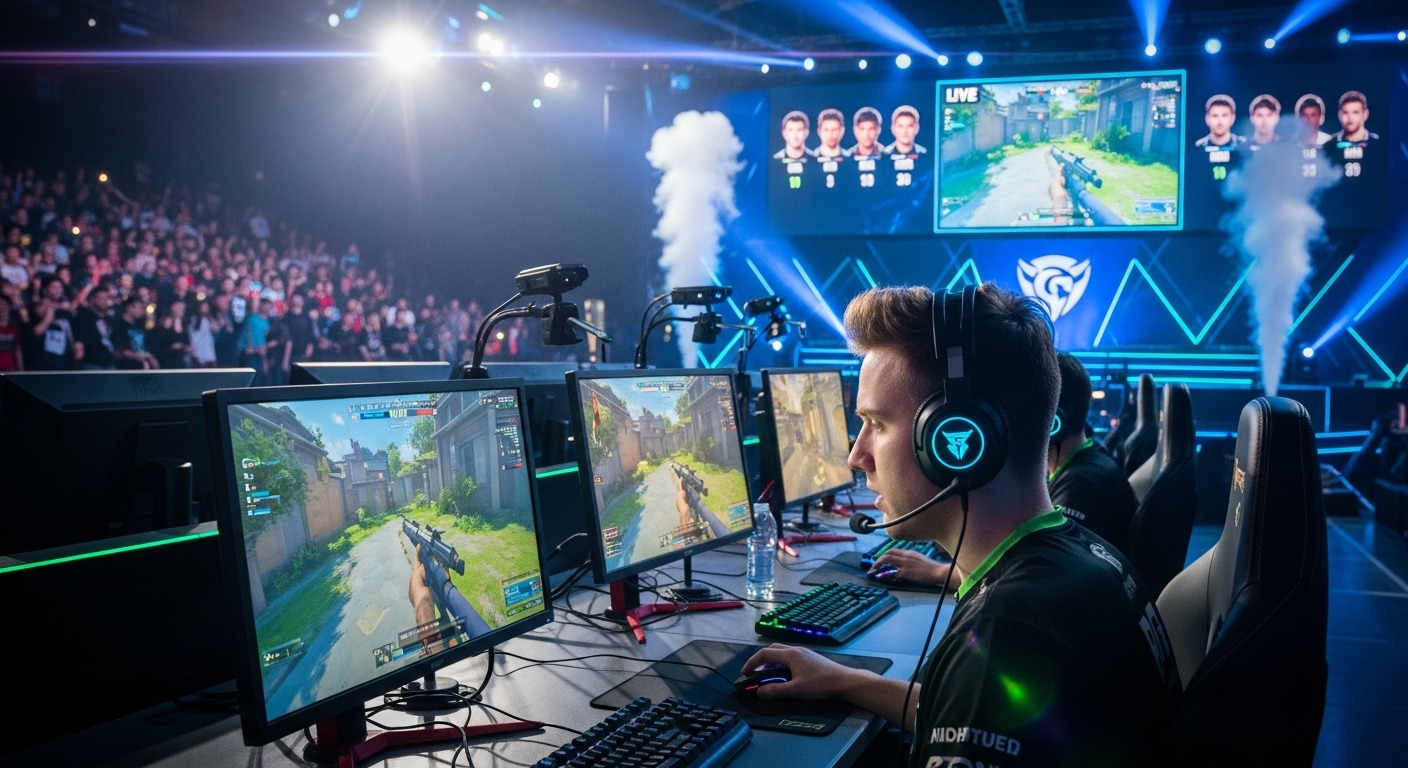
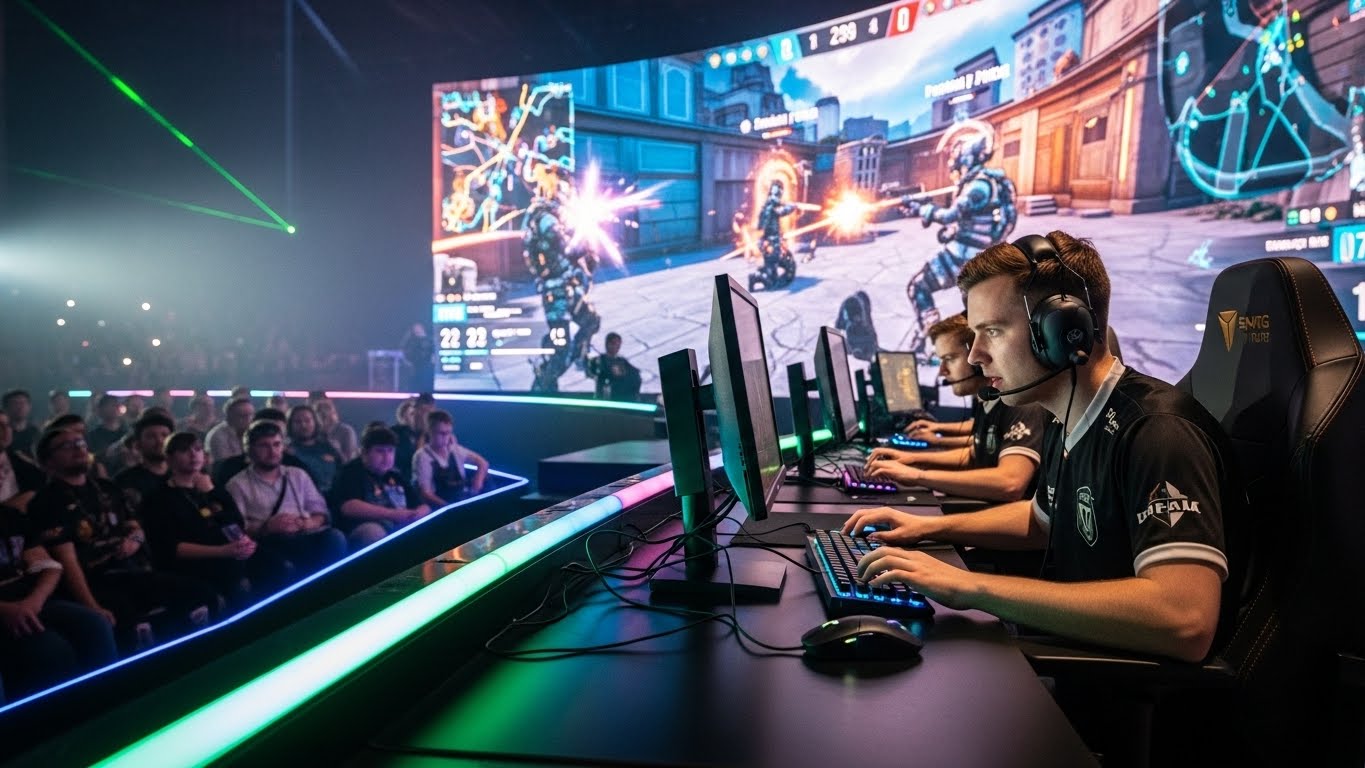
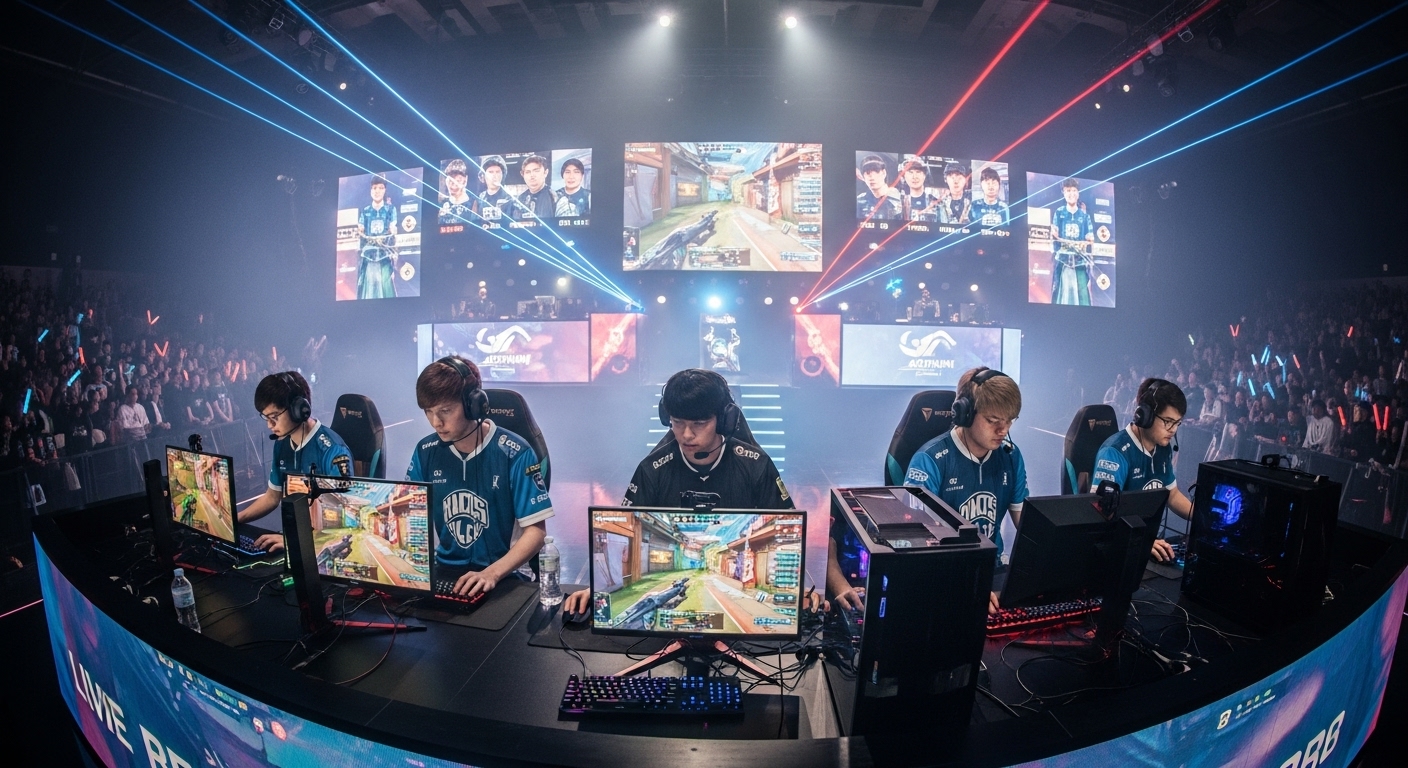
Moreover, esports events are beginning to resemble major sporting spectacles. Professional commentary, fan chants, elaborate stage designs, and even national pride play a role in major tournaments. In some regions, esports is now being considered for inclusion in future Olympic events, symbolizing its full acceptance as a legitimate sport.
The Business of Esports
Esports has grown into a multi-billion-dollar industry driven by sponsorships, media rights, merchandise, ticket sales, and digital advertising. Major corporations invest heavily in tournaments and teams, seeing esports as a gateway to younger, digitally native audiences.
Organizations like Team Liquid, Fnatic, Cloud9, and T1 have become global brands, managing multiple teams across different games. Their operations include not only competition but also content creation, lifestyle branding, and fan engagement.
Prize pools for major tournaments can reach staggering amounts. The International, for instance, regularly surpasses 30 million dollars in total prizes. However, esports revenue is not limited to tournaments alone. Streaming contracts, sponsorships, and advertising partnerships form the financial backbone of the industry.
The Role of Technology in Esports Growth
Technology is the lifeblood of esports. Without high-performance computers, fast internet, and advanced broadcasting tools, the industry could not have flourished. Innovations in cloud gaming, AI analytics, and virtual production have enhanced the viewing experience for audiences and the performance of players.
Virtual reality and augmented reality are poised to redefine the way esports is played and consumed. The integration of advanced hardware like haptic feedback controllers and immersive viewing experiences could bring fans closer to the action than ever before. Additionally, improvements in network infrastructure, particularly 5G, promise smoother gameplay and global competition without lag—a critical factor for professional esports.
Esports as a Cultural Movement
Esports is not just about gaming; it’s a cultural movement that connects people across the world. It has inspired art, music, fashion, and storytelling. Many professional players have become cultural icons, influencing trends and lifestyles beyond gaming. The rise of gaming content creators and streamers has blurred the line between athlete and entertainer.
Music plays a significant role in esports culture. Game developers and organizers often collaborate with musicians to create theme songs, opening ceremonies, and digital concerts. The 2018 League of Legends World Championship featured a virtual K-pop group performance that captured global attention, showcasing how technology and creativity intersect in esports.
Fashion brands have also entered the esports world, designing team jerseys, streetwear collections, and accessories that appeal to both gamers and general audiences. Esports has redefined what it means to be part of a community, creating shared spaces where people celebrate their passion for gaming.
The Educational and Career Opportunities in Esports
Esports has opened new career paths that extend far beyond playing games. The industry now includes opportunities in event management, broadcasting, game design, marketing, analytics, and even psychology. Many universities offer scholarships for esports players and academic programs in game development and digital media.
Educational institutions are recognizing that esports fosters valuable skills such as teamwork, strategic thinking, communication, and leadership. High school and collegiate esports leagues are expanding rapidly, providing students with a competitive environment and potential career pathways.
Challenges Facing Esports
Despite its rapid growth, esports faces several challenges. Player burnout is a major concern, as the intense training schedules and mental pressure can take a toll on professional gamers. The industry also grapples with issues like performance-enhancing substances, cheating, and match-fixing.
Another challenge is maintaining diversity and inclusivity. While the esports community is global, representation of women and minorities remains limited in professional competition. Efforts are being made to create safer and more inclusive environments, but there is still progress to be made.
Financial stability for players is another issue. While top-tier players earn significant salaries, many competitors struggle to make a living in smaller leagues. The industry’s structure is still maturing, and finding a sustainable model that supports all levels of competition is crucial for long-term success.
The Future of Esports
The future of esports looks promising, with continuous growth projected in both audience numbers and revenue. As technology advances and global internet access improves, more players and fans will join the scene. Virtual reality and metaverse integration could redefine how competitions are played and experienced.
Esports may also play a role in education, business, and even diplomacy. Governments in several countries are beginning to recognize esports as an official sport, offering visas to players and supporting national teams. The inclusion of esports in events like the Asian Games marks an important step toward mainstream legitimacy.
Furthermore, the blending of traditional and digital sports could create new hybrid experiences where physical and virtual performance coexist. The boundaries between gaming, sports, and entertainment will continue to blur, shaping a new form of interactive culture.
Conclusion
Esports is no longer a niche hobby—it is a global cultural phenomenon that transcends generations, languages, and borders. From small LAN tournaments to world championships watched by millions, esports has rewritten the definition of competition and community. It has created opportunities for players, entrepreneurs, educators, and fans alike.
As technology evolves and society becomes more digitally connected, esports will continue to rise as one of the defining movements of the 21st century. It represents not just the future of gaming but the future of entertainment itself—a world where passion, skill, and innovation unite millions in the spirit of play and competition.