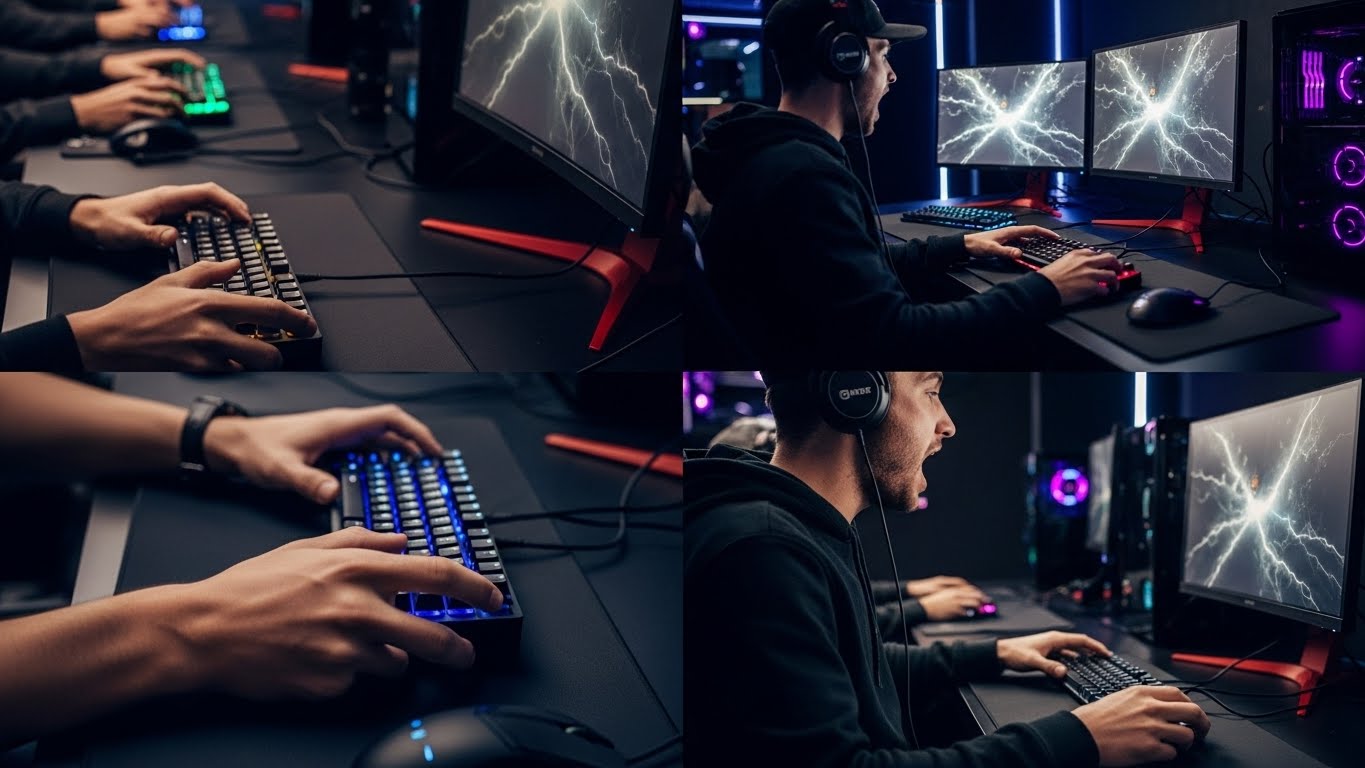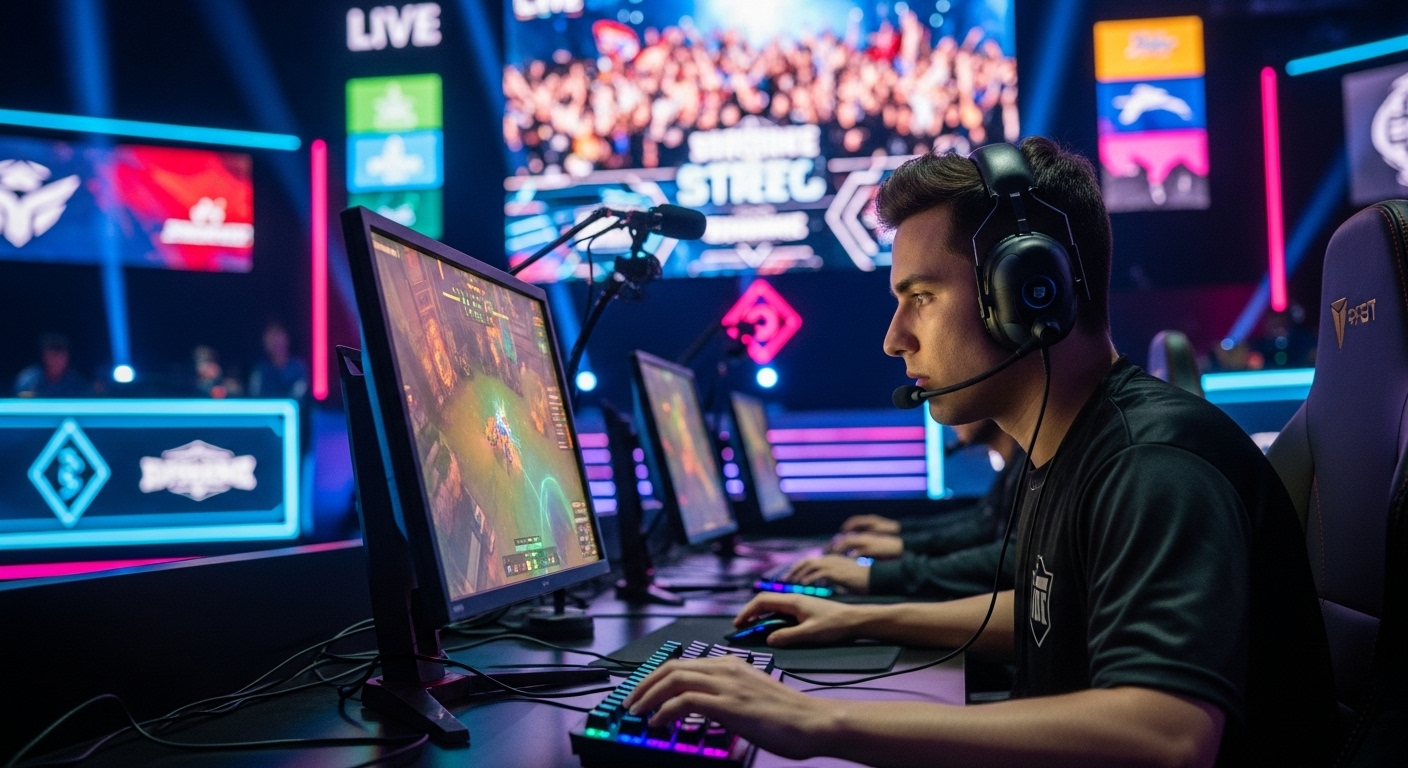
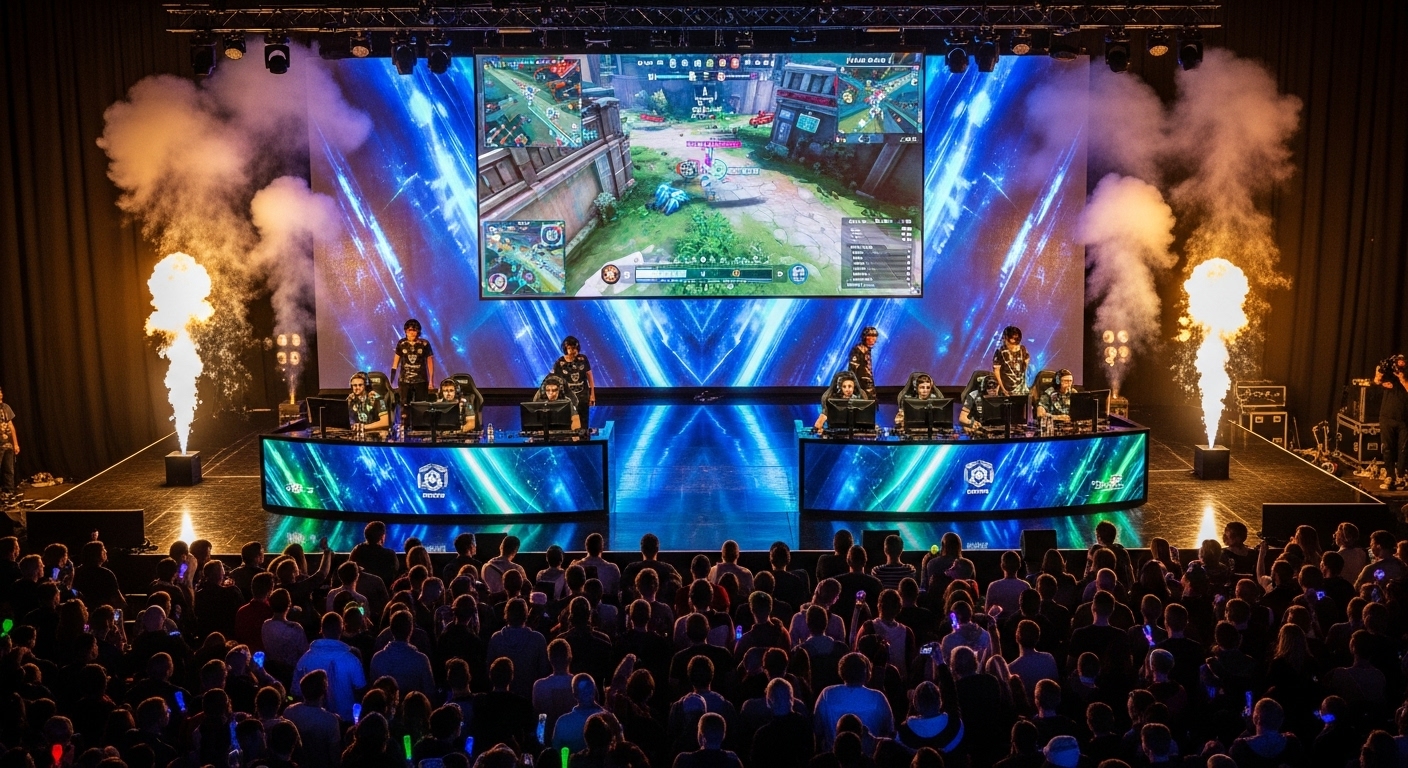
Esports, or electronic sports, has emerged from the shadow of casual gaming to become a global phenomenon that rivals traditional sports in both popularity and economic impact. What began as a niche hobby among computer enthusiasts has grown into a multi-billion-dollar industry encompassing professional leagues, massive tournaments, sponsorship deals, and a passionate fan base spanning the globe. This blog explores the history, growth, cultural impact, and future of esports, highlighting why it has become more than just a pastime for gamers.
The Origins of Esports
The roots of esports can be traced back to the late 1970s and early 1980s when video games first entered arcades and homes. The first recorded competitive gaming event, the “Space Invaders Championship,” took place in 1980 and attracted thousands of participants. Players competed for high scores, and while the concept may seem simple today, it was revolutionary at the time, laying the groundwork for competitive gaming as a spectator sport.
During the 1990s, the rise of personal computers and the internet created fertile ground for multiplayer gaming. Titles like “Quake” and “StarCraft” became early esports staples, with tournaments held in small arenas and online. The formation of organized leagues during this period marked the beginning of professional esports, with players and teams starting to earn recognition and modest earnings for their skill.
The Rise of Professional Leagues
The 2000s ushered in a new era for esports with the formation of major professional leagues. Games like “Counter-Strike,” “Warcraft III,” and “Dota” attracted global audiences, and tournaments began offering significant prize pools. South Korea became the epicenter of competitive gaming, particularly with “StarCraft: Brood War,” where televised matches turned professional players into national celebrities.
During this era, gaming organizations began investing in teams, offering salaries, training facilities, and sponsorship deals. This period also saw the introduction of online streaming platforms, which allowed fans to watch matches live, creating a sense of community and engagement previously unavailable. Professional players became role models for aspiring gamers, demonstrating that a career in esports was not only possible but also respectable.
The Global Expansion of Esports
Esports truly began its global expansion in the 2010s, fueled by technological advancements and cultural shifts. Streaming platforms like Twitch and YouTube Gaming transformed the way fans consumed esports content. Matches could now be broadcast live to millions of viewers worldwide, breaking down geographic barriers and creating a global audience.
During this period, games like “League of Legends,” “Dota 2,” and “Overwatch” defined the competitive gaming landscape. These games introduced complex strategies, team coordination, and high-level skill, attracting both players and spectators. Major tournaments, including the “League of Legends World Championship” and “The International,” offered multi-million-dollar prize pools, cementing esports as a legitimate and lucrative profession.
The Economics of Esports
The esports industry has grown into a multi-billion-dollar market, driven by sponsorships, media rights, merchandise, and advertising. Major brands from diverse industries, including technology, fashion, and even food and beverage, have invested heavily in esports, recognizing its potential to reach younger, tech-savvy audiences.
Teams and organizations have transformed into professional enterprises, employing coaches, analysts, content creators, and marketing staff to maximize their brand and competitive performance. Prize money alone is no longer the main source of income; sponsorship deals and content monetization now constitute a significant portion of earnings for top players and teams.
Esports tournaments also have an economic impact on host cities. Large events draw thousands of fans, generate tourism revenue, and create temporary employment opportunities. The phenomenon has transformed cities like Los Angeles, Shanghai, and Seoul into esports hubs, blending entertainment with economic development.
Cultural Impact and Mainstream Acceptance
Esports has had a profound cultural impact, influencing not only gaming but also fashion, music, and entertainment. Gaming conventions, cosplay events, and online communities have evolved around esports, creating a vibrant subculture that blends creativity, technology, and competition.
In recent years, mainstream media has increasingly recognized esports. Major networks broadcast tournaments, celebrities attend events, and traditional sports franchises invest in esports teams. Universities have even begun offering scholarships for esports athletes, acknowledging the skill, discipline, and teamwork required to excel in competitive gaming.
Moreover, esports has challenged traditional notions of athleticism. Physical endurance remains important, but mental acuity, strategy, and reflexes are equally valued. Players often undergo rigorous training, including physical conditioning, strategic planning, and mental health management, demonstrating that competitive gaming demands dedication and resilience similar to traditional sports.
Challenges Facing the Esports Industry
Despite its growth, esports faces several challenges that must be addressed to ensure long-term sustainability. One significant issue is player burnout. Professional players often begin their careers in their teens and face intense pressure to perform, leading to stress, fatigue, and early retirement.
Another challenge is regulation. Unlike traditional sports, esports lacks standardized governance, creating inconsistencies in rules, tournament structures, and player contracts. Disputes over intellectual property, cheating, and match-fixing have occasionally undermined the credibility of esports competitions.
Monetization also poses a challenge. While top players earn substantial incomes, many aspiring professionals struggle financially, highlighting the disparity between the elite and grassroots levels. For esports to maintain its growth, organizations must find ways to support emerging talent and create sustainable career paths for a broader range of players.
Technological Innovations Shaping Esports
Technology plays a central role in the evolution of esports. Advances in hardware, software, and streaming technology have enabled more immersive and accessible gaming experiences. High-performance gaming PCs, consoles, and peripherals allow players to compete at peak performance, while high-speed internet and cloud gaming make esports accessible to global audiences.
Artificial intelligence and data analytics have also transformed the industry. Teams use sophisticated analytics to study opponents, optimize strategies, and improve performance. AI-driven tools analyze gameplay patterns, provide coaching insights, and even simulate virtual opponents for practice. These innovations elevate the level of competition and push the boundaries of what is possible in esports.
Virtual reality (VR) and augmented reality (AR) represent the next frontier. As these technologies mature, they may introduce entirely new genres of esports and create more immersive spectator experiences. Imagine fans watching a VR match from the perspective of a player or interacting with live gameplay in augmented overlays, blurring the line between gaming and reality.
The Role of Community and Fan Engagement
The esports community is one of its greatest strengths. Fans are not passive spectators but active participants who contribute to the culture, share content, and support players and teams. Social media platforms, forums, and streaming chatrooms allow fans to connect with each other and engage with their favorite games in real time.
Fan engagement drives the growth of esports through crowdfunding, merchandise sales, and content creation. Communities also play a vital role in shaping game development. Developers often listen to player feedback, balancing gameplay mechanics and introducing features based on community input. This symbiotic relationship between players, fans, and developers sets esports apart from many other entertainment industries.
The Future of Esports
The future of esports appears bright, with continuous growth and innovation on the horizon. Emerging markets in Asia, South America, and Africa are contributing to a more diverse and global competitive scene. As internet infrastructure improves and access to gaming devices increases, more players from different backgrounds will join the esports ecosystem.
Education and professionalization are likely to increase as well. Esports academies, specialized training programs, and university degrees focused on gaming and digital media are creating structured pathways for aspiring players and industry professionals. As the stigma around gaming diminishes, esports will continue to gain legitimacy as a career choice.
Technological advancements will continue to shape the industry. Cloud gaming, VR, AR, and AI-driven analytics promise to enhance both gameplay and spectator experiences. The line between gaming, entertainment, and sports will blur further, with esports becoming an integral part of global culture.
Conclusion
Esports has evolved from humble beginnings into a multi-faceted industry that combines competition, entertainment, and culture. It has redefined what it means to be an athlete, created new economic opportunities, and brought together diverse communities around shared passions. Despite challenges such as player burnout, regulation, and financial disparities, the industry’s resilience and innovation ensure that esports will continue to thrive.
The rise of esports demonstrates the power of technology and community to transform hobbies into global movements. As we move forward, esports is likely to become even more mainstream, influencing traditional sports, entertainment, and digital culture in profound ways. For players, fans, and industry stakeholders alike, the journey of esports is only beginning, promising exciting developments and unforgettable moments in the years to come.