
Introduction: Esports as a Cultural Phenomenon
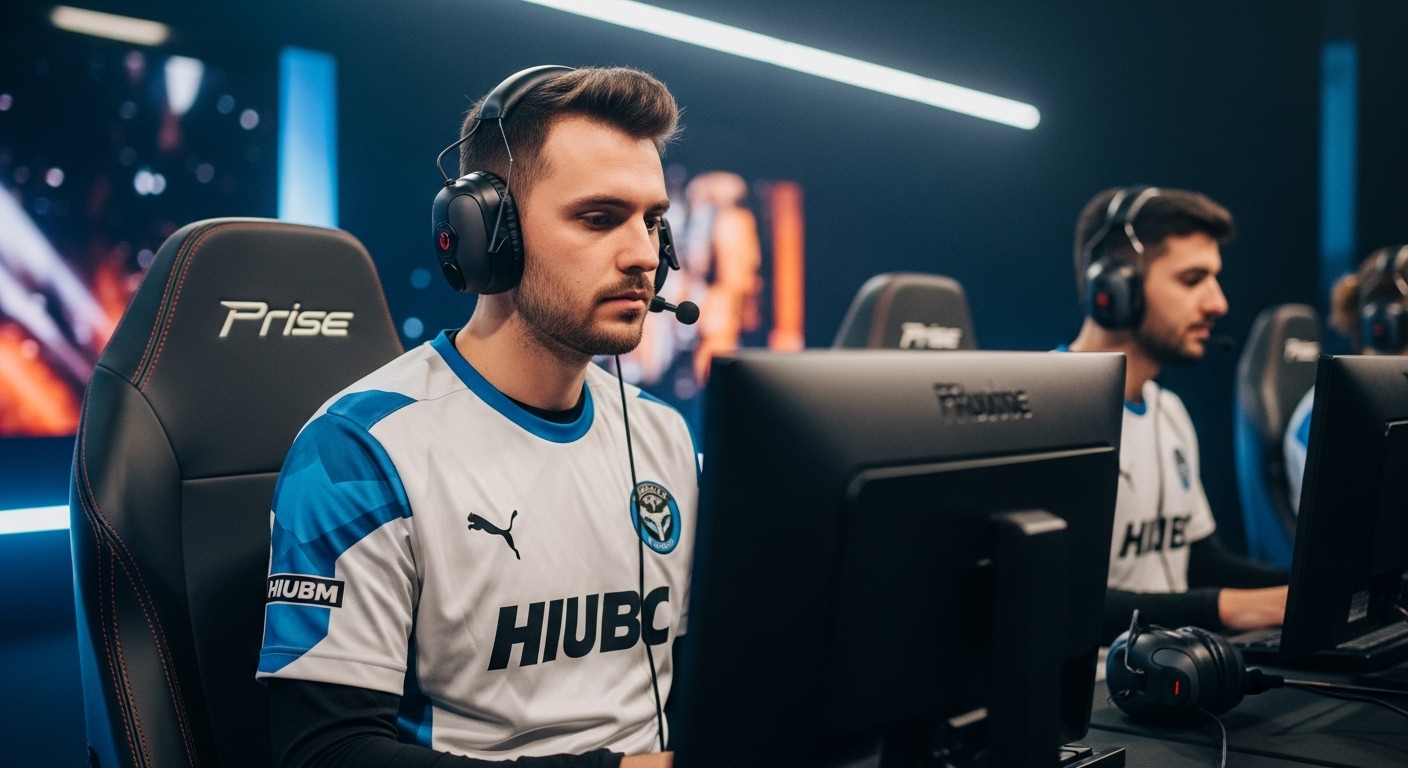
Esports, or competitive video gaming, has evolved from a niche pastime into a global phenomenon that captivates millions of players and spectators around the world. Once limited to local tournaments and arcade competitions, esports now encompasses international leagues, multi-million-dollar tournaments, and professional teams with structured training programs. It is no longer just a hobby; it is a serious career path, an entertainment medium, and a cultural movement. Esports has redefined the concept of competition, blending strategy, skill, technology, and entertainment in ways that resonate with the digital generation.
The Origins of Esports
The history of esports traces back to the 1970s and 1980s, when arcade games like Space Invaders and Pac-Man gained popularity. Early competitions were simple, often local events with small prize pools. The 1990s saw the emergence of competitive PC gaming, with titles such as Doom, Quake, StarCraft, and Counter-Strike establishing communities around multiplayer gameplay. Online gaming and broadband internet expanded the reach of esports, allowing players from different regions to compete in real-time. By the early 2000s, esports began to take shape as an organized industry, with structured leagues, global tournaments, and dedicated fan bases.
The Professionalization of Esports
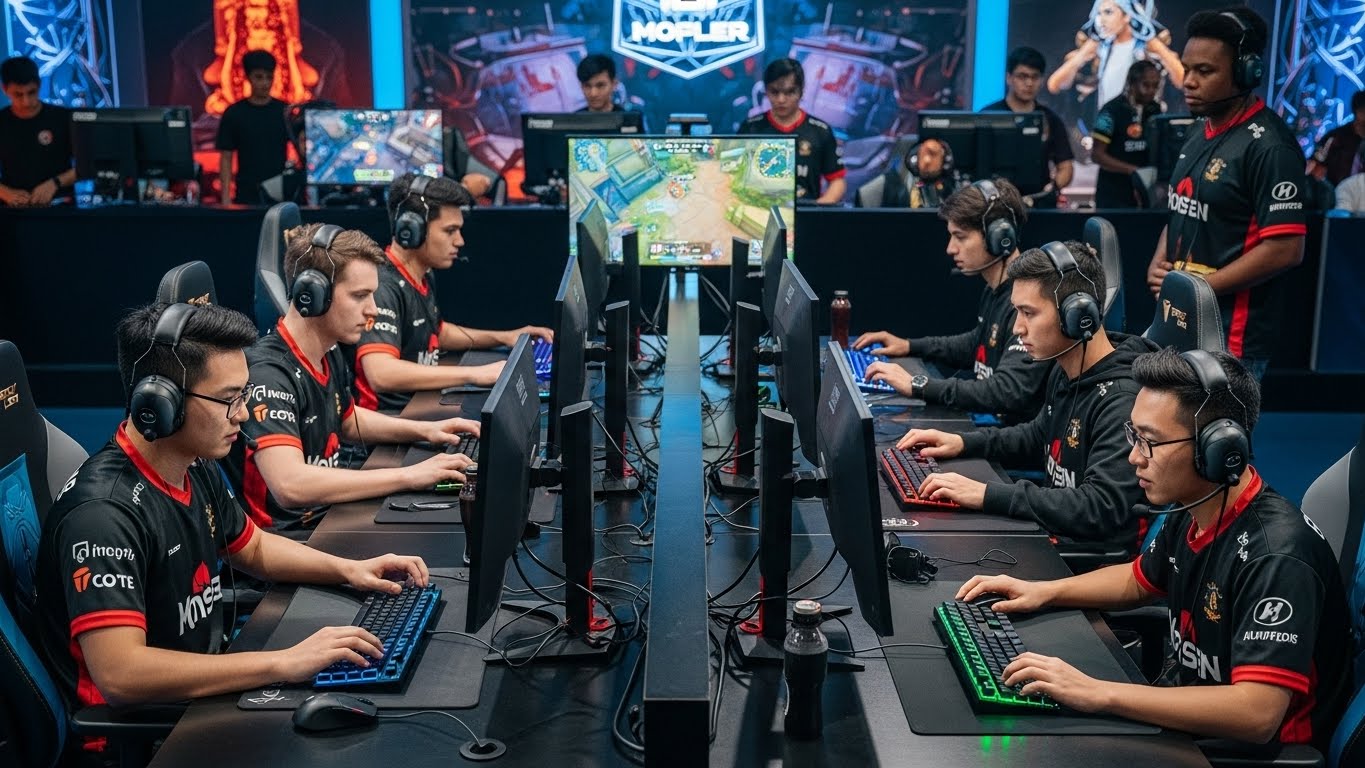
Esports today is a highly professionalized industry. Teams operate much like traditional sports organizations, employing coaches, analysts, nutritionists, and psychologists to ensure peak performance. Players dedicate hours to practice daily, focusing on mechanics, strategy, and teamwork. Major esports tournaments, such as the League of Legends World Championship, Dota 2 International, and Fortnite World Cup, feature multi-million-dollar prize pools and attract millions of viewers online. Sponsorship deals and endorsements have created financial stability for players and teams, while media coverage and broadcasting rights generate additional revenue streams. Professionalization has legitimized esports as a viable career path and elevated its status within mainstream culture.
The Physical and Mental Demands of Esports
Competitive gaming is often underestimated in terms of physical and mental effort. Players require exceptional hand-eye coordination, reaction times, and fine motor skills. Mental stamina is critical, as players must remain focused during long, intense matches that can last for hours. Esports professionals also face physical challenges such as repetitive strain injuries, eye fatigue, and posture-related issues. Mental resilience is equally important—players must handle high-pressure situations, setbacks, and public scrutiny. Training routines now incorporate exercise, ergonomic adjustments, and mindfulness practices to maintain physical and mental health, demonstrating that esports is a demanding discipline in its own right.
Esports as a Social Platform
Esports has transformed the way people socialize and connect. Online multiplayer games allow players from different parts of the world to communicate, collaborate, and form lasting friendships. Tournaments and live streams foster communities where fans interact with players, teams, and fellow spectators. Esports has also democratized competition; anyone with access to gaming technology can participate and achieve recognition, regardless of geographic location or socioeconomic background. Social interaction within esports extends beyond gameplay, encouraging teamwork, communication, and cross-cultural engagement, making it a powerful social platform in the digital age.
Esports in Education
Esports is increasingly being integrated into educational institutions. Schools and universities now offer esports programs, scholarships, and competitive teams, recognizing the strategic, cognitive, and technical skills developed through gaming. Participation in esports enhances problem-solving, critical thinking, communication, and leadership skills. Students gain experience in teamwork, time management, and decision-making under pressure. By incorporating esports into education, institutions provide students with a structured environment to pursue their passion while preparing for careers in gaming, technology, media, and related industries.
Economic Significance of Esports
The esports industry has become a major economic driver worldwide. Revenue is generated through tournament prize pools, sponsorships, merchandise, streaming subscriptions, and media rights. Professional esports organizations employ thousands of people, including players, coaches, content creators, event organizers, and marketers. Streaming platforms allow fans to support players directly, creating additional revenue streams. Large-scale tournaments also boost local economies by attracting tourism and investment. As the industry grows, esports is poised to rival traditional sports in terms of financial impact and global influence.
Cultural Impact of Esports
Esports has emerged as a cultural movement, influencing entertainment, fashion, music, and social media. Gaming conventions, online streams, and tournaments create spaces for fans to celebrate their passion collectively. Esports inspires creativity in digital art, storytelling, and content creation, while fostering identity and belonging within gaming communities. Players become role models, and teams cultivate dedicated fanbases that transcend geographic and cultural boundaries. The cultural influence of esports is evident in its integration into mainstream media, pop culture, and global youth culture.
The Role of Technology in Esports
Technology drives every aspect of esports, from gameplay to audience engagement. High-performance computers, gaming consoles, and specialized peripherals enable precise and competitive gameplay. Streaming platforms allow fans to watch live competitions and interact with players and communities in real-time. Analytics tools help teams refine strategies, monitor performance, and gain a competitive edge. Emerging technologies such as virtual reality, augmented reality, and cloud gaming are redefining the esports experience, making it more immersive and interactive. Technology ensures that esports remains dynamic, accessible, and innovative.
Women in Esports
The representation of women in esports is growing steadily. Female gamers are breaking barriers, competing at high levels, and gaining recognition for their skill and dedication. Organizations are implementing initiatives to encourage women’s participation, creating safe and inclusive environments. Female representation challenges stereotypes and inspires the next generation of players to pursue careers in esports. Greater inclusivity enriches the competitive landscape, fosters diversity, and strengthens the community, making esports a more equitable and representative industry.
Esports and Mental Health
Mental health is a crucial consideration in esports. Professional players face stress, long practice hours, and public scrutiny, which can impact emotional well-being. Teams now prioritize mental wellness through counseling, stress management programs, and mindfulness training. Players are encouraged to maintain a balance between practice, rest, social interaction, and other hobbies to avoid burnout. A focus on mental health promotes longevity in players’ careers and encourages healthy practices within the broader esports community.
Global Reach of Esports
Esports is a global phenomenon that transcends borders and cultures. International tournaments bring together players and fans from every continent, fostering a sense of shared experience and global community. National pride, team loyalty, and individual skill are celebrated on a worldwide stage, creating cultural exchange and mutual appreciation among diverse audiences. The universal appeal of esports demonstrates the power of digital platforms to connect people across language, geography, and background, creating a truly global cultural movement.
The Future of Esports
The future of esports is expansive and full of potential. Advancements in virtual reality, artificial intelligence, and cloud gaming will transform how games are played, viewed, and analyzed. Esports will continue to integrate with education, technology, and mainstream entertainment. Increased investment and professionalization will create more sustainable career opportunities. As esports grows, it will shape culture, innovation, and social interaction, solidifying its role as a defining feature of modern life.
Conclusion: Esports as a New Era of Competition
Esports has transformed the concept of competition in the digital age. It demands skill, discipline, and strategic thinking while fostering community, culture, and economic opportunity. Players, fans, and organizations interact in a global ecosystem that celebrates talent, innovation, and creativity. Esports has redefined entertainment, inspired education, and connected people worldwide. As technology evolves and the industry expands, esports will continue to shape the future of competition, culture, and society. The rise of esports marks a new era, proving that competitive spirit, collaboration, and passion can thrive not only on physical fields but also in digital arenas.