Introduction: The Rise of a New Sporting World
In recent years, esports has transformed from a niche hobby into a global phenomenon. Once considered a pastime for teenagers and tech enthusiasts, esports is now a professional, competitive, and highly lucrative industry. Tournaments fill arenas with thousands of fans, millions more watch online, and professional players achieve celebrity status similar to traditional athletes. This rise reflects not only the growing popularity of video games but also how technology and global connectivity have reshaped entertainment, competition, and culture.
Esports represents more than gaming; it is a cultural movement that blends skill, strategy, storytelling, and community. This blog explores the journey of esports, the athletes who define it, the economic impact, and the future of this thriving digital sport.
From Humble Beginnings to Global Recognition
Esports began as small-scale competitions in arcades, college campuses, and local gaming centers. Early tournaments were modest affairs, often featuring games like Street Fighter, StarCraft, and Counter-Strike. Despite limited resources, these events sowed the seeds for organized competitive gaming.
The turning point came with the rise of the internet. Online gaming platforms allowed players worldwide to compete against each other, breaking geographical boundaries. By the early 2000s, esports communities had formed around online multiplayer games, and competitive leagues began to emerge. Platforms that enabled live streaming and video sharing accelerated this growth, transforming spectators into active participants in the esports world. What started as a niche pastime had now become a global industry attracting fans, sponsors, and media attention.
The Professional Esports Athlete
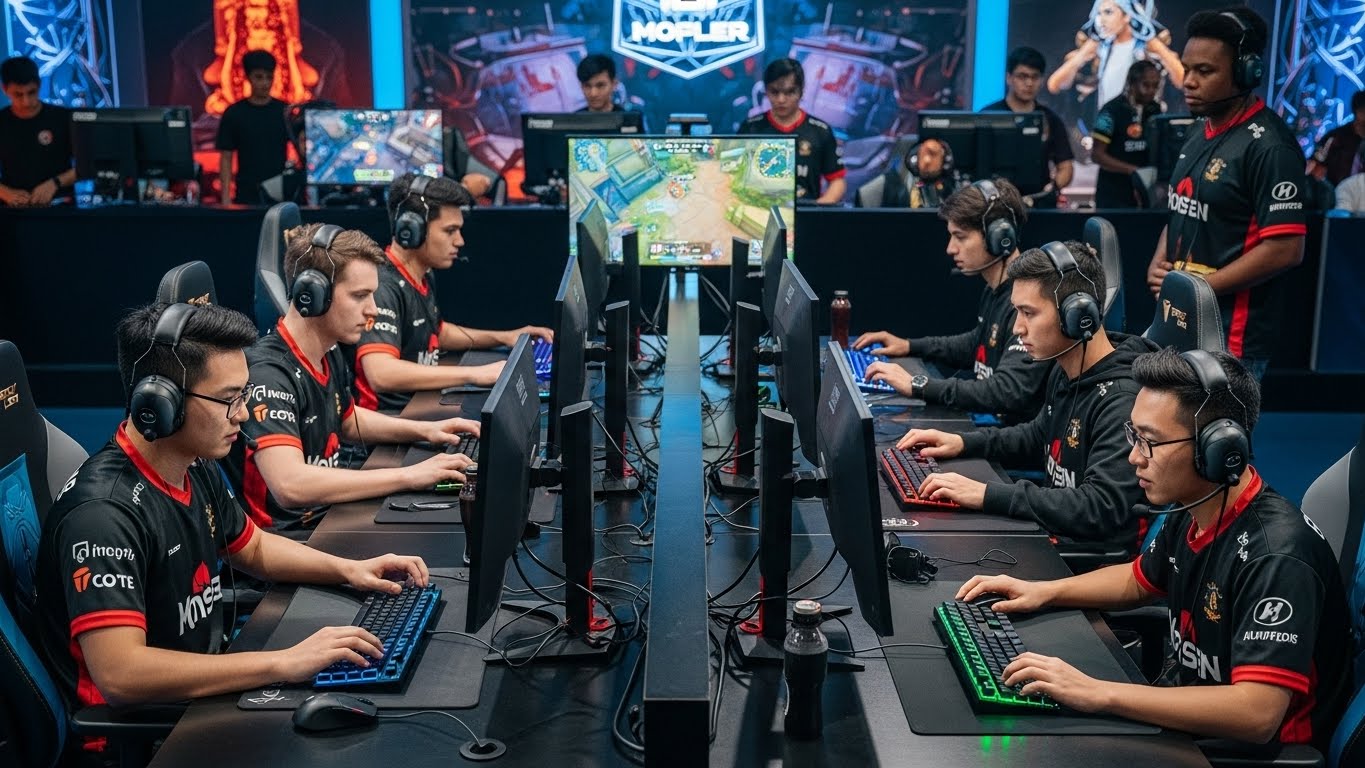
One of the most fascinating aspects of esports is the level of professionalism demanded from players. Esports athletes are not just gamers; they are highly trained professionals who dedicate countless hours to practice, strategy, and physical and mental conditioning.
Training routines for professional players often rival those of traditional athletes. Practice sessions can extend for eight to twelve hours daily, focusing on mechanics, reaction time, communication, and game strategy. Teams hire coaches, analysts, and psychologists to help players maintain peak performance. Mental health and physical fitness are critical, as the high-pressure environment can lead to burnout and stress.
The rise of esports athletes has redefined public perception of gaming. These individuals combine reflexes, analytical thinking, teamwork, and leadership skills, proving that esports requires talent, discipline, and commitment. Many of them inspire young gamers and serve as role models for aspiring professionals.
Popular Games That Shaped Competitive Gaming
Esports is not confined to a single type of game; it spans multiple genres, each with its unique competitive structure and fan base. Some of the most influential categories include:
Multiplayer Online Battle Arenas: These games emphasize teamwork, strategy, and quick decision-making. Titles like League of Legends and Dota 2 dominate this genre, with major international tournaments and high-stakes prize pools.
First-Person Shooters: Precision, speed, and tactical coordination define this category. Games like Counter-Strike: Global Offensive and Call of Duty attract dedicated communities and offer intense competitive play.
Real-Time Strategy Games: Popular in the early esports era, strategy games require careful planning, resource management, and tactical execution. StarCraft and Age of Empires are iconic examples that paved the way for modern competitive gaming.
Sports Simulation Games: Digital renditions of traditional sports such as FIFA and NBA 2K offer fans an immersive experience, merging real-world sports enthusiasm with digital gameplay.
Each game genre appeals to different audiences, ensuring diversity within the esports ecosystem. The variety allows players and fans to find communities that match their interests while contributing to the overall growth of the industry.
The Spectator Experience: Why Millions Watch Esports
Esports has cultivated a massive global audience. Unlike traditional sports, spectatorship in esports is highly interactive and accessible. Fans can watch matches from anywhere in the world through live streaming platforms, chat with other viewers, and even interact with players.
The appeal lies not only in the competition but also in the personalities and stories behind the players and teams. Fans follow their favorite players, cheer for underdog victories, and engage in community discussions. Esports events are known for their thrilling unpredictability, where a single decision can change the outcome in seconds.
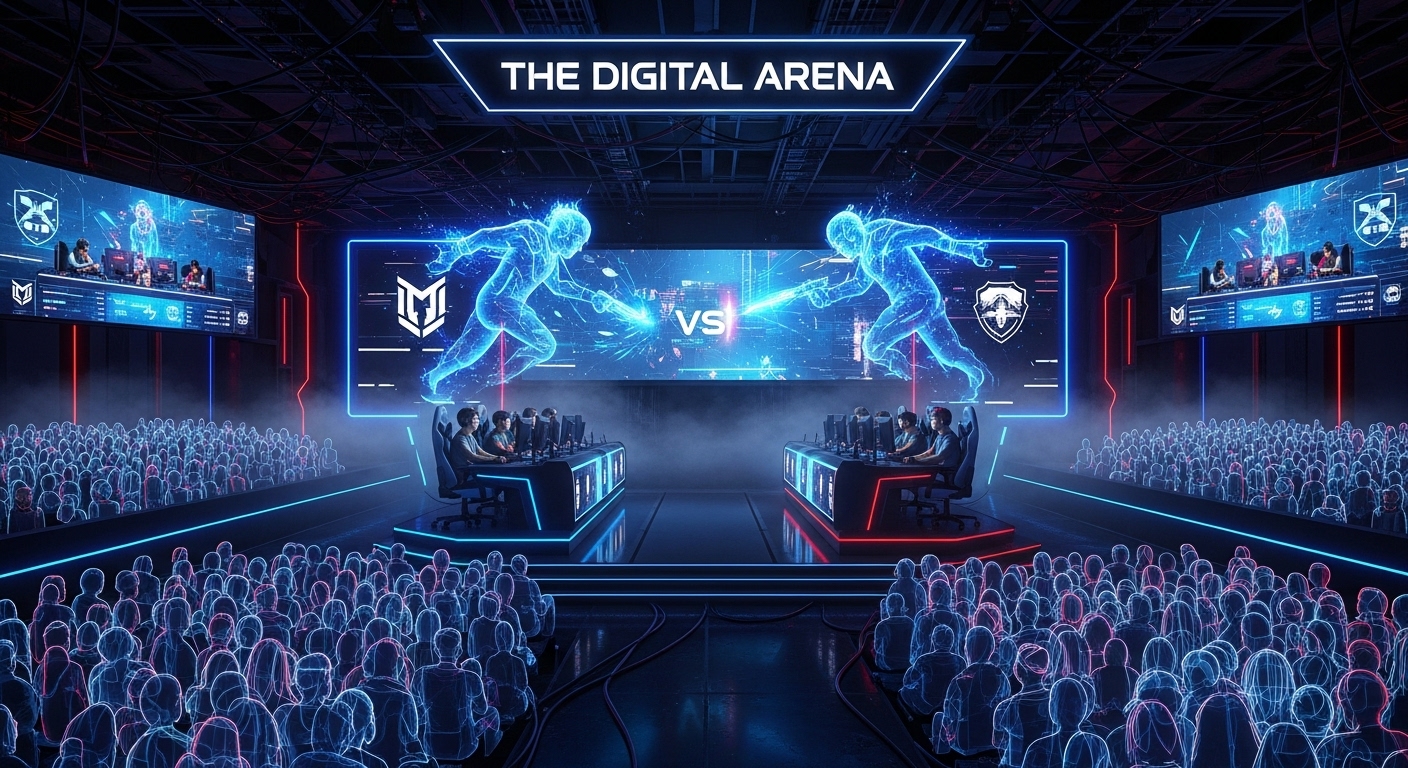
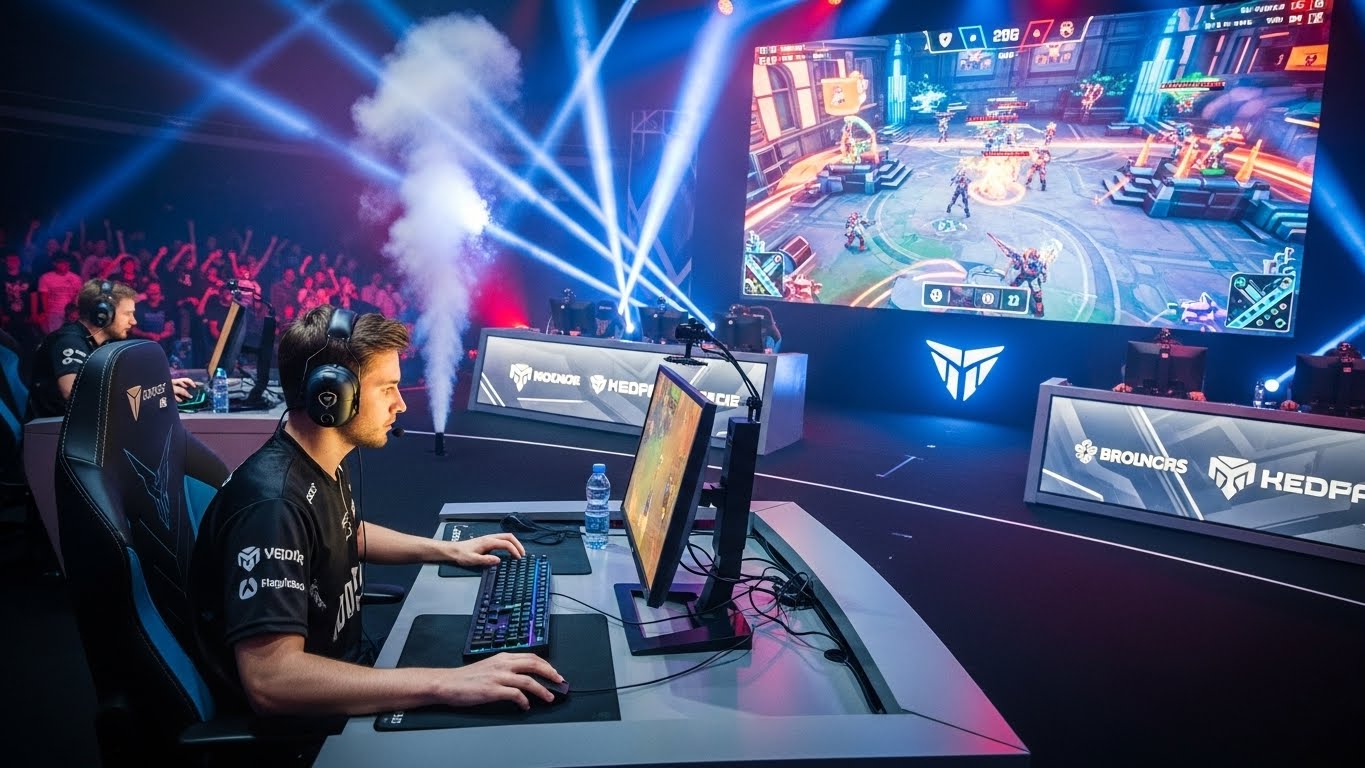
Furthermore, tournaments have evolved into grand spectacles. Elaborate stage designs, live commentary, and immersive production values create an experience akin to traditional sports while leveraging the possibilities of digital entertainment. The combination of accessibility, interactivity, and drama makes esports compelling to millions of viewers worldwide.
The Business of Esports: A Multi-Billion Dollar Industry
Esports has grown into a thriving industry with multiple revenue streams. Professional teams operate like traditional sports franchises, with management, branding, and recruitment strategies. Sponsorship deals and brand partnerships are a significant source of revenue. Major companies invest in esports to reach younger audiences, often funding tournaments, endorsing players, or collaborating on content.
Merchandising has become another lucrative avenue. Fans purchase jerseys, accessories, gaming peripherals, and collectibles associated with their favorite teams. Event production, including live broadcasts, venue management, and content creation, employs thousands of professionals worldwide. The gaming hardware and software industry also benefits, as high-performance computers, peripherals, and streaming equipment are essential for competitive play.
The economic impact of esports extends beyond the gaming world, influencing marketing, entertainment, and technology sectors. Its growth reflects a shift in how audiences consume media, how brands engage with consumers, and how competition evolves in a digital era.
Education and Career Opportunities in Esports
As esports gains mainstream recognition, it also creates opportunities for education and careers. Universities now offer scholarships for esports athletes, reflecting the skill and dedication required to compete professionally. Academic programs in gaming, event management, digital marketing, and broadcasting have emerged to prepare students for various roles within the industry.
Career opportunities are diverse. Beyond professional players, the industry requires coaches, analysts, content creators, event organizers, broadcasters, and marketing professionals. Esports also intersects with technology, game development, psychology, and media, creating multidisciplinary opportunities for aspiring professionals. This ecosystem highlights that esports is not just a sport but a comprehensive industry with careers for both players and non-players.
Social Impact: Communities, Inclusivity, and Positive Change
Esports has a profound social impact. It creates communities where people from different backgrounds come together, fostering teamwork, communication, and mutual respect. Many players find a sense of belonging and confidence within these digital communities.
Esports organizations also engage in charitable initiatives, promoting mental health awareness, digital wellness, and inclusivity. The culture encourages collaboration and constructive competition, helping reshape perceptions of gaming from an isolated activity to a communal, skill-based pursuit.
Moreover, esports provides a platform for diversity. Players, streamers, and teams from various countries and cultures participate and compete, contributing to a more global and inclusive sporting landscape.
Challenges Facing the Industry
Despite its rapid growth, esports faces challenges. Player burnout is a significant concern due to long hours, high pressure, and constant travel. Maintaining mental and physical health is critical for sustainable careers.
Financial stability is another challenge. Smaller organizations struggle to manage expenses while competing for sponsorship and viewership. Regulatory issues, such as cheating, doping, and match-fixing, require attention to maintain integrity.
Inclusivity and diversity remain ongoing challenges. While progress has been made, esports must continue efforts to ensure representation across genders, regions, and socioeconomic backgrounds. Overcoming these obstacles will ensure the industry’s long-term growth and legitimacy.
The Future of Esports
The future of esports is promising. Advancements in technology, including virtual reality and augmented reality, will create new ways to play and watch. Mobile gaming is expanding competitive opportunities, making esports more accessible to a global audience.
Education and professionalization will continue to grow, offering structured pathways for players and industry professionals. Esports is likely to integrate further with mainstream entertainment, technology, and media, solidifying its position as a cultural and economic powerhouse.
As younger generations embrace digital competition, esports will evolve alongside technological innovation, shaping the future of sports, entertainment, and global connectivity.
Conclusion: The Digital Era of Competition
Esports is more than just a trend; it is a revolution in how we compete, entertain, and connect. It merges skill, strategy, technology, and storytelling in ways traditional sports cannot replicate. From small community tournaments to global arenas filled with millions of fans, esports has proven its legitimacy and staying power.
The industry continues to expand, offering new career opportunities, cultural experiences, and economic growth. As esports evolves, it will redefine the meaning of competition in the digital age and inspire generations of players and fans alike. The journey of esports is a testament to the power of human creativity, skill, and connection in a world increasingly shaped by technology.