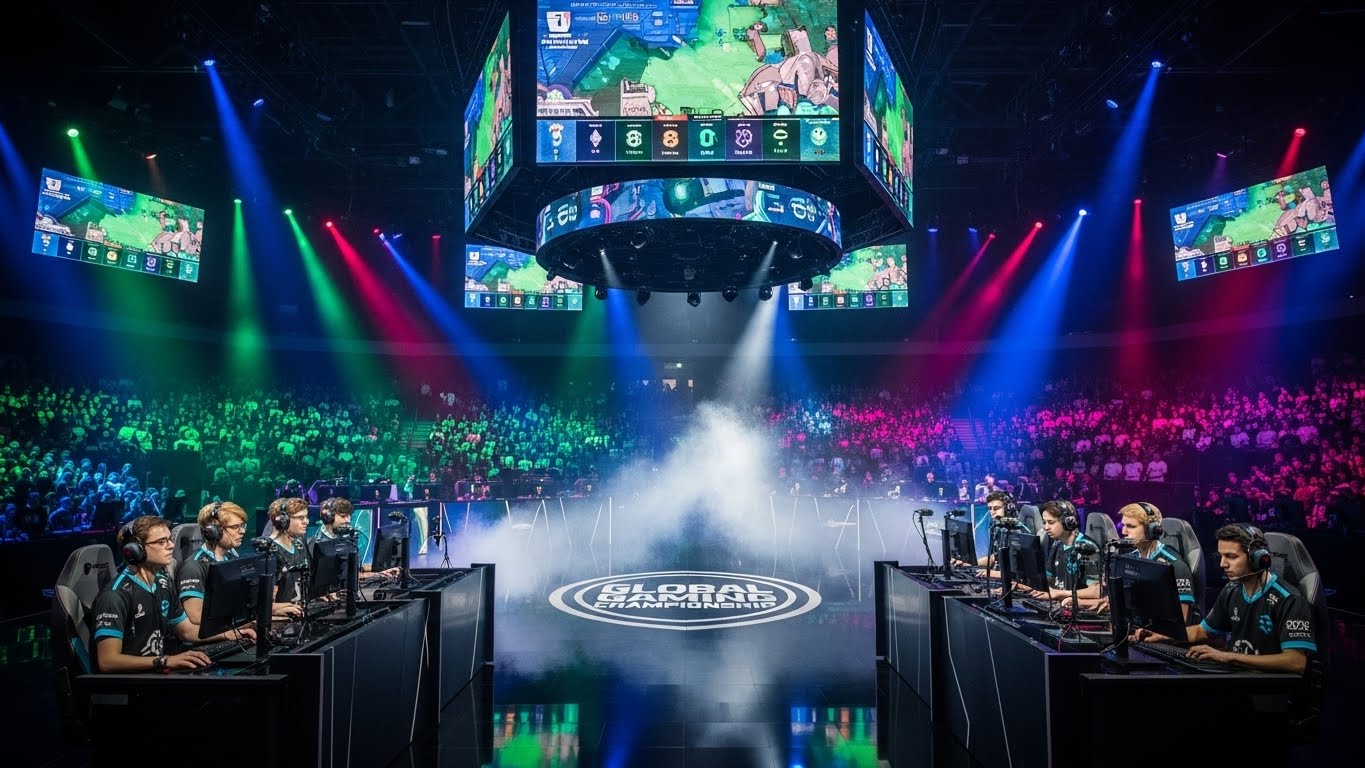

Introduction: The Rise of Esports as a Global Phenomenon
In the last two decades, esports has exploded into a cultural and financial powerhouse, drawing millions of fans and players into its digital arenas. Once considered a niche activity, competitive video gaming has now evolved into a multi-billion-dollar industry that rivals traditional sports in viewership, sponsorship, and player earnings. From high-stakes tournaments in packed arenas to millions of fans watching online streams from their living rooms, esports has truly unleashed the competitive spirit in the digital age.
This blog post delves into the evolution of esports, how it has shaped the entertainment landscape, and the factors that continue to fuel its incredible growth. With an ever-expanding global fan base, esports is positioning itself to redefine what it means to be a professional athlete, all while influencing the future of both entertainment and sports culture.
The Origins of Esports: Where It All Began
The roots of esports trace back to the late 20th century when competitive gaming first began to take shape. In the 1970s and 1980s, games like “Space Invaders” and “Pong” were the first to introduce a competitive element, with players trying to best each other’s scores. The first major video game competition, the “Space Invaders Championship” in 1980, marked the beginning of organized gaming tournaments, though these events remained small and localized.
It wasn’t until the rise of multiplayer games in the 1990s, particularly “Warcraft,” “Quake,” and “StarCraft,” that esports truly began to take off. The real breakthrough came with the advent of broadband internet in the late 1990s and early 2000s. Online gaming became a central component of esports, allowing players from across the globe to compete against each other in real-time. South Korea, in particular, emerged as a pioneer in this space, with “StarCraft” becoming the cornerstone of a competitive gaming culture that would eventually spread worldwide.
By the mid-2000s, organized esports leagues began to take shape, with Major League Gaming (MLG) in the United States and the World Cyber Games (WCG) drawing significant attention. These events introduced the concept of professional esports, with prize money, sponsorships, and televised competitions. As the years passed, esports began to evolve into the polished, highly competitive industry we know today.
The Growth of Esports: From Niche to Mainstream
Esports truly hit its stride in the 2010s, thanks in large part to the rise of streaming platforms like Twitch and YouTube Gaming. These platforms allowed fans to watch live streams of their favorite players, teams, and tournaments, creating a direct connection between competitors and their audience. This shift in how fans consume content was a game-changer for esports, allowing it to reach millions of viewers worldwide.
One of the most significant milestones in esports growth was the rise of the “League of Legends” World Championship, which regularly attracts over 100 million viewers. “Dota 2,” with its record-breaking prize pool, further solidified esports as a global phenomenon. Events like these have not only garnered massive viewership but have also attracted corporate sponsors, with companies like Intel, Coca-Cola, and Red Bull investing heavily in the industry.
Esports continues to expand rapidly, with new games entering the competitive gaming space, such as “Fortnite,” “Apex Legends,” and “Valorant.” These games have helped expand the diversity of esports genres, ensuring that there is something for every type of gamer. From first-person shooters to real-time strategy games and battle royales, the variety within esports is one of its key strengths.
The rise of mobile gaming has further accelerated the growth of esports, making competitive gaming more accessible to players and fans in developing markets. Titles like “PUBG Mobile” and “Free Fire” have become incredibly popular in regions such as Southeast Asia, Latin America, and the Middle East, expanding the global footprint of esports.
Esports as a Profession: The Road to Becoming a Professional Gamer
In the early days of esports, players were largely hobbyists who competed for fun or small prizes. However, as the industry grew, so did the opportunities for gamers to make a living from their skills. Today, esports has become a legitimate profession, with some players earning millions of dollars in prize money, sponsorships, and streaming revenue.
Professional gamers dedicate their lives to training, practice, and competition, often spending up to 12 hours a day honing their skills. Just as in traditional sports, esports athletes need to stay physically and mentally sharp to perform at the highest level. They practice regularly, develop strategies, and study their opponents to gain an edge in tournaments.
In addition to competing, professional gamers have also embraced streaming as a way to build a personal brand and earn income. Platforms like Twitch and YouTube Gaming have created opportunities for players to monetize their gameplay through advertising, fan donations, and subscriptions. Top streamers can make millions of dollars a year, and many esports players have become influencers in their own right, with large social media followings and brand partnerships.
The esports ecosystem extends beyond just players, with coaches, analysts, team managers, broadcasters, and event organizers all contributing to the industry. Esports organizations, such as Cloud9, TSM, and FaZe Clan, are akin to traditional sports franchises, managing rosters, overseeing sponsorship deals, and organizing events. These organizations have become major players in the esports world, contributing to its continued growth.
The Business of Esports: The Financial Side of Competitive Gaming
Esports is more than just a sport—it’s a thriving business with multiple revenue streams. The esports industry generates billions of dollars annually, with sponsorships, media rights, merchandise, and ticket sales contributing to its profitability. Sponsorships are one of the largest sources of revenue for esports teams and events, with global brands eager to tap into the tech-savvy, young, and engaged esports audience.
Gaming hardware companies, like Intel, Nvidia, and Alienware, sponsor events and teams to showcase their products. Beverage brands such as Coca-Cola, Monster, and Red Bull have also become prominent sponsors, associating their brands with the energy and excitement of competitive gaming. These partnerships have helped elevate esports from a fringe activity to a mainstream entertainment form.
In addition to traditional sponsorships, streaming platforms like Twitch have helped esports content creators generate revenue through advertisements, subscriptions, and donations. Esports leagues and tournaments, like the Overwatch League and the League of Legends Championship Series, generate revenue through media rights deals, with networks and streaming platforms paying for the right to broadcast live events.
The esports industry has also seen an influx of investment, with venture capital firms and even traditional sports organizations investing in esports teams and events. These investments have helped professionalize the industry, creating infrastructure and opportunities for growth in regions around the world.
Esports and Traditional Sports: A New Era of Entertainment
One of the most significant developments in the world of esports is the growing relationship between esports and traditional sports. Many major sports organizations, including the NBA, NFL, and football clubs in Europe, have invested heavily in esports, either by sponsoring teams or creating their own esports divisions. The NBA’s “NBA 2K League,” for example, features professional players competing in the popular video game “NBA 2K,” with franchises representing real-world teams.
This merger of esports and traditional sports has led to new forms of hybrid entertainment, where sports fans can enjoy both physical and digital competition. Traditional sports teams have embraced esports as a way to connect with younger audiences who are increasingly drawn to digital entertainment. By expanding into esports, traditional sports organizations are tapping into a new revenue stream and strengthening their brand.
Esports has also influenced traditional sports by incorporating esports-style elements, such as virtual drafts, team-building strategies, and large-scale live events. In return, esports players have gained insight from the structure and management of traditional sports leagues, further professionalizing the esports ecosystem.
The Global Reach of Esports: Bridging Cultures and Communities
One of the unique aspects of esports is its ability to connect people across borders, languages, and cultures. Unlike traditional sports, where players are often confined to specific regions or countries, esports allows players from around the world to compete in the same tournaments. This global connectivity has created a truly international fanbase, with esports events attracting millions of viewers from all corners of the globe.
The inclusivity of esports is a major factor in its success. Games like “League of Legends” and “Counter-Strike” feature teams from different continents, and major tournaments have fans tuning in from countries with diverse cultures and backgrounds. This global nature of esports has helped break down geographical barriers and create a shared sense of community among fans.
Esports has also made a significant impact in emerging markets, where the popularity of gaming has skyrocketed in recent years. Countries in Southeast Asia, Latin America, and Africa have become hotbeds for competitive gaming, with local teams and players rising to international prominence. As internet access and infrastructure improve, esports is expected to continue growing in these regions, creating new opportunities for both players and fans.
The Future of Esports: Where Are We Headed?
As esports continues to grow, its potential seems limitless. The integration of virtual reality (VR) and augmented reality (AR) could take competitive gaming to new heights, offering fans and players a more immersive experience. In addition, new esports games and genres are likely to emerge, expanding the scope of competitive gaming even further.
Esports is also likely to continue its march toward mainstream recognition. The inclusion of esports in events like the Asian Games and the ongoing discussions about its potential inclusion in the Olympics suggest that esports could one day join the ranks of traditional sports on the global stage.
In conclusion, esports is no longer just a trend or a passing fad. It has evolved into a cultural and economic force that is reshaping the way we think about competition and entertainment. With millions of fans, professional