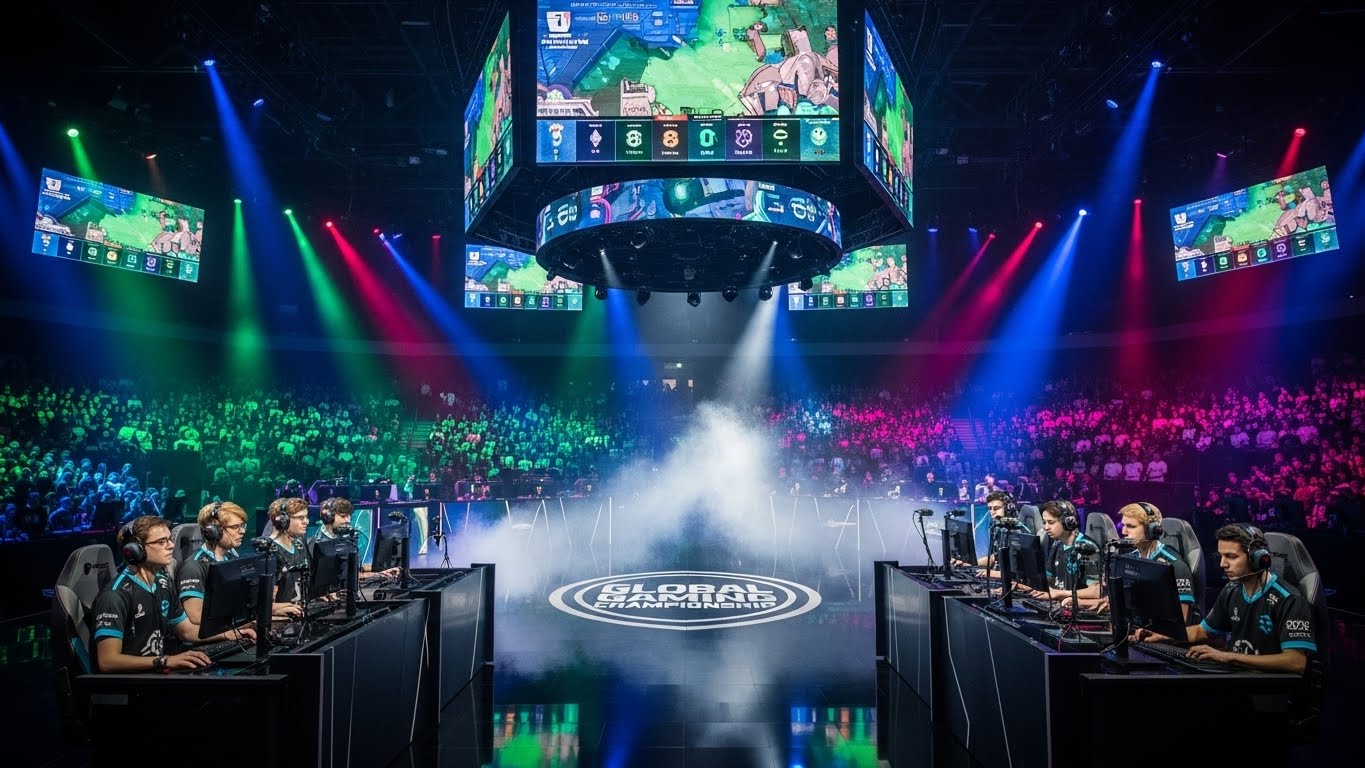
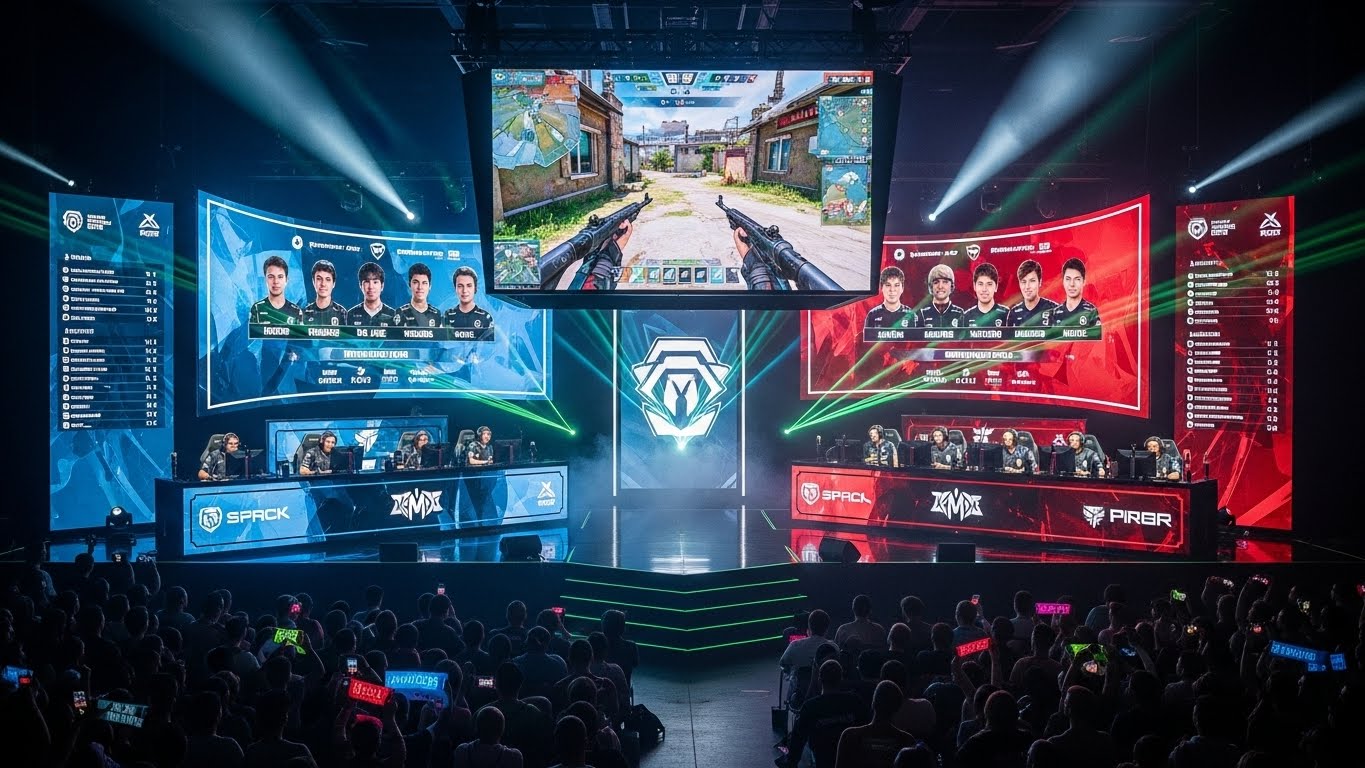
Esports, or competitive video gaming, has transformed from a niche pastime into a global phenomenon. It has grown into an industry worth billions of dollars, with professional leagues, high-stakes tournaments, and passionate fanbases around the world. Beyond entertainment, esports has become a platform for career opportunities, education, technological innovation, and social engagement. This blog explores the rise of esports, its societal and economic impact, and why it has become a defining feature of contemporary culture.
The Rise of Esports: From Hobby to Global Stage
Esports has a rich history that spans several decades. The roots of competitive gaming can be traced back to the 1970s and 1980s, when arcade games and early home consoles offered platforms for small-scale competitions. Players would gather in local arcades to compete in games like Space Invaders and Pac-Man, laying the groundwork for organized competitive play.
The real transformation began in the late 1990s and early 2000s with the rise of online multiplayer games. Titles such as StarCraft, Counter-Strike, and Warcraft III became the first games to foster professional competitive scenes. Internet connectivity allowed players to compete across cities, countries, and eventually continents. This global reach, combined with the advent of live-streaming platforms, made it possible for esports to become an international phenomenon, captivating millions of fans worldwide.
The Global Popularity of Esports
Esports is no longer confined to a single region. Countries like South Korea, China, and the United States have become hubs for competitive gaming. South Korea, in particular, is known for its professional gaming culture, with esports stars achieving celebrity status comparable to traditional athletes.
One of the reasons esports appeals globally is its accessibility. Unlike traditional sports that may require specific physical attributes or costly equipment, esports can be played by anyone with access to a computer or gaming console. This inclusivity allows players from different backgrounds, genders, and ages to compete at the same level, creating a truly international community.
Professional Esports: Careers Beyond the Screen
Esports is no longer just a hobby; it has become a viable career path. Professional players earn income from tournament winnings, team salaries, sponsorships, and streaming platforms. The most successful esports athletes are often household names, inspiring millions of fans.
The industry also supports a wide range of careers beyond playing. Coaches, analysts, event organizers, content creators, commentators, and marketers all contribute to the ecosystem. Training academies and esports programs are now formalizing talent development, ensuring that gaming as a career requires discipline, strategy, and consistent practice.
Technology Driving Esports Forward
Technology is at the core of esports. Powerful computers, high-speed internet, advanced gaming consoles, and virtual reality have made competitive gaming more immersive and precise. Streaming platforms allow millions of fans to watch live competitions, interact with players, and engage in online communities.
Data analytics and artificial intelligence are increasingly being used to track player performance, optimize strategies, and improve training methods. Technology has not only enhanced gameplay but also expanded opportunities for innovation in broadcasting, fan engagement, and even game development.
Cognitive and Mental Benefits of Competitive Gaming
Esports is often misunderstood as purely recreational, but it provides significant cognitive and mental benefits. Strategy-based games require critical thinking, problem-solving, spatial awareness, and multitasking. Players must make quick decisions under pressure, enhancing mental agility and adaptability.
Multiplayer games foster teamwork, leadership, and communication skills. Coordinating with teammates to achieve objectives strengthens social and strategic abilities. Competitive gaming also improves focus and concentration, skills that can translate into academic and professional success.
Physical Health in the Digital Arena
While esports is primarily a mental activity, physical health is increasingly emphasized. Extended gaming sessions can lead to eye strain, poor posture, and a sedentary lifestyle. Professional esports organizations have recognized this and incorporated structured fitness routines, nutrition plans, and wellness programs for players.
Physical fitness not only prevents health issues but also enhances performance. Stamina, reflexes, and mental clarity are all improved through regular exercise, proving that even in a digital sport, physical well-being is crucial.
Social Impact of Esports Communities
Esports has redefined how people connect in the digital age. Online gaming communities allow players to form friendships, collaborate, and engage in mentorship, regardless of geographic location. These communities often provide emotional support and a sense of belonging for participants.
Offline, esports events bring fans together in stadiums, arenas, and convention centers. Fans celebrate achievements, cheer for favorite teams, and interact with players, fostering social cohesion and shared passion. Esports demonstrates that gaming is not an isolating activity but a medium for connection and community building.
Esports in Education
Educational institutions are increasingly recognizing the value of esports. Schools and universities have started offering scholarships, varsity esports teams, and training programs. These programs teach not only gaming skills but also leadership, time management, strategic planning, and collaboration.
Esports also opens pathways to careers in technology, media, business, and content creation. Students gain practical experience in areas like event management, broadcasting, and game design, making esports a bridge between education and professional opportunities.
Gender Inclusion in Esports
Traditionally, gaming has been male-dominated, but this is changing. Female gamers, non-binary players, and underrepresented groups are gaining visibility and achieving success in competitive esports. Organizations are actively promoting diversity initiatives and creating inclusive tournaments to empower these players.
Diversity strengthens the esports ecosystem. Different perspectives encourage creativity, innovation, and better collaboration, making the community richer and more dynamic. Inclusive esports environments also inspire more people to participate, contributing to the growth of the industry.
Esports as Entertainment
Esports is as much entertainment as it is competition. Major tournaments are spectacles that combine high-level gameplay with storytelling, live commentary, and interactive fan experiences. Viewers enjoy not only the skill of the players but also the narratives surrounding teams, rivalries, and individual achievements.
The entertainment factor has blurred the lines between traditional sports, gaming, and digital media. Fans are no longer passive observers; they actively participate by engaging in discussions, voting in polls, and interacting with content online. Esports has become a participatory form of entertainment that captivates audiences globally.
Economic Impact of Esports
Esports has emerged as a significant economic driver. Revenue streams include sponsorships, advertising, ticket sales, merchandise, and streaming subscriptions. Brands invest heavily in esports to reach younger, digitally-savvy audiences.
Beyond direct revenue, esports stimulates local economies through events, tourism, and hospitality. The industry has also fueled related sectors, such as gaming peripherals, software development, and media production. The economic significance of esports demonstrates that it is more than a hobby; it is a robust and influential industry.
The Future of Esports
The future of esports is promising and dynamic. Virtual reality, augmented reality, and cloud gaming are expected to transform how competitive gaming is experienced. Traditional sports organizations are investing in esports divisions, recognizing its potential as a mainstream entertainment and career platform.
Esports is likely to continue growing in both popularity and legitimacy. Its ability to combine competition, technology, and community engagement ensures that it will remain a defining aspect of digital culture. Esports is not just a passing trend; it is shaping the future of entertainment, education, and professional development.
Conclusion: More Than a Game
Esports is more than playing video games; it is a cultural, social, and economic phenomenon. It empowers players, connects communities, drives technological innovation, and creates career opportunities. Beyond the screen, esports teaches discipline, strategy, collaboration, and resilience.
The rise of esports illustrates how digital entertainment can redefine competition and community in the modern world. Whether as a professional player, a fan, or someone exploring career paths in technology and media, esports offers lessons, opportunities, and inspiration. It is a movement that celebrates skill, strategy, and dedication, proving that gaming is not just a pastime—it is a powerful force shaping the future.