Introduction
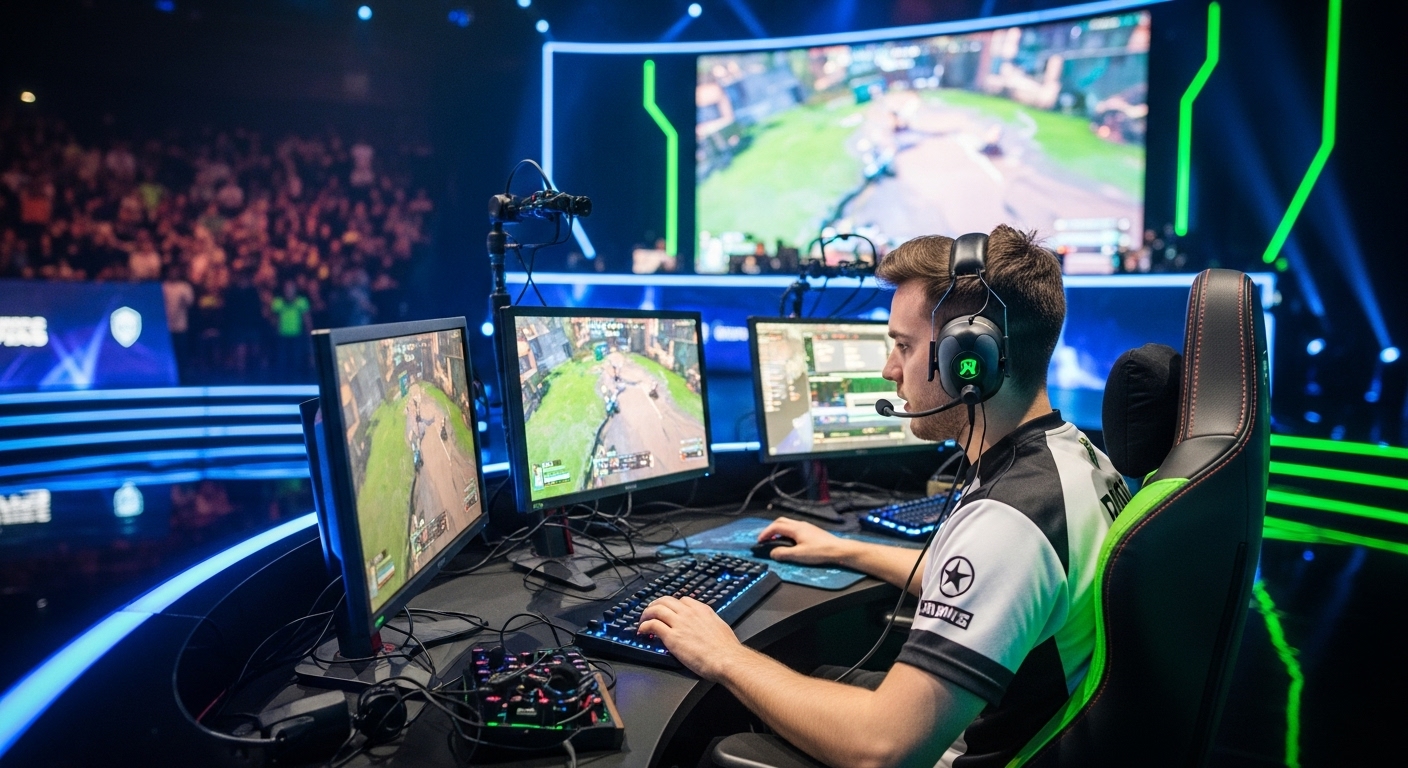
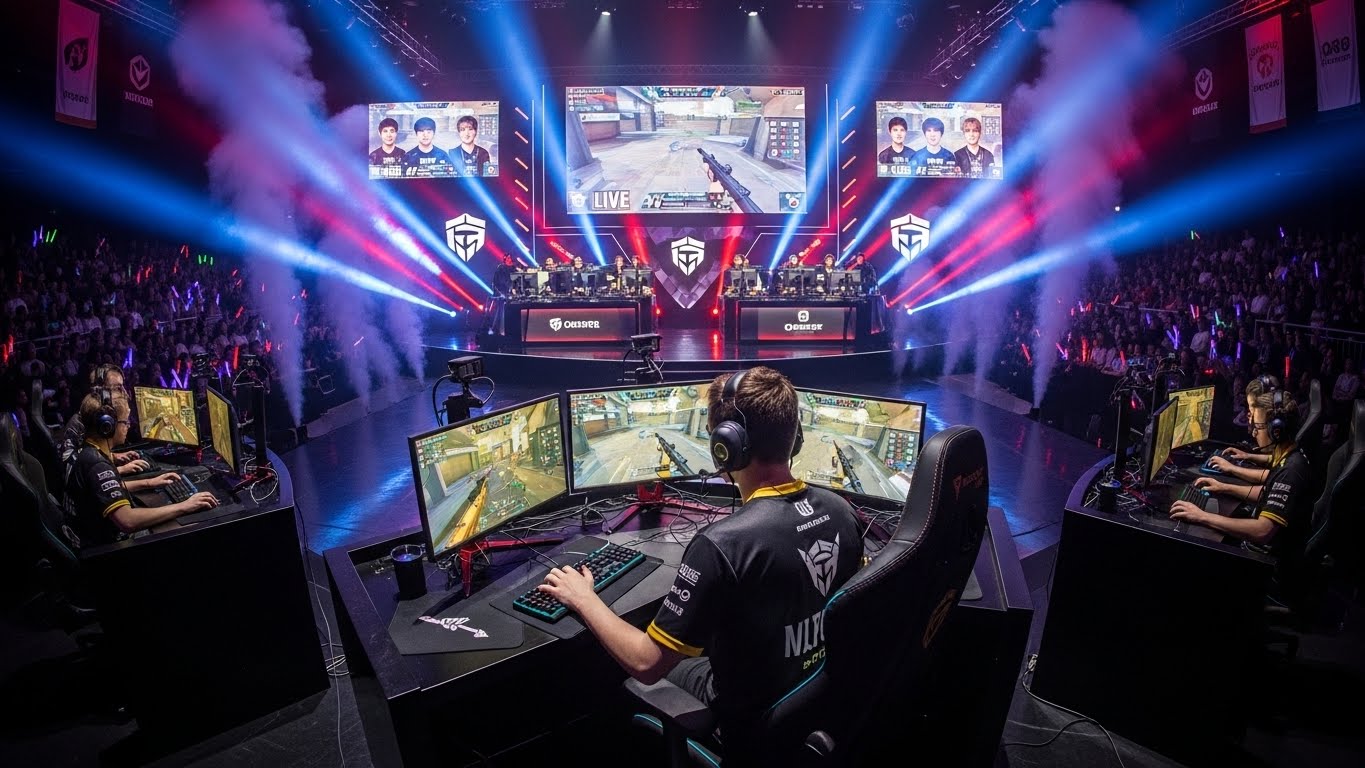
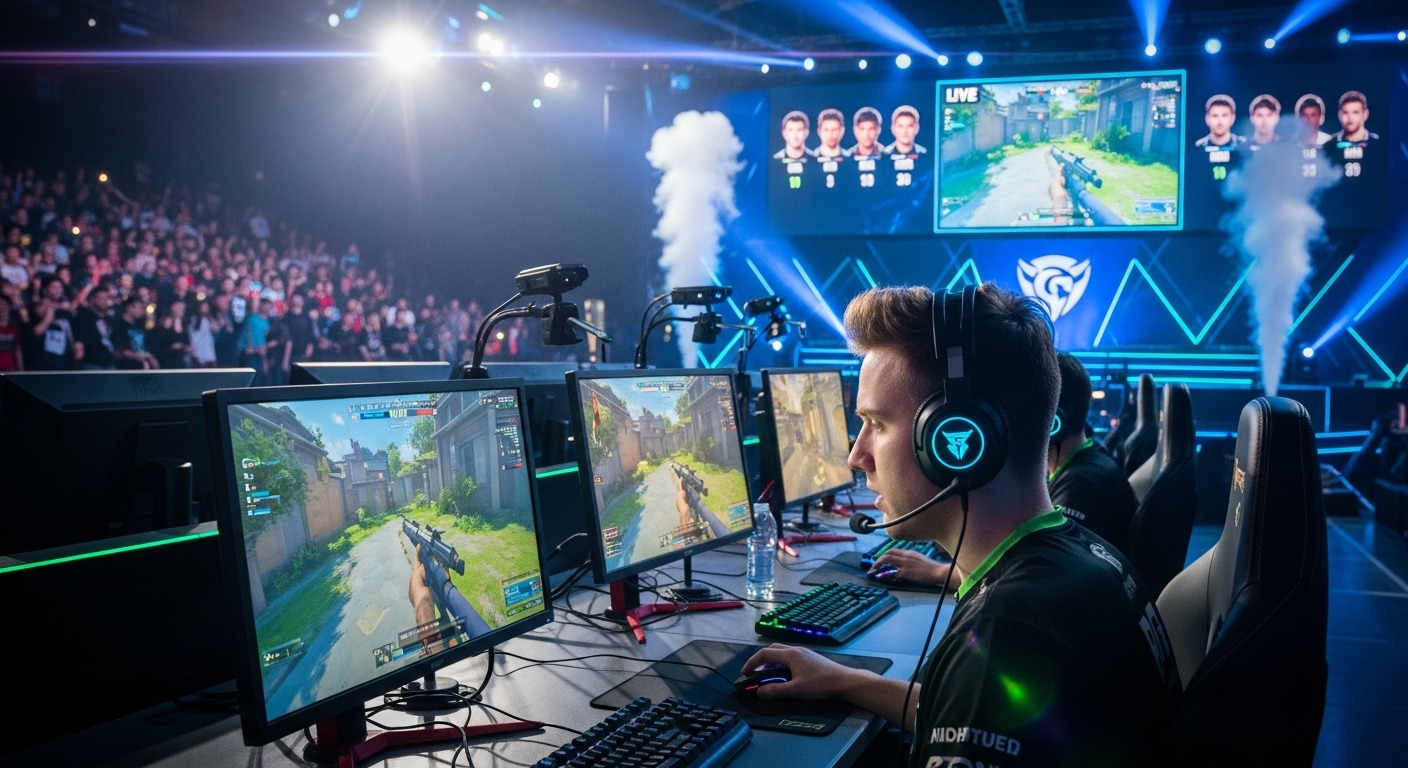
Esports, short for electronic sports, has evolved from informal video game competitions among friends into a global behemoth attracting millions of viewers, substantial investments, and professional leagues. What was once a pastime has become a legitimate industry with professional teams, coaches, sponsorships, and massive prize pools. In this blog post, we explore the evolution of esports, what makes it so popular, the challenges it faces, and where it might go in the future.
Origins of Esports
Esports’ roots trace back to the earliest days when video games existed. In the 1970s and 1980s, arcade tournaments and early computer gaming competitions set the stage for organized gaming. Competitive gaming was informal, often localized within universities or gaming communities. The growth in personal computing and home consoles in the 1990s introduced new genres and possibilities.
During the late 1990s and early 2000s, the rise of the internet enabled multiplayer gaming on a large scale. Games like first-person shooters, real-time strategy, and fighting games gained traction. Early tournaments for games such as Counter-Strike, StarCraft, Street Fighter, and Quake drew competitive players. Organizations began to formalize structures, and prize money started to appear.
As broadband internet became more accessible and hardware improved, the quality, scale, and reach of competitive gaming rose dramatically. By the mid to late 2000s, major tournaments were being televised or streamed, drawing global audiences. This laid the groundwork for esports as we recognize it today.
Explosion in Popularity
Several factors contributed to the explosive growth of esports. First, streaming platforms enabled fans to watch live competitions easily. These platforms allowed gamers from any part of the world to both broadcast their gameplay and watch others. This created a feedback loop: more viewers led to more interest, which led to more tournaments, more investment, and improved production.
Second, the diversification of gaming genres played a crucial role. Esports is no longer limited to shooters or fantasy strategy games. Battle arena games, sports simulations, card games, and even fighting and mobile games have found competitive niches. Each genre draws different demographics, expanding the overall fanbase.
Third, investment from non-endemic brands—companies outside the traditional gaming industry—brought legitimacy and considerable capital. Sponsorship, prize money, merchandising, and media rights deals began to rival those in traditional sports. Universities, too, started offering scholarships for esports athletes, treating them similarly to other varsity sports.
Finally, advancements in technology—graphics, broadband speeds, hardware performance—enabled high-fidelity gaming, compelling visuals, and better spectator experiences. Virtual reality, augmented reality, and enhanced spectator tools have begun to make esports even more immersive and engaging.
Structure and Ecosystem of Esports
Professional esports operates with teams, leagues, tournaments, organizers, and support staff. At the high level, esports has global events, regional leagues, and local competitions. Talented players often begin their careers in online ladders or amateur tournaments, working their way up to semi-pro and then pro level.
Teams are organized similarly to traditional sports franchises. They hire players, coaches, analysts, strategists, managers, and content creators. Some teams are backed by private investors, while others are owned by corporations or even countries. Teams often have training facilities, boot camps, and structured practice regimens.
Tournaments range from small regional contests with modest prize pools to blockbuster international events with millions of dollars at stake. Many game developers themselves sponsor or operate official leagues; others license their games to third-party tournament organizers. Prize money, sponsorships, media deals, merchandise, and broadcasting rights are the primary revenue streams.
Fan interaction is central. Live events attract audiences in stadiums or arenas. Even more people watch via streams. Commentators, analysts, influencer partnerships, highlight reels, and social media drive audience engagement. Fans support their favorite teams or players, buy jerseys or digital goods, follow strategies, discuss meta shifts, and celebrate rivalries.
Key Genres and Games Prominent in Esports
Esports encompasses a variety of genres and games. It is helpful to understand some of the prominent types.
Real-time strategy (RTS) games focus on macro and micro management of resources and armies. Players must make split-second decisions about positioning, economy, unit composition, and more. Precision and long-term strategy are essential.
First-person shooters (FPS) emphasize aim, reflexes, positioning, map control, teamwork, and sometimes individual mechanical skill. Games in this category often feature fast-paced action and clear objectives such as capturing zones or eliminating opponents.
Multiplayer online battle arena (MOBA) games blend strategic depth with teamwork. Players often select roles—carry, support, initiator—and must cooperate to control objectives, push lanes, manage vision, and coordinate team fights.
Sports simulations and racing games replicate real-world sports or motorsports. They often have official licenses, so the in-game content mirrors real sports leagues. These games appeal not only to typical gamers but also sports fans who want to experience their favorite disciplines in digital form.
Fighting games, card games, and sometimes battle royale formats round out other popular genres. Each has its own community, culture, and competitive framework.
Mobile esports has risen rapidly. With the proliferation of smartphones, powerful mobile games have developed their own competitive ecosystems. The accessibility of mobile gaming allows players from regions with fewer high-end PC or console setups to compete and stream.
What Drives Competitiveness and Skill
Esports demands a combination of mechanical skill, game knowledge, mental fortitude, and strategic insight.
Mechanical skill includes precision, reaction time, hand-eye coordination, and executing complex actions quickly. Top players often practice for many hours to refine these skills.
Game knowledge means understanding game mechanics, meta (what strategies are currently most effective), map layouts, character or weapon strengths and weaknesses, timing of objectives, and resource management.
Teamwork and communication are often essential. In many games, coordinated action, timing, role specialization, and synergy matter more than what one player can do alone. Listening, responding to teammates, adapting to shifting situations—these are crucial.
Mental strength plays a major role. Players are exposed to pressure: high stakes, large audiences, long hours, potential backlash for losses. Maintaining focus, recovering from mistakes, sustaining confidence, managing stress are part of top-level competitive performance.
Adaptability is also key. Games receive patches and updates, strategies evolve, opponents innovate. What worked last season might be obsolete now, so successful players and teams must keep analyzing, testing, and evolving their play.
Economic Impact and Revenue Streams
Esports has become a lucrative business. Revenue comes from multiple sources.
Sponsorships and endorsements are significant. Brands pay money to have their logos, products, or messages associated with teams, players, or events. These deals can be local, regional, or global.
Media rights are increasingly valuable. Just as with traditional sports, streaming platforms or broadcasters pay for the rights to show tournaments or leagues. Major events may command high bids, with organizations negotiating exclusive broadcasts or streaming arrangements.
Merchandise sales—team apparel, accessories, in-game goods—offer additional income. Strong fan loyalty can make a team’s merchandise sell well, especially in major markets.
Prize money is a direct financial incentive for players and teams. Some events have modest pools, others offer millions. Top teams may also receive salaries, housing allowances, performance bonuses, and revenue shares from sponsorships and media deals.
The business side also includes venues, event production, staffing, travel costs, and logistics. Esports organizations may invest heavily in infrastructure: training facilities, streaming studios, coaching personnel, content creation. Not every organization is profitable, particularly at early stages or in less developed markets, but many have attracted investment from venture capital or corporate sources.
Challenges Facing Esports
Despite its tremendous growth, esports faces several challenges.
Regulation and governance are still developing. With many different game publishers, tournament organizers, regional bodies, and teams, there is no single governing body like in traditional sports. Rules vary across leagues, often leading to disputes around player contracts, match fixing, doping (both drugs and software assistance), scheduling, and fair play.
Player welfare is a concern. Top-level competition demands long hours of practice, travel, high-stress performance, and may lead to burnout, physical strain (e.g. repetitive strain injuries, eye strain), mental health issues. Ensuring sustainable working conditions, rest, health support is important but not always prioritized.
Monetization and revenue inequalities exist. While a few top games and teams make large profits, many smaller or regional esports struggle to break even. Infrastructure costs, travel, and maintaining competitive performance are expensive. For some players, income can be unstable.
Audience saturation and competition for attention are real issues. There are many games, tournaments, streams, content creators. Keeping viewership high requires continuous innovation, high-quality production, compelling storylines, and preserving viewer trust. Oversaturation can lead to fragmentation of audiences and declining interest in less prominent events.
Legal and intellectual property issues can arise. Game publishers own the rights to their games and may restrict how their games are used, how tournaments can be run, what content can be broadcasted, or how merchandising works. Negotiations between publishers, organizations, and players can be complex.
Technological challenges such as latency, server stability, cheating, and ensuring fair match environments are ongoing concerns. In addition, in regions with weak internet infrastructure or fewer resources, access can be limited, which can reduce participation or professional growth.
Cultural Impact and Social Dimensions
Esports has significant cultural and social dimensions. For many players, especially young people, gaming is a core part of identity and social life. Esports communities can be global, bringing together people across cultures and languages around shared interests.
Viewers form fandoms, follow personalities, engage with content creators, and participate in online discussions. Streaming platforms provide ways for fans to interact with players or casters in real time, fostering a sense of community.
Esports also influences mainstream culture. Celebrities sometimes play or endorse streamers, games or esports events merge with music or entertainment festivals, and major tournaments feature elaborate opening ceremonies, production values, and sponsorships similar to those in big traditional sports or entertainment events.
Diversity and inclusion issues are increasingly visible. Historically male-dominated, esports is starting to see more female players, LGBTQ+ representation, and international diversity. However, issues remain around representation, harassment, pay equity, and creating inclusive environments for all players and fans.
Esports in Different Regions
The development of esports varies by region. In some countries and regions, esports is extremely well established with professional leagues, infrastructure, funding, and large fanbases. In other areas, esports is growing but faces limitations in funding, internet infrastructure, cultural acceptance, or governmental regulation.
In parts of Asia, esports is massive. Countries invest in infrastructure, tournaments are frequent, mobile gaming thrives, and esports is even recognized in some places for official competition. In Europe and North America, esports is also well developed, with established brands, media deals, and professional teams.
In regions with less economic development or limited internet connectivity, esports faces barriers. Hardware costs, high latency, poor access to high-quality broadband, and limited local support can hinder growth. But mobile gaming and local community tournaments often serve as stepping stones.
Government policy plays a role. Some governments support esports as part of economic development or youth engagement, providing grants, recognition, or regulation. Others are more hands-off or skeptical of gaming culture. Regulations around gambling, broadcasting rights, and digital commerce can affect how esports develops in each region.
Technology’s Role and Emerging Trends
Technology underpins esports, and emerging trends are likely to shape its future.
Improved streaming technologies make broadcasts smoother, more interactive, more accessible. Features like multiple camera angles, real‑time statistics, augmented reality graphics, spectator modes, and other ways to make esports more exciting are being developed and refined.
Virtual reality and augmented reality have potential. While current esports are mostly plays on screens, immersive technologies could create new formats of competition or spectator experience. New hardware and interfaces could allow new forms of gameplay and interaction.
Artificial intelligence and analytics are transforming how teams prepare. Analysts use data to understand performance, predict opponent strategies, optimize player performance, identify meta shifts. AI may help with match‑making, cheat detection, training, or creating bots for practice.
Cross‑platform and mobile gaming are opening up esports to broader audiences. Mobile esports in particular is booming in many regions due to lower hardware costs and widespread smartphone adoption. Games that can be played on multiple platforms also increase inclusivity.
Blockchain and non‑fungible tokens may bring new possibilities for ownership of digital items, fan engagement, and monetization, though these are still nascent and come with challenges.
Case Studies: Success Stories
Examining a few examples helps illustrate how esports can succeed.
One popular game, for instance, has developed a global tournament with multiple regional leagues feeding into playoffs. Teams spend heavily on coaching, analysis, and scouting, building academies for young talent. Event production is high quality with packed arenas, big opening shows, and interactive fan experiences.
Another case is mobile esports in emerging markets. Because of lower costs of entry and broad distribution of capable smartphones, thousands of aspiring players compete locally or online. Tournaments held in community centers or local stadiums draw crowds, sponsors support local teams, and some players eventually make it to global stages. Local streaming of competitions helps to build fan communities even in places with fewer broadcast deals.
Educational institutions in certain countries have started offering full scholarships to esports athletes. These programs often include physical training, mental health support, academic backup, and pathways into careers in content production, coaching, event management, or business.
Ethical and Social Issues
As esports continues its rise, ethical and social issues emerge.
Burnout and mental health issues among players are serious concerns. Many young players face pressure to perform, long hours of practice, frequent travel, and public scrutiny. Without proper support systems, exhaustion, anxiety, depression, or other problems can develop.
Cheating and unfair play undermine credibility. This includes using cheat software, exploiting bugs, or manipulating results. Ensuring fair competition is critical for integrity.
Match fixing and gambling pose risks. In some regions, illegal betting or manipulation of outcomes get intertwined with tournaments. Transparent oversight and regulation are necessary to protect players and fans.
Representation and inclusion are ongoing struggles. Ensuring equal opportunity for women, minorities, and underrepresented groups is critical. Harassment, toxicity, or discrimination discourage participation or degrade experiences for some.
Data privacy and digital rights also matter. Players and fans generate large amounts of data. How this data is used, shared, or monetized raises concerns. Publishers, organizers, teams must be mindful of ethical practices.
The Future of Esports
What might the future hold for esports? Several trends and possibilities seem likely.
Further professionalization. More robust governance frameworks, standardization of player contracts, regulatory oversight, health and welfare support can be expected. Esports organizations will increasingly look like traditional sports clubs in terms of structure, staffing, and operations.
Integration with mainstream sports and entertainment. Partnerships between esports and traditional sports clubs are growing. Hybrid events that combine gaming with music, pop culture, or physical entertainment could become more common. More athletes may invest in esports teams, more celebrities may participate or invest.
Growth of mobile and cloud gaming. As internet infrastructure improves and cloud gaming becomes more viable, more people everywhere will be able to participate. Titles that run on low‑end devices, or that stream from servers, will broaden reach.
New viewing experiences. Technologies like virtual reality spectator modes, interactive overlays, augmented reality, integration of social media, and more immersive broadcast experiences will continue to develop. Fans will expect more than watching; they will expect to interact, to choose perspectives, to participate in community.
Education and career paths. As esports becomes more established, more universities and vocational programs will offer courses, scholarships, or degrees in esports‑related fields: game design, event production, team management, content creation, coaching, analytics, marketing. Esports as a career will become more visible and viable.
Social impact and inclusivity. Increased efforts toward diversity, inclusion, mental health awareness, and ethical governance are likely to shape how the industry evolves. Esports organizations that promote fairness, welfare, and social responsibility will probably garner more respect and long‑term stability.
Global expansion into underserved regions. As technology and infrastructure improve, esports will grow in regions currently underrepresented. Local scenes will emerge, supported by regional leagues, sponsors, and infrastructure. Global tournaments may recruit talent from increasingly diverse backgrounds.
Innovation in monetization. New models such as digital goods, subscriptions, fan memberships, exclusive content, interactive experiences, crowdfunding, and possibly tokenization could become more common. Revenue models will diversify beyond sponsorships and prize money.
Conclusion
Esports has transformed from casual competitions into a sophisticated, multi‑billion‑dollar industry. It sits at the intersection of technology, entertainment, sports, culture, and community. There is remarkable opportunity ahead: for players, teams, fans, creators, and regions yet to fully engage. But with that opportunity come responsibilities: ensuring fairness, sustainability, well‑being, inclusivity, and integrity.
As esports continues to grow, it will need to balance commercial ambition with ethical practice, competitive integrity with entertainment value, and diversity of participants with unity of vision. The future of competitive gaming is bright, dynamic, and likely to change in ways we can scarcely imagine today. For anyone passionate about games, technology, or the culture of competition, esports offers a space of innovation, excitement, and community.