The Birth of Esports
The story of esports begins much earlier than most people realize. The concept of competitive gaming can be traced back to the early 1970s when video games were still in their infancy. The first recorded video game competition took place at Stanford University in 1972, where students played Spacewar! for a one-year subscription to Rolling Stone magazine. Though small in scale, it marked the birth of something that would evolve into a global phenomenon.
As arcade games became popular in the late 1970s and early 1980s, friendly competitions over high scores began to capture attention. Titles like Pac-Man, Donkey Kong, and Space Invaders encouraged players to set records, sparking the first wave of competitive gaming culture. The 1980 Space Invaders Championship hosted by Atari attracted over 10,000 participants across the United States. This event is often considered one of the earliest large-scale gaming tournaments.
The Rise of the Internet Era
The 1990s brought a new dimension to gaming competition. The rise of personal computers and the spread of the internet allowed players to connect across great distances. Games like Doom, Quake, and StarCraft became the foundation of organized online multiplayer competition. LAN (Local Area Network) parties emerged as social gatherings where friends would connect computers and battle head-to-head for hours.
During this period, several competitive gaming leagues began to form. In 1997, the Cyberathlete Professional League (CPL) was founded, becoming one of the first organizations to treat gaming as a legitimate competitive sport. Around the same time, StarCraft became a cultural phenomenon in South Korea, leading to televised tournaments and the rise of professional gaming teams. South Korea quickly became the epicenter of esports, setting the stage for the global explosion that was to come.
The 2000s: Esports Becomes a Profession
As technology advanced, online gaming grew more accessible. Broadband internet allowed smoother multiplayer experiences, while streaming platforms began to emerge. The 2000s saw the rise of iconic titles such as Counter-Strike, Warcraft III, and Halo, which became staples in competitive circuits.
Professional gaming teams and sponsorships started to appear. Players began to earn real money through tournaments and brand deals, turning what was once a hobby into a full-time career. Events like the World Cyber Games (WCG) and Major League Gaming (MLG) gave gamers international stages to showcase their skills.
By the late 2000s, esports had built a strong foundation, but the true revolution came with the rise of streaming. Platforms like Twitch and YouTube Gaming allowed fans to watch tournaments live from anywhere in the world. Viewership skyrocketed, and esports transformed from a niche interest into a mainstream entertainment industry.
The 2010s: Global Recognition and Mainstream Integration
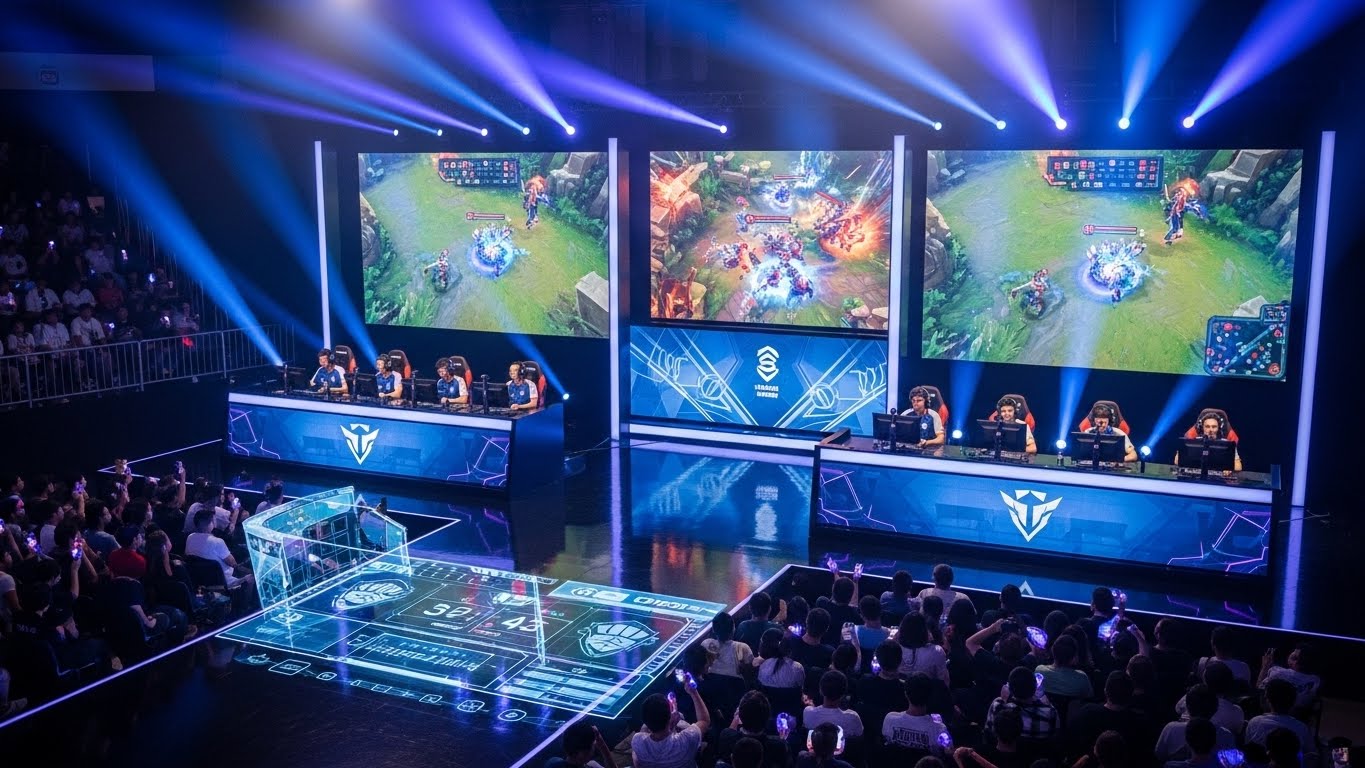
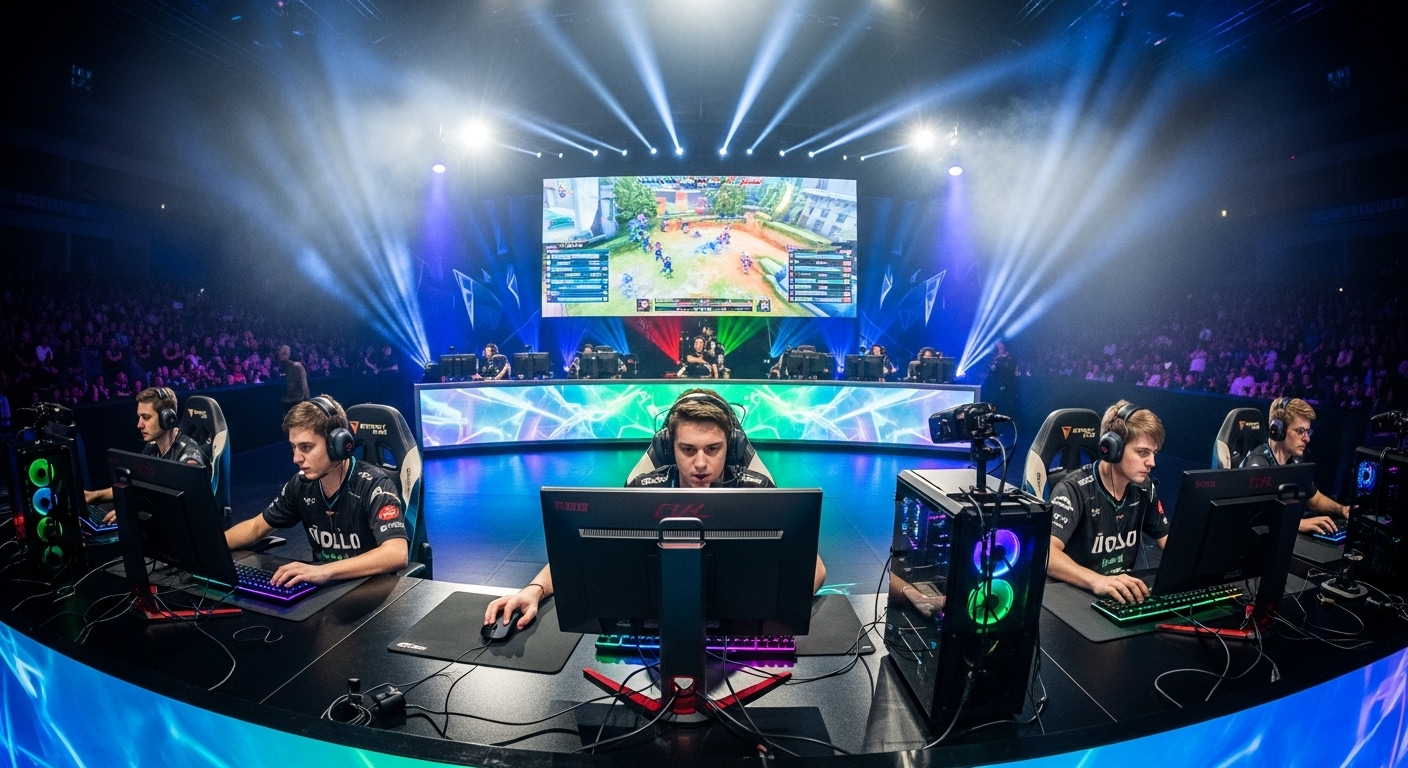
The 2010s were a golden decade for esports. Games like League of Legends, Dota 2, Overwatch, and Fortnite reshaped the industry with massive prize pools and global tournaments. The League of Legends World Championship drew millions of viewers, with production quality rivaling that of traditional sports broadcasts.
Valve’s Dota 2 introduced “The International,” which became known for its enormous prize pools funded by in-game purchases. The 2019 edition offered over 34 million dollars, setting a record for the largest esports prize fund at the time. This financial success proved that competitive gaming had evolved into a sustainable industry.
Traditional sports organizations began to take notice. Football clubs like Paris Saint-Germain, FC Barcelona, and Manchester City launched their own esports divisions. Celebrities and investors, including Michael Jordan and Drake, began funding esports teams and tournaments. Colleges started offering esports scholarships, recognizing the discipline, teamwork, and skill required to compete at the highest levels.
The Culture of Esports
Esports isn’t just about winning tournaments; it’s about community and culture. Fans around the world form tight-knit groups that support their favorite teams and players. Online platforms allow fans to engage in real time, creating interactive experiences that traditional sports struggle to match.
Gamers and fans communicate through forums, Discord servers, and social media, building a sense of identity within specific game communities. Events such as DreamHack and BlizzCon attract thousands of attendees each year, combining competition with celebration. These festivals showcase not only games but also the creativity of the gaming world through cosplay, fan art, and live performances.
The esports scene has also created new forms of entertainment, such as streaming personalities and content creators who bridge the gap between casual gaming and professional play. Streamers often build massive followings, influencing gaming trends and shaping how esports is perceived by the broader public.
Esports as a Career
For many young gamers, esports represents a dream career. But like any professional sport, it requires dedication, discipline, and resilience. Professional players train for hours each day, studying strategies, reviewing gameplay footage, and maintaining peak mental focus.
The ecosystem around esports has also expanded beyond the players themselves. There are now coaches, analysts, commentators, production crews, event organizers, and marketing teams dedicated to making tournaments run smoothly. The industry provides thousands of job opportunities worldwide, from creative design to business management.
However, the competitive nature of esports also brings challenges. Burnout, mental health struggles, and short career spans are common issues. Many professional players retire before the age of 30, often transitioning into coaching or streaming to continue their involvement in the scene. The conversation around player well-being has become a major focus in recent years, with organizations implementing support systems and health initiatives.
The Role of Technology in Esports Growth
Technology has been the backbone of esports development. High-speed internet, advanced graphics, and real-time communication tools have made global tournaments possible. Cloud gaming and improved hardware accessibility have opened the door for players from different socioeconomic backgrounds to participate.
Streaming platforms remain central to esports success. With millions tuning in daily, live broadcasts have become digital stadiums. The integration of augmented reality, virtual reality, and data analytics is enhancing the viewing experience, providing detailed player statistics, interactive overlays, and immersive environments.
Artificial intelligence is also beginning to influence esports. AI-driven analytics help teams refine strategies and understand opponents’ playstyles. Meanwhile, machine learning tools analyze player performance in real time, identifying strengths and weaknesses to improve training.
The Economic Impact of Esports
The financial growth of esports has been staggering. What began as small gatherings has turned into a billion-dollar industry. Revenue streams come from sponsorships, advertising, ticket sales, merchandise, and media rights.
Brands have discovered that esports audiences are highly engaged and tech-savvy. Major companies, including those outside the gaming industry, now sponsor teams and events to reach younger demographics. Esports arenas have been built in major cities, hosting live events with packed audiences and theatrical production quality.
The economic ecosystem extends beyond tournaments. Game developers benefit from the popularity of competitive titles, as esports drives long-term player engagement. Meanwhile, streaming platforms profit from viewership and advertising revenue. The cycle of growth continues, with each success fueling further investment in infrastructure and innovation.
Education and Esports Integration
The educational sector has embraced esports in surprising ways. Many universities now offer esports management degrees, combining business, marketing, and gaming studies. These programs aim to prepare students for careers in one of the fastest-growing entertainment industries.
High schools and colleges have also established esports teams, encouraging teamwork, problem-solving, and strategic thinking. Scholarships for talented players have legitimized esports as a valid extracurricular pursuit alongside traditional athletics.
Esports education doesn’t just focus on gameplay; it also teaches digital literacy, event organization, and broadcast production—skills that are increasingly valuable in the digital economy.
Diversity and Inclusion in Esports
While esports has made great strides, issues of diversity and inclusion continue to be discussed. The industry has historically been male-dominated, but women and non-binary gamers are gaining visibility and breaking barriers. Female-focused tournaments and organizations aim to provide safer, more supportive environments for underrepresented groups.
Representation in esports is improving, with players, casters, and team owners from diverse backgrounds contributing to a more inclusive ecosystem. Global tournaments bring together competitors from dozens of countries, celebrating cultural diversity while uniting them under a shared passion for gaming.
The Future of Esports
The future of esports looks brighter than ever. With the rapid development of new technologies and platforms, the industry is expected to continue expanding globally. Virtual reality esports could create entirely new competitive genres, while mobile gaming is making competitive play accessible to millions in developing regions.
There is also a growing conversation about the inclusion of esports in multi-sport events such as the Olympics. Although it remains controversial, the momentum is undeniable. Esports already mirrors traditional sports in terms of training, fan engagement, and economic impact.
Sustainability and player welfare are becoming priorities. As the industry matures, organizations are focusing on long-term development rather than short-term profit. This includes providing stable contracts, fair pay, and mental health resources for players and staff.
Esports and Society
Esports has transcended entertainment to become a cultural and social movement. It represents the power of digital connection and creativity. It challenges outdated stereotypes about gaming by showcasing teamwork, intelligence, and innovation.
In a world increasingly driven by technology, esports stands at the crossroads of art, competition, and community. It brings people together across languages, borders, and backgrounds. The digital arena has become a place where anyone can prove their skill, determination, and passion.
Conclusion
From humble beginnings at a university computer lab to stadiums filled with cheering fans, esports has undergone an extraordinary transformation. It is more than just gaming—it is a reflection of modern society’s shift toward digital expression and global connection.
As technology continues to evolve, so too will esports. It has already proven that virtual competition can inspire real-world passion. The players who dedicate their lives to mastering their craft, the fans who celebrate every victory, and the innovators who push the boundaries of what’s possible have all contributed to shaping one of the most exciting revolutions in human culture.