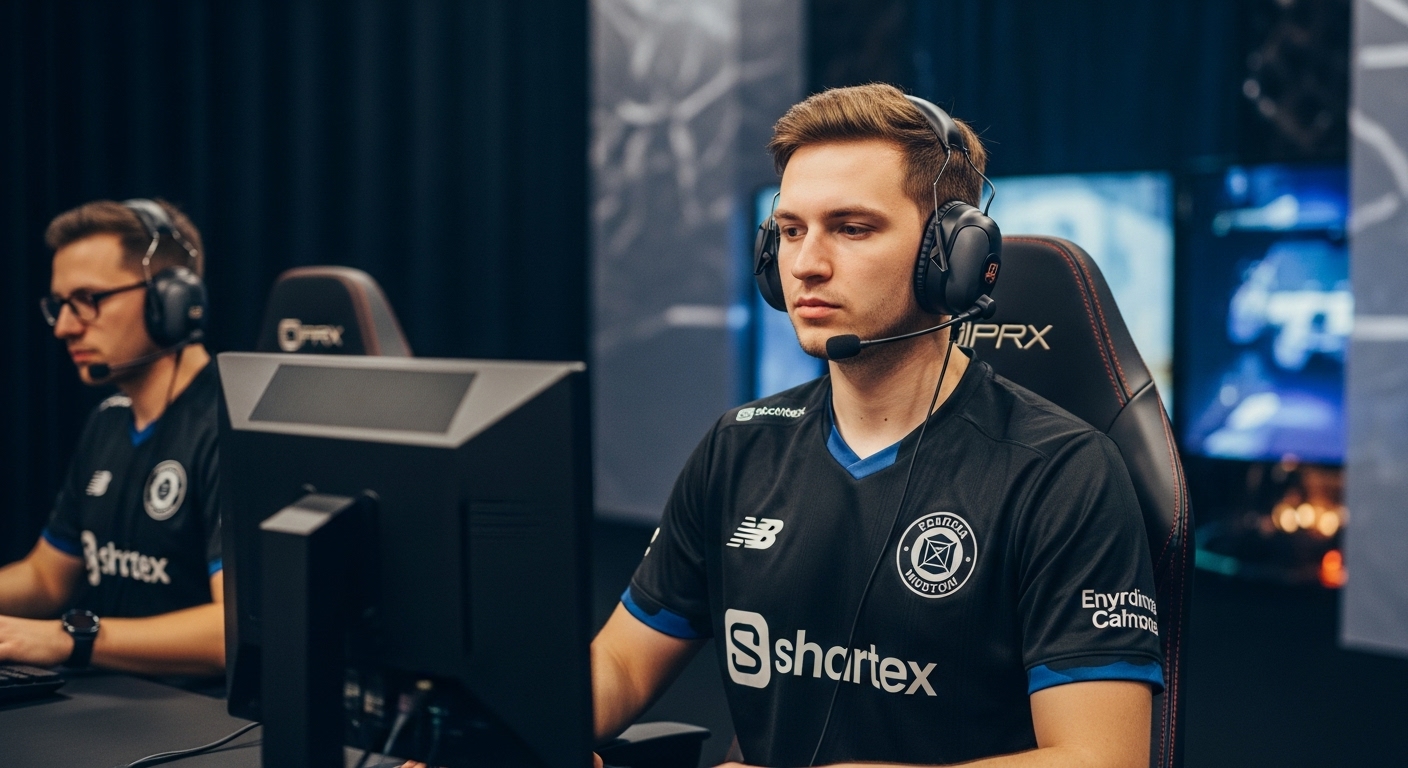
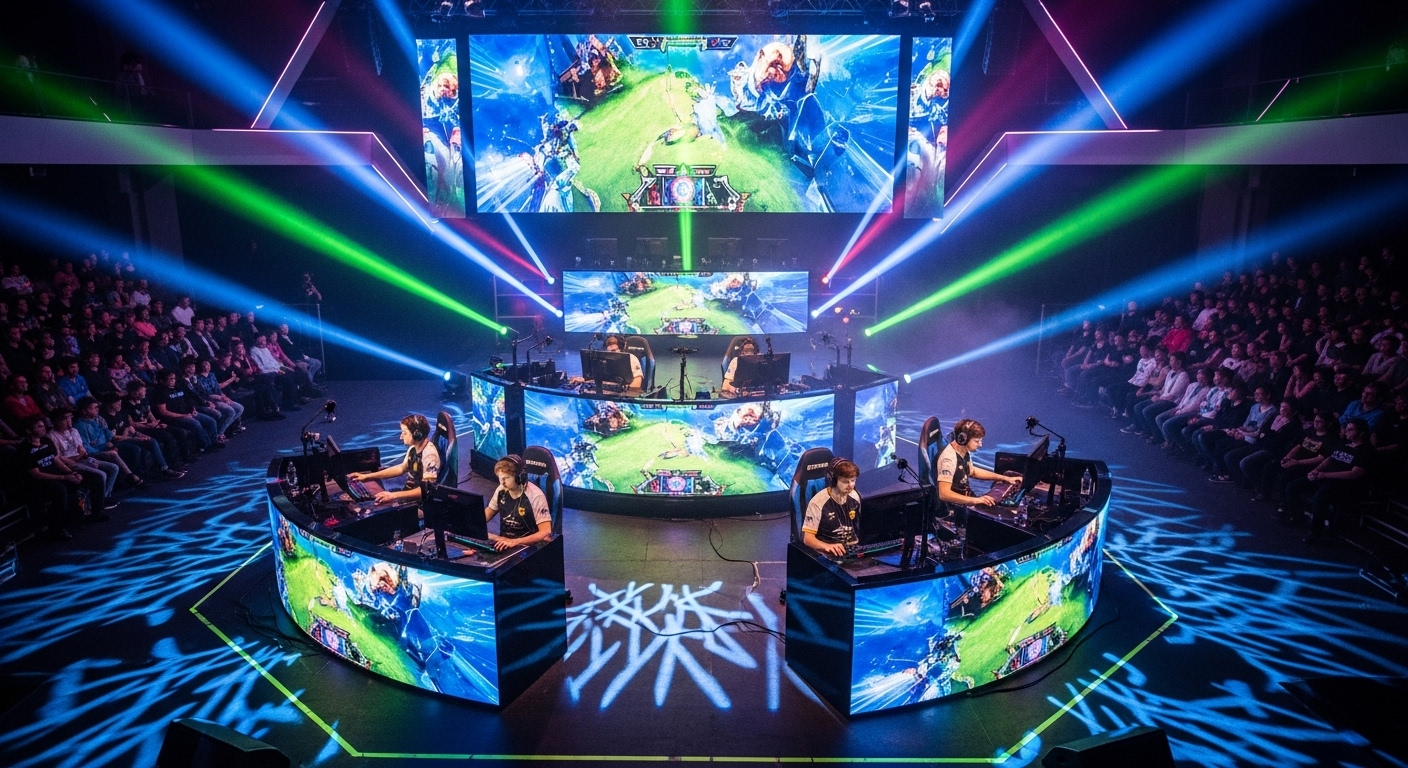
Esports, once seen as a niche pastime for gamers, has now exploded into a global phenomenon that attracts millions of players, viewers, and investors worldwide. With massive prize pools, sold-out arenas, and tournaments broadcast across multiple platforms, esports has shifted from being a mere hobby to a competitive powerhouse. Let’s explore how esports grew from its humble origins to become a multi-billion-dollar industry, and what the future holds for competitive gaming.
Defining Esports: What Exactly is Competitive Gaming?
Esports refers to organized, multiplayer video game competitions, often played between professional players or teams. These competitions are usually held in popular games across various genres, such as first-person shooters (FPS), multiplayer online battle arenas (MOBA), and real-time strategy games (RTS). Titles like League of Legends, Dota 2, Fortnite, Counter-Strike, and Overwatch have become staples in the esports ecosystem.
The unique aspect of esports is its level of organization. Tournaments can range from local LAN (Local Area Network) events to global championships. These events are streamed live to millions of viewers, allowing fans to watch top-tier players face off in real-time. Competitive gaming has become an experience just as thrilling and professional as traditional sports, complete with commentary, live stats, and international coverage.
The Meteoric Rise of Esports
In the past decade, esports has seen an explosion in both viewership and revenue. What was once a small and somewhat underground community has now blossomed into a billion-dollar industry. According to Newzoo, the global esports audience is expected to surpass 500 million by 2026, with the industry generating over $1.6 billion annually in revenue.
This surge can be attributed to a variety of factors: the rise of live streaming platforms like Twitch, YouTube Gaming, and Facebook Gaming; the increasing sponsorships from big-name brands; and the widespread accessibility of gaming. Esports tournaments like The International (Dota 2), League of Legends World Championship, and CS:GO Major have garnered global attention, drawing in millions of viewers and offering record-breaking prize pools.
The influx of investment from major brands, tech companies, and traditional sports organizations has also fueled the growth. As esports continues to mature, it’s no longer just a subculture but a legitimate force within the entertainment sector.
Professional Esports: The Life of a Gamer
The world of professional esports is intense and competitive. Just like in traditional sports, professional gamers train for hours each day, perfecting their skills, refining strategies, and working with coaches and analysts to maintain peak performance. Unlike traditional sports, however, the entry point for esports players can often be much younger—many top esports stars start their careers as teenagers, sometimes rising to prominence in their early 20s.
Esports teams are often multinational, with players from all over the world coming together to form a unit. Organizations such as Cloud9, Team Liquid, and Fnatic have become household names, not just for their skill in games but for their brand and culture. The focus is not just on individual talent but on creating team synergy and strategy, which can make or break a tournament.
Tournaments themselves are massive events that draw thousands of live spectators and millions more online. Major events like the League of Legends World Championship and The International are watched by viewers in the tens of millions, often rivaling traditional sports finals in terms of viewership. These competitions have grown in prestige, and winning them is akin to winning an Olympic gold medal in the gaming world.
Esports as a Spectator Experience
One of the unique aspects of esports is the way it functions as a spectator sport. Traditional sports fans watch to see their favorite teams or players compete, but esports fans also tune in to learn new strategies, follow the latest trends in gaming, and connect with their communities. The interactive nature of esports, facilitated by live streaming platforms like Twitch, creates a more personal viewing experience.
Twitch, for example, allows viewers to engage directly with streamers and players through live chat. Fans can interact with each other, discuss gameplay, and even participate in live polls or prediction games. This fosters a sense of community that traditional sports can’t always replicate. Whether you’re cheering for your favorite team or participating in a watch-along, esports fans are not just passive viewers—they are an integral part of the experience.
The Future of Esports: Where is Competitive Gaming Heading?
Esports is still in its adolescence, and the potential for growth is staggering. New technologies like virtual reality (VR) and augmented reality (AR) could revolutionize the way fans interact with esports, bringing a new layer of immersion and excitement to live events. Imagine being able to experience a League of Legends match from the perspective of a player or immerse yourself in the action as if you were physically in the arena.
Esports is also making its way into the mainstream, with talks about its inclusion in major global sporting events. For instance, the Asian Games introduced esports as a demonstration sport in 2018, and there are ongoing discussions about the potential inclusion of esports in the Olympic Games. While there are hurdles to overcome, such as perceptions of gaming as a legitimate sport, the momentum behind esports’ inclusion in these prestigious events is undeniable.
Additionally, mobile gaming is becoming a major force in the esports ecosystem. Games like PUBG Mobile and Call of Duty Mobile have helped introduce esports to a broader, more diverse audience, especially in regions where mobile gaming is more accessible than PC or console gaming. The rise of mobile esports will only expand the reach of competitive gaming to new and untapped markets.
Challenges and Concerns in Esports
Despite its rapid success, esports faces several challenges. One major issue is the mental and physical well-being of professional players. Gaming for hours on end can lead to burnout, stress, and even physical injuries, such as carpal tunnel syndrome. The pressure to perform at a high level for long periods can be overwhelming, leading to burnout or early retirements.
Moreover, the esports community has long struggled with toxicity and harassment, both in-game and in online spaces. As the industry grows, there is increasing pressure on organizations, developers, and event organizers to foster a more inclusive and respectful environment for both players and fans.
Lastly, cheating and match-fixing remain persistent problems in esports. The industry has taken significant steps to address these issues, but as esports continues to grow, it will need to evolve its systems to maintain fairness and integrity.
Conclusion: Esports is Here to Stay
Esports is more than just a passing trend—it’s a digital revolution in competitive gaming that is reshaping the entertainment industry. What began as a small, passionate community has turned into a global industry with millions of fans, professional players, and international tournaments. Esports is offering new career opportunities, bringing people together in ways that traditional sports often can’t, and providing entertainment on a scale previously unimaginable.
As technology advances, esports will continue to evolve and expand. Whether you’re a gamer, a fan, or someone looking to enter the industry, it’s clear that the future of competitive gaming is bright. Esports is not just a sport; it’s a movement—and it’s here to stay.