
Introduction
In today’s digital age, esports has emerged as one of the fastest-growing industries in the world. What was once considered just a hobby has transformed into a professional and highly competitive field that attracts millions of fans, sponsors, and players globally. Esports combines skill, strategy, teamwork, and technology, turning gaming into a respected and recognized sport.
The Birth and Growth of Esports
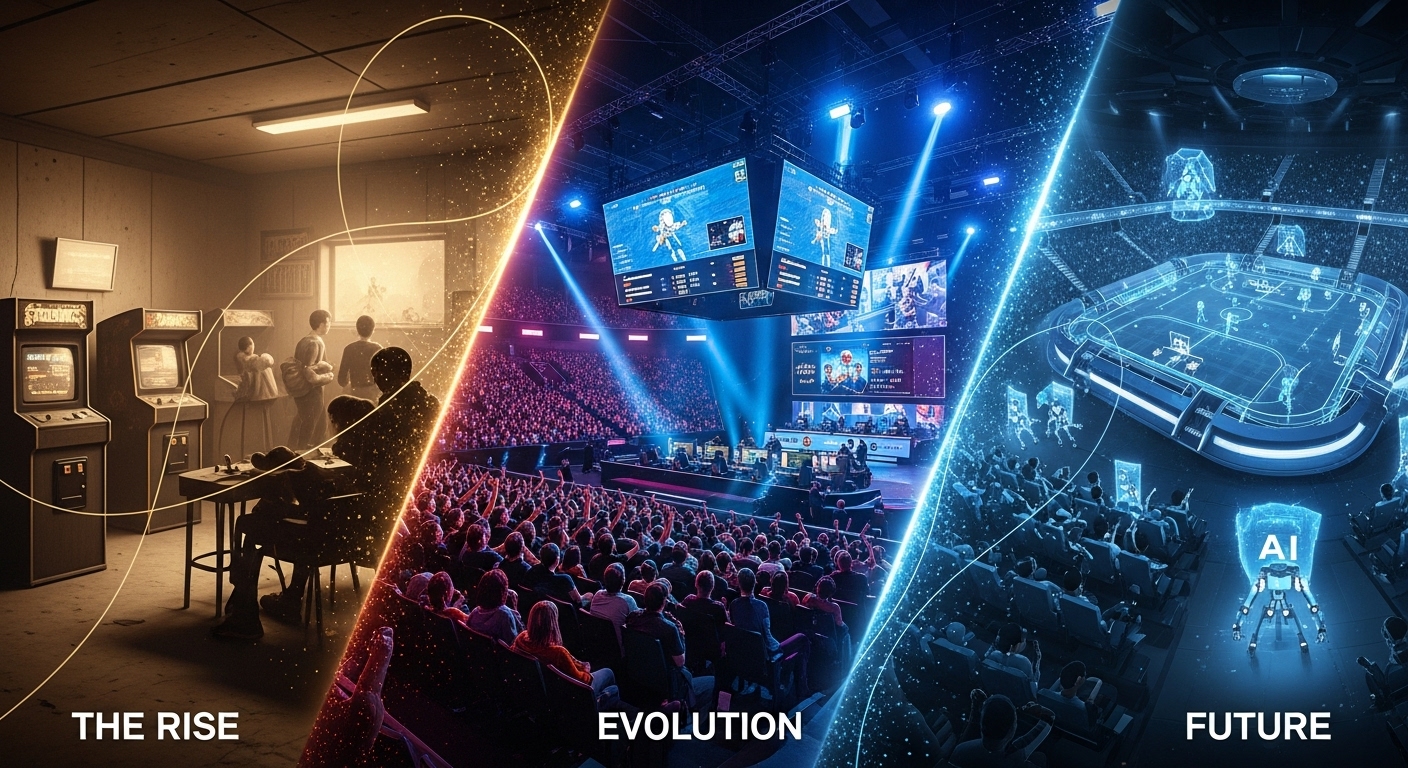
Esports began in small gaming communities where players competed for fun and recognition. As technology advanced and the internet became widespread, these competitions evolved into organized tournaments with global audiences. Games like League of Legends, Dota 2, and Counter-Strike helped establish esports as a legitimate competitive platform. Over time, these tournaments started offering million-dollar prize pools, capturing the attention of both players and investors.
The Professional Gaming Lifestyle
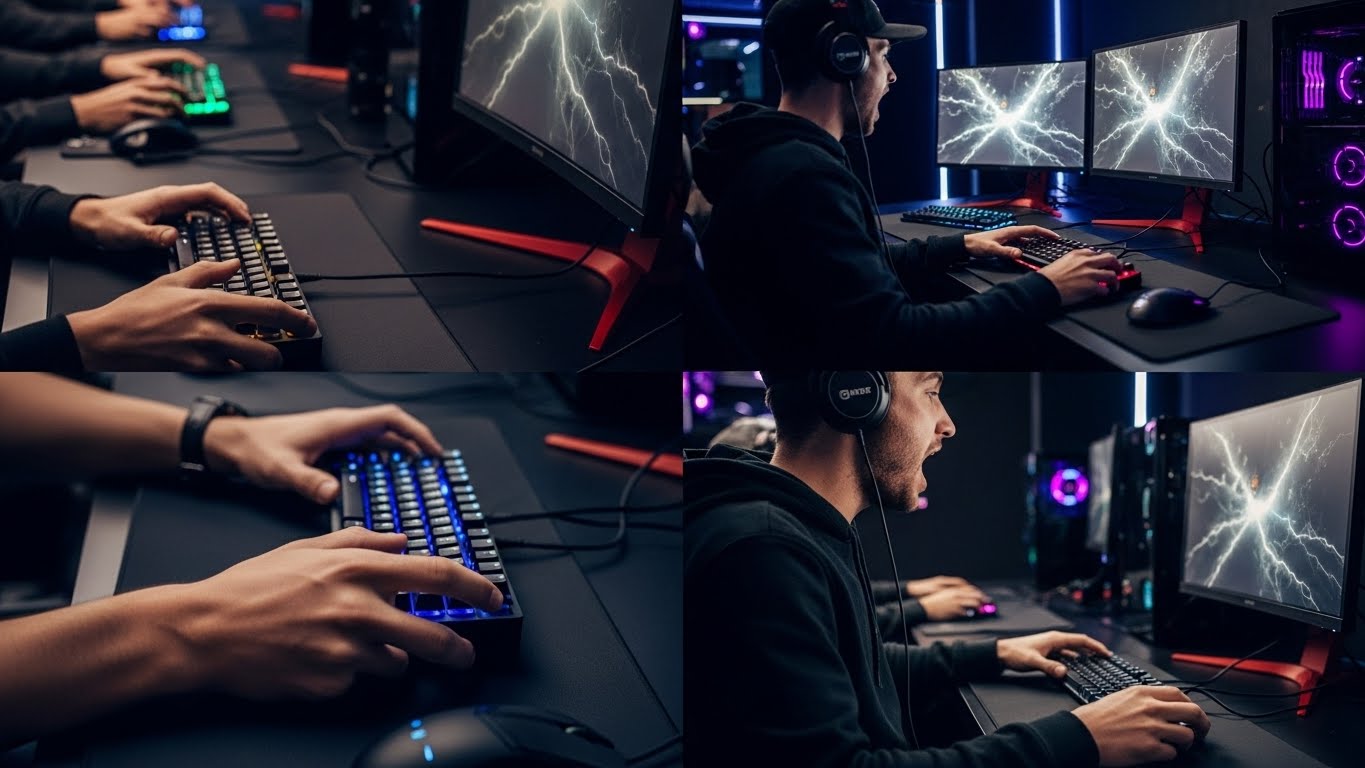
Professional esports players dedicate countless hours to mastering their games. They follow strict training routines, analyze opponents’ strategies, and practice teamwork daily. Like athletes in traditional sports, esports players must maintain both physical and mental discipline. Quick reflexes, sharp focus, and clear communication are essential to performing at the highest level.
The Global Impact of Esports
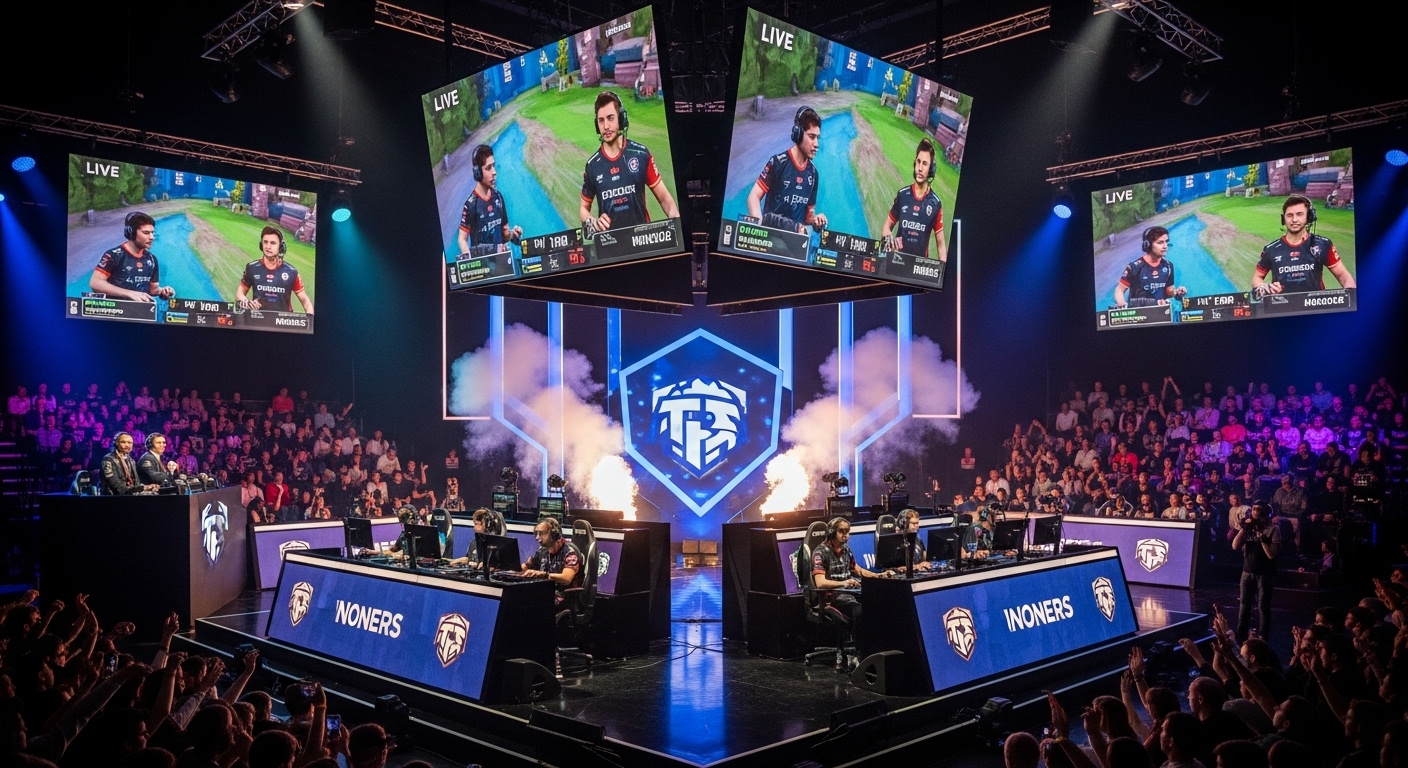
Esports has become a worldwide phenomenon, connecting millions of fans through live events and online streaming. Massive tournaments now fill stadiums, while millions more watch from home. Fans cheer for their favorite teams, wear their merchandise, and follow their gaming idols just as sports enthusiasts do with football or cricket. This sense of community has created a powerful and passionate global audience.
Economic Opportunities in Esports
The esports industry has opened doors for a wide range of careers beyond professional gaming. There are roles for coaches, analysts, event organizers, broadcasters, and content creators. Brands are also investing heavily in esports sponsorships and advertising, recognizing its potential to reach younger audiences. The industry’s rapid financial growth continues to make it an attractive field for both players and entrepreneurs.
The Role of Education in Esports
Many schools and universities have started introducing esports programs and scholarships to encourage talent. These programs teach not only gaming skills but also teamwork, communication, leadership, and time management. Esports education helps students build careers in technology, media, and management while promoting digital literacy and creative problem-solving.
The Future of Esports
As technology continues to evolve, the future of esports looks incredibly bright. With developments in virtual reality, artificial intelligence, and high-speed internet, gaming experiences will become even more immersive and exciting. The continued support from sponsors, governments, and educational institutions ensures that esports will remain a dominant force in global entertainment.
Conclusion
Esports is not just about playing games; it represents innovation, dedication, and a new form of global unity. It has changed how people view competition and created endless possibilities for the next generation of digital athletes. As the industry continues to grow, esports will stand as a symbol of how passion and technology can come together to create a powerful and inspiring global culture.