
Introduction
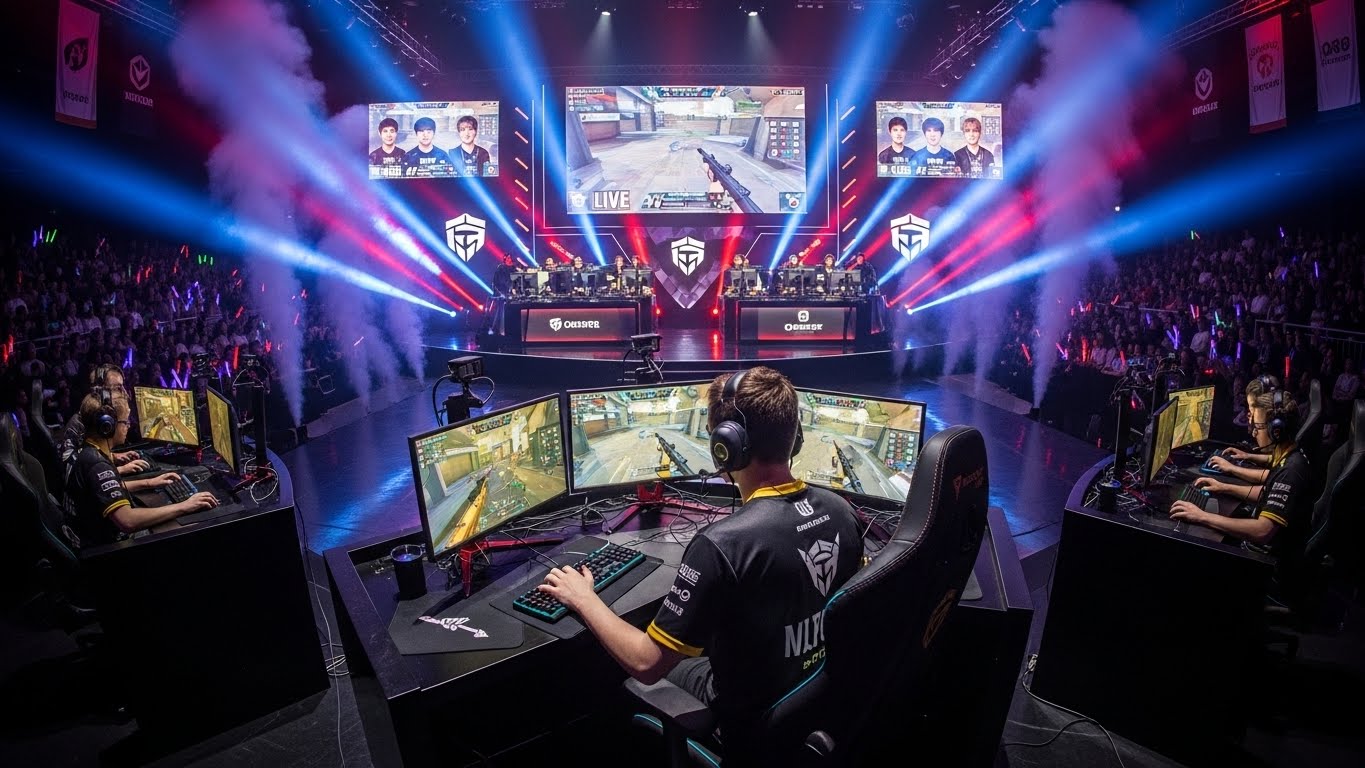
Esports, short for electronic sports, has become a global phenomenon, transforming gaming from a casual hobby into a competitive and professional pursuit. Players from around the world compete in video games at the highest levels, while millions of fans watch and support their favorite teams and players. Beyond entertainment, esports is shaping careers, communities, and the future of competitive sports in the digital era.
The Growth of Esports
Esports has grown exponentially over the past two decades. What began with small local tournaments and arcade competitions has evolved into professional leagues and global championships. Games like League of Legends, Dota 2, and Counter-Strike have become household names, while streaming platforms and online broadcasts bring tournaments to audiences worldwide. This growth reflects both technological advancement and the increasing popularity of gaming as a mainstream form of entertainment.
Competitive Spirit and Skill
Success in esports requires more than just playing games. Professional players dedicate hours to practice, study strategies, and refine their teamwork and reflexes. Games demand quick thinking, sharp reflexes, and effective communication. Players develop critical problem-solving skills, adaptability, and focus, demonstrating that esports is both intellectually challenging and highly competitive.
Esports as a Career
The rise of esports has created diverse career opportunities. Professional players earn salaries and prize money from tournaments, while coaches, analysts, commentators, and content creators contribute to the ecosystem. Sponsorships and endorsements further support this growing industry. Esports has proven that gaming can be a viable profession, providing opportunities for talent, dedication, and strategic thinking to flourish.
The Social Impact of Esports
Esports fosters global communities where players and fans connect, share experiences, and learn from each other. Online multiplayer games and live tournaments encourage teamwork, collaboration, and friendly competition. Esports also promotes inclusivity by bringing people from different backgrounds together through a shared passion for gaming. This social aspect makes esports a unique combination of entertainment, culture, and community building.
Technology Driving Esports
Technology plays a critical role in the success of esports. High-speed internet, advanced gaming hardware, live streaming platforms, and analytics tools allow players to compete at the highest level and fans to engage with content in real-time. Virtual reality and artificial intelligence are beginning to enhance esports experiences, making competitions more immersive and interactive than ever before.
The Future of Esports
The future of esports is bright, with continued growth expected across the globe. As technology advances, esports will become even more accessible and immersive. Educational institutions are incorporating esports programs, and more companies are recognizing it as a legitimate industry. Esports is likely to redefine how people view competition, skill, and teamwork in the digital age.
Conclusion
Esports is more than just gaming—it is a digital arena where skill, strategy, and teamwork converge. It provides entertainment, builds communities, and creates career opportunities for talented players worldwide. With its rapid growth and technological advancements, esports is set to become a cornerstone of modern entertainment and competitive culture. The digital world has given birth to a new form of sports, proving that gaming can be both exciting and meaningful.