
Introduction: The Rise of Esports
Once considered a simple hobby, gaming has transformed into a global phenomenon known as Esports. Electronic sports, or competitive gaming, has captured the attention of millions worldwide, turning casual players into professional athletes and video games into a legitimate career path. Esports now rivals traditional sports in viewership, revenue, and cultural influence.
This blog explores the journey of Esports, its economic impact, cultural significance, technological innovations, and future prospects. By understanding its evolution, one can appreciate how competitive gaming has become an integral part of modern entertainment.
The Birth of Competitive Gaming
The roots of competitive gaming date back to the early 1970s when Stanford University hosted one of the first known video game tournaments featuring the game Spacewar. The winner received a magazine subscription, marking the inception of organized gaming competitions.
The 1980s saw the rise of arcade games. Classics such as Pac-Man, Donkey Kong, and Galaga provided players with competitive experiences through high-score challenges. Local leaderboards gave recognition to skilled players, creating a social dynamic around competition.
The 1990s introduced home consoles and personal computers, allowing more structured competition. Games like Street Fighter II, Doom, and Warcraft encouraged skill development and strategy. The arrival of the internet expanded possibilities, enabling players to compete globally and forming the foundation of modern Esports.
Professionalization of Esports
By the late 1990s and early 2000s, Esports began to professionalize. South Korea became a central hub, particularly through the popularity of StarCraft. Television broadcasts, professional teams, and gaming cafés called PC bangs fostered a culture of competitive excellence.
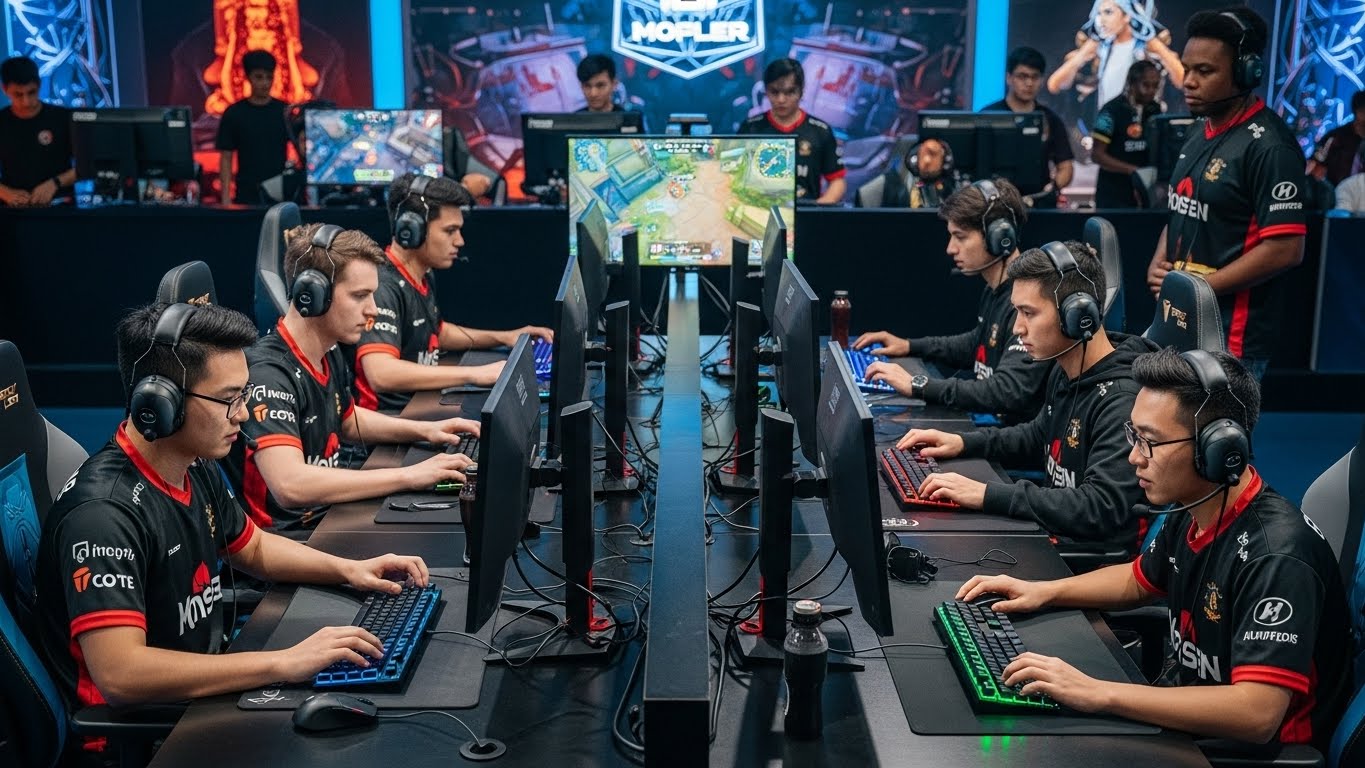
International tournaments such as the World Cyber Games and the Electronic Sports World Cup emerged, offering cash prizes and prestige. Professional teams began operating like traditional sports organizations, with management, coaching, and analytics. This shift turned Esports from a hobby into a viable career for skilled players.
The Role of Online Streaming
Online streaming revolutionized Esports by making live competitions accessible to global audiences. Platforms allowed fans to watch tournaments in real-time, interact with players, and build communities around shared interests.
Streamers became global personalities, attracting sponsors and cultivating dedicated fanbases. Teams leveraged these platforms to promote players, sell merchandise, and expand reach. Online streaming solidified Esports as both a competitive sport and a form of entertainment that connected players and fans worldwide.
Games That Shaped the Esports Landscape
Certain games have had a profound impact on the growth of Esports.
- League of Legends became a global sensation, known for strategic depth and massive annual tournaments.
- Dota 2 offered record-breaking prize pools and complex gameplay that attracted elite competitors.
- Counter-Strike: Global Offensive emphasized tactical precision and teamwork.
- Overwatch and Call of Duty combined fast-paced action with league structures.
- Fortnite and PUBG popularized the battle royale genre, blending entertainment with competitive play.
These games created the foundation of professional leagues and competitive communities that continue to thrive today.
The Life of a Professional Gamer
Professional Esports players share similarities with traditional athletes. Training is rigorous and often includes several hours of daily practice, strategic planning, team coordination, and performance analysis. Players may live in gaming houses or attend boot camps, guided by coaches, analysts, and nutritionists.
Despite the glamor associated with gaming, careers are challenging. Burnout, mental stress, and physical strain are common. Peak performance typically occurs in the early twenties, making career longevity an important concern. Nevertheless, the rewards of fame, financial success, and global recognition continue to attract new talent.
Esports as a Spectator Sport
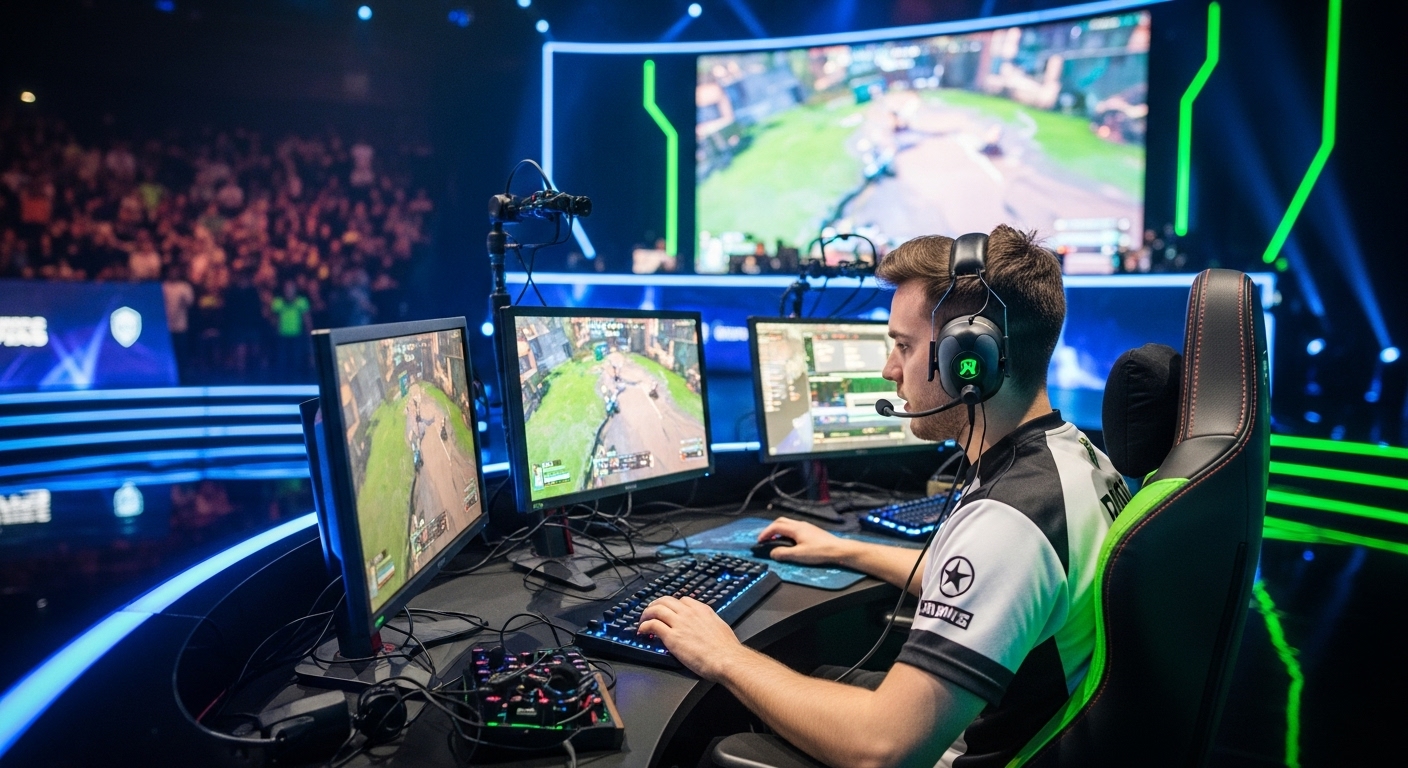
Esports has become a highly engaging spectator sport. Tournaments draw thousands of live fans to arenas while millions more watch online. Commentators, or casters, narrate gameplay, analyze strategies, and build excitement comparable to traditional sports broadcasting.
The interactive nature of Esports sets it apart. Fans engage in live chats, social media discussions, and community forums, creating a sense of involvement. Spectators can directly interact with players, amplifying the social and immersive aspects of competitive gaming.
Economic Impact of Esports
Esports has grown into a multi-billion-dollar industry. Revenue comes from sponsorships, media rights, merchandise, ticket sales, and streaming subscriptions. Global brands invest heavily to reach younger, highly engaged audiences.
Professional teams operate like franchises, managing players, marketing, and fan engagement. Prize pools in major tournaments have reached tens of millions of dollars, and the industry fuels related sectors including streaming technology, gaming hardware production, content creation, and event management.
Technological Innovations Driving Esports
Technology is the backbone of Esports. High-performance gaming equipment, low-latency internet, and streaming capabilities allow players to compete at elite levels. Advanced graphics and broadcasting technologies ensure smooth viewing experiences for global audiences.
Emerging technologies such as virtual reality, augmented reality, and artificial intelligence are reshaping competitive gaming. AI is used for performance analysis, opponent strategy prediction, and training optimization. VR and AR promise immersive tournament environments that will redefine player and spectator experiences in the future.
Cultural Significance of Esports
Esports has grown into a significant cultural phenomenon. Gaming communities transcend geographical, linguistic, and social boundaries. Cosplay, fan art, streaming interactions, and event participation enrich the culture surrounding competitive gaming.
Esports also challenges outdated stereotypes, demonstrating that gaming requires skill, discipline, and strategic thinking. Its influence extends into music, fashion, and entertainment, making it a legitimate cultural force and an innovative form of modern competition.
Education and Career Opportunities in Esports
Educational institutions recognize the potential of Esports. Universities and schools now offer courses, programs, and scholarships dedicated to competitive gaming. Students can pursue careers as professional players, coaches, broadcasters, marketers, event organizers, or game developers.
Esports education develops teamwork, leadership, strategic thinking, and communication skills. Scholarships provide formal pathways into the industry, further legitimizing gaming as a career option and supporting talent development worldwide.
Diversity and Inclusion in Esports
Historically male-dominated, Esports is becoming increasingly inclusive. Women are gaining visibility as players, commentators, analysts, and content creators. Organizations and tournaments are actively promoting diversity and safe environments for participants of all backgrounds.
This focus on inclusion ensures that skill and dedication are the primary criteria for success, inspiring a new generation of players and making the competitive gaming environment more equitable and representative.
Challenges Facing Esports
Despite its rapid growth, Esports faces several challenges. Player burnout, mental health issues, and short career spans require support systems and wellness programs. Regulatory inconsistencies across different games and tournaments create difficulties in maintaining competitive fairness and protecting player rights.
Online harassment, cheating, and toxic communities are additional hurdles. Addressing these challenges is critical for ensuring long-term sustainability, maintaining industry integrity, and supporting the well-being of professional players.
Esports and Traditional Sports: Collaboration and Convergence
Initially, Esports and traditional sports were seen as separate entities, with skepticism surrounding the legitimacy of competitive gaming. Today, the relationship has shifted. Sports franchises invest in Esports teams, sponsor tournaments, and engage digitally with younger audiences.
Both industries share core elements such as teamwork, strategy, competition, and audience engagement. The difference lies in medium—one is physical, the other digital. Collaboration between Esports and traditional sports creates new opportunities for fan engagement, sponsorship, and entertainment innovation.
The Future of Esports
The future of Esports is expansive and promising. Emerging technologies such as virtual reality, augmented reality, and the metaverse will create immersive competitive experiences. Global tournaments are expected to grow in scale, incorporating interactive formats and innovative spectator experiences.
Institutional support, sponsorship, and a growing global audience will continue to drive expansion. Standardized regulations, improved player welfare, and sustainable career pathways will strengthen the industry. Esports is not a passing trend; it is a long-term cultural and economic force shaping modern entertainment.
Conclusion: Esports as a Global Force
Esports has evolved from humble beginnings to a worldwide industry that merges technology, culture, and professional competition. Players, teams, and fans have created a vibrant ecosystem that combines passion, innovation, and professionalism.
From local tournaments to international stadium events, Esports demonstrates the power of digital culture to entertain, connect, and inspire. Its influence extends beyond gaming, impacting technology, education, and global communities. The era of Esports is here, and it continues to grow in scale, sophistication, and cultural significance.