Introduction
Esports has emerged as one of the fastest-growing forms of entertainment in the world, captivating millions of players, viewers, and investors. Once considered a niche hobby, competitive gaming has transformed into a professional industry with structured leagues, international tournaments, and a dedicated fanbase rivaling that of traditional sports. Beyond entertainment, esports is redefining how we view skill, teamwork, and digital culture. The rise of esports illustrates a shift in the modern landscape of competition, technology, and social interaction.
The Origins of Esports
The concept of competitive gaming is not new. In the late 1970s and 1980s, arcade competitions and home console games allowed players to challenge one another in games like Space Invaders and Pac-Man. These early competitions laid the foundation for organized esports events. The real turning point came in the 1990s with the rise of networked computers and online gaming. Titles like Quake, StarCraft, and Counter-Strike enabled players to compete globally, establishing structured competitions and professional communities.
These early developments demonstrated that video games could foster not only entertainment but also collaboration, rivalry, and community engagement. Esports began evolving from a casual activity into a serious competitive pursuit.
The Rise of Professional Esports
Over the past decade, esports has become a legitimate profession. Players earn salaries, sponsorships, and tournament winnings. Teams are structured like traditional sports franchises, with managers, coaches, analysts, and dedicated training programs. Some organizations have expanded globally, managing multiple teams across various games and continents.
Professionalization has elevated esports into a serious career path, attracting talent from around the world. Top players are recognized as celebrities, their performances broadcast to millions of fans through live streaming platforms, television, and social media. This professional ecosystem ensures that esports is no longer just a hobby—it is a thriving industry with significant economic and cultural influence.
Popular Esports Titles and Their Impact
Esports encompasses a wide variety of game genres, including first-person shooters, real-time strategy, battle royale, and multiplayer online battle arenas. Games like League of Legends, Dota 2, Fortnite, Counter-Strike: Global Offensive, and Call of Duty dominate the scene, each with dedicated tournaments, fan communities, and competitive leagues.
These titles have shaped competitive gaming by creating distinct play styles, strategies, and cultural identities. For instance, League of Legends emphasizes team coordination and strategic depth, while Fortnite focuses on fast-paced action and creative building mechanics. Each game contributes uniquely to the broader esports culture, attracting diverse audiences and fostering global engagement.
The Role of Streaming Platforms
Streaming platforms have been a driving force behind the explosive growth of esports. Platforms like Twitch and YouTube Gaming allow fans to watch live matches, follow favorite players, and engage with the community in real-time. The interactive nature of streaming turns passive spectators into active participants, enabling them to comment, react, and even influence content through fan engagement.
Streamers and content creators have become central figures in esports, bridging professional competition and casual viewership. Their personalities, commentary, and engagement with fans enhance the overall esports experience, creating a sense of community and belonging among viewers.
Esports as a Global Phenomenon
Esports is a worldwide phenomenon with major hubs in South Korea, China, North America, and Europe, while regions like Latin America and Southeast Asia are rapidly expanding. Each region brings unique cultural influences and strategies to competitive gaming, enriching the global esports landscape.
International tournaments such as the League of Legends World Championship and The International for Dota 2 draw millions of viewers from around the world, highlighting the global appeal of competitive gaming. The ability of esports to connect players and audiences across borders illustrates its power as a unifying digital culture.
Social and Cultural Impact
Esports has significant social and cultural implications. Professional players serve as role models, inspiring fans with their skill, dedication, and discipline. Online communities foster friendships, collaboration, and creative expression through fan art, cosplay, and social media engagement.
Esports also impacts education, with universities offering esports programs and scholarships. Students learn teamwork, strategic thinking, problem-solving, and leadership through competitive gaming. By providing structured opportunities for learning and development, esports demonstrates its potential to shape not only entertainment but also personal growth and societal trends.
Training, Discipline, and the Athlete Mindset
Professional esports players maintain rigorous schedules, similar to traditional athletes. Practice sessions, strategy planning, physical conditioning, and mental training are all essential components of success. Reflexes, decision-making speed, communication skills, and adaptability are crucial for high-level competition.
Teams employ coaches, analysts, and psychologists to optimize performance and maintain player well-being. This focus on preparation and discipline highlights the serious nature of esports and dispels misconceptions about gaming being a purely recreational activity.
Esports Tournaments and Competitive Events
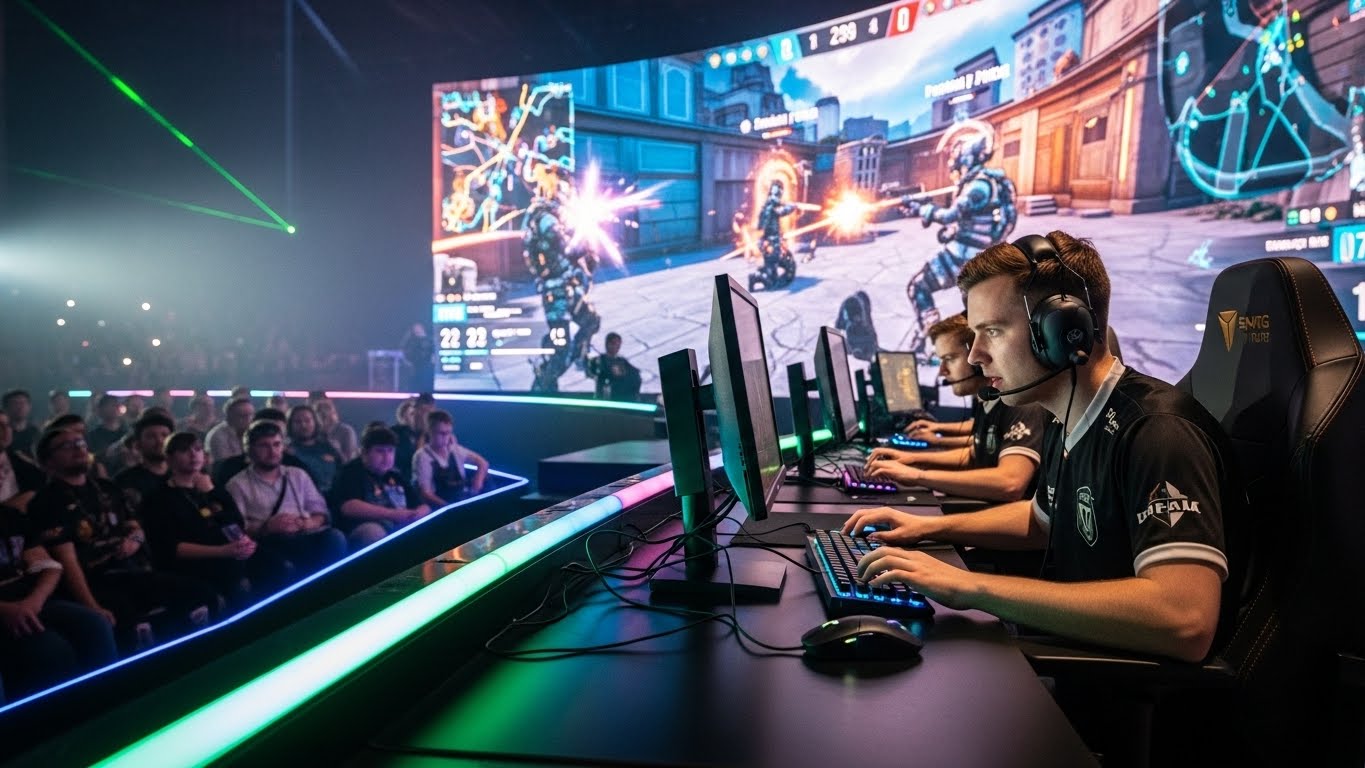
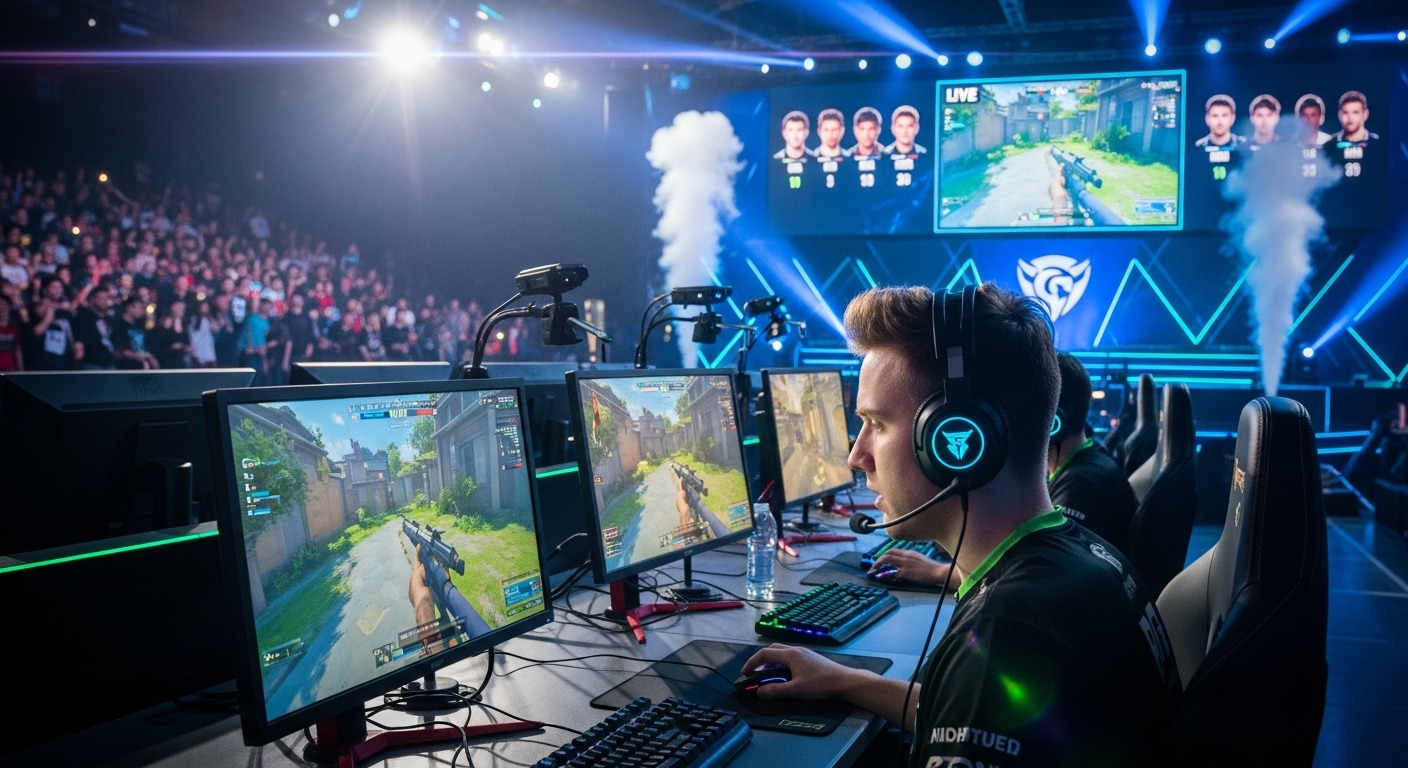
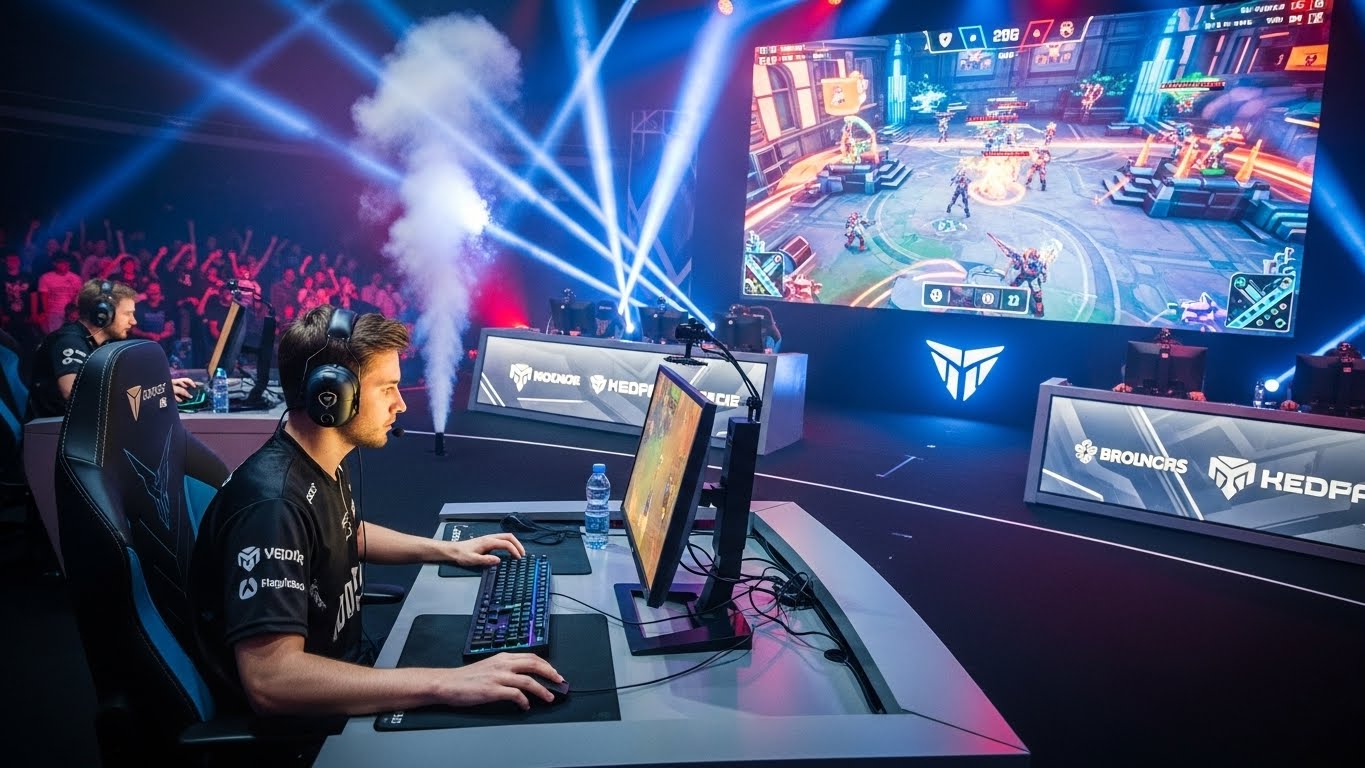
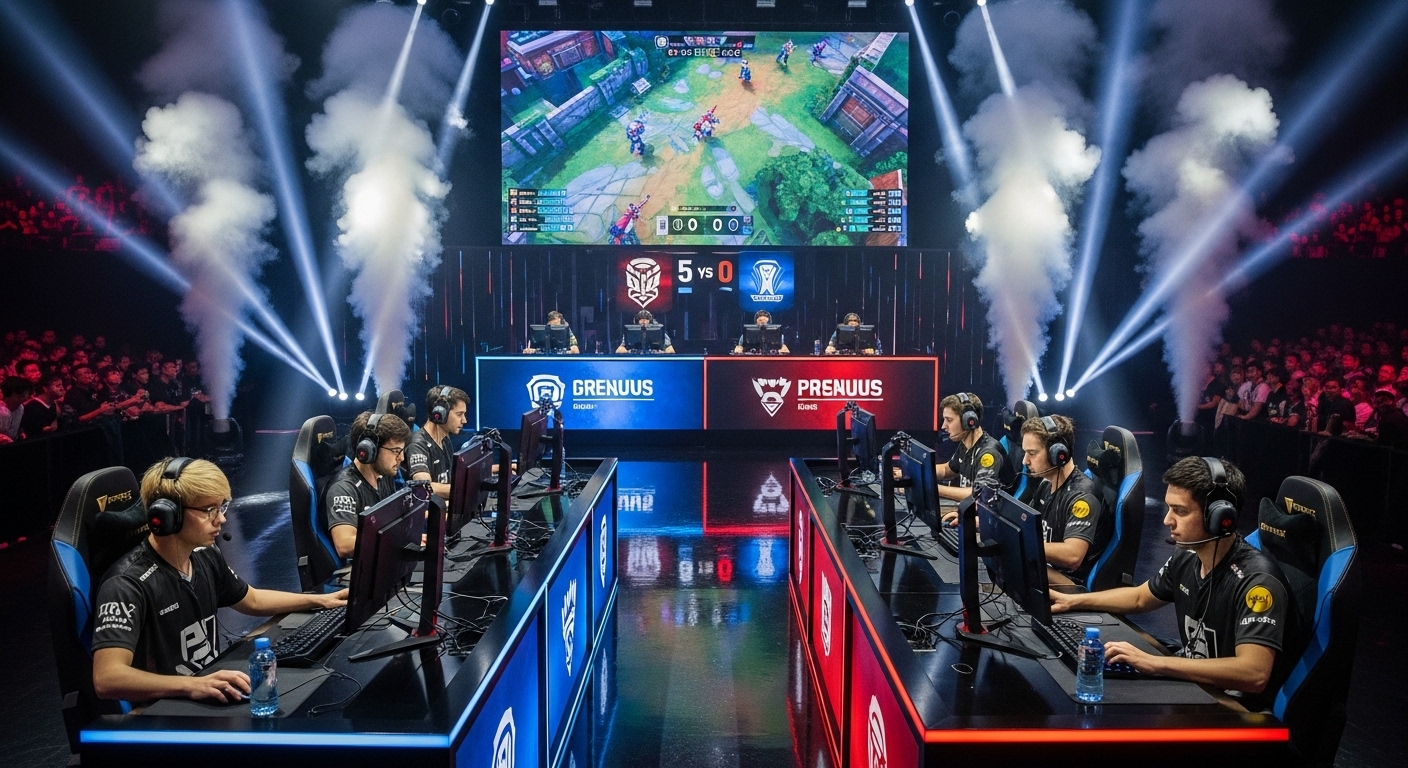
Tournaments are the heart of esports, providing a stage for players to showcase skill and for fans to engage with the action. Events range from small local competitions to massive international tournaments with millions of dollars in prize pools. Major tournaments are meticulously produced, blending live commentary, interactive fan experiences, and high-quality broadcasting.
Esports tournaments are designed to maximize engagement, entertainment, and competition. They create memorable moments, rivalries, and stories that captivate fans and elevate esports to a level comparable to professional sports leagues.
The Economic Influence of Esports
Esports is a booming industry, generating revenue from multiple streams, including sponsorships, advertising, ticket sales, merchandise, and broadcasting rights. Major brands recognize esports as a powerful marketing platform to reach younger, digitally engaged audiences.
Beyond revenue, esports has created a variety of employment opportunities beyond professional play. Coaches, event organizers, commentators, marketers, and analysts contribute to a growing ecosystem, demonstrating that esports is not only entertainment but also an important economic sector driving innovation and employment.
Challenges Facing Esports
Despite its success, esports faces challenges that need to be addressed for long-term sustainability. Player burnout, mental health issues, and online harassment are significant concerns. Organizers and teams are increasingly implementing wellness programs, training protocols, and ethical guidelines to support players.
Additionally, the diversity of games, leagues, and governing bodies makes standardization difficult. Establishing uniform rules, fair competition practices, and global recognition is an ongoing challenge. The esports industry continues to evolve, balancing growth with player well-being and regulatory frameworks.
The Future of Esports
The future of esports is promising and full of innovation. Advances in technology such as virtual reality, augmented reality, and cloud gaming will create new dimensions of immersive competition. Artificial intelligence will enhance training, strategy development, and adaptive gameplay, pushing the boundaries of player performance.
Esports is expected to integrate more deeply with mainstream entertainment, education, and social media. As more people embrace competitive gaming as both a pastime and a professional pursuit, its influence on culture, technology, and global connectivity will continue to expand. Esports is shaping the future of digital competition and interaction, merging entertainment with innovation on a global scale.
Conclusion
Esports has evolved from simple video game competitions to a complex, professional, and cultural phenomenon. It combines skill, strategy, teamwork, and entertainment in ways that rival traditional sports. Players are athletes, tournaments are spectacles, and fans are integral participants in a growing digital community.
The rise of esports demonstrates the potential of gaming as a serious pursuit, shaping culture, education, and industry. With ongoing technological advancements, increasing professionalization, and expanding global reach, esports is poised to redefine the future of competitive entertainment.
Esports is not just a game—it is a global arena where talent, strategy, and passion converge, offering players and fans an experience unlike any other. Its continued evolution promises to transform the way we compete, watch, and engage in the digital world for years to come.