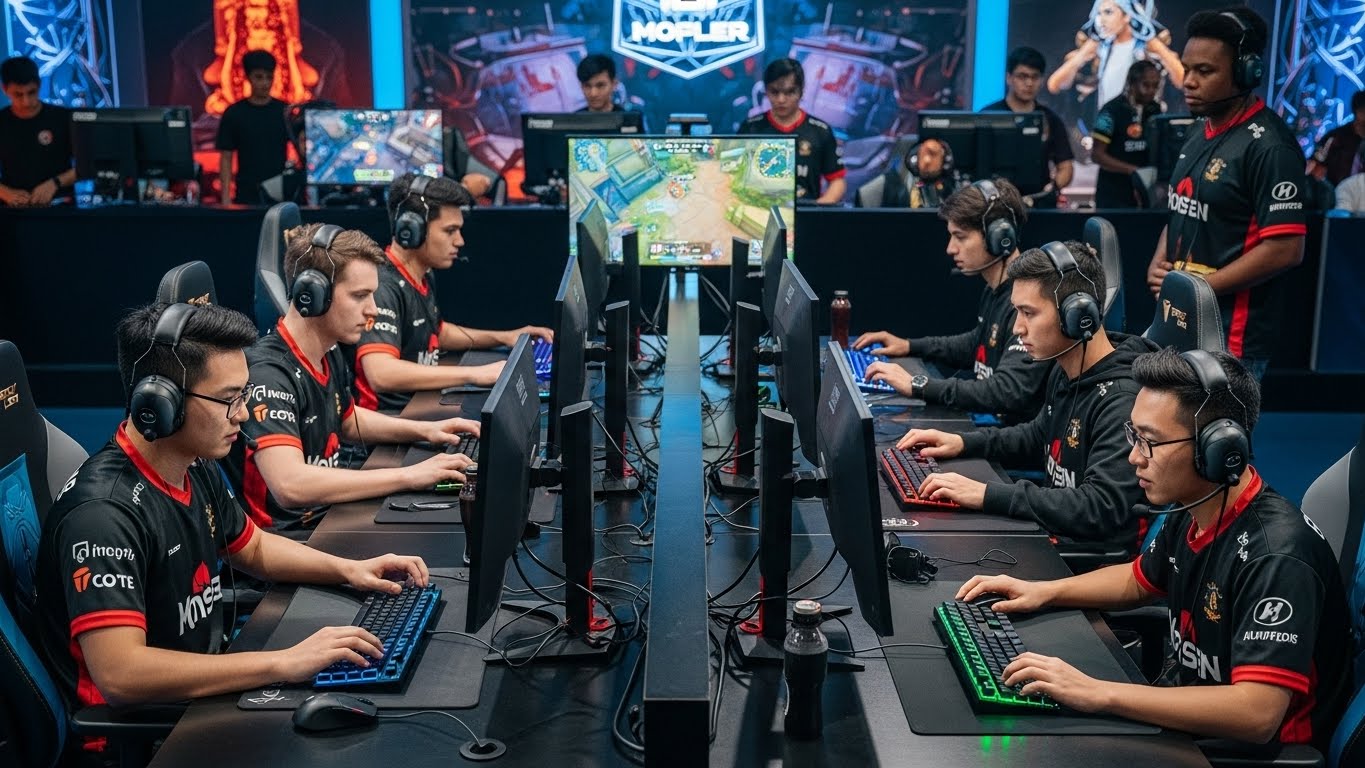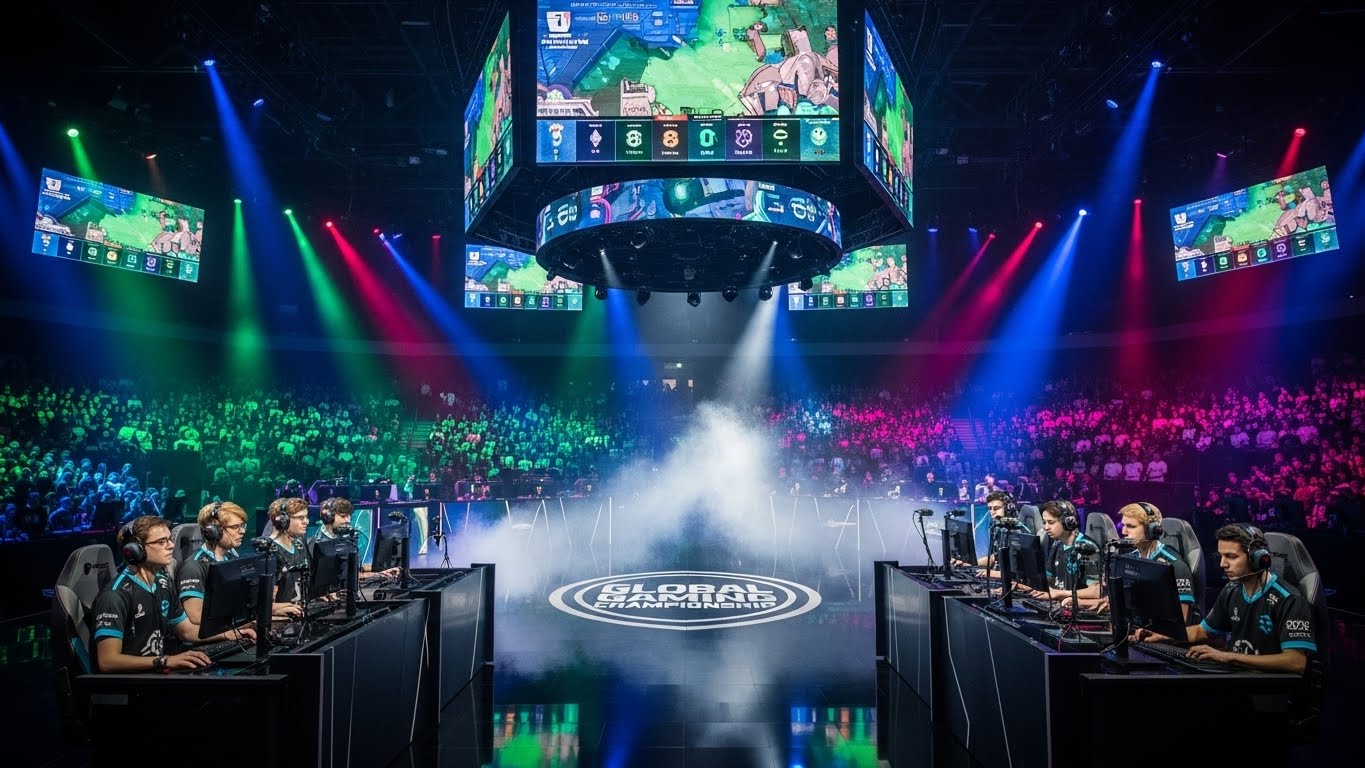
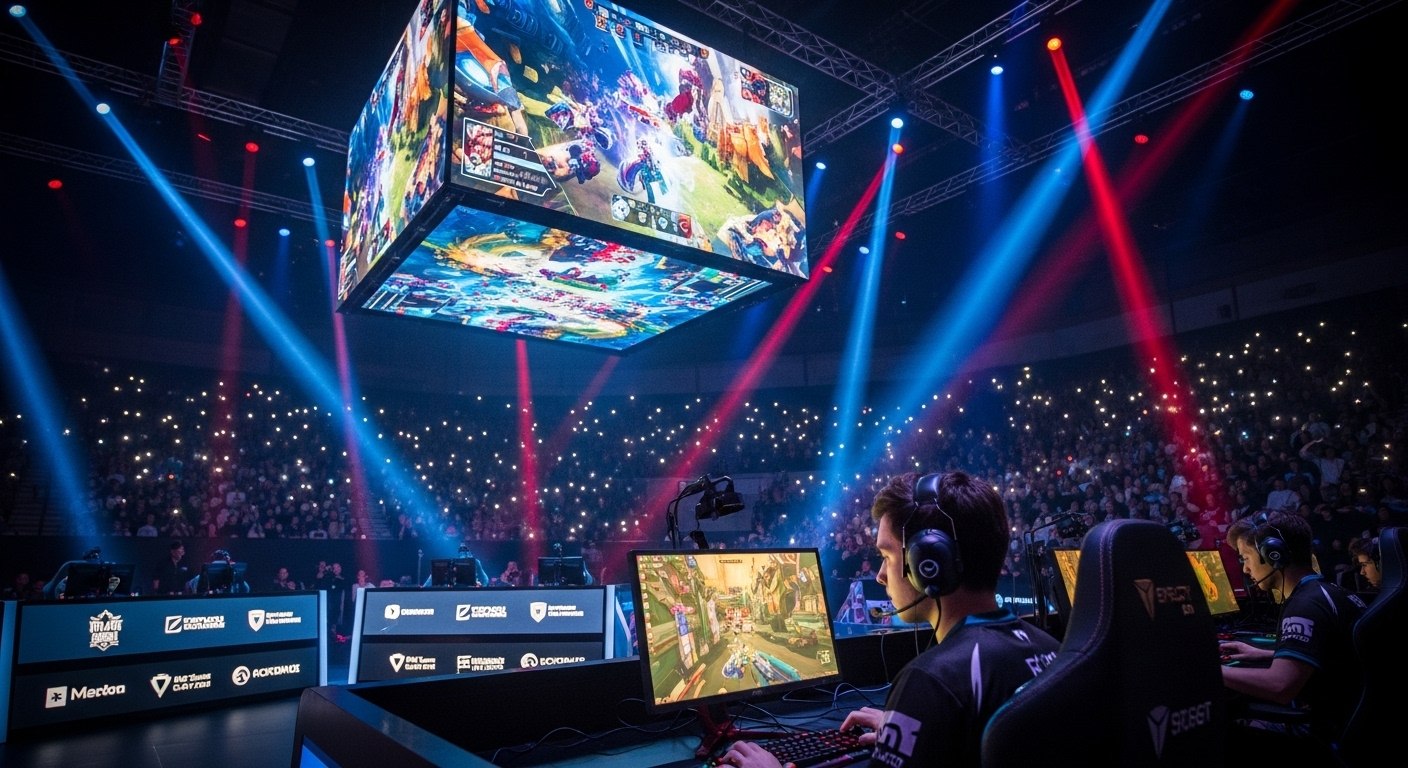
Esports has emerged as one of the most influential forms of modern entertainment. What began as casual gaming competitions has transformed into a global phenomenon, attracting millions of players, fans, and professional leagues. Today, esports is more than just a game—it is a platform for skill, strategy, and global connection.
The Growth of Esports
Esports has grown exponentially over the past decade. With faster internet, streaming platforms, and powerful gaming technology, competitive gaming has reached audiences worldwide. From small local tournaments to massive international championships, esports now offers high stakes, intense competition, and a professional environment comparable to traditional sports.
Professional Gaming as a Career
Top esports players train rigorously, honing their skills for hours every day. Professional leagues offer contracts, sponsorships, and prize pools that can reach millions. Esports has created a new class of athletes who rely on strategy, teamwork, and precision, showing that digital competition requires discipline and dedication similar to physical sports.
Technology Driving the Esports Experience
Technology is at the core of esports. High-performance gaming hardware, low-latency internet connections, and advanced streaming platforms allow seamless gameplay and global engagement. Virtual arenas, real-time analytics, and immersive graphics enhance both player performance and viewer experience, making esports a highly interactive and dynamic form of entertainment.
Building Global Communities
Esports has created a unique global community. Players and fans from all over the world connect through tournaments, live streams, and social platforms. Online multiplayer games foster collaboration, teamwork, and social interaction. Esports is more than competition—it is a space where people share experiences, learn from each other, and celebrate achievements together.
Economic and Cultural Impact
The esports industry has a significant economic footprint. Sponsorships, advertising, events, and merchandise generate revenue while opening opportunities in coaching, game development, and media production. Culturally, esports influences fashion, music, and entertainment trends, shaping the digital lifestyle of a generation connected through technology.
Developing Skills Through Esports
Esports helps players develop important skills. Strategy games improve critical thinking, reflex-based games enhance coordination, and multiplayer titles teach communication and teamwork. Competing under pressure also builds mental resilience, focus, and adaptability. Beyond entertainment, esports is a platform for personal growth and skill development.
The Future of Esports
The future of esports is full of potential. With advancements in virtual reality, augmented reality, and artificial intelligence, competitive gaming will become even more immersive and interactive. Esports is likely to integrate further into mainstream culture, education, and entertainment, expanding opportunities for players, audiences, and industries worldwide.
Conclusion
Esports is more than digital competition—it is a global movement shaping entertainment, careers, and communities. By combining technology, skill, and strategy, it has redefined how people play, connect, and compete. As esports continues to grow, it proves that gaming is not just a pastime—it is a powerful platform for innovation, connection, and achievement.