Introduction
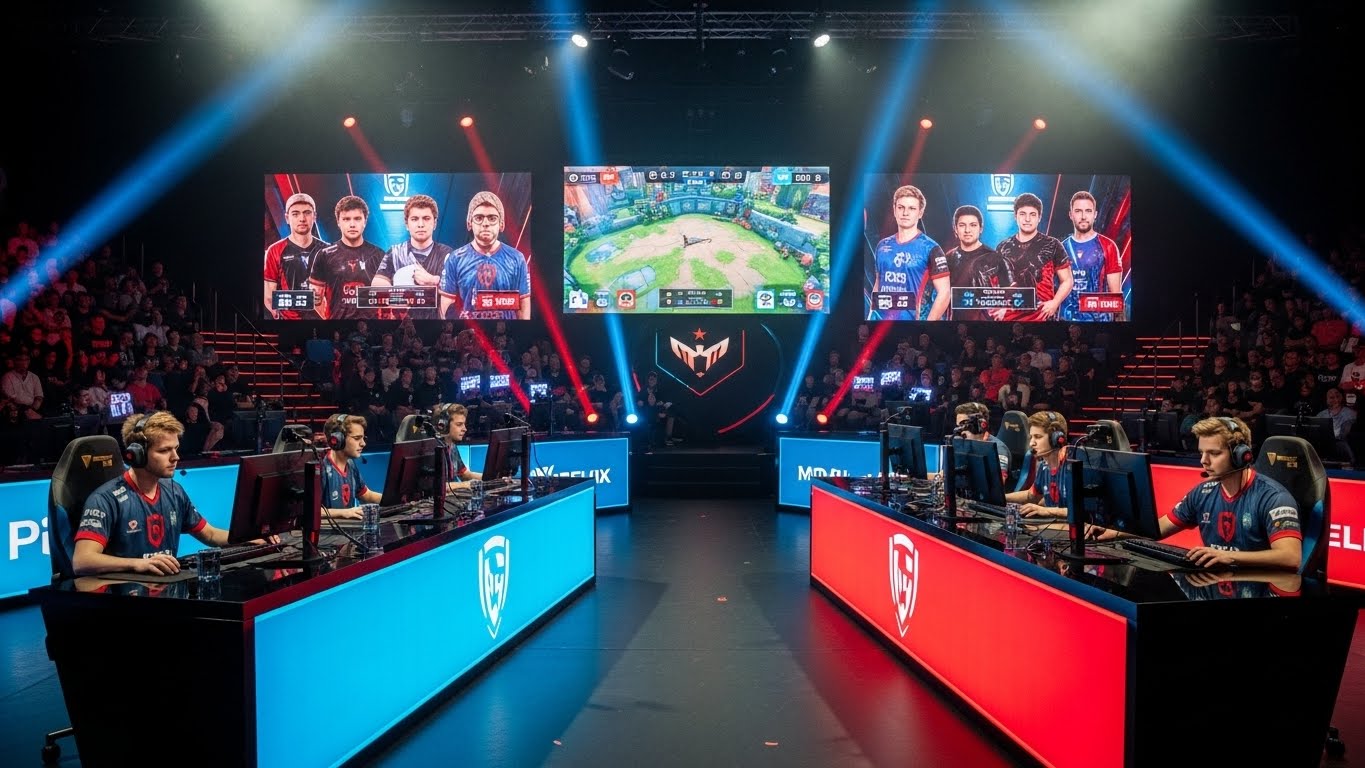
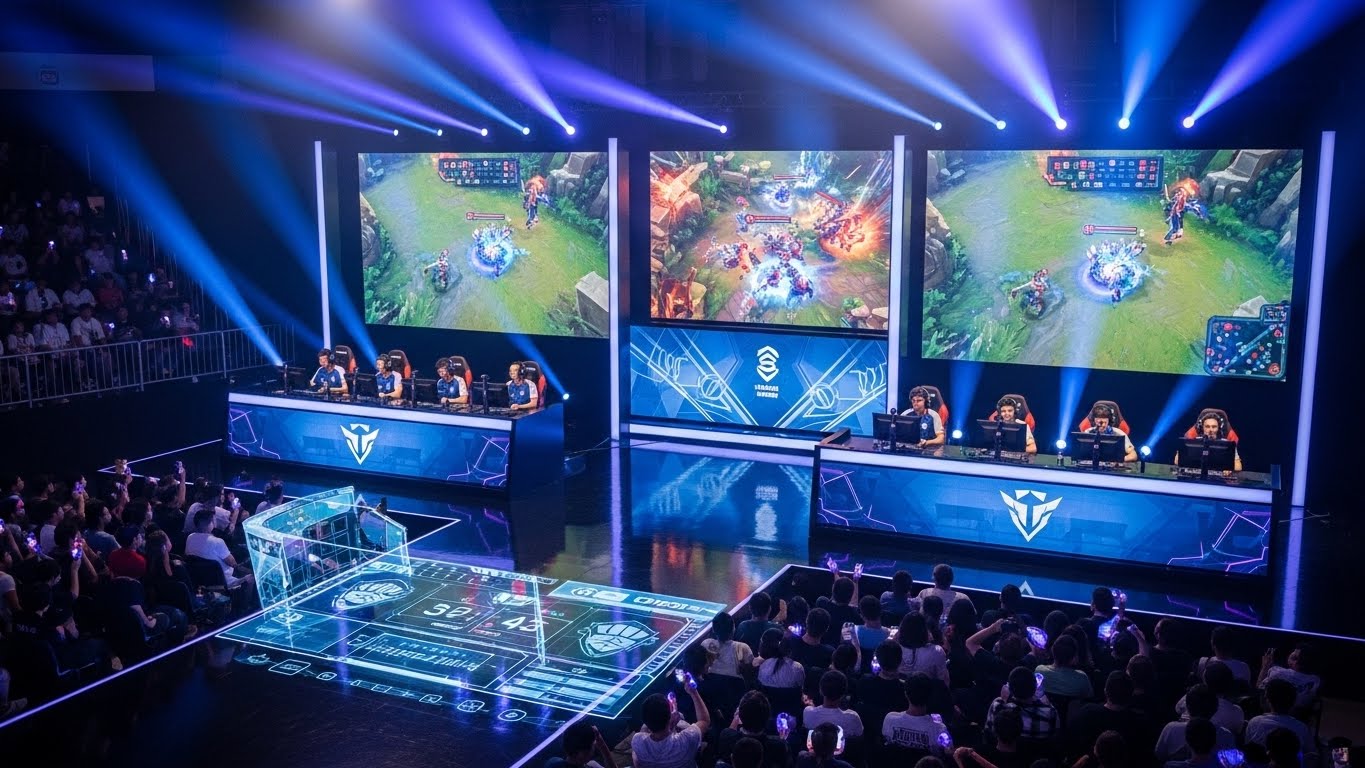
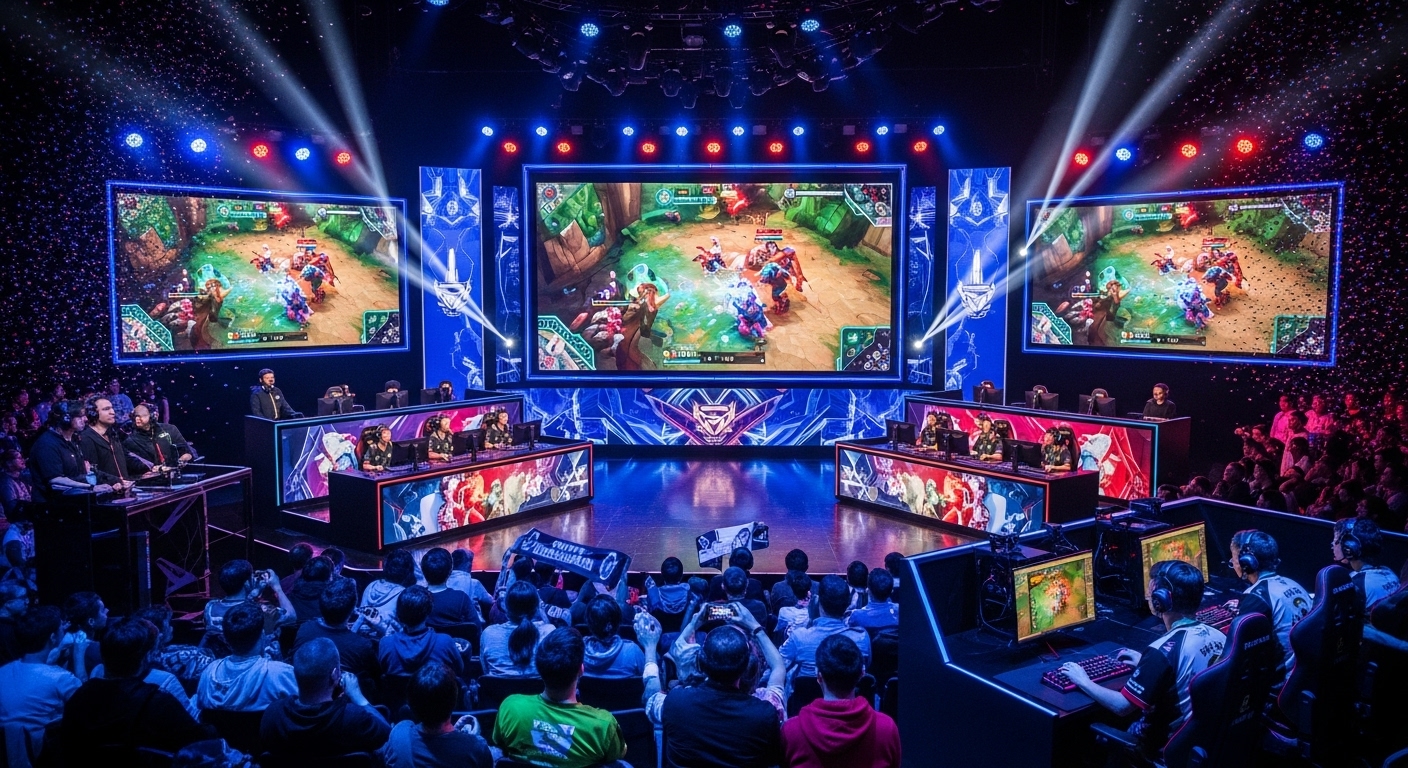
Esports, short for electronic sports, has evolved from a niche hobby into a global phenomenon, captivating millions of players and viewers worldwide. What began as informal gaming competitions has grown into a professional industry with organized leagues, multi-million-dollar prize pools, and an expanding fan base rivaling traditional sports. Esports is not merely about playing video games; it represents a blend of strategy, skill, entertainment, and culture. Its rise reflects both technological advancement and a shift in how society perceives competition and digital entertainment.
The Origins of Competitive Gaming
Competitive gaming dates back several decades, rooted in the early days of arcade and console gaming. In the 1970s and 1980s, high-score contests and local tournaments laid the groundwork for organized competition. Players would gather in arcades, showcasing their skills in titles like Space Invaders, Pac-Man, and Donkey Kong. These early competitions were primarily community-driven and fostered camaraderie among enthusiasts.
The 1990s brought a significant shift with the advent of multiplayer PC games. Titles such as StarCraft, Counter-Strike, and Quake introduced team-based strategies, fast-paced action, and online connectivity. These games allowed players from different regions to compete virtually, expanding the scale of competition and introducing the concept of professional gaming.
Professionalization of Esports
The early 2000s marked a turning point as competitive gaming evolved into a professional pursuit. Esports teams formed with dedicated coaching staff, analysts, and structured training routines. Players signed contracts and participated in leagues with formal schedules and rankings. Games such as League of Legends, Dota 2, and Counter-Strike: Global Offensive became central to the competitive scene, attracting players who treated gaming as a serious career.
Tournaments began offering substantial prize pools, drawing attention from investors and sponsors. Companies recognized esports as a platform for reaching younger, tech-savvy audiences, leading to a surge in sponsorship deals and advertising revenue. What was once a hobby transformed into a professional ecosystem, complete with international competitions, media coverage, and corporate investment.
Global Popularity and Cultural Influence
Esports has become a truly global phenomenon, transcending cultural and geographical boundaries. South Korea is widely regarded as the birthplace of professional esports, particularly in games like StarCraft. Dedicated esports arenas, gaming cafes, and robust infrastructure in South Korea set a global standard for competitive gaming. Europe and North America followed with their own leagues, tournaments, and training academies.
In recent years, esports has expanded rapidly in Southeast Asia, Latin America, and the Middle East. Streaming platforms such as Twitch, YouTube Gaming, and Facebook Gaming allow fans worldwide to watch tournaments live, creating a sense of global community. The appeal of esports lies in its accessibility; unlike traditional sports, anyone with a computer or console can compete, spectate, and become part of the ecosystem.
Diverse Game Genres in Esports
The esports landscape is diverse, encompassing multiple game genres that cater to different skills and audiences. Multiplayer online battle arena games, or MOBAs, such as League of Legends and Dota 2 emphasize strategy, coordination, and teamwork. First-person shooters like Counter-Strike: Global Offensive and Valorant require precision, reflexes, and split-second decision-making. Battle royale games like Fortnite and PUBG combine survival skills with competitive gameplay, while sports simulations like FIFA and NBA 2K replicate real-world athletics in a virtual environment.
This variety ensures that esports appeals to a broad audience and accommodates different types of players and viewers. Each game genre creates its own community, fostering fan engagement and competitive rivalry.
The Rise of Streaming Platforms
Streaming has been a driving force behind the explosive growth of esports. Platforms like Twitch and YouTube Gaming have transformed how fans consume competitive content. Live streams allow viewers to watch games in real time, interact with players through chat, and engage with content on a personal level.
Streaming also provides revenue opportunities for both players and platforms. Professional gamers earn income through ad revenue, sponsorships, and viewer subscriptions. Casual streamers have the chance to grow into professional careers, blurring the line between hobbyist and pro. The combination of accessibility and interactivity has turned esports into a mainstream form of entertainment.
Economic Impact of Esports
Esports has evolved into a multi-billion-dollar industry with a complex economy. Revenue streams include tournament prize money, advertising, sponsorships, merchandise sales, media rights, and digital content. Professional teams and players generate substantial income, and corporate brands increasingly use esports to reach younger demographics.
This economic ecosystem has also spurred employment opportunities beyond players, including coaches, analysts, event organizers, and content creators. The financial viability of esports demonstrates its legitimacy as a professional industry and highlights the growing commercial influence of digital entertainment.
Esports as a Career Path
Esports offers career opportunities that extend beyond playing competitively. Professional players dedicate hours of training to develop reflexes, strategic thinking, and teamwork skills. Coaches, analysts, commentators, and event managers form an integral part of the industry. Content creators and influencers engage audiences with gameplay, tutorials, and entertainment content.
Careers in esports require discipline, mental resilience, and adaptability. Successful players often combine their competitive skills with branding, streaming, and media presence. The industry provides opportunities for individuals to monetize their passion for gaming while developing transferable skills such as communication, leadership, and problem-solving.
Esports in Education
Educational institutions are increasingly recognizing esports as a legitimate activity that fosters skills applicable both inside and outside of gaming. Schools and universities have established esports programs, offering scholarships to talented players. Students participate in structured leagues that teach teamwork, strategy, and time management.
Esports in education goes beyond competitive play. It introduces students to technology, marketing, and media production, equipping them for future careers. By legitimizing esports in academic settings, institutions are preparing students for a growing industry while promoting digital literacy and innovation.
Social and Cultural Impact
Esports has created global communities where individuals connect over shared interests. It transcends physical, cultural, and social boundaries, fostering inclusivity in ways traditional sports often cannot. Players from different countries collaborate on teams, and fans interact across platforms, forming networks that celebrate diversity.
Esports also challenges conventional perceptions of athleticism. Physical prowess is replaced by reflexes, strategy, and cognitive skills. Age, gender, and physical ability are less relevant, creating a space where talent and dedication define success. This democratization of competition has reshaped how society views sports and skill.
Challenges Facing Esports
Despite its rapid growth, esports faces challenges. Player burnout is common due to intensive practice schedules and high competition pressure. Mental health issues, repetitive strain injuries, and career longevity are ongoing concerns. The industry also grapples with cheating, fair play, and maintaining competitive integrity.
Another challenge is regulation. Unlike traditional sports, esports lacks a unified governing body, resulting in inconsistent rules and standards across tournaments. Ensuring fair competition and player protection is essential for long-term sustainability. Addressing these challenges is crucial to maintaining esports’ credibility as a professional industry.
Technological Advancements Driving Esports
Technology continues to drive innovation in esports. High-performance hardware, fast internet connectivity, and advanced graphics engines enhance gameplay and viewer experiences. Virtual reality and augmented reality are beginning to create immersive esports environments, allowing audiences to experience games from entirely new perspectives.
Artificial intelligence is also playing a role in training and analytics. AI can analyze player performance, identify patterns, and suggest strategies, helping players and teams refine their skills. Technological advancements ensure that esports continues to evolve, providing richer experiences for players and fans alike.
The Future of Esports
The future of esports is expansive, with potential for continued growth and innovation. Virtual reality and augmented reality may redefine gameplay and viewing experiences, while cross-industry collaborations with entertainment, media, and traditional sports could create hybrid events. Global recognition of esports as a legitimate sport continues to rise, with some countries investing in infrastructure and talent development.
As the industry grows, it will also face pressure to address sustainability, inclusivity, and player welfare. The balance between commercial interests, competitive integrity, and fan engagement will shape the next era of esports. The potential for esports to become a cultural mainstay is undeniable, signaling a future where digital competition is as celebrated as traditional sports.
Conclusion
Esports has grown from modest beginnings into a global cultural and economic powerhouse. It combines skill, strategy, and technology to create competitive experiences that resonate worldwide. With professional leagues, streaming platforms, educational programs, and global tournaments, esports has transformed how people engage with gaming and entertainment.
Beyond the games themselves, esports represents a new way of connecting, competing, and building communities. It challenges traditional notions of sports, creates opportunities for careers, and fosters a sense of belonging in digital spaces. The rise of esports is not just about competition; it is about redefining culture in the digital age. As technology advances and societal acceptance grows, esports will continue to shape the landscape of entertainment, proving that the virtual arena has a very real impact on the world.