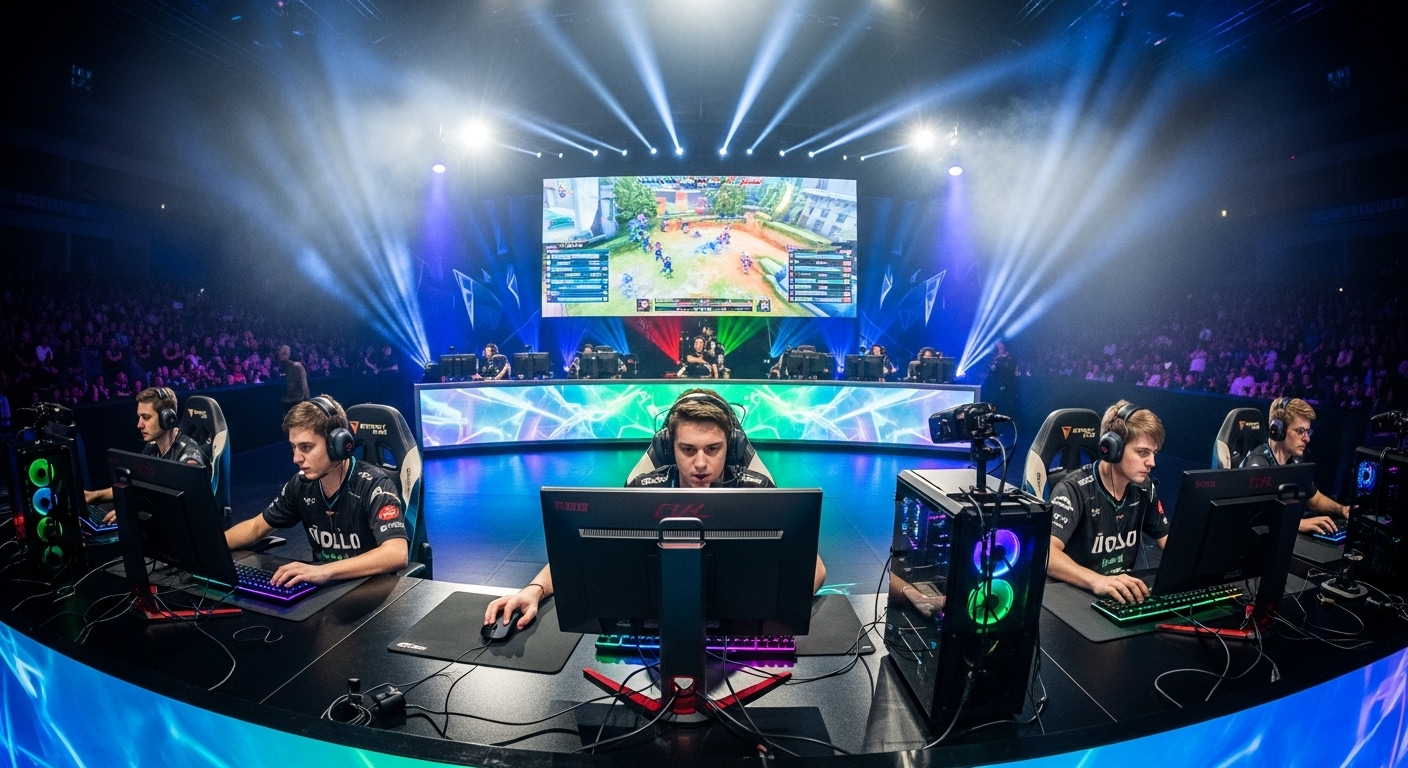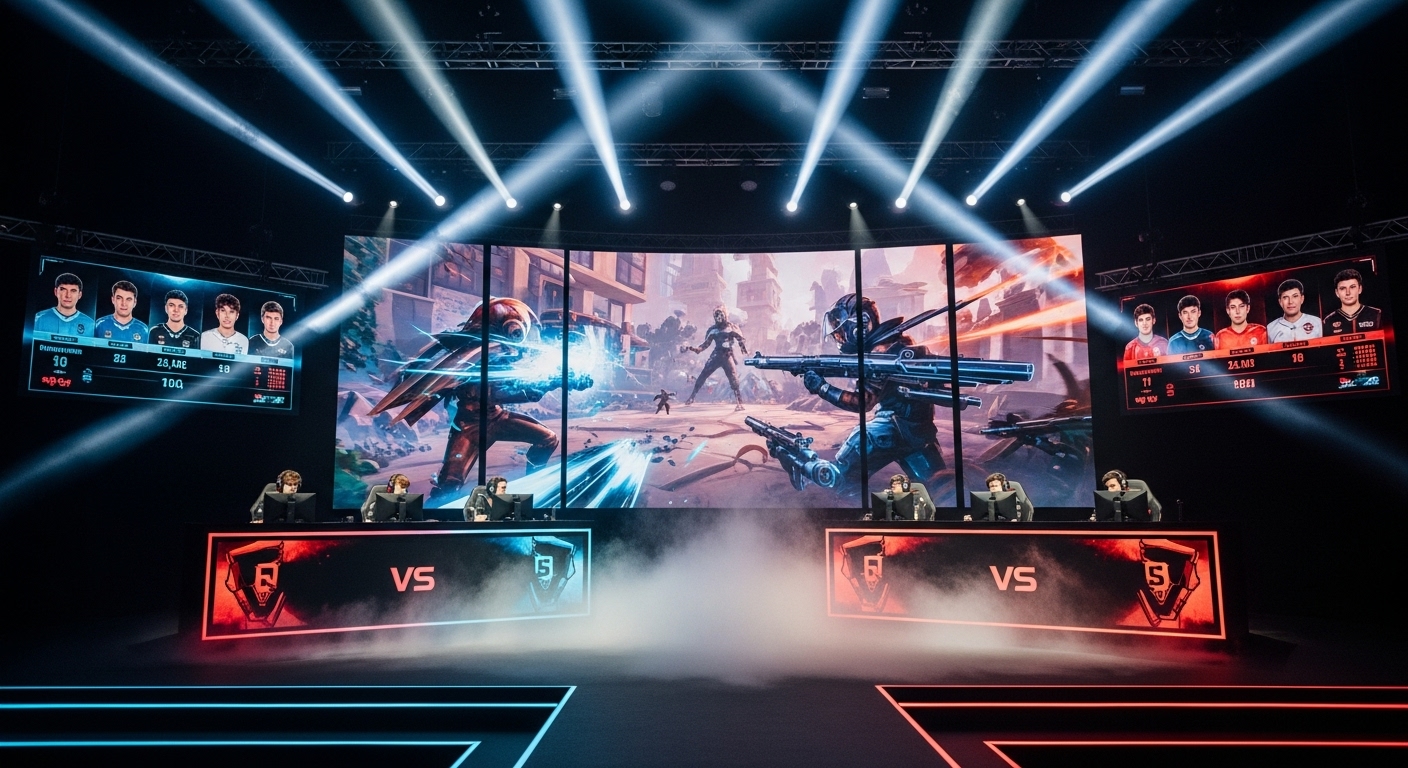
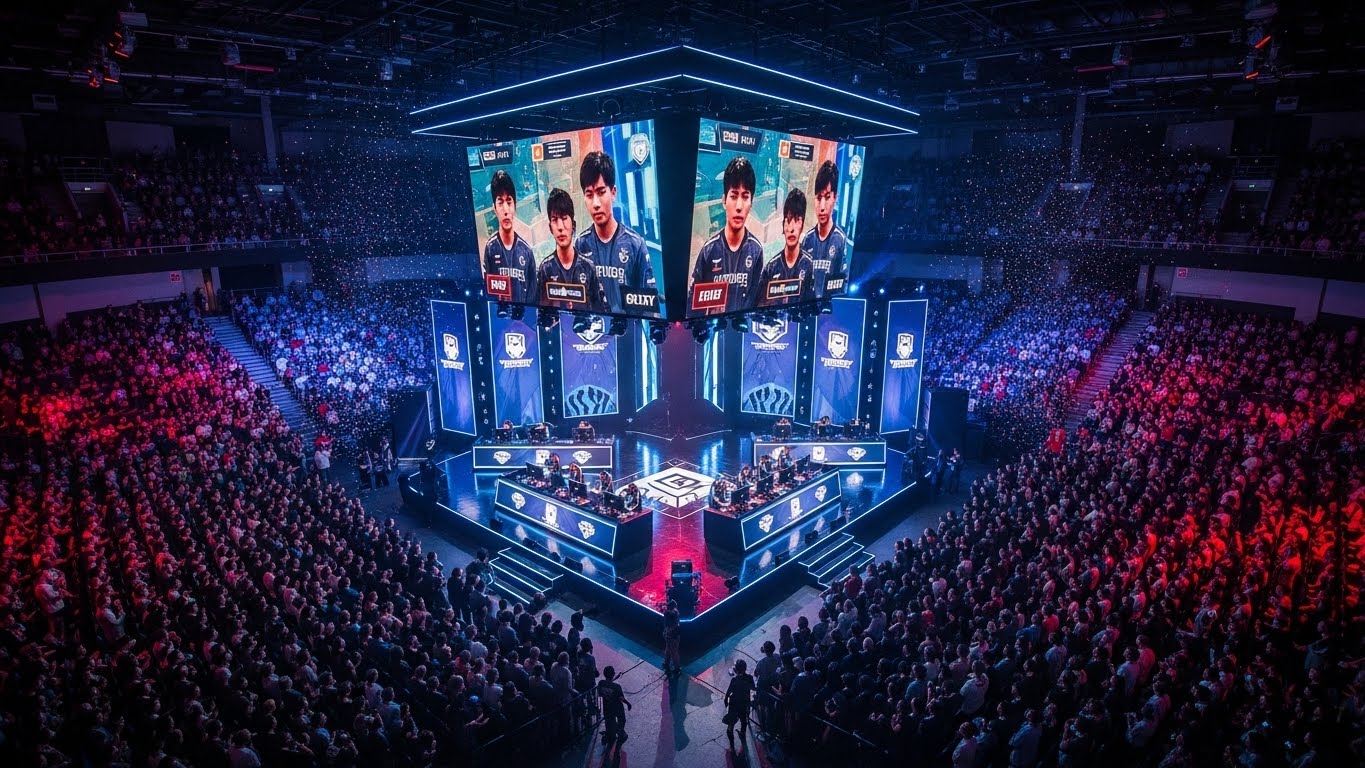
Esports has transformed from a niche hobby into a global phenomenon. Once seen as an activity reserved for teenagers glued to their computers, competitive gaming now commands audiences in the millions and offers professional careers that rival traditional sports. This digital arena has reshaped entertainment, technology, and even culture, creating a new ecosystem where skill, strategy, and spectacle converge.
The Origins of Esports
Competitive gaming is not a new concept, though its mainstream recognition is relatively recent. In the 1970s and 1980s, arcade competitions laid the groundwork for modern esports. Early video game tournaments, often local and informal, allowed players to showcase their skills. Titles such as Space Invaders and Pac-Man became icons, inspiring competitions that drew attention from gaming enthusiasts.
The 1990s introduced a more structured form of competitive gaming, fueled by the rise of home consoles and personal computers. Games like StarCraft and Counter-Strike became staples of competitive play, cultivating communities that thrived on strategy and teamwork. The introduction of the internet accelerated this growth, enabling players from different regions to compete in real-time, bridging geographical divides and creating the foundation for the esports ecosystem we know today.
The Explosion of Popularity
The 21st century marked the true explosion of esports. Games like League of Legends, Dota 2, and Fortnite brought competitive gaming to unprecedented heights. Tournaments began offering prize pools in the millions, and professional players became celebrities in their own right. Streaming platforms played a crucial role, allowing audiences to watch live matches from anywhere in the world. This accessibility transformed esports into a spectator sport, attracting fans who were not necessarily players themselves but were captivated by the drama, skill, and entertainment value of the competitions.
One of the defining moments in esports history was the creation of professional leagues. Organizations such as the League of Legends Championship Series and Overwatch League provided a structured competitive environment, complete with teams, coaches, analysts, and sponsorships. This professionalization mirrored traditional sports, lending legitimacy to esports and creating opportunities for long-term careers in gaming.
The Economics of Esports
Esports is not just a form of entertainment; it has evolved into a multi-billion-dollar industry. Revenue streams include sponsorships, advertising, merchandise, ticket sales, and media rights. Global brands, recognizing the influence of esports, have invested heavily in teams, tournaments, and events. Companies from diverse sectors, including technology, apparel, energy drinks, and finance, have all tapped into esports to reach a highly engaged, young demographic.
Prize pools in tournaments have become staggering. Some events offer multi-million-dollar rewards, attracting elite players worldwide. The high stakes have intensified competition and driven innovation in gameplay and strategy. Meanwhile, streaming platforms provide consistent income for professional players through subscriptions, donations, and ad revenue, creating a sustainable ecosystem for careers in gaming.
The Role of Technology in Esports
Technology has been the backbone of esports growth. High-speed internet, advanced gaming hardware, and sophisticated software have enabled real-time online competitions with minimal latency. Streaming technology allows millions of viewers to watch matches live, while analytics software helps teams optimize strategies and improve performance.
Virtual reality and augmented reality are poised to take esports to the next level. VR tournaments offer fully immersive experiences, allowing players and audiences to feel as if they are inside the game. These advancements promise to expand the boundaries of what competitive gaming can be, blending the digital and physical worlds in unprecedented ways.
Esports and the Global Community
Esports is more than just competition; it is a global community. Fans from different countries, cultures, and backgrounds come together to celebrate their favorite games, teams, and players. Online forums, social media, and streaming platforms facilitate interaction between fans and players, creating a sense of belonging that transcends borders.
Cultural impact is significant. Esports has influenced fashion, music, and even language. Gamers develop unique terminologies, strategies, and rituals that become part of the larger gaming culture. Cosplay, fan art, and tournaments contribute to a vibrant ecosystem where creativity and competition coexist.
Challenges Facing the Industry
Despite its growth, esports faces significant challenges. Player burnout is a critical issue, as professional gamers often train for long hours under intense pressure. Mental health concerns, including stress and anxiety, are prevalent, necessitating support systems for players.
Additionally, the industry grapples with issues of fairness and regulation. Cheating, doping, and match-fixing have occasionally tarnished esports’ reputation. As the industry professionalizes, governing bodies and standardized regulations are emerging to ensure competitive integrity and protect both players and fans.
Gender representation is another area of concern. While esports has traditionally been male-dominated, initiatives to encourage female participation are growing. Tournaments, organizations, and community efforts aim to create inclusive environments where talent is recognized regardless of gender.
Education and Career Opportunities
Esports is opening doors beyond just playing games. Universities and schools now offer programs in esports management, game design, and digital marketing. Scholarships for esports athletes provide educational opportunities while nurturing competitive talent. Careers extend to coaching, event management, broadcasting, analytics, and content creation, making esports a diverse and sustainable field for professional growth.
The industry also fosters transferable skills. Strategic thinking, teamwork, communication, and digital literacy are cultivated in players, equipping them for careers beyond gaming. Esports has become a legitimate pathway for personal and professional development.
The Future of Esports
The future of esports is expansive. Integration with emerging technologies, like artificial intelligence and virtual reality, will redefine the gaming experience. New game genres and formats will attract diverse audiences, while global tournaments will continue to grow in scale and prestige.
Esports could also influence traditional sports. Concepts like fantasy leagues, live analytics, and global fan engagement are being borrowed from esports by conventional sports organizations. The digital-first approach of esports provides valuable lessons for entertainment, marketing, and fan engagement in the broader sports industry.
Education, inclusivity, and sustainability will shape esports’ trajectory. As the industry matures, it will need to address mental health, diversity, and fair play. The balance between commercialization and community engagement will determine whether esports remains a cultural phenomenon or becomes purely profit-driven.
Conclusion: More Than Just a Game
Esports has transcended its humble beginnings as a pastime for hobbyists to become a global cultural and economic force. It merges technology, competition, entertainment, and community in a way that few other industries can match. With its professional leagues, international tournaments, and passionate fan base, esports is redefining what it means to be an athlete, a spectator, and a fan.
The evolution of esports demonstrates the power of digital connectivity and human creativity. As technology advances and communities grow, esports is poised to continue its meteoric rise. What started as a game has become a movement, a career, and a cultural phenomenon that will shape the future of entertainment for generations to come.