
Introduction: The New Age of Competition
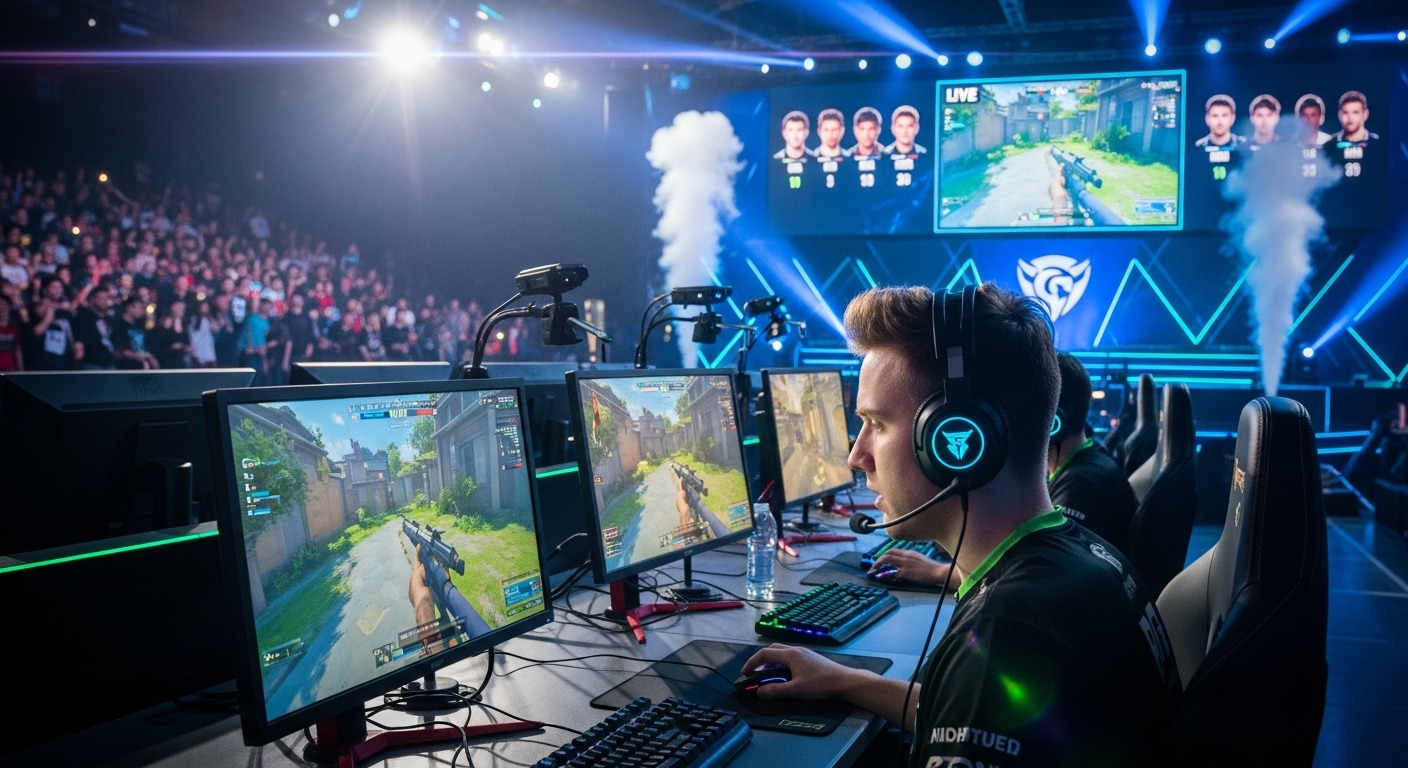
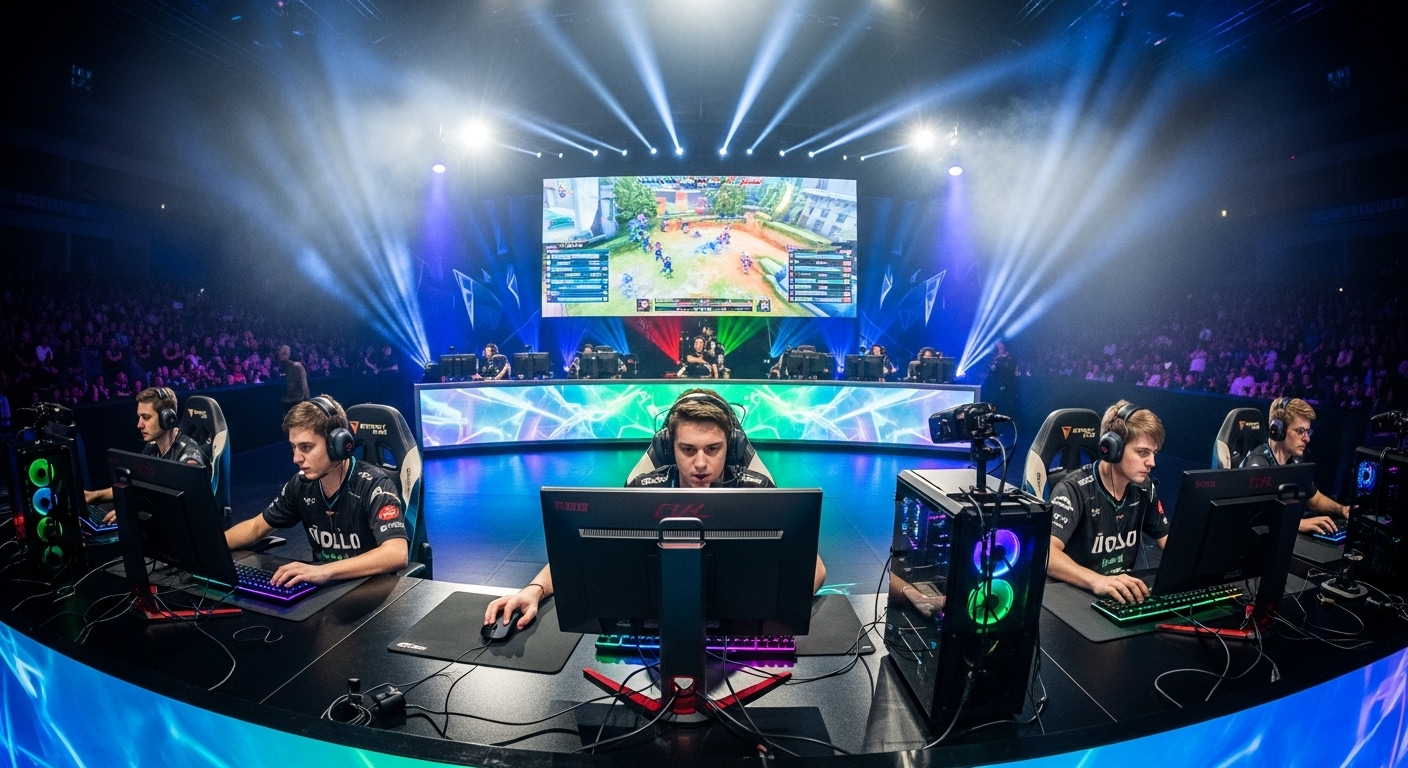
Once, video games were seen purely as a pastime, a way for people to relax in their free time. Today, they have evolved into something far bigger: esports. Competitive gaming has transformed from casual play among friends into a global industry with professional leagues, international tournaments, and millions of fans. Esports now represents not only skill and entertainment but also business, culture, and education. It has redefined what it means to compete, showing that digital competition can rival traditional sports in intensity, strategy, and excitement.
The Origins of Esports
Competitive gaming is not a new concept. The first organized competitions appeared in the 1970s and 1980s when arcade games such as Space Invaders and Donkey Kong challenged players to achieve the highest scores. While these contests were informal, they laid the foundation for future esports tournaments. The real revolution occurred with the rise of online gaming in the late 1990s and early 2000s. Games like StarCraft, Counter-Strike, and Quake allowed players to connect globally, turning gaming into an international competition. South Korea became a hub for esports during this period, with televised StarCraft matches drawing large audiences and demonstrating the potential of competitive gaming as a spectator sport.
The Rise of Professional Esports
By the 2010s, esports had entered a professional era. Games such as League of Legends, Dota 2, and Counter-Strike: Global Offensive introduced structured leagues and international tournaments with massive prize pools. Teams transformed from casual groups of friends into organizations with coaches, analysts, and rigorous training schedules. Players often practiced more than eight hours a day, focusing on skill development, team coordination, and strategic execution. The professionalism of esports now mirrors traditional sports, with contracts, sponsorships, and dedicated fan bases.
The Power of Streaming Platforms
One of the key drivers of esports growth has been streaming platforms. Services like Twitch and YouTube Gaming allow millions of fans to watch live matches, interact with players, and engage with other viewers in real time. This accessibility has created a unique sports culture where audiences can feel close to players and teams. Unlike traditional sports, esports allows fans to comment, react, and influence the atmosphere virtually, making spectators an integral part of the experience. Streaming has also opened opportunities for content creators, analysts, and commentators, further expanding the ecosystem of competitive gaming.
The Economics of Esports
Esports is a multi-billion-dollar industry with a diverse revenue model. Revenue streams include sponsorships, advertising, merchandise, ticket sales, media rights, and in-game purchases. Brands from technology, beverage, and fashion industries actively invest in esports to reach a young, digitally savvy audience. Major tournaments like The International and League of Legends World Championship offer prize pools in the millions, rivaling traditional sports events. Franchised leagues, including the Overwatch League and Call of Duty League, operate similarly to professional sports leagues, with city-based teams, regular seasons, and playoffs, attracting both fans and investors worldwide.
Cultural Influence of Esports
Esports has shifted the cultural perception of gaming. Professional players are now considered athletes and influencers, with millions of followers on social media. They appear in advertisements, collaborate with musicians and creators, and shape trends in gaming culture. Universities have recognized esports as a legitimate activity, offering scholarships and academic programs for competitive players. Gaming has transformed into a socially celebrated pursuit, teaching skills like leadership, strategic thinking, and communication, challenging outdated stereotypes about gamers.
Key Games Shaping the Industry
Several games have defined esports. League of Legends is celebrated for its strategic depth and global tournaments. Dota 2 is renowned for its complex gameplay and the high-stakes competition of The International. Counter-Strike: Global Offensive has maintained its popularity through tactical gameplay and enduring community support. Other titles such as Valorant, Rocket League, Fortnite, and Call of Duty have expanded esports diversity, appealing to different audiences and playstyles. Fighting games like Street Fighter and Super Smash Bros. maintain a competitive presence, demonstrating that esports encompasses multiple genres and skill sets.
The Skills Behind the Game
Esports requires a unique combination of mental, physical, and strategic skills. Players need sharp reflexes, precise hand-eye coordination, and mental endurance. Teamwork, communication, and adaptability are equally important. Professional teams employ analysts to study opponents, coaches to manage strategies, and psychologists to maintain mental well-being. Physical fitness is also essential to prevent fatigue and injuries, showing that esports demands holistic preparation akin to traditional athletics.
Esports in Education
Esports is increasingly linked with education. Schools and universities integrate gaming programs to teach teamwork, problem-solving, and digital literacy. Scholarships for esports athletes allow students to pursue higher education while competing professionally. Academic research explores esports’ impact on cognitive skills, social interactions, and the economy. By bridging gaming and education, esports offers opportunities for personal development, career preparation, and responsible gaming practices.
Challenges Facing Esports
Despite its success, esports faces challenges. Player burnout and mental health concerns are significant due to intense practice schedules and competitive pressure. Organizations are implementing wellness programs and structured schedules to support athletes. Cheating, match-fixing, and the use of performance-enhancing substances threaten the integrity of competition, necessitating strict regulation. Additionally, the industry continues to address gender and diversity gaps, striving to create inclusive environments for women and underrepresented communities.
Esports as a Global Phenomenon
Esports transcends national and cultural boundaries. International tournaments bring together players from every continent, and fans engage globally through streaming platforms. Countries like China, South Korea, and the United States lead in infrastructure and player development, while emerging regions in South America, Africa, and the Middle East are rapidly expanding. Accessibility ensures that anyone with an internet connection can participate, making esports one of the most inclusive forms of competition in the world.
The Future of Esports
The future of esports is promising and dynamic. Emerging technologies such as virtual reality, augmented reality, and artificial intelligence will enhance both gameplay and viewing experiences. Fans may one day immerse themselves within matches, experiencing events from the players’ perspective. Mobile esports is also expanding, making competitive gaming more accessible in regions with limited access to high-end PCs and consoles. The influence of esports on fashion, music, and digital entertainment continues to grow, making it a cornerstone of modern culture and lifestyle.
Conclusion: Redefining Competition in the Digital Age
Esports has redefined the concept of competition in the digital era. Professional players train, strategize, and perform at levels comparable to traditional athletes. Spectators engage with events in innovative and interactive ways. The industry has expanded into culture, education, and global business, uniting people across countries, languages, and generations. What began as casual gaming in living rooms has become a global spectacle that celebrates skill, dedication, and digital creativity.
Esports is more than a pastime; it is a new form of sport, entertainment, and community. It shows that competition and teamwork can thrive in virtual spaces, proving that the future of sports and gaming is limitless. As technology continues to evolve, esports will grow, inspire, and redefine the way we connect, compete, and celebrate achievement in the digital world.