Introduction: The Rise of Competitive Gaming
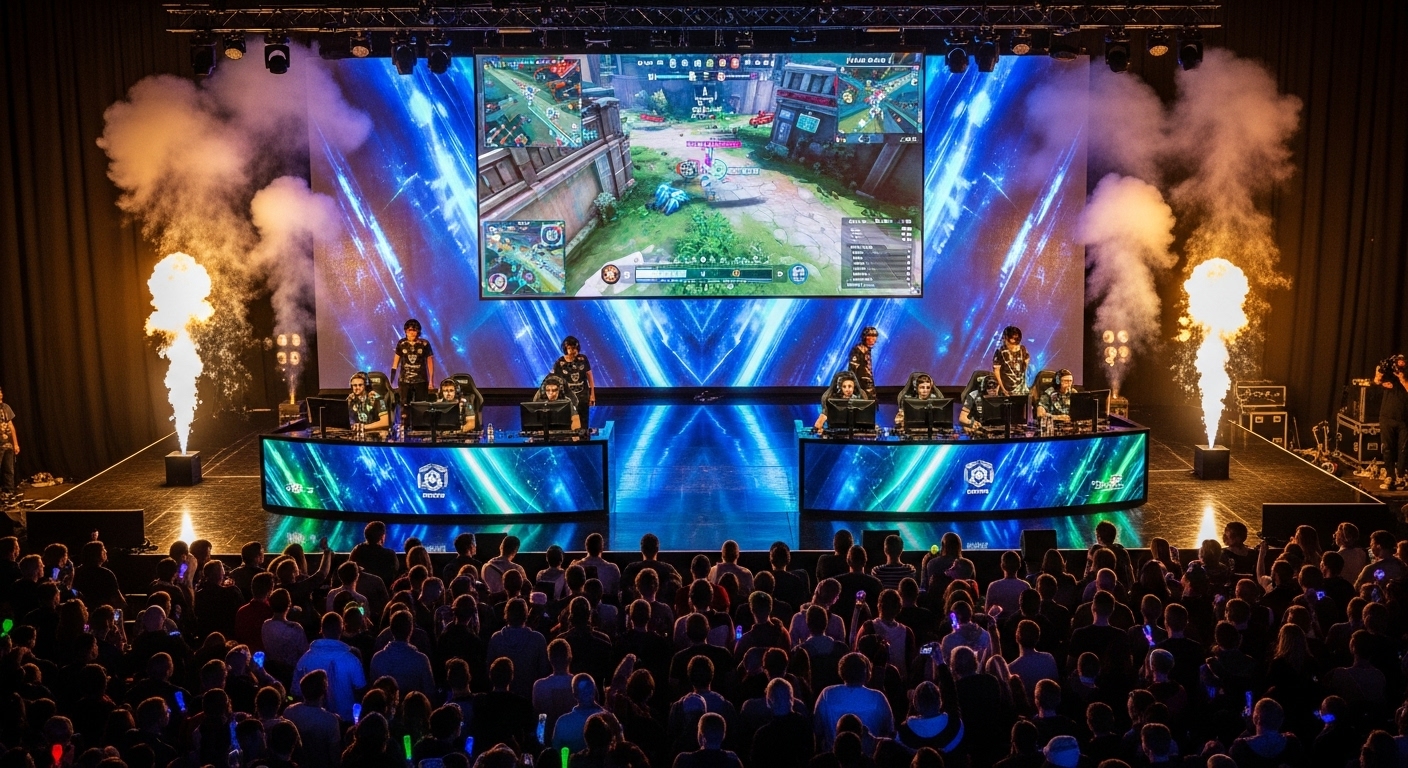
Esports, or competitive gaming, has transformed from a niche hobby into a global phenomenon. What began as small tournaments among friends has grown into a multi-billion-dollar industry, attracting millions of viewers worldwide and offering professional players lucrative careers. The evolution of esports has been fueled by advances in technology, widespread internet access, and the rise of streaming platforms that allow fans to watch live competitions in real time. Beyond entertainment, esports is reshaping the way we perceive sports, competition, and digital communities. This blog explores the origins of esports, its current trends, the ecosystem surrounding it, and the potential future of competitive gaming.
The Origins of Esports
The roots of esports can be traced back to the late 1970s and 1980s, when arcade gaming and early computer competitions began gaining attention. One of the first widely recognized tournaments was the Space Invaders Championship in 1980, which attracted thousands of participants in the United States. In the 1990s, games like StarCraft, Quake, and Counter-Strike created the foundation for competitive gaming communities. These early competitions were largely regional and often informal, but they fostered the social and competitive elements that define esports today. The emergence of online multiplayer games in the late 1990s and early 2000s accelerated growth, allowing players to compete across cities, countries, and eventually continents.
The Growth of Esports as an Industry
Esports has experienced exponential growth over the past decade, transforming into a professional industry with structured leagues, tournaments, and sponsorships. Major titles such as League of Legends, Dota 2, Call of Duty, and Fortnite have become household names, attracting millions of viewers for major events. Esports organizations now operate like traditional sports franchises, managing rosters, coaching staff, training facilities, and branding. Sponsorships from technology companies, beverage brands, and fashion labels have injected significant financial resources into the ecosystem. Esports is no longer just about playing games; it is a full-fledged entertainment industry with marketing, broadcasting, merchandise, and event management components.
The Esports Ecosystem: Players, Teams, and Leagues
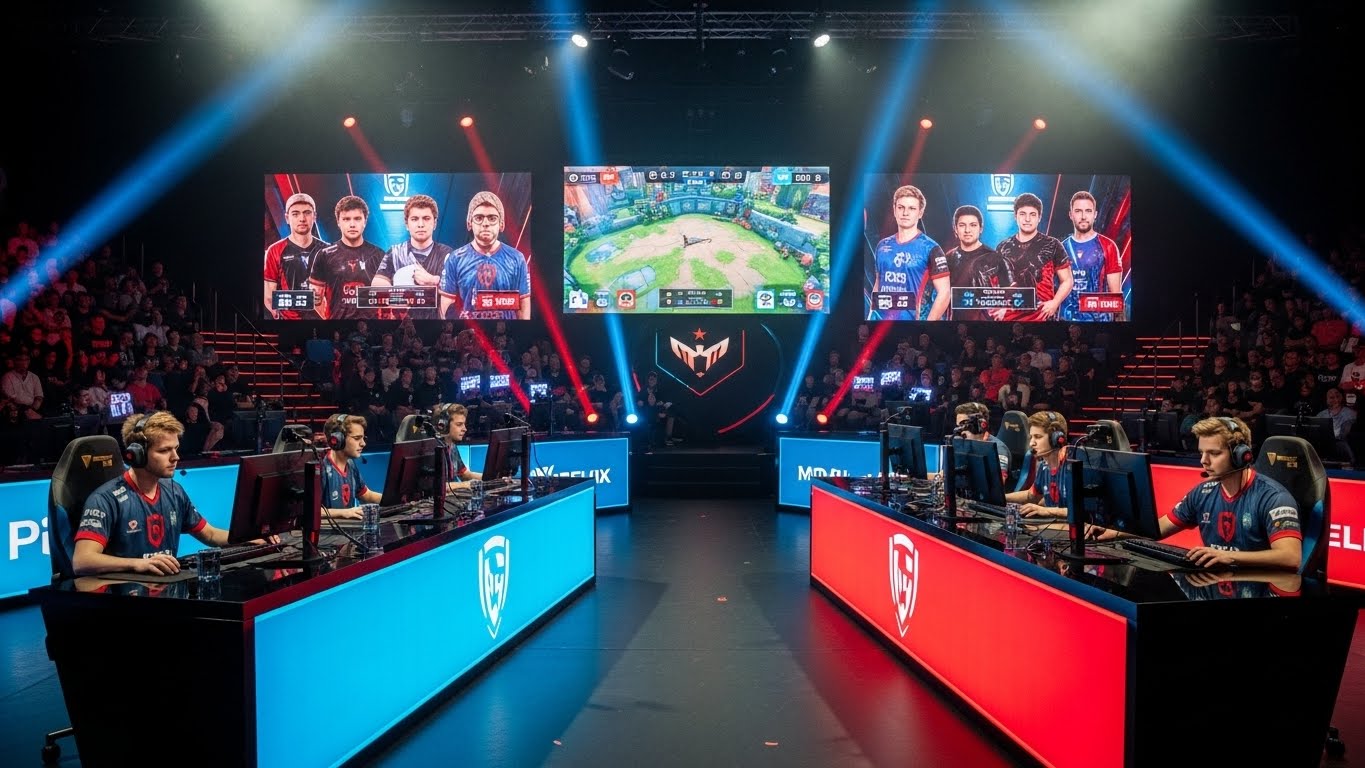
At the heart of esports are the players, who dedicate hours to honing their skills and mastering strategies. Professional gamers often train for six to ten hours daily, focusing on mechanics, teamwork, communication, and mental resilience. Teams play a critical role in shaping careers, providing coaching, analytics, and support systems that help players succeed. Esports leagues and tournaments provide a structured environment for competition, with seasonal leagues, playoffs, and world championships. Some of the most prestigious events, such as The International in Dota 2 or the League of Legends World Championship, offer prize pools reaching tens of millions of dollars, highlighting the scale and seriousness of the industry.
The Role of Streaming and Digital Platforms
Streaming platforms have been instrumental in driving the popularity of esports. Services such as Twitch, YouTube Gaming, and regional platforms allow fans to watch live matches, interact with players, and engage in community discussions. These platforms have also created opportunities for content creators, commentators, and analysts to build careers around esports. The accessibility of streaming allows fans from around the world to participate in the experience, breaking down geographic barriers and creating a global community. Interactive features like live chat, donations, and fan polls enhance engagement, making esports a dynamic and participatory form of entertainment.
Esports and Mainstream Recognition
Esports is increasingly recognized alongside traditional sports, with professional leagues, national teams, and even discussions about inclusion in events like the Olympics. Universities and colleges are offering scholarships for esports players, acknowledging gaming as a legitimate avenue for skill development and career opportunities. Media coverage and mainstream sponsorship deals have helped normalize esports as a cultural phenomenon, attracting not only gamers but also casual viewers. This growing legitimacy has also encouraged governments and organizations to invest in esports infrastructure, training facilities, and educational programs to support the next generation of players.
The Psychological and Social Impact of Esports
Esports is not just a competitive pursuit; it has psychological and social dimensions that influence players and fans alike. For players, competitive gaming can enhance strategic thinking, teamwork, communication, and stress management. It also provides a sense of identity and belonging within the gaming community. For fans, esports offers entertainment, social interaction, and inspiration. However, it is essential to balance gaming with physical activity, mental health awareness, and responsible screen time. Professional organizations increasingly provide psychologists, nutritionists, and wellness coaches to ensure players maintain both performance and well-being.
Esports and Technology: A Symbiotic Relationship
The growth of esports is closely linked to technological innovation. High-speed internet, powerful gaming hardware, cloud gaming, and virtual reality are shaping the future of competitive gaming. Advances in graphics, real-time analytics, and streaming technology enhance the viewing experience for fans and allow players to refine strategies with precision. Artificial intelligence and data analysis tools are also being used to study gameplay patterns, predict outcomes, and optimize training. This symbiotic relationship between technology and esports ensures that both continue to evolve and push boundaries, creating increasingly immersive and engaging experiences.
The Business of Esports: Revenue and Sponsorship
Esports is now a multi-billion-dollar industry, with revenue streams from sponsorships, advertising, merchandise, ticket sales, and media rights. Sponsorship deals with hardware manufacturers, software companies, and lifestyle brands provide financial stability for teams and tournaments. Advertising during live streams and events reaches a highly engaged and tech-savvy audience, making esports an attractive platform for marketers. Merchandising, from team jerseys to in-game items, adds another revenue layer, while ticketed events and online subscriptions offer fans exclusive access. The business model of esports demonstrates how digital entertainment can generate sustainable revenue while engaging global audiences.
Challenges Facing Esports
Despite its growth, esports faces several challenges. Competitive integrity and fair play are ongoing concerns, with issues such as cheating, match-fixing, and performance-enhancing software requiring constant vigilance. Player burnout and mental health issues are also critical challenges due to the high-pressure environment and long hours of practice. Additionally, the industry must address diversity and inclusivity, ensuring opportunities for players of all genders, backgrounds, and regions. Regulatory frameworks are still developing in many regions, creating uncertainty around contracts, labor rights, and international competition. Addressing these challenges is essential to maintain the long-term sustainability and credibility of esports.
The Future of Esports: Innovation and Expansion
The future of esports looks promising, with opportunities for expansion into new formats, technologies, and audiences. Mobile esports is rapidly growing, making competitive gaming accessible to millions of players in regions where console or PC gaming is less common. Virtual reality esports could redefine immersive competition, creating entirely new ways to engage with games. Esports education and professional development programs will continue to grow, preparing players for careers as competitors, coaches, analysts, or content creators. As mainstream recognition increases, esports is likely to become an integral part of global sports culture, bridging traditional athletics and digital entertainment in unprecedented ways.
Conclusion: Esports as a Cultural Phenomenon
Esports has evolved from informal gaming contests to a global cultural and economic force. It has created professional opportunities, fostered communities, and redefined entertainment for the digital age. With the support of technology, business investment, and dedicated fans, esports continues to grow in scale, influence, and legitimacy. However, its success depends on balancing competition, mental health, ethical practices, and inclusivity. Esports is more than just a game; it is a dynamic ecosystem that reflects the intersection of culture, technology, and human creativity. As the industry matures, it will continue to shape how we play, watch, and connect in the digital world, making esports a defining feature of contemporary culture.