Introduction: The Digital Revolution of Competitive Gaming
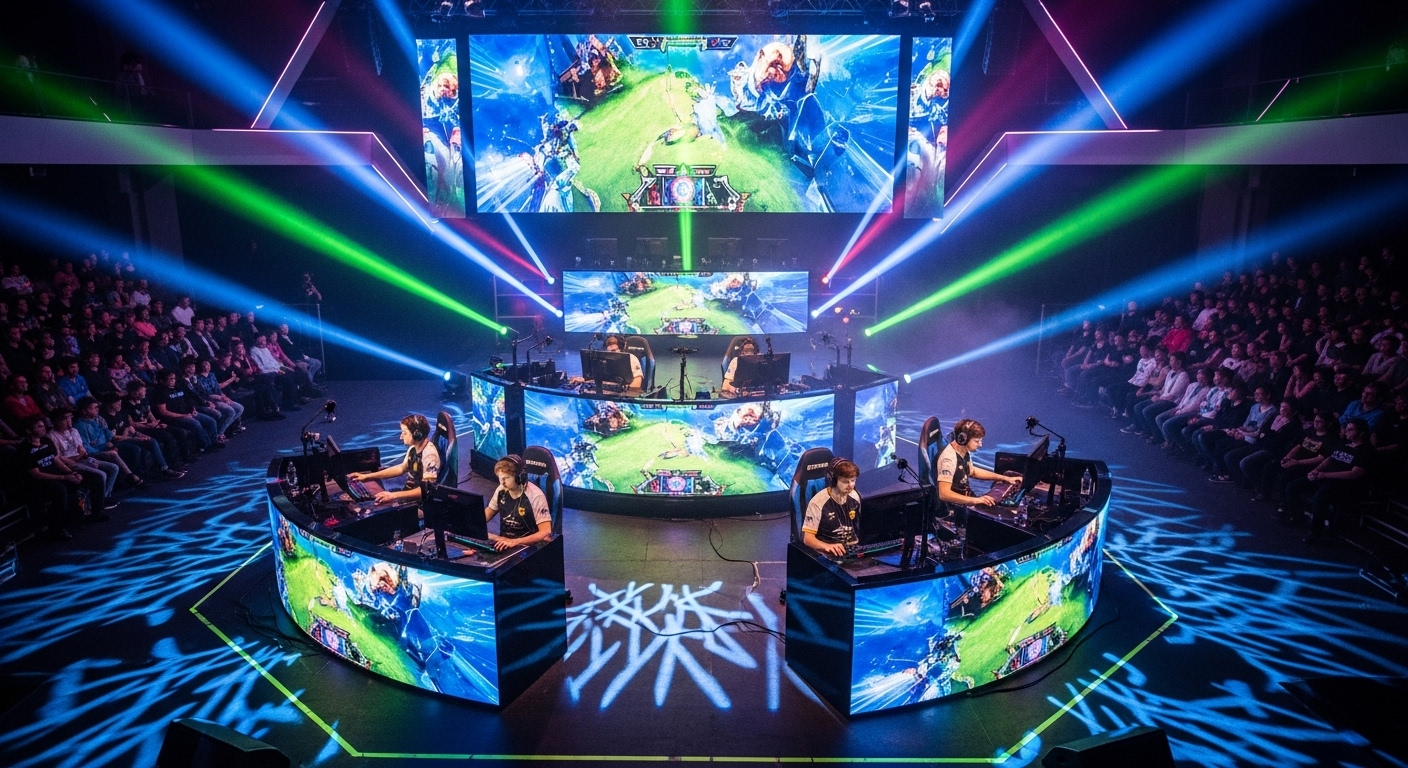
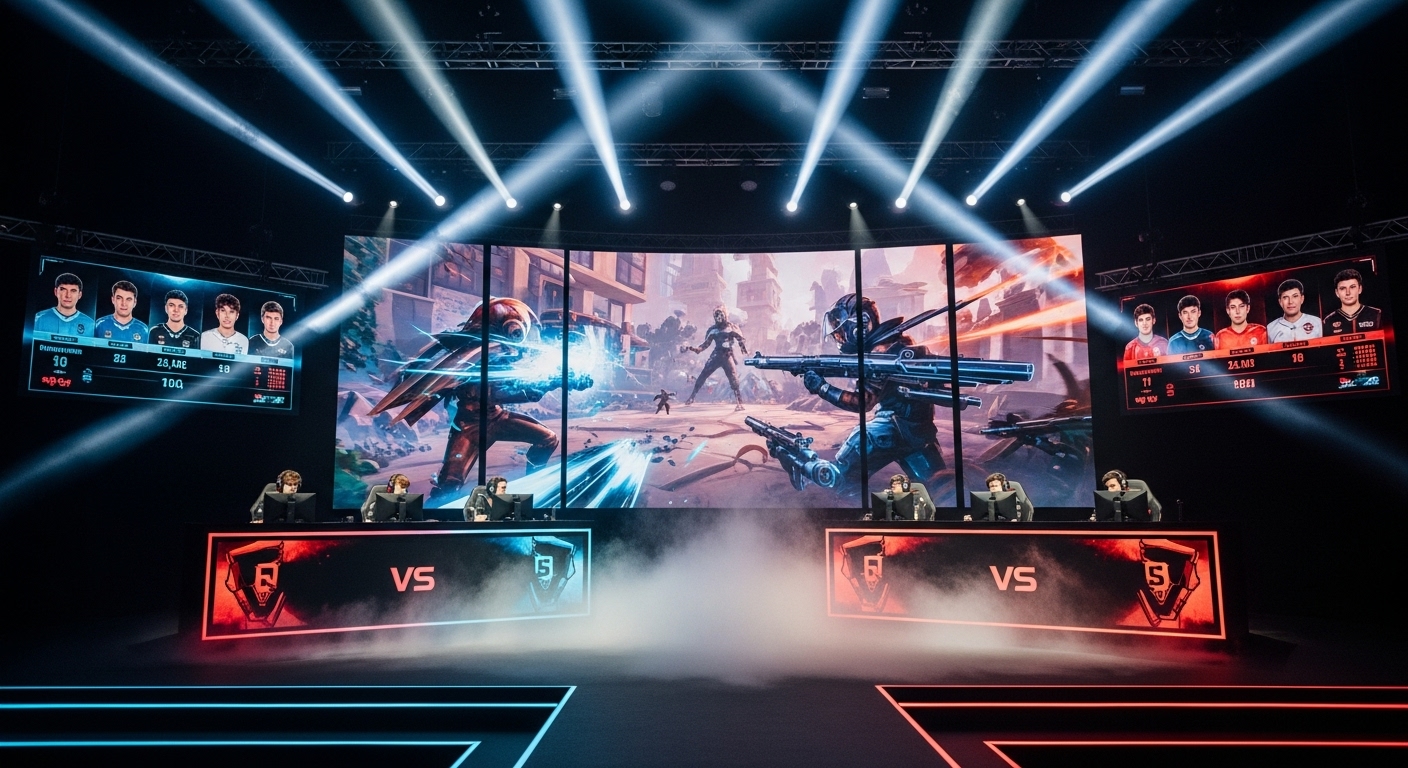
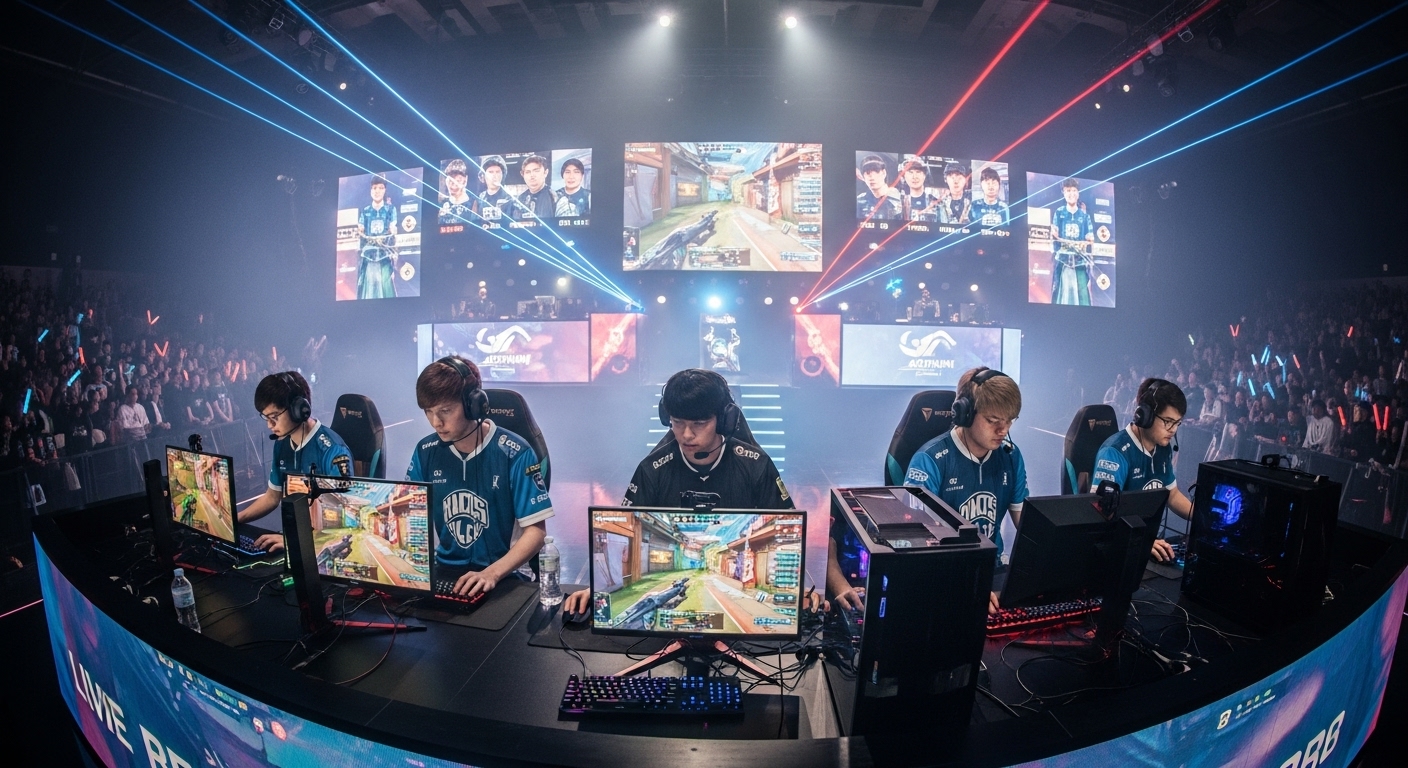
Esports, or electronic sports, has evolved from a niche hobby into a global phenomenon, reshaping the landscape of competitive entertainment. What started as small gatherings of gamers competing for pride and modest prizes has now become a billion-dollar industry with professional leagues, sponsorships, and dedicated fan bases. The growth of esports reflects broader trends in technology, media, and culture, as digital connectivity allows players from around the world to compete in real-time and audiences to engage in immersive, interactive ways.
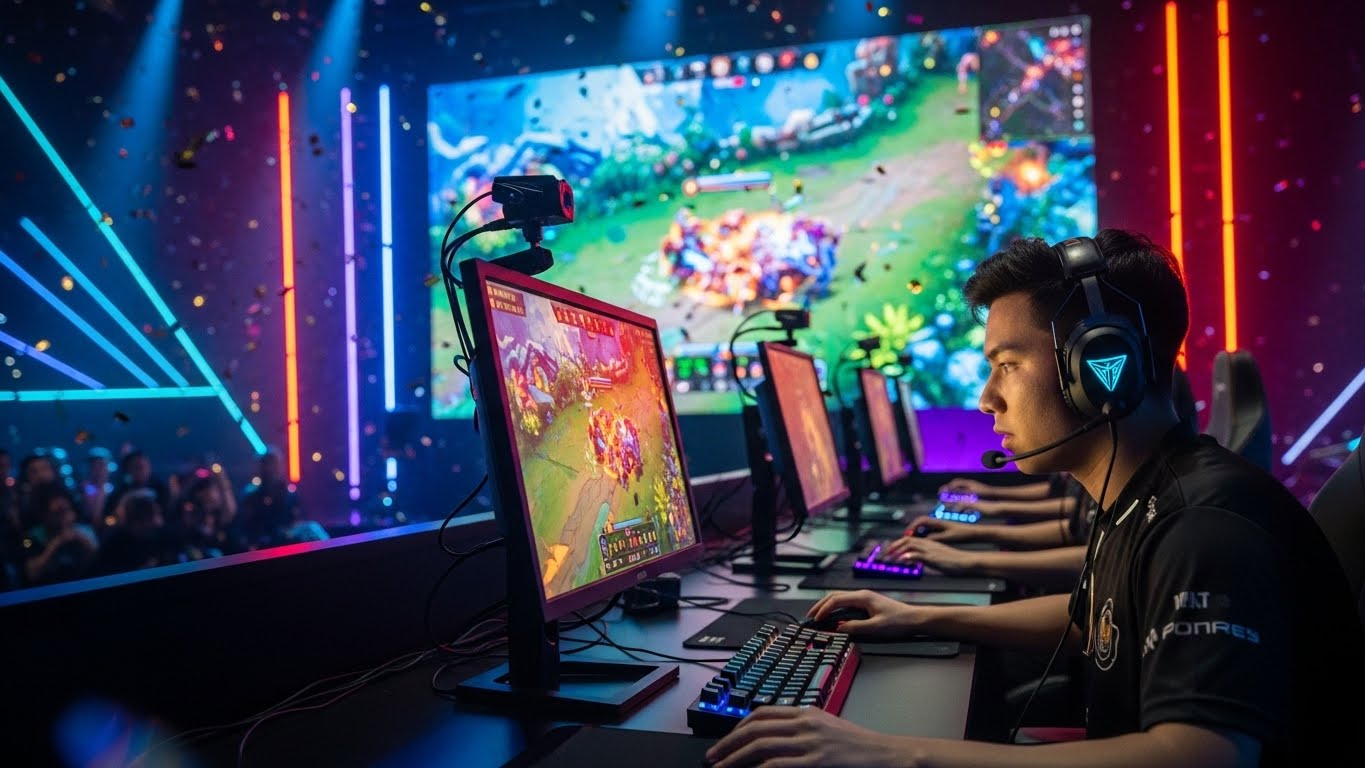
The essence of esports lies not just in playing games but in strategic thinking, teamwork, and individual skill. Popular titles like League of Legends, Dota 2, Counter-Strike: Global Offensive, and Fortnite are now more than just games; they are platforms for competition, social interaction, and entertainment. As the industry continues to expand, it challenges traditional notions of sports and entertainment, opening new avenues for careers, technological innovation, and cultural influence.
The Evolution of Esports: From Arcades to Global Arenas
The history of esports dates back several decades, starting with local arcade tournaments and early computer game competitions in the 1980s and 1990s. Games like Pac-Man, Street Fighter, and StarCraft laid the groundwork for competitive gaming, drawing passionate communities eager to showcase their skills. However, it wasn’t until the rise of high-speed internet and streaming platforms in the early 2000s that esports truly began to scale.
Online multiplayer games created opportunities for players to compete across continents, and platforms like Twitch and YouTube Gaming allowed fans to watch and learn from their favorite players. With professional teams forming and sponsorship deals emerging, esports transformed from casual entertainment into a structured industry. Today, international tournaments fill stadiums and attract millions of viewers online, rivaling traditional sports in terms of audience and cultural impact.
Popular Esports Games and Genres
Esports encompasses a wide range of game genres, each requiring distinct skills, strategies, and teamwork. Multiplayer Online Battle Arena (MOBA) games such as League of Legends and Dota 2 are among the most popular, requiring players to coordinate tactics, control characters with unique abilities, and execute precise timing. First-Person Shooter (FPS) games like Counter-Strike: Global Offensive and Call of Duty focus on reflexes, accuracy, and tactical decision-making.
Other genres gaining traction include Battle Royale games, Real-Time Strategy (RTS) games, and sports simulations like FIFA and NBA 2K. Each game attracts a different community and fan base, but all share the core elements of competition, skill development, and audience engagement. Understanding these genres highlights the diversity within esports and explains why it appeals to a broad range of players and viewers.
The Economics of Esports: Revenue Streams and Sponsorships
One of the driving forces behind the rapid growth of esports is its financial ecosystem. Revenue in esports comes from several sources, including tournament prize pools, advertising, sponsorships, merchandise sales, and streaming platforms. Major tournaments often feature multi-million-dollar prize pools, attracting the best players from around the world. Sponsorships from tech companies, beverage brands, and lifestyle products contribute significantly, enabling teams to operate professionally and players to pursue esports as a full-time career.
Streaming platforms also generate revenue through subscriptions, donations, and advertising. Content creators and professional players can monetize their expertise while building personal brands. Additionally, esports has influenced other industries such as gaming hardware, apparel, and even tourism, with cities hosting international tournaments drawing fans from across the globe.
The Role of Technology in Esports Growth
Technology has been the backbone of esports growth. High-speed internet, advanced gaming hardware, and sophisticated software enable seamless gameplay, high-definition streaming, and real-time analytics. Innovations such as virtual reality, augmented reality, and AI-driven training tools are poised to transform esports further, offering players immersive experiences and enhancing audience engagement.
Streaming technology has also revolutionized how fans consume esports. Interactive features like live chat, real-time statistics, and viewer polls create an environment where audiences actively participate rather than passively watch. The integration of social media amplifies reach, allowing fans to follow players, teams, and tournaments, fostering a global community around esports.
Esports as a Career Path
Esports is no longer just a hobby; it is a viable career option. Professional players, coaches, analysts, streamers, and content creators can build sustainable careers in the industry. Success in esports requires dedication, rigorous practice, strategic thinking, and the ability to perform under pressure.
Beyond playing, the industry offers careers in management, marketing, event organization, game development, and broadcasting. Universities and institutions are even offering scholarships and courses in esports, recognizing the growing demand for talent in this digital sport. As esports continues to gain legitimacy, its career prospects become more structured and attractive, making it a realistic goal for passionate gamers.
The Cultural Impact of Esports
Esports has a profound cultural impact, shaping the way people perceive gaming, competition, and entertainment. It has blurred the lines between traditional sports and digital competition, creating a new kind of fandom that spans continents. The rise of esports celebrities has also contributed to mainstream recognition, with professional players and streamers becoming influencers, role models, and entrepreneurs.
Moreover, esports promotes inclusivity and diversity, providing opportunities for individuals regardless of age, gender, or physical ability. Online communities foster collaboration, creativity, and social interaction, allowing fans to connect over shared interests. As esports continues to grow, it will likely influence broader cultural trends, from fashion and music to media consumption habits and lifestyle choices.
Challenges Facing the Esports Industry
Despite its rapid growth, esports faces several challenges. One major concern is the lack of standardized regulations and governance. Unlike traditional sports, esports operates across multiple games, platforms, and regions, making it difficult to enforce consistent rules, anti-cheating measures, and player contracts.
Player burnout is another significant issue. The intense schedules, high pressure, and long hours required to remain competitive can impact mental and physical health. Additionally, the industry faces challenges related to inclusivity, with gender and regional disparities still present in many competitive circuits. Addressing these challenges will be crucial to ensuring sustainable growth and maintaining the legitimacy of esports as a professional field.
The Future of Esports
The future of esports looks bright and multifaceted. Continued technological innovation, expanding global audiences, and increasing mainstream recognition will drive the industry forward. Mobile esports is expected to grow significantly, making competitive gaming accessible to even more players worldwide.
Esports may also integrate more closely with traditional sports, with hybrid tournaments and collaborations between leagues. Educational programs and professional training will become more sophisticated, preparing the next generation of esports professionals. As the industry matures, esports has the potential to redefine the boundaries of entertainment, competition, and digital culture.
Conclusion: Esports as a Global Phenomenon
Esports has emerged as a powerful cultural and economic force, transforming how people play, watch, and engage with games. Its growth reflects a convergence of technology, talent, and community, creating a dynamic ecosystem that rivals traditional sports in both scale and impact. From professional players and teams to fans and content creators, esports represents a vibrant global community united by competition, passion, and innovation.
As technology continues to evolve and audiences expand, esports will likely become an even more integral part of entertainment, education, and professional opportunities. Its rise underscores the potential of digital platforms to reshape culture and create new avenues for connection, creativity, and achievement. The digital arena of esports is no longer a niche; it is a mainstream spectacle that continues to redefine the meaning of competition in the 21st century.