Introduction: The Dawn of a New Competitive Era
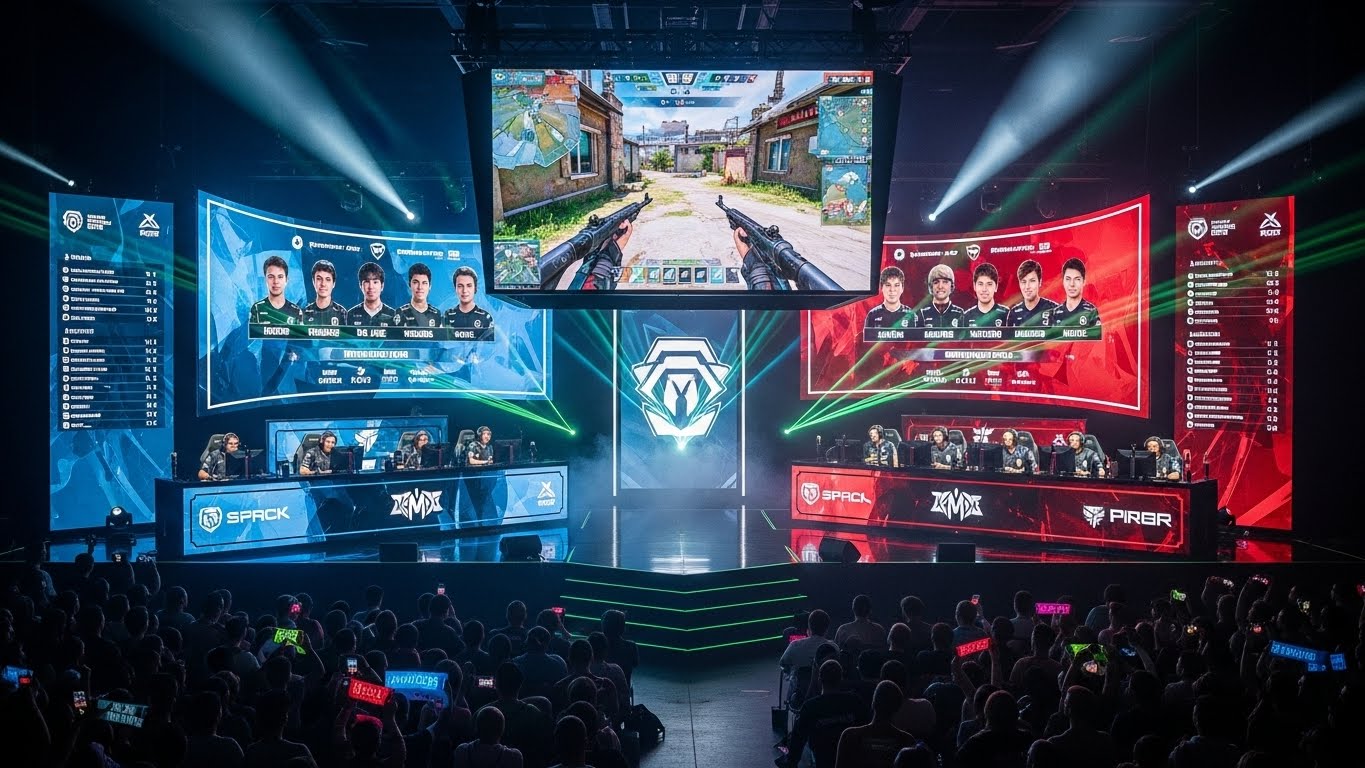
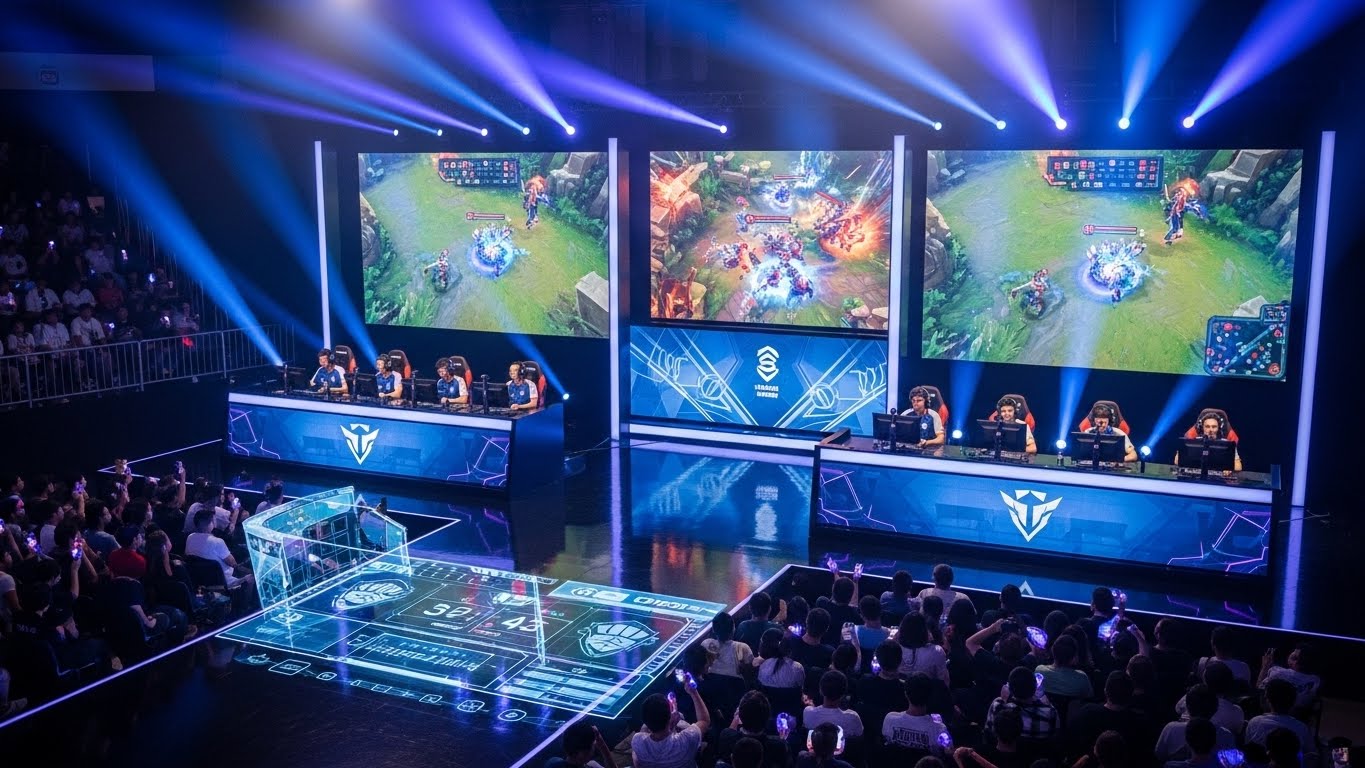
In the past two decades, the world of competitive gaming has evolved from niche hobbyist communities into a global phenomenon known as esports. Short for electronic sports, esports involves organized, multiplayer video game competitions, often featuring professional players and massive audiences. What was once considered a pastime for enthusiasts has transformed into a billion-dollar industry with dedicated athletes, sponsorships, and stadium-filling tournaments. The rise of esports signifies a cultural shift in entertainment, where digital prowess is celebrated with the same intensity as traditional sports. This blog post delves into the growth of esports, its social and economic impact, and the future of this digital arena.
The Evolution of Esports: From Basements to Stadiums
The origins of esports can be traced back to the 1970s and 1980s when video games became widely accessible. Early competitions were informal and small-scale, often taking place in arcades or university campuses. Games like Space Invaders, Pac-Man, and Street Fighter laid the foundation for competitive gaming culture. The 1990s introduced networked gaming, allowing players to compete remotely via local area networks (LANs), bringing a new level of organization and competition.
The real surge in esports began in the early 2000s with the rise of games like StarCraft, Counter-Strike, and Warcraft III. South Korea played a significant role in professionalizing esports during this period, establishing training facilities, televised tournaments, and professional leagues. This era marked the transition of esports from casual hobby to recognized sport, attracting sponsorships and media attention. Today, esports tournaments such as The International, League of Legends World Championship, and Fortnite World Cup draw millions of viewers online and in stadiums, rivaling traditional sports events in popularity.
Popular Esports Games and Their Competitive Scenes
Esports covers a wide variety of game genres, each with unique competitive dynamics. Multiplayer online battle arena (MOBA) games like League of Legends and Dota 2 emphasize strategy, teamwork, and fast decision-making. First-person shooters (FPS) such as Counter-Strike: Global Offensive and Call of Duty require precision, reflexes, and tactical awareness. Battle royale games like Fortnite and PUBG blend survival instincts with strategy in large-scale matches.
Sports simulation games, including FIFA and NBA 2K, replicate real-world sports competition and attract fans from traditional athletic communities. Each game fosters its own professional ecosystem, with dedicated leagues, professional teams, and player contracts. These diverse genres ensure that esports has broad appeal, attracting fans with varied interests and skill levels.
The Rise of Professional Players: The New Generation of Athletes
Professional esports players, often referred to as “pro gamers,” undergo rigorous training schedules comparable to those of traditional athletes. Daily practice sessions, strategy discussions, physical conditioning, and mental coaching are integral to their routines. Pro gamers not only need exceptional reflexes and in-game knowledge but also the ability to perform under pressure during high-stakes competitions.
Many players start in amateur circuits or online ladders, gradually building recognition and securing contracts with professional teams. Sponsorship deals, streaming revenue, and tournament winnings form the backbone of their careers. Esports stars such as Faker, Ninja, and s1mple have become household names, influencing a generation of aspiring gamers and reshaping how society perceives competitive gaming.
The Economic Impact of Esports
Esports has grown into a multi-billion-dollar industry, impacting various sectors including media, marketing, technology, and tourism. Tournament prize pools, team salaries, and sponsorship deals contribute significantly to the global economy. Corporate sponsors ranging from energy drink brands to tech giants invest heavily in esports to target younger, digitally native audiences.
Streaming platforms and content creators further drive revenue, creating a dynamic ecosystem that blends entertainment, commerce, and competition. Major tournaments attract thousands of attendees and millions of online viewers, boosting local economies and promoting esports tourism. Additionally, esports infrastructure, such as arenas, training facilities, and broadcasting studios, creates jobs and supports technological innovation in gaming and live-streaming platforms.
Esports and the Rise of Streaming Culture
Streaming platforms like Twitch, YouTube Gaming, and Facebook Gaming have played a pivotal role in esports growth. They provide a direct connection between players and audiences, allowing fans to watch live matches, interact with players, and participate in gaming communities. Streamers often combine gameplay with personal commentary, creating engaging content that blurs the line between competitive play and entertainment.
The popularity of streaming has also made esports more accessible. Fans no longer need to attend live events to witness high-level gameplay, and aspiring players can learn from professional matches in real-time. The integration of streaming into esports has democratized the industry, providing opportunities for smaller teams and individual content creators to gain recognition and build careers.
Social Impact: Communities, Inclusion, and Collaboration
Esports is more than just competition; it fosters vibrant communities where players and fans connect over shared interests. Online forums, social media groups, and in-game guilds encourage collaboration, communication, and friendship. Esports also promotes inclusivity, with female gamers, differently-abled players, and international participants finding spaces to compete and excel.
However, the social landscape of esports also presents challenges. Issues such as toxicity, harassment, and mental health pressures are significant concerns. Organizations are increasingly implementing codes of conduct, wellness programs, and support systems to ensure that esports communities remain safe and positive. Despite these challenges, esports continues to create opportunities for social interaction and cultural exchange on a global scale.
The Role of Technology in Esports Advancement
Technological innovation is at the heart of esports growth. High-performance gaming hardware, fast internet connectivity, and advanced software tools allow for precise gameplay and immersive experiences. Virtual reality and augmented reality technologies are beginning to shape the next generation of competitive gaming, offering novel ways to engage with games and audiences.
Artificial intelligence and data analytics also play a crucial role. Teams use performance metrics, opponent analysis, and predictive modeling to gain competitive advantages. Technology not only enhances gameplay but also improves spectator experiences, providing interactive features, real-time statistics, and dynamic broadcasts.
Education and Career Opportunities in Esports
The rise of esports has created new educational pathways and career opportunities. Universities now offer degrees in esports management, game design, and digital media, preparing students for careers in competitive gaming, event management, and content creation. Careers in esports extend beyond playing professionally and include coaching, broadcasting, marketing, and technical support.
Esports is also influencing traditional education by promoting skills such as strategic thinking, teamwork, problem-solving, and digital literacy. These transferable skills are increasingly valued in broader job markets, demonstrating that esports participation can be both recreational and professionally enriching.
Challenges and Controversies
Despite its growth, esports faces several challenges. The industry is highly competitive, with careers often being short-lived due to burnout, performance pressure, and evolving game meta. Regulatory frameworks are still developing, and issues such as match-fixing, doping, and intellectual property disputes occasionally arise.
Moreover, accessibility remains a concern. High-end gaming equipment and stable internet connections are prerequisites for competitive play, potentially limiting participation in certain regions. Addressing these challenges is crucial for the long-term sustainability and legitimacy of esports as a professional pursuit.
The Future of Esports: Beyond Competition
Looking ahead, esports is poised to become an even more integral part of global culture. Innovations in gaming technology, increased mainstream recognition, and expanding international participation are likely to drive continued growth. Collaborations between esports and traditional sports, virtual entertainment, and media industries could redefine how audiences engage with competitions.
Esports may also evolve into hybrid experiences, blending virtual competition with physical events and interactive fan participation. As the line between digital and real-world experiences continues to blur, esports will likely influence broader entertainment, education, and social landscapes.
Conclusion: Embracing the Digital Arena
Esports represents a convergence of technology, competition, and culture. It has transformed how people play, watch, and interact with games, creating new career paths, communities, and entertainment experiences. From humble beginnings in arcades to global tournaments watched by millions, esports continues to push the boundaries of what it means to be a competitive athlete in the digital age. Its rise reflects not only the power of gaming but also humanity’s enduring desire to compete, collaborate, and connect. As esports continues to grow, it will undoubtedly leave a lasting impact on the way we experience sports, technology, and culture.