Introduction: The Digital Sporting Phenomenon
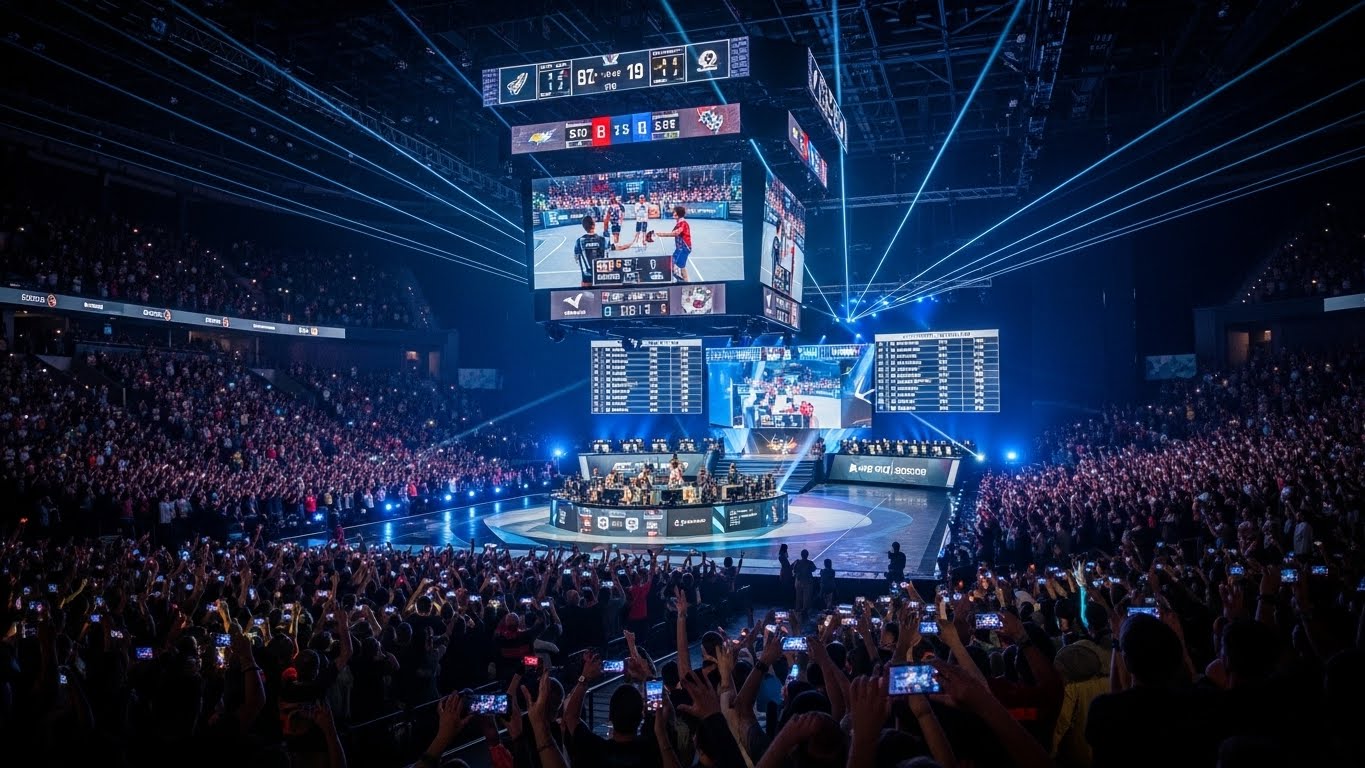
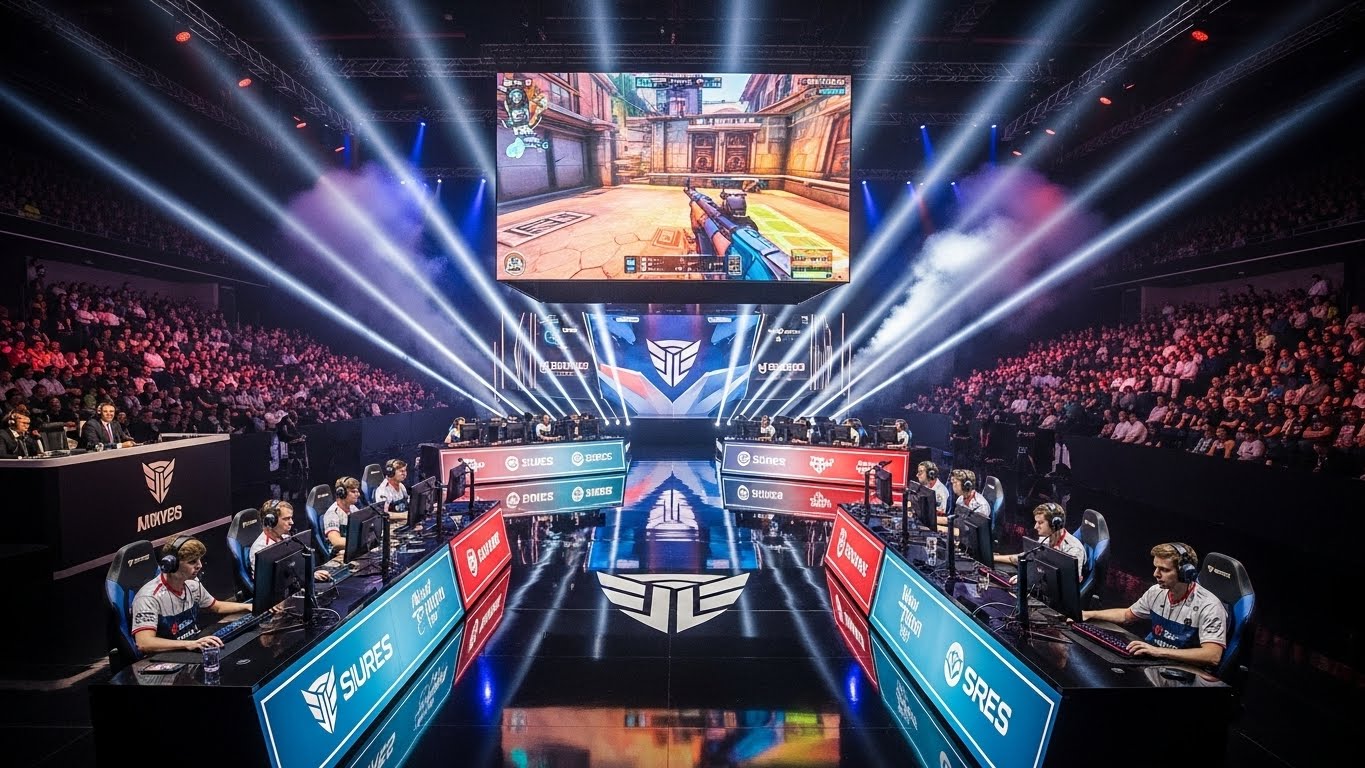
In recent years, esports has transformed from a niche hobby into a global entertainment powerhouse. Millions of fans around the world now follow competitive video gaming with the same passion that traditional sports fans dedicate to football, basketball, or tennis. What sets esports apart is its combination of skill, strategy, teamwork, and digital innovation. Players are not only competing against each other but also performing for massive audiences, both online and in stadiums. As technology advances, esports continues to redefine how people perceive gaming, entertainment, and competition in the digital age.
The Origins of Esports
Esports did not emerge overnight. Its roots trace back to the 1970s and 1980s, when video games gained popularity in arcades and on early home consoles. Initial competitions were small gatherings, often informal contests where players tested their skills in games like Pong or Space Invaders. By the 1990s, competitive gaming became more structured, with titles like Street Fighter, StarCraft, and Quake developing dedicated competitive communities. The expansion of the internet played a pivotal role in the growth of esports, allowing players to compete remotely and participate in organized tournaments. The early 2000s marked a turning point as games like Counter-Strike and Warcraft III established professional leagues, attracting both players and spectators.
Major Esports Genres
Esports today spans multiple genres, each with unique gameplay, strategies, and audiences. Multiplayer Online Battle Arenas, or MOBAs, such as League of Legends and Dota 2, require intense teamwork, strategy, and knowledge of complex game mechanics. First-Person Shooters, including Counter-Strike: Global Offensive and Call of Duty, focus on precision, reflexes, and tactical coordination. Battle Royale games like Fortnite and Apex Legends mix survival strategies with competitive action, appealing to younger audiences and streaming communities. Fighting games and sports simulations maintain loyal competitive scenes, while real-time strategy games continue to challenge tactical thinking. This variety ensures that esports caters to diverse gaming tastes and keeps audiences engaged worldwide.
The Role of Streaming and Social Media
The growth of esports is closely linked to the rise of streaming platforms and social media. Services that allow gamers to broadcast matches live to millions of viewers have transformed competitive gaming into a spectator sport. Fans can watch tournaments, follow their favorite players, and engage with gaming communities in real-time. Social media amplifies this effect by promoting events, sharing highlights, and creating conversations around esports. Together, streaming and social platforms have turned competitive gaming into a global phenomenon, bridging the gap between players and fans, and creating new ways for audiences to experience the excitement of esports.
Professional Players and Their Dedication
Professional esports players are more than just gamers; they are athletes in every sense. Many train for several hours a day, following strict routines to maintain peak performance. Players work in teams under the guidance of coaches, analysts, and support staff, refining their strategies and skills. Salaries, sponsorships, and tournament winnings make professional esports a viable career. Successful players also cultivate personal brands through social media, engaging with fans and building followings that rival traditional sports stars. This combination of skill, discipline, and public presence has elevated esports players to celebrity status, inspiring millions of aspiring gamers worldwide.
Tournaments and Competitive Events
Tournaments are at the heart of esports, providing platforms for players and teams to demonstrate their abilities. Competitions range from small online events to massive international championships with audiences in the tens of thousands. High-profile tournaments, such as The International for Dota 2, the League of Legends World Championship, and the Fortnite World Cup, feature multi-million-dollar prize pools, attracting global attention. These events combine entertainment, spectacle, and intense competition, often with live commentary, professional production, and fan interactions. Tournaments showcase the strategic depth and skill of esports while cementing its status as a professional sport.
Economic Impact of Esports
Esports is a billion-dollar industry influencing multiple sectors of the economy. Teams, game developers, tournament organizers, and streaming platforms all contribute to its growth. Sponsorships and advertising play a significant role, with brands eager to reach the engaged and tech-savvy esports audience. Merchandise sales, ticket revenue, and media rights further fuel the industry’s expansion. Beyond direct economic benefits, esports has also spurred growth in gaming hardware, software development, and digital marketing. The rapid rise of esports demonstrates that competitive gaming is not only entertainment but also a major economic driver with a global reach.
Esports in Education and Career Development
Esports is increasingly recognized in academic settings as well. Schools and universities around the world offer esports programs, scholarships, and specialized courses that teach strategy, teamwork, and digital skills. These programs equip students with skills applicable in professional settings, including leadership, problem-solving, and communication. Career opportunities extend beyond professional play to include coaching, event management, broadcasting, marketing, and game development. Esports has created a dynamic career ecosystem, enabling individuals to turn their passion for gaming into sustainable professional opportunities.
Challenges Facing Esports
Despite its rapid growth, esports faces significant challenges. Maintaining competitive integrity is crucial, as cheating, hacking, and match-fixing can damage the industry’s credibility. Mental health is also a concern, with players experiencing stress, burnout, and the pressures of public scrutiny. The lack of standardized rules and regulations across different games and leagues creates inconsistencies in contracts, tournaments, and disciplinary measures. Additionally, some still question whether esports qualifies as a “real sport,” which can impact recognition in traditional athletic contexts. Addressing these challenges is essential for the long-term sustainability and legitimacy of the industry.
Technological Innovations Shaping Esports
Advancements in technology continue to drive esports forward. Virtual reality and augmented reality are opening new possibilities for immersive competition, while cloud gaming is making esports more accessible to players worldwide. Artificial intelligence is being used to analyze gameplay, develop training programs, and enhance the viewing experience. These innovations are not only expanding how esports is played but also how it is consumed, offering audiences more interactive and engaging ways to experience competitive gaming.
The Global Impact of Esports
Esports has become a global cultural phenomenon, influencing entertainment, media, and even traditional sports. Its popularity spans continents, with strong esports communities in Asia, Europe, and North America. International tournaments foster cultural exchange and collaboration among players and fans. Corporate sponsorships, celebrity endorsements, and media coverage have made esports mainstream, demonstrating that competitive gaming resonates with diverse audiences. Esports has also inspired creative content such as documentaries, web series, and live shows, further cementing its role in contemporary culture.
The Future of Esports
The future of esports is full of potential. As technology continues to evolve, competitions will become more immersive, interactive, and widely accessible. Emerging markets and growing audiences will fuel global expansion, while collaborations between traditional sports organizations and esports teams will bridge the gap between digital and physical competition. Esports will continue to influence entertainment, education, and the economy, shaping the way people play, watch, and engage with games. Its trajectory suggests that esports will remain a dominant force in digital culture for decades to come.
Conclusion: Esports as a Cultural and Professional Force
Esports has evolved from small gaming gatherings to a global industry that combines entertainment, competition, and professional opportunity. Players, teams, and tournaments have established competitive gaming as a legitimate sport, attracting millions of fans and significant investment. The industry continues to innovate and expand, driven by technology, streaming, and the passion of both players and audiences. Esports is more than just a form of recreation; it is a cultural movement that is redefining entertainment, career possibilities, and the very notion of sport in the digital era. As esports continues to grow, it will shape the future of gaming and influence how generations of players and fans interact with digital entertainment.