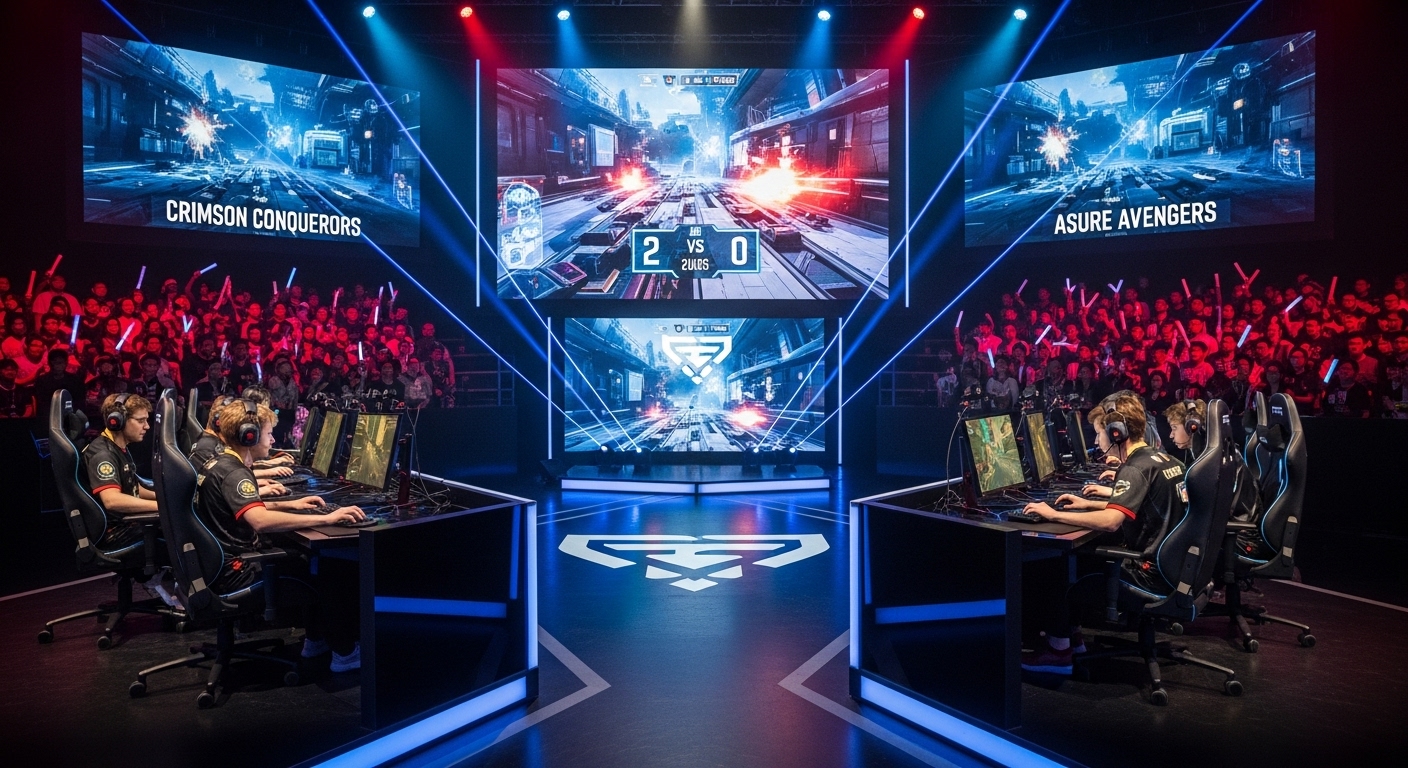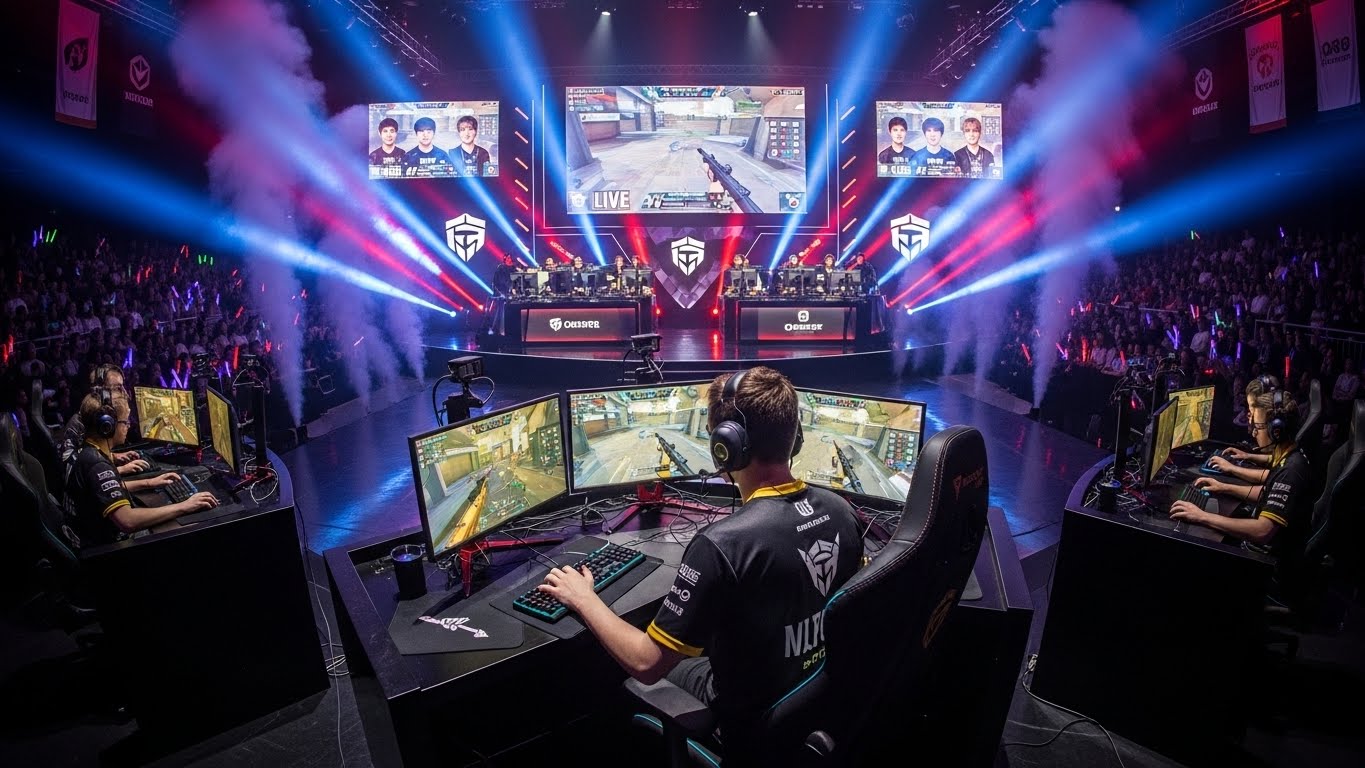

Esports, or electronic sports, has rapidly evolved from a niche pastime to a global phenomenon. Once a hobby for a small community of gamers, esports now commands millions of fans worldwide, with professional tournaments, sponsorships, and streaming platforms making it a major industry. What began as a small-scale activity is now a multi-billion-dollar market, attracting not only passionate gamers but also investors, major brands, and traditional sports organizations. In this blog post, we will explore the growth of esports, its impact on the gaming industry, and why it has captured the attention of so many people worldwide.
The Evolution of Esports: From Arcade to Global Arena
Esports traces its origins back to the early days of video gaming. In the 1980s and 1990s, competitive gaming began to emerge in the form of arcade tournaments, where players would compete for high scores in games like “Pac-Man” and “Space Invaders.” The first major event that can be considered a precursor to modern esports was the “Red Annihilation” tournament in 1997, which featured the popular game “Quake.”
As the internet grew in popularity in the late 1990s and early 2000s, online multiplayer games like “StarCraft” and “Counter-Strike” created new opportunities for competitive play. Gamers could now face off against opponents from around the world, opening the door for global tournaments and league systems. By the mid-2000s, professional gaming organizations began to form, and the first dedicated esports events, like the World Cyber Games and Major League Gaming (MLG) tournaments, were established.
Fast forward to today, and esports has evolved into a highly professionalized and monetized industry. Esports tournaments now attract massive audiences, with millions of viewers tuning in to watch events such as the “League of Legends” World Championship or “The International” for Dota 2. Esports teams have signed sponsorships with global brands, and players can earn substantial salaries through tournament winnings, sponsorships, and streaming.
The Growth of Esports: A Billion-Dollar Industry
The meteoric rise of esports has turned it into a multi-billion-dollar industry. According to recent reports, the global esports market was valued at over $1 billion in 2020, and it is expected to continue growing in the coming years. This growth is driven by several factors, including the increasing popularity of gaming among all age groups, advancements in technology, and the rise of streaming platforms like Twitch and YouTube.
One of the key factors behind esports’ rapid growth is the widespread adoption of high-speed internet and powerful gaming consoles and PCs. With more people able to access the tools required to play and watch esports, the global audience for these events has skyrocketed. In addition, the increasing availability of esports content on streaming platforms has helped raise the profile of competitive gaming. Esports events, which are often broadcast live online, now draw millions of viewers from around the world, creating a sense of global community.
The financial impact of esports is also significant. Major sponsors, including tech giants, beverage companies, and even traditional sports organizations, have invested heavily in esports. These sponsorships fund everything from tournament prize pools to team salaries. Additionally, streaming platforms like Twitch and YouTube offer gamers and organizations the opportunity to generate revenue through advertising, subscriptions, and merchandise sales.
Esports as a Career Path
What was once a hobby for many is now a legitimate career for professional gamers. The rise of esports has created new job opportunities in areas ranging from game development to event management. Professional players, often referred to as “pro gamers,” compete in high-stakes tournaments for substantial cash prizes, sponsorship deals, and even endorsement contracts.
The life of a pro gamer is not as glamorous as some might imagine, though. Like traditional athletes, professional gamers train for hours every day to perfect their skills, studying game mechanics, refining strategies, and practicing in scrims (practice matches). The competition is fierce, and only the best players can make a living from esports. However, for those who succeed, the rewards are immense. Esports champions can earn millions of dollars in prize money, and some players have even gone on to launch their own teams or become influencers in the gaming community.
Esports has also opened up new career opportunities for individuals in roles such as coaching, analytics, content creation, and broadcasting. Teams now employ coaches and analysts to help players improve their gameplay and develop strategies, much like in traditional sports. Broadcasters, commentators, and streamers have become celebrities in their own right, with massive followings on platforms like Twitch and YouTube.
Esports and the Digital Age: The Role of Streaming Platforms
A crucial factor in the rise of esports is the role of streaming platforms. Websites like Twitch, YouTube Gaming, and Facebook Gaming have made it easier than ever for players and fans to connect in real-time. These platforms allow gamers to stream their gameplay live, interact with viewers via chat, and build a fanbase. Some streamers have even turned their gaming channels into full-time careers, earning revenue from ads, sponsorships, and donations from fans.
The popularity of streaming platforms has also made it possible for esports tournaments to reach a global audience. Rather than relying on television broadcasts or physical attendance, fans can now watch their favorite players and teams compete in high-definition, live-streamed events. This accessibility has expanded the audience for esports exponentially. Events that were once limited to local or regional spectators can now attract viewers from around the world.
Moreover, the interaction between streamers and their audiences has created a new dynamic in entertainment. Viewers can communicate directly with streamers, ask questions, and participate in live discussions. This sense of community has fostered the growth of esports, as fans feel personally connected to the players and teams they support.
The Cultural Impact of Esports
Esports has become an integral part of modern pop culture, influencing everything from music and fashion to television and film. As esports continues to grow, it has started to overlap with mainstream entertainment. Popular music artists collaborate with esports brands for special events, and esports competitions are even held in iconic venues such as Madison Square Garden in New York City.
The increasing visibility of esports has also led to its inclusion in traditional media outlets. Major sports networks, like ESPN and Fox Sports, have started airing esports events, treating them with the same respect as traditional sports. This mainstream recognition has helped solidify esports’ place in the cultural zeitgeist.
Another area where esports has made an impact is in education. Some universities have begun offering scholarships for esports players, recognizing the skill, dedication, and teamwork required to succeed in competitive gaming. Esports has even found a place in academic programs, with some schools offering degrees in game design, digital media, and esports management. The combination of gaming, education, and professional opportunities is helping shape the future of esports and its place in society.
Esports and the Future: Expanding Reach and Innovation
The future of esports looks incredibly bright. As technology continues to advance, the gaming experience is becoming more immersive, with virtual reality (VR) and augmented reality (AR) offering new ways to interact with games. This innovation will likely bring even more excitement and engagement to esports competitions.
One area of potential growth for esports is in mobile gaming. With the increasing power of smartphones and tablets, mobile esports has gained traction, especially in regions like Asia. Games like “PUBG Mobile” and “Arena of Valor” have become popular in mobile esports tournaments, attracting huge audiences and lucrative sponsorship deals. Mobile gaming is expected to continue to grow, further expanding the reach of esports.
Another exciting development is the integration of esports with traditional sports. Major sports organizations like the NBA and NFL have launched their own esports leagues, creating opportunities for cross-industry collaboration. This partnership between traditional sports and esports could open up new avenues for growth and further solidify esports’ place in the mainstream.
Conclusion: The Global Phenomenon of Esports
Esports has undeniably transformed the gaming landscape, becoming a global industry with millions of fans, players, and viewers. From its humble beginnings in arcade gaming to its rise as a billion-dollar market, esports has proven that it is more than just a passing trend. With professional careers, massive events, and the power of streaming platforms, esports is here to stay.
As technology continues to advance and new gaming platforms emerge, esports will continue to evolve. Its cultural impact, growing mainstream recognition, and expanding reach suggest that esports will only become more influential in the years to come. Whether you are a gamer, a fan, or a newcomer to the world of esports, there’s no denying that this digital revolution has only just begun.