
Introduction to the Esports Revolution
Esports, once a niche interest whispered about in online forums and gaming communities, has rapidly evolved into one of the world’s most influential entertainment and sporting industries. What began as small local competitions has grown into massive global tournaments filling stadiums, drawing millions of viewers online, and generating revenue figures comparable to traditional sports. The rise of esports is not just a story about video games; it is a story about culture, technology, competition, and the transformation of entertainment itself. As digital platforms continue to expand and young audiences shift their attention from television to online streaming, esports has emerged as a dominant force shaping the future of global sports.
The Early Days of Competitive Gaming
Before esports became a worldwide sensation, competitive gaming existed in simple forms. Early tournaments were organized by small communities who shared a passion for games like arcade classics and early PC titles. These events were grassroots, self-organized, and often took place in small venues such as gaming cafés or arcades. There were no big sponsors, no celebrity players, and certainly no million-dollar prize pools. Yet the foundation of esports was built on the excitement and camaraderie these competitions inspired. Players gathered not only to showcase their skills but to be part of a community that understood the thrill of victory and the agony of defeat in a virtual world.
The Role of Technology in Esports Growth
Technology has been the single greatest accelerator of the esports industry. High-speed internet, powerful gaming hardware, and advanced streaming platforms have all contributed to making esports globally accessible. Improved graphics, faster processors, and more immersive gameplay have raised the skill ceiling, transforming gaming into a discipline where mastery requires strategy, precision, and hours of training. Streaming platforms have allowed players from any country to compete, practice, and connect with fans in real time. The combination of performance hardware and worldwide connectivity created the perfect ecosystem for esports to flourish, turning it into a professional pursuit rather than just a hobby.
Esports as a Legitimate Sporting Discipline
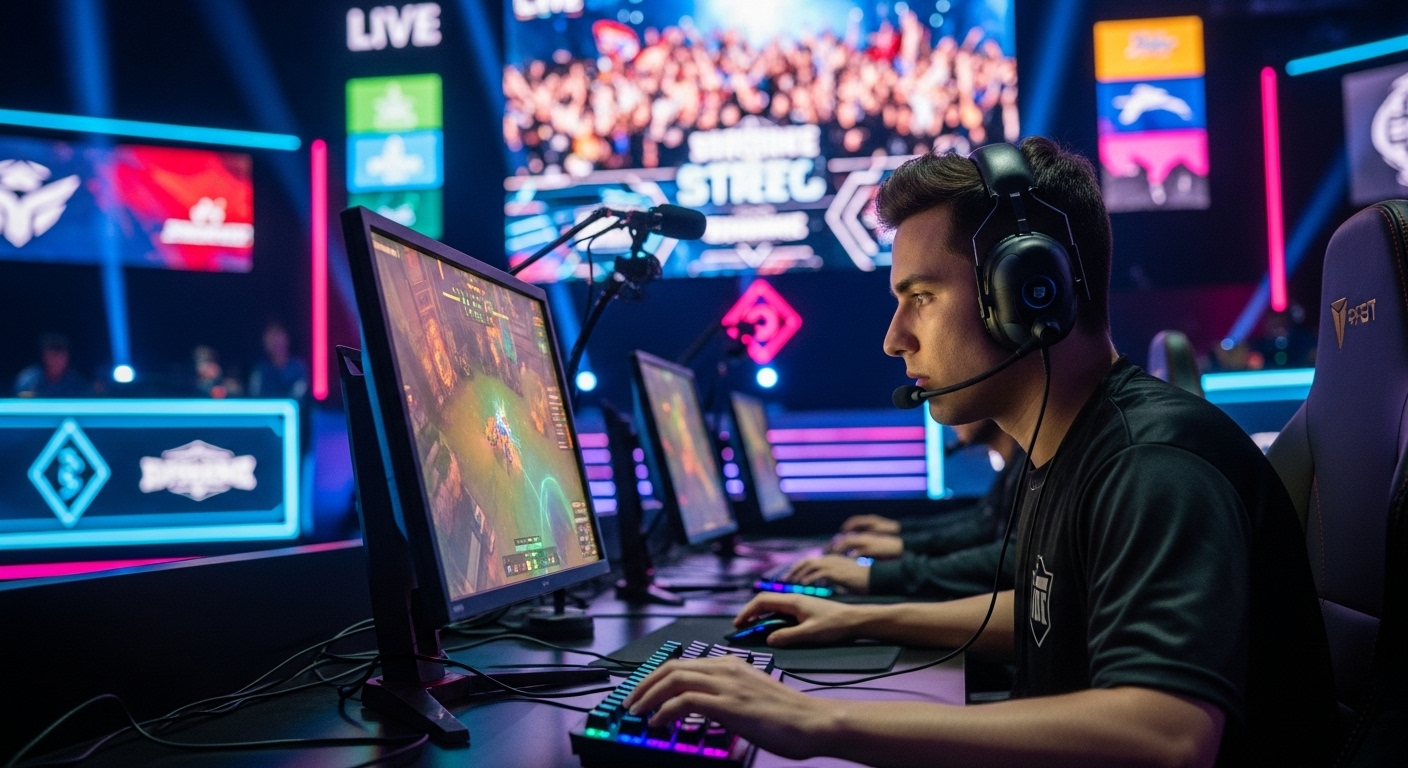
Esports has often been debated as to whether it qualifies as a true sport. But a closer look reveals that professional gaming demands many of the same attributes as traditional athletics. Players train for long hours, develop fast reflexes, learn advanced strategies, and work within teams requiring communication and discipline. Many esports players follow strict physical routines to maintain focus and endurance, proving that gaming at the highest level is far more than casual entertainment. The competitive environment is intense, requiring mental resilience and the ability to perform under pressure. As more organizations embrace the professionalism behind esports, the debate has shifted, with many acknowledging that esports is indeed a legitimate form of sport.
Popular Esports Titles Shaping the Competitive Landscape
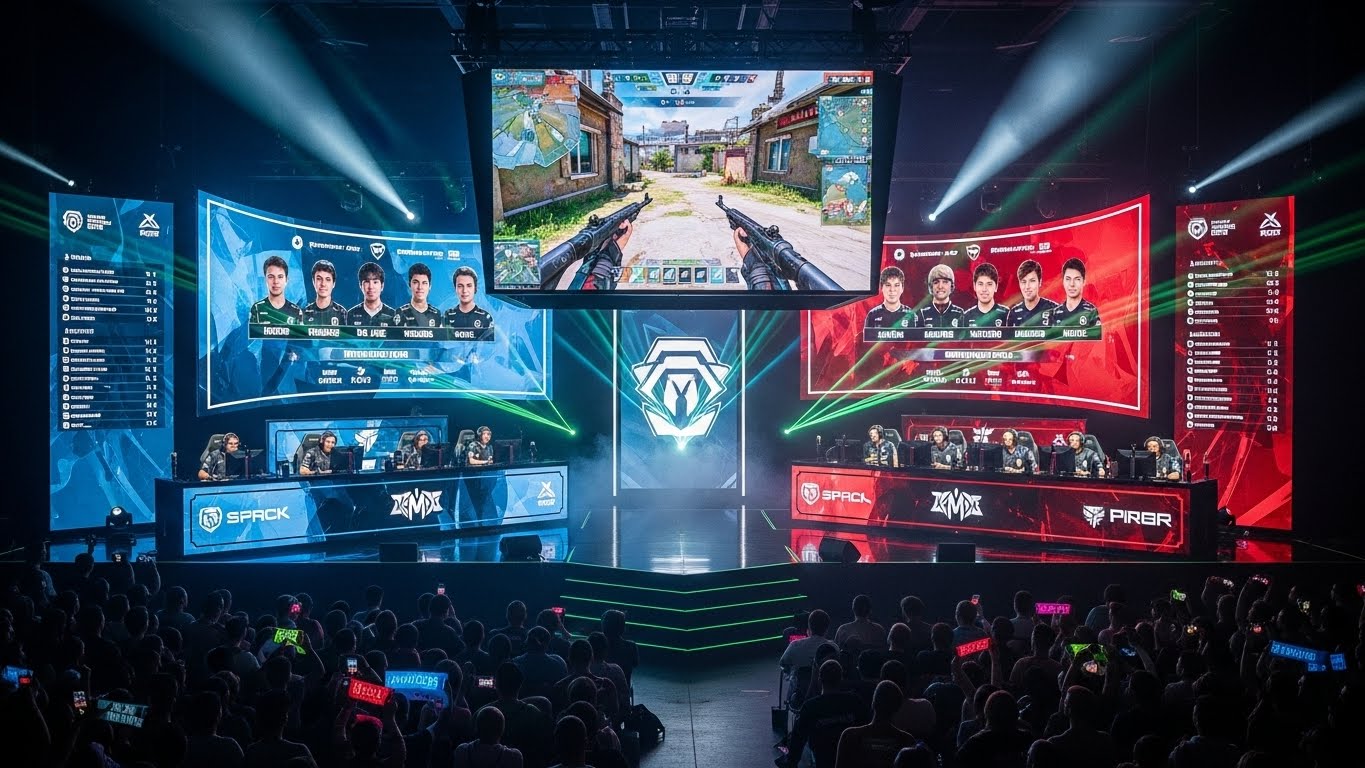
The esports world is defined by a variety of game genres, each offering its own type of challenge and competitive appeal. Tactical shooters test reflexes and strategy, battle arenas demand teamwork and coordination, and sports simulations replicate the excitement of real-world athletics. Some games are known for their enormous fanbases, while others gain popularity through their complexity or fast-paced gameplay. These games form the core of esports competitions, attracting elite players and massive audiences. As new titles enter the scene, the landscape continues to evolve, keeping the industry fresh and exciting. The success of these games helps determine the direction of esports, influencing tournament formats, team strategies, and even the culture surrounding competitive gaming.
The Rise of Esports Teams and Organizations
Esports teams have become central figures in the industry, functioning much like professional sports clubs. These organizations recruit talented players, provide coaches and analysts, and offer training facilities designed to help players reach peak performance. Many of these teams have gained international recognition, building large fanbases and competing across multiple games. The professionalism within these organizations has changed the way players view their careers. With structured support systems and financial stability, esports athletes can dedicate themselves fully to mastering their craft. This shift has elevated the credibility of esports, showing the world that it operates with the same structure and seriousness as established sports.
Esports Fans and the Power of Community
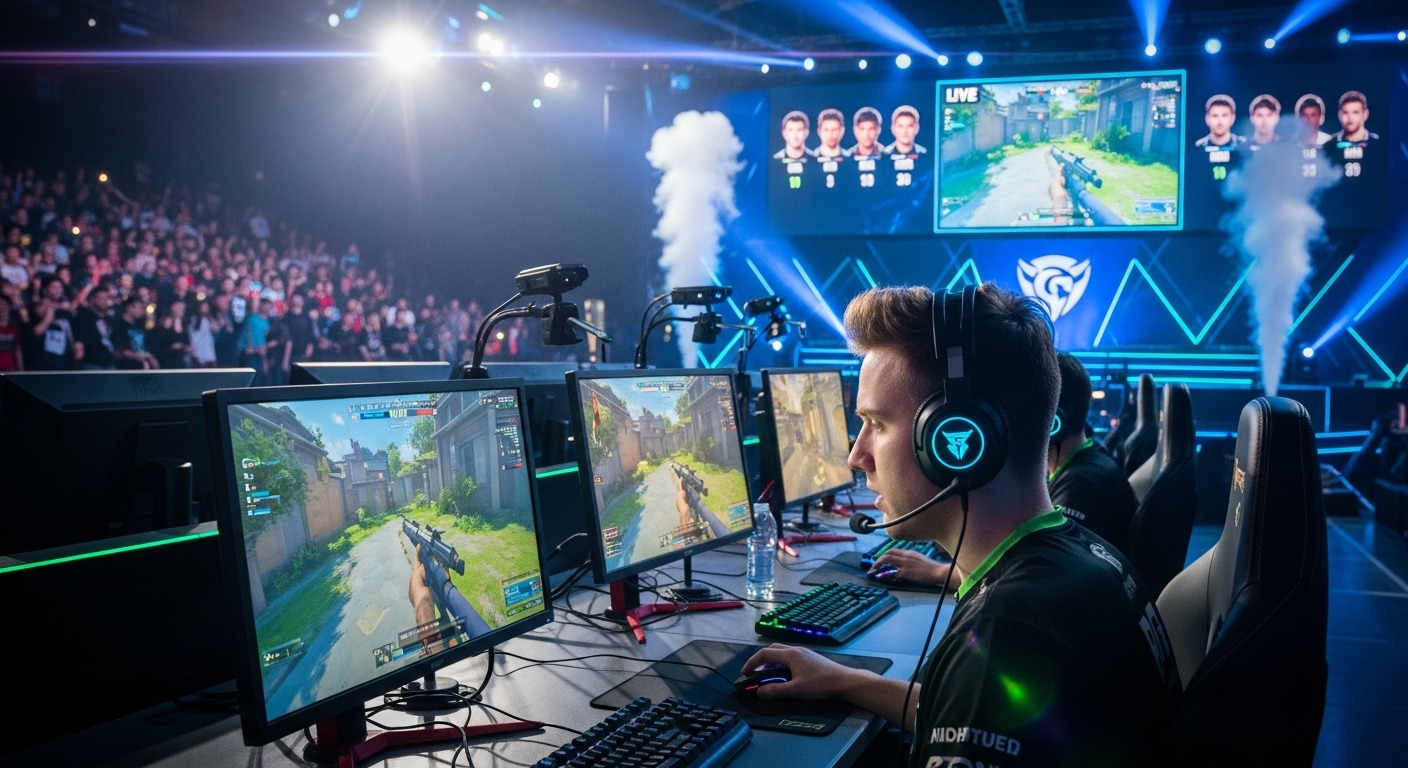
One of the defining features of esports is its passionate global community. Fans connect not just through watching tournaments but through engaging with players online, participating in discussions, and forming friendships across continents. Gaming communities thrive on shared interests, memes, stories, and experiences. Unlike traditional sports, where physical proximity often determines fandom, esports creates a space where anyone can join regardless of location. The sense of belonging is powerful, especially for younger audiences who are deeply ingrained in digital culture. Fans play a vital role in shaping the success of esports, influencing trends, supporting teams, and driving the energy that fuels the competitive scene.
The Influence of Streaming and Content Creators
Content creators have become influential ambassadors of the esports world. Many professional players stream their practice sessions, share insights, and interact with fans daily. These interactions create a deeper bond between players and their audience, something that traditional athletes rarely have the opportunity to do. Streaming content also helps grow esports by introducing new players, educating viewers about strategies, and showcasing the personalities behind the competition. Some content creators become celebrities, drawing millions of followers and shaping the culture around gaming. This connection between esports and content creation has fueled a model of entertainment that blends competition, personality, and digital media in a way no other industry has achieved.
Esports in Education and Career Development
With the rapid rise of esports, educational institutions around the world have started offering programs, scholarships, and training opportunities related to competitive gaming. Universities now have varsity esports teams, dedicated facilities, and academic courses focusing on game design, broadcasting, marketing, and team management. This integration highlights how esports is becoming recognized not just as entertainment, but as a field offering real career opportunities. Students can pursue careers as coaches, analysts, broadcasters, event planners, content creators, or game developers. The expansion of esports into education demonstrates its value as a legitimate industry contributing to both economic growth and personal development.
Challenges Faced by the Esports Industry
Despite its success, the esports industry faces several challenges. Player burnout is a significant issue due to the intense training schedules and the pressure of constant performance. Additionally, the industry must address issues such as fair competition, player safety, and the financial stability of smaller organizations. As esports continues to grow, maintaining integrity and ensuring long-term sustainability becomes increasingly important. There are also concerns about accessibility, as not all players have equal opportunities to participate due to regional or economic limitations. Addressing these challenges will be crucial in shaping the future of the industry and ensuring a positive environment for future generations.
The Future of Esports and Global Expansion
The future of esports looks incredibly promising. With advancements in technology such as virtual reality, augmented reality, and cloud gaming, the next generation of competitive gaming is set to be even more immersive. Esports is expanding into new markets and attracting interest from governments, universities, and global sports organizations. As the lines between traditional sports and esports continue to blur, collaborations and crossovers are becoming more common. The integration of virtual experiences with physical events will create new hybrid forms of entertainment, further solidifying esports as a major force in global culture. With millions of players and fans contributing to this evolving landscape, esports is poised to remain one of the most dynamic industries in the modern world.
Conclusion: A New Era of Competitive Entertainment
Esports has transformed from a casual pastime into a global movement reshaping the definition of sports, entertainment, and digital culture. Its influence extends far beyond gaming, touching technology, education, media, and international business. The rise of esports reflects the changing interests of a digital generation that values connection, competition, and innovation. As the industry continues to grow, it will inspire new careers, new forms of entertainment, and new opportunities for players and fans alike. The digital arena is expanding every day, and esports stands at the center of this evolution, proving that the future of sports may not be played on grass or courts, but on screens powered by passion, skill, and limitless imagination.