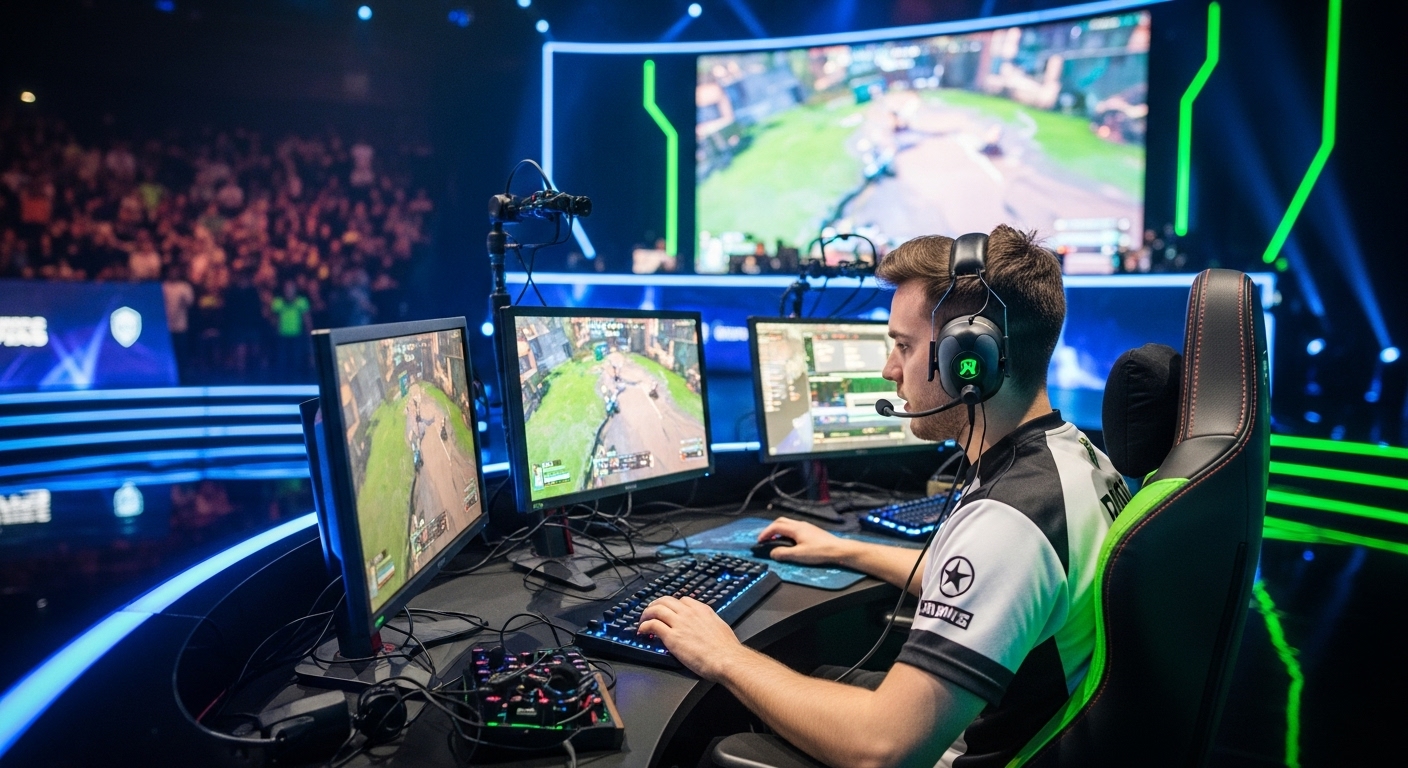

In the past two decades, esports has transformed from a small community of enthusiasts into a global cultural phenomenon. What began as casual video game competitions in arcades and living rooms has evolved into a professional industry with professional players, organized teams, multi-million-dollar tournaments, and massive fan followings. Esports is no longer just a pastime; it has become a legitimate career path, a thriving entertainment medium, and a social phenomenon that connects millions of people worldwide. Its rapid growth reflects the intersection of technology, skill, and entertainment in the digital age.
The Evolution of Competitive Gaming
Esports is defined as competitive gaming at a professional level. Unlike casual gaming, where individuals play primarily for fun, esports involves organized competitions, structured leagues, and high-stakes tournaments. Early competitive gaming dates back to arcade competitions and LAN parties, where players gathered locally to test their skills. Over time, the growth of internet connectivity and online gaming platforms allowed competitions to expand globally.
Today, esports spans a wide variety of genres including multiplayer online battle arenas, first-person shooters, real-time strategy, and sports simulations. Each genre demands unique skills, teamwork, and strategic thinking. What unites all esports is the high level of dedication required. Players spend hours honing reflexes, learning game mechanics, and analyzing opponents. Esports has grown from niche hobbyist activity to an international spectacle with millions of viewers.
Why Esports Captures Audiences
Esports appeals to fans for multiple reasons, combining the excitement of competition with social engagement and entertainment value.
Skill, Strategy, and Performance
At its core, esports showcases skill and strategy. Matches are fast-paced, and players are required to make split-second decisions. High-level gameplay involves mastery of intricate mechanics, deep understanding of game strategies, and flawless teamwork. Fans appreciate not only the entertainment value but also the remarkable talent and dedication displayed by professional players.
Global Community and Connection
Esports fosters communities where fans interact, share insights, and celebrate achievements together. Online forums, streaming platforms, and live events allow audiences to engage with players and teams. This sense of connection transcends geographical boundaries and strengthens fan loyalty. The global community aspect is one of esports’ most powerful draws, creating a sense of belonging among millions of people.
Entertainment Beyond the Game
Esports events are designed to entertain. High-quality production, commentary, live reactions, and cinematic presentations make tournaments immersive experiences. The narrative of rivalries, underdog victories, and player personalities adds layers of drama and engagement that keep fans returning for every match.
Popular Esports Games and Genres
The diversity of esports games allows players of all skill sets to participate and enjoy competition.
Multiplayer Online Battle Arenas
Games in this genre emphasize teamwork, strategy, and character mastery. Teams compete to control objectives, defeat opponents, and achieve victory. The combination of tactical depth and rapid gameplay has made this genre a cornerstone of professional esports.
First-Person Shooters
These games require reflexes, precision, and coordination. Teams must communicate effectively, plan strategies, and execute actions under pressure. FPS games have remained popular due to their competitive intensity and the excitement they offer spectators.
Battle Royale Games
Large-scale survival competitions where only one player or team can emerge victorious have captivated audiences. The unpredictability and tension of these matches make them ideal for streaming and live broadcasting.
Sports Simulations
Games that replicate real-world sports, such as soccer, basketball, and racing, allow players to experience traditional sports in a virtual format. The combination of skill-based gameplay and familiarity appeals to both gamers and fans of traditional sports.
The Life of a Professional Esports Player
Professional esports players dedicate their lives to achieving excellence. Success requires intense training, mental resilience, and strategic thinking.
Training Regimens
Professional players often practice six to ten hours daily. Training includes gameplay practice, strategic review, teamwork drills, and studying opponents. Physical fitness is also important, as it improves focus, reflexes, and overall well-being. Teams often employ coaches and analysts to optimize performance.
Mental Resilience
Competitive esports is high-pressure. Players face stress, scrutiny, and the constant need to adapt to new game updates and strategies. Maintaining mental health is essential for longevity in the profession. Many teams now provide psychological support to help players cope with stress and avoid burnout.
Teamwork and Communication
Success in esports is rarely achieved alone. Teams must coordinate strategies, communicate under pressure, and adapt quickly to dynamic situations. Chemistry among teammates can make or break a team’s performance, emphasizing the importance of interpersonal skills and collaboration.
The Rise of Esports Organizations
Esports organizations serve as professional homes for players and teams. They provide training facilities, sponsorship opportunities, marketing support, and a pathway to career advancement.
Sponsorship and Investment
Corporations invest heavily in esports due to the engagement of the audience, particularly younger demographics. Sponsorship deals can include branded content, live event promotion, merchandise, and exclusive media partnerships. These investments have fueled the rapid growth and professionalization of esports.
Talent Development
Organizations scout emerging talent through online tournaments, amateur leagues, and academies. Young players are trained, nurtured, and eventually integrated into professional rosters. This structured talent pipeline ensures the continued growth and sustainability of the industry.
Esports Events: From Arenas to Global Stages
Esports events have become major spectacles, rivaling traditional sports in scale and excitement.
International Tournaments
Global competitions attract millions of viewers and boast some of the largest prize pools in competitive entertainment. These events often combine live performances, fan experiences, and media coverage, making them immersive experiences that extend beyond the matches themselves.
Local and Regional Leagues
Smaller competitions play a crucial role in developing talent and building communities. They provide opportunities for new players to gain experience and recognition while creating localized fan engagement.
Broadcasting and Streaming
Live streaming has revolutionized how fans experience esports. Platforms allow viewers to watch matches in real time, interact with commentary, and even participate in community discussions. The accessibility of streaming has expanded the reach of esports, making it available to audiences worldwide.
Content Creators and Esports Culture
Streamers, influencers, and content creators play an essential role in the growth of esports. They provide tutorials, live gameplay, commentary, and behind-the-scenes insights that engage audiences and attract new fans. Many professional players also maintain streaming channels, allowing fans to observe their strategies and personalities in a more personal way.
Content creators help bridge the gap between competitive esports and casual viewers. Their creativity and entertainment value enhance fan engagement and expand the cultural impact of esports beyond traditional competition.
Challenges Facing Esports
Despite its growth, esports faces several challenges that must be addressed to ensure long-term sustainability.
Player Health and Longevity
Long practice hours, intense schedules, and high-pressure environments can lead to burnout, stress, and physical strain. Organizations are increasingly implementing wellness programs, physical training, and mental health support to ensure players can sustain their careers.
Regulatory Oversight
The lack of standardized regulations across leagues and tournaments can create inconsistencies in competitive integrity. Strict enforcement of rules, fair play policies, and player protections are essential for maintaining credibility in the industry.
Financial Stability
Not all teams and players have equal access to funding. Developing reliable revenue streams, equitable contracts, and sustainable business models is critical for industry growth and player security.
The Future of Esports
Esports is still in its early stages, and its potential is enormous. Emerging technologies, global expansion, and cultural acceptance are set to drive continued growth.
Virtual and Augmented Reality
Immersive technologies like virtual and augmented reality may create new competitive formats, blending physical movement with digital gameplay. This could redefine what esports looks like and introduce entirely new gaming experiences.
Global Expansion
As internet infrastructure improves, esports will reach more regions and attract diverse talent. Global accessibility will foster innovation, collaboration, and competition on a larger scale than ever before.
Integration with Education and Careers
Esports is becoming integrated into educational programs, offering scholarships and career pathways in coaching, management, marketing, broadcasting, and game development. This institutional support solidifies esports as a legitimate industry with long-term opportunities.
Conclusion
Esports has grown far beyond its origins as casual gaming. It is now a global phenomenon that combines skill, strategy, entertainment, and community. With professional players, organized leagues, international tournaments, and millions of fans, esports has established itself as a serious industry and a cultural force. Its blend of technology, creativity, and competition makes it uniquely suited to the digital age. As the industry continues to evolve, esports will not only redefine what it means to compete but also influence entertainment, social connection, and global culture for years to come.