
Introduction: The Dawn of a Digital Revolution
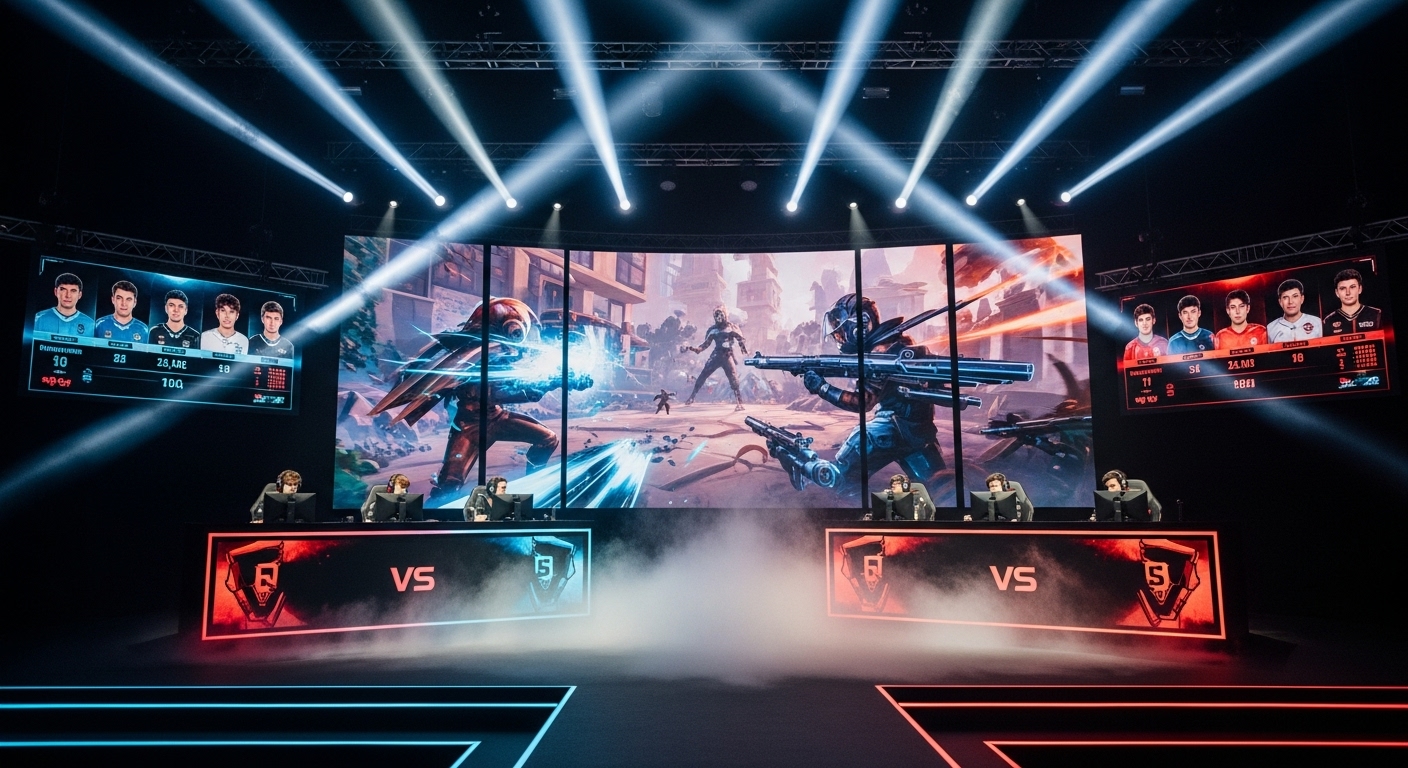
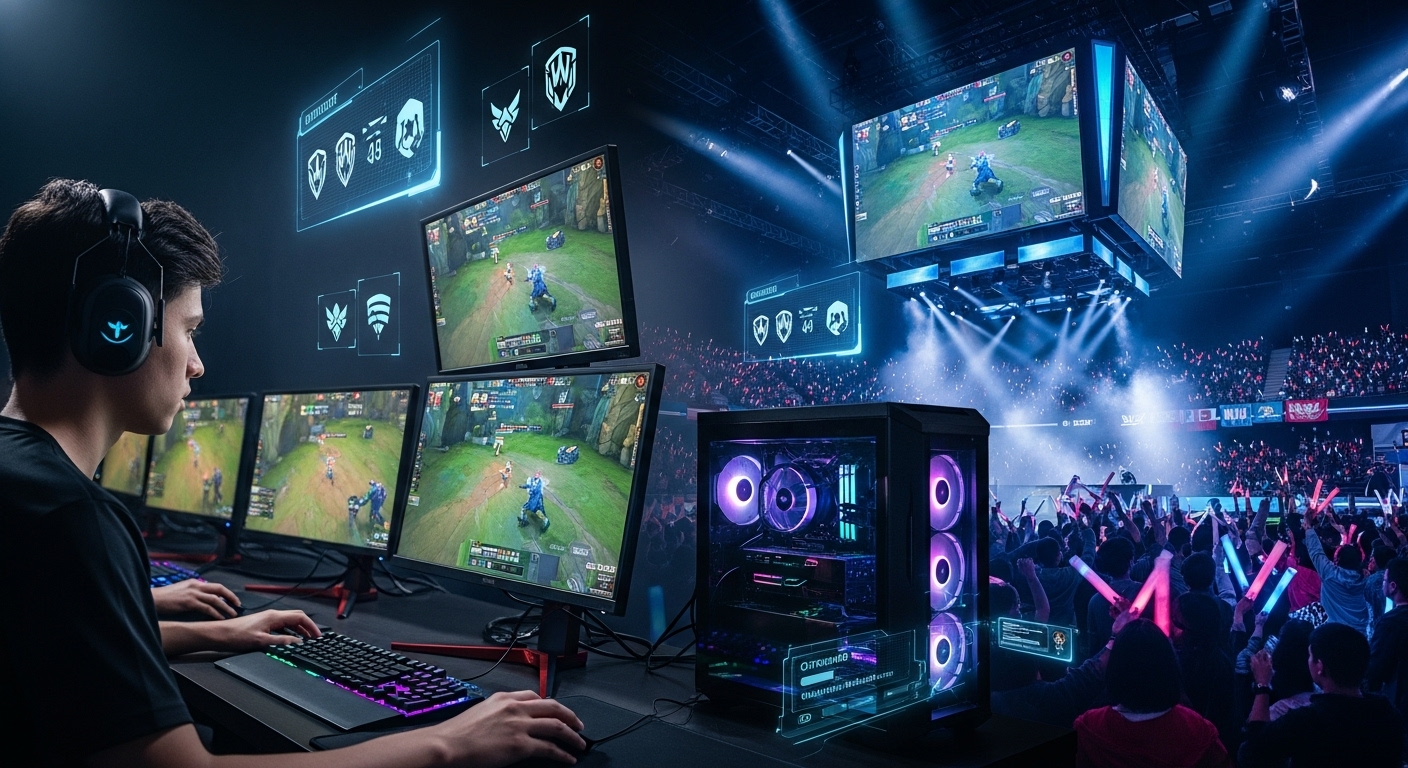
Esports, short for electronic sports, has emerged as a global powerhouse in the world of entertainment, challenging traditional sports in both popularity and revenue. What was once a niche community of gamers has evolved into a multi-billion-dollar industry that attracts millions of viewers, professional players, and investors worldwide. Esports is no longer just about playing games—it has become a cultural phenomenon, bringing together players and fans from all corners of the globe to share in the excitement of competitive gaming.
This blog will explore the rise of esports, its impact on the gaming industry, and how it has transformed from casual play to a professional sport that rivals even the most established traditional sports. We’ll delve into the key factors that have driven its growth, the challenges it faces, and what the future holds for esports.
The Early Days of Esports: From Local Competitions to Global Recognition
The origins of competitive gaming can be traced back to the late 20th century. In the early days, video games were seen primarily as a form of entertainment rather than a competitive sport. However, that started to change in the 1970s when players began organizing informal competitions. One of the first notable tournaments was the “Space Invaders Championship” in 1980, which marked the beginning of competitive gaming events. Though small in scale, it was a sign of things to come.
The 1990s witnessed the birth of esports as we know it today. Games like Quake, StarCraft, and Counter-Strike became popular, creating a foundation for online multiplayer gaming. As the internet became more accessible, players could connect with others around the world, creating global communities and a larger competitive scene. Early esports tournaments were small in scope, but they set the stage for future developments.
The first significant milestone for esports came with the creation of large-scale events such as the World Cyber Games (WCG) and Electronic Sports World Cup (ESWC) in the early 2000s. These tournaments gathered players from around the world to compete for major prizes, marking the first instances of esports as a truly global spectacle. The increasing quality of online play, the growth of the gaming industry, and the rise of major game franchises such as Warcraft and Counter-Strike contributed to this growth, laying the foundation for the esports ecosystem we know today.
The Golden Age: The Rise of Streaming and the Explosion of Popularity
In the late 2000s, a new wave of innovation took esports to unprecedented heights. The launch of Twitch, a live-streaming platform dedicated to gaming, revolutionized the way people experienced competitive gaming. Twitch allowed gamers to stream their gameplay in real time, interact with viewers, and build a community around their favorite games. As Twitch gained popularity, so did the concept of watching esports tournaments live, and soon it became a major platform for broadcasting competitive events.
In addition to Twitch, platforms like YouTube Gaming, Facebook Gaming, and Mixer (which was later acquired by Facebook) began to cater to the growing demand for esports content. The availability of these platforms enabled esports events to reach a global audience, with millions tuning in to watch live competitions. By 2013, esports events were being broadcasted to millions of viewers worldwide, with major tournaments such as The International (for Dota 2) and League of Legends World Championship attracting millions of viewers and offering prize pools that surpassed traditional sports competitions.
The success of games like League of Legends, Dota 2, Overwatch, and Fortnite helped propel esports into the mainstream. These titles not only attracted large player bases but also helped establish professional leagues, teams, and tournaments with substantial financial backing. Streaming platforms gave fans direct access to their favorite players, teams, and tournaments, fostering a community and culture that transcended traditional sports.
The Professionalization of Esports: Teams, Sponsors, and Global Leagues
As esports continued to gain popularity, it evolved into a professional sport with structured teams, leagues, and coaches. The competitive nature of esports demanded more than just skilled players—it required strategy, discipline, and teamwork. Teams began to hire professional coaches, analysts, and managers to refine strategies, improve player performance, and develop a long-term competitive advantage.
Esports teams became similar to traditional sports organizations. Players began to sign contracts, earn salaries, and compete for sponsorships, just like athletes in traditional sports. Major sponsors from the tech, energy drink, and food industries, including companies like Intel, Red Bull, Coca-Cola, and Mercedes-Benz, began to invest heavily in esports. This influx of sponsorship dollars allowed professional esports organizations to grow their operations, hire better staff, and improve the overall quality of events.
The professionalization of esports also led to the establishment of dedicated esports leagues, similar to traditional sports leagues. The Overwatch League and Call of Duty League are prime examples of how gaming companies have created structured, year-round competitions where teams play for prize money, sponsorships, and prestige. These leagues attracted large viewerships, similar to the way people tune in to watch sports leagues such as the NFL or NBA.
Esports organizations began to resemble traditional sports franchises, complete with merchandising, branded gear, and fan clubs. This transition from casual gaming to professional esports helped solidify the industry’s legitimacy and set the stage for its continued growth.
The Appeal of Esports: Why People Watch and Play
One of the driving factors behind the success of esports is its accessibility. Unlike traditional sports, which require expensive equipment, facilities, and physical training, esports can be enjoyed by anyone with a computer or gaming console. Online multiplayer games are relatively inexpensive, and many popular esports titles like League of Legends and Fortnite are free-to-play, which lowers the entry barrier for new players and viewers.
Esports also thrives on the excitement of competition. Just like in traditional sports, players and teams are constantly battling for victory, making for thrilling matches that keep viewers on the edge of their seats. The fast-paced nature of many esports games creates an environment of constant action and strategy, with unexpected twists that keep fans engaged.
Another significant draw is the social aspect of esports. Fans can follow their favorite teams, interact with players on social media, and join online communities dedicated to discussing strategies, players, and upcoming events. Esports events are often accompanied by live commentary, expert analysis, and fan engagement, providing an experience that mirrors the social dynamics of traditional sports.
Esports as a Career: More Than Just Playing Games
In the past, the idea of making a career out of playing video games seemed like a fantasy, but today, esports has become a legitimate profession. Professional gamers can earn money through sponsorships, prize winnings, and streaming. Top players in games like League of Legends, Dota 2, and Counter-Strike: Global Offensive can earn six-figure salaries, and the best players in the world are often treated like celebrities, with large fan followings and endorsement deals.
However, becoming a professional esports athlete requires more than just playing games for fun. It involves countless hours of practice, teamwork, and strategy. Players often dedicate upwards of 8-12 hours a day to improving their skills and staying competitive. Much like traditional athletes, esports players need to maintain peak performance, and many professional teams hire coaches and analysts to help guide players to success.
Aside from players, there are also many other career opportunities in the esports industry. Coaches, analysts, broadcasters, event organizers, and content creators all play vital roles in the success of esports. The growing esports ecosystem has created a wide range of career paths, including marketing, production, and sponsorship management.
The Global Impact of Esports: Bridging Cultures and Communities
One of the most remarkable aspects of esports is its ability to unite people from different cultures, languages, and backgrounds. Thanks to the internet and streaming platforms, esports transcends geographic boundaries, allowing people from around the world to compete, watch, and celebrate their shared love for gaming. Esports events regularly attract millions of viewers, with fans tuning in from every continent.
The global nature of esports has also led to the creation of international tournaments with players representing their home countries or regions. For example, The International for Dota 2 has become one of the largest esports tournaments in the world, with players from Europe, North America, China, South Korea, and beyond competing for multi-million-dollar prize pools.
Esports has also contributed to the global gaming culture, bringing together fans, developers, and industry leaders. This international exchange has led to greater collaboration in game development, tournament organization, and community building, further solidifying esports as a force for global unity.
The Future of Esports: Where Do We Go From Here?
The future of esports is bright, with continued growth expected in both viewership and revenue. New technologies, such as virtual reality (VR) and augmented reality (AR), could add new dimensions to the gaming experience, making esports even more immersive and interactive. VR esports, for example, could offer an entirely new level of immersion, where players and viewers can experience the action firsthand in a fully virtual environment.
Mobile gaming is also expected to play a significant role in the future of esports. Games like PUBG Mobile and Free Fire have already brought esports to the masses, and the rise of mobile esports tournaments will further expand the reach of competitive gaming. As mobile devices continue to improve in terms of performance and capabilities, we may see mobile esports become just as prominent as their PC and console counterparts.
Furthermore, with the increasing interest from traditional sports organizations and the possibility of esports being included in events like the Olympics, the future of esports could see it becoming a recognized and respected form of competition worldwide.